


More news on this day
The United States has issued an urgent Level 3 travel advisory for Venezuela after a powerful double earthquake sequence struck the country’s north-central region, prompting calls for travelers to reconsider upcoming trips as damage assessments, aftershocks, and infrastructure disruptions continue.
Get the latest news straight to your inbox!
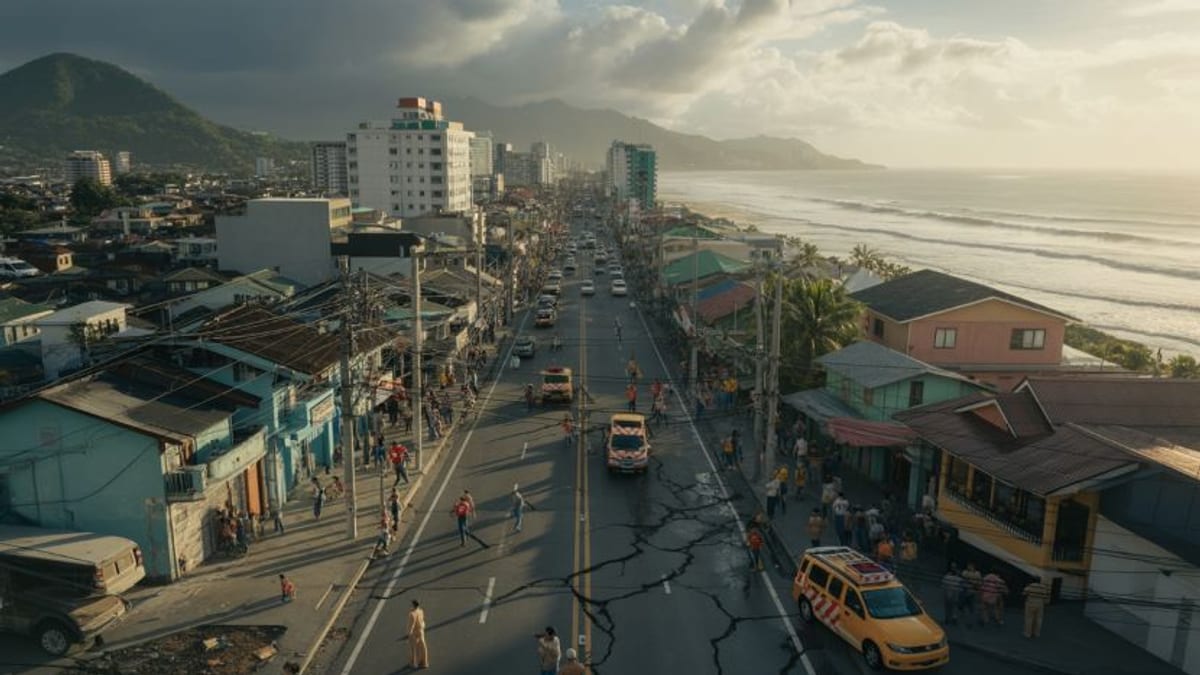
Quake-Hit Venezuela Faces Prolonged Emergency Conditions
According to recent coverage by international and regional media, a series of strong earthquakes on June 24, 2026, shook Venezuela’s north-central corridor, impacting areas around the Caribbean coastline and several inland urban centers. Initial shaking was followed by significant aftershocks, compounding structural damage and complicating early rescue and relief efforts.
Published reports describe collapsed or severely weakened buildings in affected cities, localized landslides, and damage to roads and bridges that connect major hubs with smaller communities. Power outages and interruptions to telecommunications were widely reported in the hours and days after the main quakes, with some neighborhoods still experiencing unstable services as engineers work to restore essential networks.
Hospitals and clinics in the region have been managing a surge in injuries at the same time as they contend with disrupted utilities and strained supply chains. Humanitarian organizations tracking conditions in Venezuela note that preexisting economic and infrastructure challenges are amplifying the impact of the disaster, leaving many communities with limited reserves to absorb extended shocks.
Weather conditions and the ongoing risk of aftershocks continue to complicate recovery operations. Urban search and rescue activities, structural inspections, and the reopening of key routes are expected to take time, increasing the likelihood that disruption to normal travel patterns will persist well beyond the initial emergency phase.
What a Level 3 Advisory Really Means for Travelers
Publicly available guidance from U.S. government sources explains that a Level 3 advisory, labeled “Reconsider travel,” is reserved for destinations where serious safety and security risks make routine tourism and nonessential trips inadvisable. The designation does not legally prohibit travel, but it signals that conditions are volatile enough that many travelers may wish to postpone or cancel plans.
In practice, a Level 3 advisory often reflects multiple overlapping concerns. In Venezuela’s case, the recent earthquakes add a fresh layer of risk to an environment already marked by economic stress and periodic shortages of key goods and services. Travel-risk analysis frequently highlights how natural disasters can intensify challenges such as limited medical capacity, infrastructure fragility, and uneven access to transportation.
The advisory level also carries practical implications for trip planning. Travel insurance providers, airlines, and tour operators may adjust coverage, schedules, or booking policies in response to heightened government warnings. Some plans either restrict coverage for new bookings to Level 3 destinations or require additional documentation, which can leave travelers more exposed financially if they proceed without reviewing terms carefully.
Guidance materials emphasize that in Level 3 environments, the U.S. government’s ability to assist citizens during an emergency may be constrained by on-the-ground conditions. Earthquake damage to roads, airports, and communications infrastructure can limit mobility and delay any response, reinforcing the message that individuals should weigh their personal risk tolerance very cautiously.
Air Travel, Tourism, and Local Transport Disrupted
Transport and aviation monitoring indicate that airports in the quake-affected region have faced temporary closures, schedule reductions, and re-routing of flights to less impacted facilities. Even where runways and terminals remain structurally sound, safety inspections, staff shortages, and power reliability issues can lead to unexpected cancellations or lengthy delays.
Overland transport has also been hit. Reports point to damaged highways, blocked mountain roads, and compromised bridges in parts of north-central Venezuela, limiting bus and private vehicle travel between major cities and tourist areas. In rural and hillside communities, landslides and road cracks have forced detours or complete closures, isolating some settlements and hampering both humanitarian deliveries and visitor movement.
Tourism operators working with the Venezuelan market are adapting itineraries, shifting focus away from heavily affected zones and, in some cases, suspending departures altogether while damage assessments continue. Travelers already in the country have been advised by various industry and media briefings to expect curtailed excursions, modified routes, and reduced access to popular attractions.
Accommodation providers in impacted areas are balancing guest safety with the need to repair facilities. Some hotels and guesthouses are operating at reduced capacity while structural checks are completed. Others have reportedly redirected rooms toward relief workers and displaced local residents, which further narrows availability for leisure travelers.
Key Safety Considerations if You Are Already Booked
Travelers with imminent departures to Venezuela are being urged by travel risk analysts and consumer advocates to reevaluate whether their journeys remain essential under the current conditions. For those who decide to proceed, several safety considerations stand out in light of the Level 3 advisory and recent seismic activity.
First, itineraries should be kept flexible. Flight disruptions, local curfews, and temporary closures of tourist sites are all realistic possibilities in a country undergoing post-earthquake recovery. Travelers may need to budget extra days, additional funds, and backup routing options in case primary connections fail.
Second, robust contingency planning is crucial. Guides on crisis travel planning recommend identifying multiple accommodation options in safer, less affected areas, confirming how to reach them if primary routes are blocked, and maintaining reliable access to cash in case electronic payment systems go offline. Maintaining charged backup power sources for phones and essential devices can be especially important during rolling outages.
Third, travelers are encouraged to monitor authoritative public information from both local emergency management bodies and their own national foreign ministries. Subscription-based alert tools and enrollment services are widely promoted as ways to receive rapid updates on new advisories, aftershocks, civil protection measures, and changes to border or airport operations.
Why Postponing Nonessential Travel May Be the Safest Option
While some travelers may be tempted by lower prices or a desire not to cancel long-awaited trips, the combination of a major earthquake sequence and a fresh Level 3 advisory substantially raises the risk profile for tourism in Venezuela in the near term. Disruption to health care, transportation, utilities, and communications means that even minor problems, such as routine illness or lost documents, can become more complex to resolve.
Travel industry observers note that respecting government advisories can also ease pressure on local systems. When nonessential visitors choose to wait until conditions stabilize, limited hotel rooms, transport seats, and medical resources remain more available for affected residents, relief teams, and essential business or humanitarian travelers.
From a financial standpoint, postponement may reduce the likelihood of costly last-minute changes imposed by evolving safety regulations or infrastructure setbacks. Airlines and tour operators sometimes introduce more flexible rebooking or credit options during officially recognized crises, allowing travelers to shift plans without absorbing the full cost of cancellation.
Ultimately, the elevated advisory level signals an environment where routine leisure travel is no longer straightforward. Until Venezuela’s earthquake recovery progresses and official guidance reflects a more stable outlook, many travelers may find that delaying trips and closely tracking further developments is the most prudent course.