


More news on this day
US travelers are being urged to brace for a volatile 2026 storm season, as new government advisories highlight rising weather-related risks to flights, cruises and tourism across the Atlantic and Caribbean.
Get the latest news straight to your inbox!
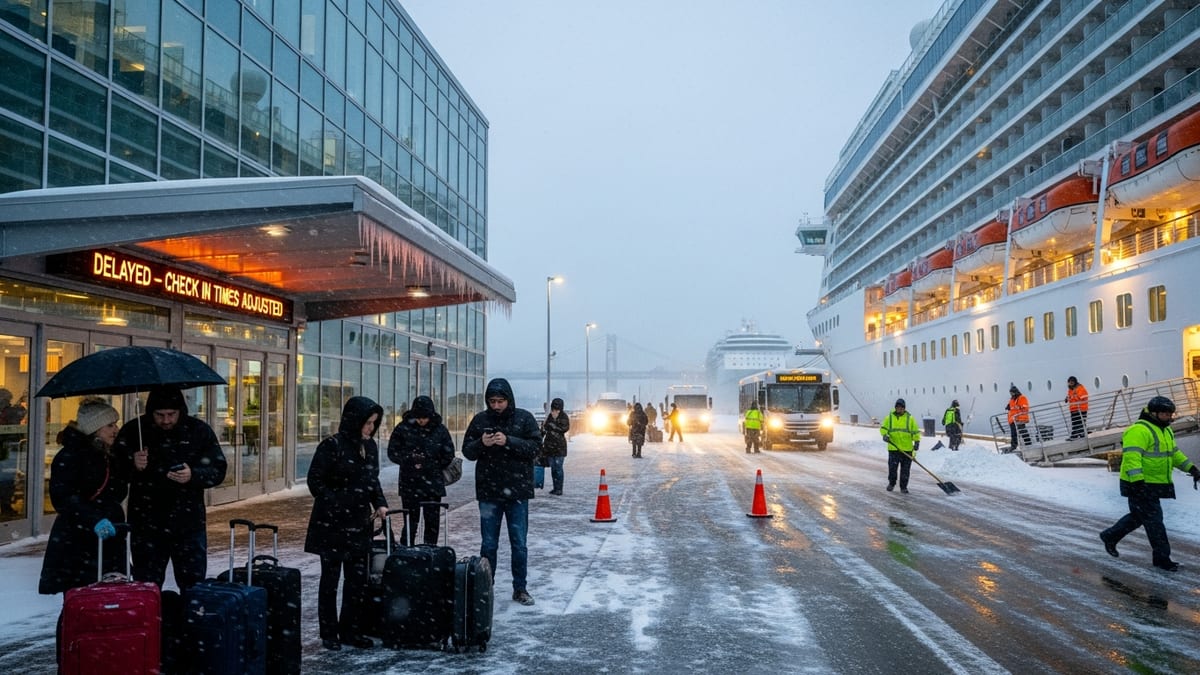
New Federal Alert Highlights Heightened Storm-Season Risk
Recent federal advisories on international travel and transportation emphasize that the 2026 Atlantic hurricane season, while forecast to be near to slightly below average in overall storm numbers, still presents significant risks for US citizens heading to coastal and island destinations. Publicly available information from climate and aviation agencies notes that it only takes one powerful landfalling storm to severely disrupt transport links, damage infrastructure and trigger lengthy recovery periods in tourism-dependent regions.
The guidance urges travelers to factor hurricane season, which officially runs from June 1 to November 30, into trip planning and to monitor local weather bulletins and airport or port updates more frequently than in previous years. Government messaging points to recent years in which storms and associated flooding have cut road access to airports, closed cruise ports and forced mass evacuations, leaving visitors facing unexpected costs and multi-day delays.
The advisory language reflects a broader shift in risk communication, linking traditional hurricane threats with other climate-related hazards such as extreme heat, heavy rainfall and coastal flooding. Travelers are being encouraged to view storm season as a complex risk period in which flight schedules, cruise itineraries and on-the-ground tourism services can change rapidly, even when a destination is not in the direct path of a hurricane.
Air Travel Feels the Strain From Severe Summer Weather
The 2026 summer travel period has already seen waves of weather-related disruptions at major US hubs, particularly along the East Coast. Air traffic planning documents and airline operations updates show repeated ground stops and flow-control programs when lines of thunderstorms or low visibility have moved across congested corridors, forcing carriers to trim schedules or hold departures. In some cases, severe storms have led to more than a thousand cancellations in a single day across multiple airports.
Federal aviation resources stress that weather remains the leading cause of delays and cancellations in the National Airspace System, with summer convection and hurricane-season remnants among the most difficult events to manage. The Federal Aviation Administration’s command center works with airlines and meteorologists to reroute aircraft around storm cells and to meter traffic into saturated airspace, but when storms build directly over key hubs, the system has limited flexibility and disruption becomes inevitable.
Travel industry analysts note that airlines are operating near capacity during peak months, leaving little slack in fleets and crew schedules when storms cause cascading delays. Once aircraft and crews are displaced by weather, recovery can take several days, particularly when storms arrive in quick succession. Passengers are increasingly being advised to book earlier departures, build in longer connection times and remain prepared for last-minute schedule changes during the heart of storm season.
Cruise Itineraries and Island Tourism Face Uncertain Seas
For cruise passengers, storm season risk plays out differently but just as tangibly. Cruise lines typically adjust itineraries to avoid direct encounters with tropical systems, swapping ports or spending extra days at sea until conditions improve. Industry reports show that itinerary changes become more common from late summer into early autumn, especially on routes that cross the Caribbean, Gulf of Mexico and Western Atlantic.
While modern forecasting tools generally allow ships to steer clear of the most dangerous conditions, ports themselves can be closed by storm surge, high winds or port-side damage, stranding ships offshore or forcing calls at alternate harbors. Tourism authorities in popular island destinations report that a single strong storm can shutter hotels, beaches and excursions for weeks, even if the eye remains offshore. Visitors may find that the landscape of a destination looks very different from promotional images when they arrive shortly after a major system.
Beyond hurricanes, coastal tourism across the Caribbean and Gulf of Mexico is also being affected by massive belts of drifting sargassum seaweed that have grown to near-record levels in 2026. Environmental agencies and regional tourism bodies describe thick mats of seaweed piling up on once-pristine beaches, affecting water quality, marine life and the visitor experience. Combined with the threat of tropical storms, this creates a more complex risk environment for resorts and cruise lines that sell the promise of clear water and uninterrupted sunshine.
Caribbean and Coastal Destinations Confront Climate Pressures
Climate outlooks for the June to August 2026 period from regional meteorological centers describe a hurricane season that may be less intense overall, but still marked by irregular bursts of activity. Caribbean climate bulletins highlight the continuing vulnerability of small island states to tropical cyclones, heavy rainfall and high heat, especially in destinations where tourism makes up a large share of national income and where adaptation projects are lagging behind the pace of change.
Reports from the World Meteorological Organization and regional tourism organizations underline how recent years have brought a succession of climate shocks to Latin America and the Caribbean, from record-breaking heat to destructive storms. These events have damaged hotels, marinas and airports, and have strained local emergency services during peak tourist periods. Even when physical damage is limited, images of flooded streets, grounded flights and closed beaches can weigh on bookings for subsequent seasons.
In many coastal areas, authorities and private operators are stepping up investments in resilience measures such as elevated infrastructure, improved drainage, backup power systems and revised evacuation plans. However, funding and implementation gaps remain, particularly for smaller properties and community-based tourism enterprises. For travelers, this uneven preparedness means that the experience of storm season can vary sharply from island to island, even within the same archipelago.
What Travelers Can Expect for the Remainder of 2026
Looking ahead to the peak months of the 2026 Atlantic hurricane season, long-range outlooks from US and international climate agencies point to a basin that is expected to produce a near-average number of named storms and hurricanes. Experts caution that long-term averages do not translate into predictable impacts for any particular destination, and that a relatively quiet season overall can still bring a direct hit to a major tourism hub.
For air travelers, industry and government briefings suggest that weather-related delays are likely to remain a defining feature of peak travel days, especially on Friday and Sunday evenings when demand is highest. Thunderstorms, remnants of tropical systems and bouts of extreme heat can each force reductions in takeoff and landing rates, leading to rolling delays that ripple across domestic and international networks.
For those planning cruises or beach vacations in hurricane-prone regions, publicly available guidance continues to emphasize flexibility. Travel experts highlight the value of reviewing contract terms for itinerary changes, monitoring local forecasts in the week before departure and considering travel periods at the edges of the season, when storm risk may be lower but not absent. As climate variability reshapes traditional patterns, the new US storm-season warning underscores that awareness and adaptability have become essential parts of any international trip planning checklist.