


More news on this day
The United States has issued updated warnings for the 2026 storm season as extreme weather continues to snarl flights, force last-minute cruise itinerary changes and disrupt tourism across major domestic and international routes.
Get the latest news straight to your inbox!
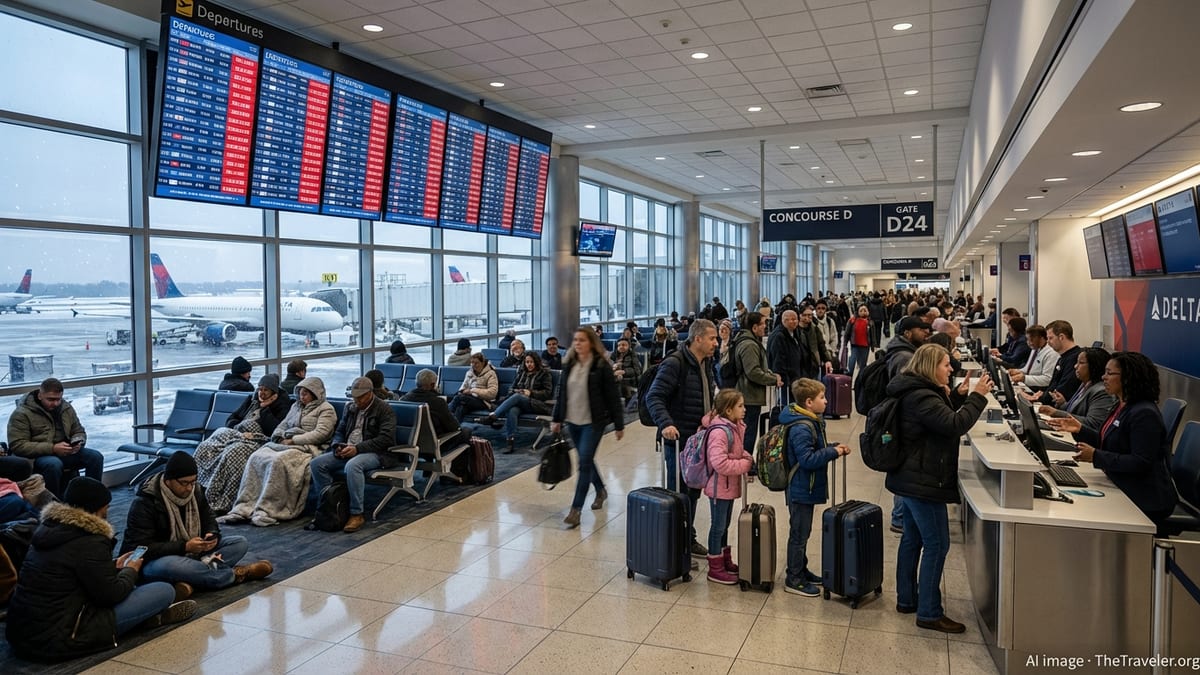
New federal guidance for a volatile storm season
Recent public advisories highlight that the 2026 Atlantic hurricane season, which runs from June 1 to November 30, still poses significant travel risks even as federal forecasters project a below-normal number of storms overall. Updated outlooks from US climate agencies describe a 55 percent chance of below-normal activity in the Atlantic, but emphasize that a quieter season on paper does not eliminate the prospect of destructive landfalling systems.
Government travel notices now underline that even a single strong hurricane or tropical storm can trigger cascading disruptions across aviation hubs, cruise homeports and popular beach destinations in the Caribbean, Gulf of Mexico and southeastern United States. Travelers are being urged to monitor storm developments more closely throughout late summer and early autumn, when the historical peak in hurricane activity occurs.
Publicly available information indicates that federal guidance also flags the eastern and central Pacific, where the current outlook points to an above-normal season. This pattern raises the risk of weather-related impacts for routes touching Pacific Mexico, Hawaii and parts of Central America, widening the geographic footprint of potential travel disruption for US citizens.
Flight delays and cancellations tied to extreme weather
Transport statistics released in mid-2026 show that extreme weather continues to account for a measurable share of US flight delays and cancellations. The latest Air Travel Consumer Report from the Department of Transportation attributes thousands of delays in recent months to storms, convective systems and other weather conditions that can shut down airport operations, snarl air traffic control and force crews and aircraft out of position.
Major US carriers have reported recurring schedule disruptions during severe thunderstorm outbreaks and tropical systems affecting key hubs in states such as Florida, Texas and along the Eastern Seaboard. Summer squall lines and outer rainbands from tropical disturbances have periodically triggered ground stops, ramp closures and diversions, straining already busy networks during peak vacation travel.
In response, airlines are expanding the use of flexible rebooking policies around forecasted hurricanes and tropical storms. Public guidance from carriers encourages passengers to sign up for alerts, verify contact details in airline apps and be prepared for early or late departures when meteorologists flag a heightened risk of hazardous conditions at departure or arrival airports.
The updated federal messaging advises travelers to factor in longer connection times, build in buffers before cruises or tours, and consider travel insurance products that specifically cover weather-related interruptions. Consumer advocates note that policies differ on how they classify hurricanes, named storms and airport closures, making it important for travelers to read terms closely.
Cruise lines redirect routes as storms threaten key regions
Published coverage of the 2026 storm season shows cruise operators repeatedly adjusting itineraries in response to tropical weather systems. In the Caribbean and Gulf of Mexico, large ships have been rerouted to alternate ports or shifted to different regions entirely to stay clear of forecasted storm tracks, sometimes within days of departure.
Industry information indicates that cruise contracts typically allow companies broad discretion to change routes for safety or operational reasons, and recent case reports from travelers describe port substitutions and altered schedules linked to hurricanes and strong tropical storms. Some cruise lines have offered credits or limited compensation when changes are announced well in advance, while same-week deviations are often framed as necessary safety measures without additional reimbursement.
Meanwhile, new deployment announcements from major brands continue to emphasize the Caribbean for late 2026 and beyond, underlining the region’s enduring importance to US cruise tourism despite seasonal weather volatility. Lines are promoting longer winter itineraries and extended port calls, positioning these sailings as an alternative to the more volatile late-summer months when storm risk is higher.
Federal storm-season messaging advises cruise passengers to track advisories from both the National Hurricane Center and their cruise line, monitor email and app notifications for last-minute changes, and avoid scheduling nonrefundable flights or independent tours that leave no flexibility if a ship’s schedule shifts because of weather.
Tourism hotspots weigh resilience against rising risks
Resort destinations in Florida, the Gulf Coast, the Caribbean and parts of Mexico are entering the height of the 2026 storm season with a mix of cautious optimism and renewed focus on resilience. Although the official Atlantic outlook points toward fewer storms overall, tourism boards are highlighting upgraded seawalls, drainage systems and hotel preparedness plans intended to reduce downtime when severe weather strikes.
Travel market commentary notes that many coastal destinations now promote flexible change policies and hurricane guarantees designed to reassure visitors who are wary of booking trips during peak storm months. Some resorts offer credits or rebookings if a named storm forces closures, while others highlight backup power, reinforced construction and rapid cleanup capabilities as part of their marketing.
At the same time, climate researchers and insurance analysts continue to track the broader trend of more frequent and costly weather events impacting tourism infrastructure. Even in a season forecast to be quieter than average, a direct hit on a concentrated resort area can lead to extended closures, labor disruptions and temporary declines in visitor arrivals, especially when aviation and cruise operations are simultaneously affected.
The updated US travel warning framework stresses the importance of destination-level information, encouraging travelers to pay attention to local emergency management guidance, seasonal risk calendars and historical data for specific regions rather than assuming uniform conditions across the broader Caribbean or Gulf.
What US travelers are advised to do now
Current public guidance urges US travelers to approach the remainder of the 2026 storm season with heightened situational awareness and thorough planning rather than avoidance of affected regions altogether. Official outlooks emphasize that many trips proceed without incident even in active years, but that flexible arrangements and real-time monitoring are increasingly essential.
Travel experts cited in recent media coverage recommend booking flights with built-in slack before time-sensitive events such as cruises, weddings or group tours, and favoring itineraries that allow no-change-fee adjustments when severe weather is in the forecast. They also suggest that travelers retain digital copies of passports, tickets and insurance documents in case of sudden displacement or schedule changes.
Insurance providers and consumer organizations are drawing attention to the fine print around storm coverage, warning that once a system is named, some new policies may exclude it as a known event. As a result, travelers planning storm-season trips are encouraged to consider coverage at the time of booking rather than waiting until a storm appears in the forecast.
With the heart of the 2026 hurricane season now underway, the latest US warning underscores a central message for travelers: extreme weather disruptions are becoming a predictable feature of the summer and early autumn travel calendar, and careful preparation is now a core part of planning flights, cruises and beach vacations.