


More news on this day
The United States has issued a rare worldwide travel warning for its citizens abroad, urging increased caution as the ongoing conflict with Iran and broader regional instability heighten global security risks for American travelers.
Get the latest news straight to your inbox!
Global Advisory Highlights Heightened Threat Environment
The latest worldwide travel warning advises U.S. citizens overseas to remain alert to the risk of attacks or hostile acts targeting American interests, particularly in regions affected by the war with Iran and its spillover effects. Publicly available information indicates that the advisory points to a combination of terrorism concerns, potential retaliatory attacks by Iran-aligned groups, and unrest near conflict zones as key drivers of the heightened alert.
Reports describe the notice as a broad caution rather than an outright ban on international travel. It emphasizes that Americans should maintain a high level of situational awareness, stay informed through official advisories for individual countries, and be prepared for rapidly changing conditions, especially in the Middle East and neighboring regions. The advisory underscores that risks may extend beyond active war zones to locations globally where U.S. citizens and symbols may be viewed as potential targets.
The worldwide warning comes on top of existing country-specific Travel Advisories, which already rate destinations on a four-tier scale ranging from “Exercise normal precautions” to “Do not travel.” The new guidance is intended to layer an additional level of caution for Americans abroad, acknowledging that elevated tensions could impact otherwise popular destinations through protests, opportunistic attacks, or new restrictions.
Security analysts note that such global alerts are relatively uncommon and are generally reserved for periods when multiple regions show an elevated risk profile at the same time. The current warning is framed in the context of an unpredictable security environment, with authorities signaling that conditions may evolve quickly and without much notice.
Regional Flashpoints and Disruption to Air Travel
Although the advisory is global in scope, it singles out heightened dangers in the Middle East and areas closely linked to the war with Iran. Published coverage of the conflict describes a landscape of periodic missile exchanges, proxy activity, and threats against facilities associated with the United States and its partners. These conditions raise concerns that American travelers could face increased exposure to violence or become stranded if routes close or commercial flights are suspended.
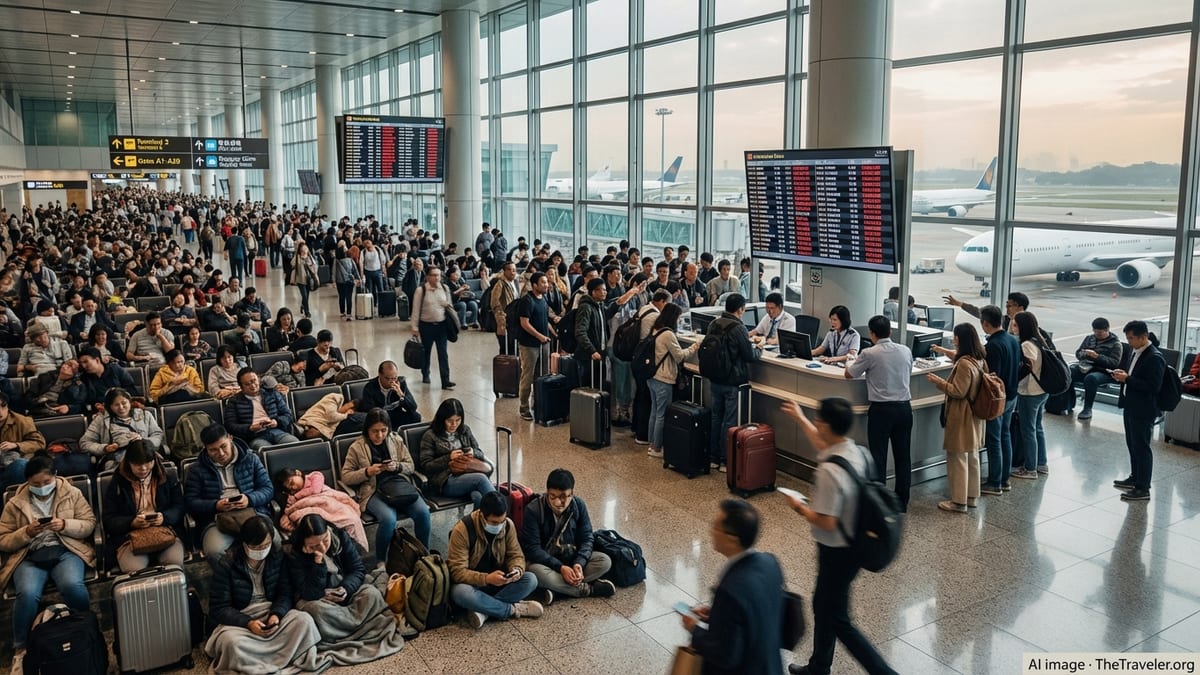
Reports from the region indicate that airspace closures and temporary suspensions of flights have already affected routes in and around the Gulf, as well as select Middle Eastern hubs that serve as major transit points for long-haul travel. Travelers are being advised to monitor airline communications closely and to factor the possibility of abrupt schedule changes, reroutings, or extended layovers into their plans.
Beyond formal war zones, certain countries in the broader region continue to carry high-level warnings due to persistent risks such as terrorism, kidnapping, or civil unrest. The worldwide advisory interacts with these preexisting alerts, reinforcing calls for Americans to consider whether travel to higher-risk destinations is essential and to adopt robust contingency planning if they decide to go.
Travel industry observers note that even destinations far from front-line conflict may feel indirect effects, ranging from heightened security screening and longer border waits to a more visible presence of armed forces at transport hubs. These measures, while intended to deter potential threats, can significantly alter the experience of international travel for U.S. citizens.
What the Worldwide Warning Means for Ordinary Travelers
For most Americans planning or undertaking trips abroad, the worldwide warning does not impose legal restrictions on movement but instead raises the baseline of caution that travelers are expected to exercise. Guidance shared through public channels emphasizes actions such as remaining aware of surroundings, avoiding demonstrations, and steering clear of locations that are closely associated with U.S. government or military activity when tensions are elevated.
Travelers are encouraged to review the specific Travel Advisory for each country on their itinerary, paying particular attention to sections addressing terrorism, civil unrest, crime, health risks, and transportation reliability. Even countries that remain in the lower tiers of the advisory system may see localized disruptions, including protests near embassies, security incidents in tourist districts, or heightened scrutiny at hotels and airports.
Publicly available materials also recommend that U.S. citizens consider enrolling in government-run alert systems before departure. These platforms distribute security updates, relay changes to local conditions, and provide information about the nearest embassy or consulate should emergencies arise. While such enrollment is voluntary, it is framed as a practical step for travelers who may be unfamiliar with the risk landscape of their destination.
Insurance and trip-planning experts suggest that the new warning is a reminder to reassess travel insurance coverage, including provisions for trip interruption, medical evacuation, and emergency assistance. Some policies may limit benefits in areas that carry “Do not travel” advisories, making it important for travelers to understand exclusions before committing to complex or high-cost itineraries.
Impact on Tourism, Airlines, and Global Mobility
The worldwide warning arrives during a period in which international tourism has been gradually recovering from past health-related disruptions and economic uncertainty. Travel data firms have been tracking a steady uptick in outbound U.S. travel, with many Americans returning to long-haul destinations and multi-country trips. The new advisory introduces a fresh layer of uncertainty that may lead some travelers to postpone or reroute their plans.
Tourism boards and industry analysts will be closely watching whether the warning triggers a measurable slowdown in bookings to regions perceived as higher risk. Previous global cautions, along with regional conflicts and security incidents, have often produced short-term dips in demand for certain destinations, even as travel to alternative, lower-risk markets increased.
Airlines operating major transcontinental routes may also face operational challenges as they respond to evolving risk assessments and airspace restrictions. Rerouted flights can lead to longer travel times and higher operating costs, while sudden closures of key hubs may force carriers to cancel or consolidate services at short notice. Such adjustments can ripple through international networks, affecting travelers who are far from any conflict zone but rely on affected airports for connections.
Analysts point out that global mobility has become more sensitive to geopolitical shocks, with travelers and businesses adjusting plans more quickly in response to security news. The current advisory reinforces a broader trend in which flexibility, real-time information, and contingency planning are central to managing cross-border travel.
Preparing for International Trips Under a Worldwide Warning
In practical terms, the worldwide travel warning encourages Americans to take a more deliberate approach to trip preparation. Recommendations drawn from public guidance stress the importance of sharing itineraries with trusted contacts, keeping copies of critical documents, and identifying local emergency numbers and nearby medical facilities before departure.
Travel planners advise that visitors should build extra time into connections, verify visa and entry requirements frequently, and be prepared for additional security screening at checkpoints. In some destinations, public information notes that authorities may restrict access to government buildings, diplomatic districts, or sensitive infrastructure areas in response to emerging security concerns, impacting common sightseeing routes and transportation links.
Staying informed during a trip is also a central theme of the advisory. Travelers are encouraged to follow local news, heed any security messages broadly distributed through official channels, and remain attentive to changing conditions near their lodging, workplace, or tourist sites. Many hotel chains and tour operators have developed their own protocols for communicating with guests about curfews, protests, or transportation disruptions.
While the language of the worldwide warning underscores a serious and evolving risk environment, it stops short of advising Americans to halt all international travel. Instead, it signals that journeys abroad during this period require elevated planning, caution, and flexibility. For travelers willing to adapt, the advisory serves as a framework for more informed decision-making as global tensions continue to shape where and how Americans move around the world.