


More news on this day
A United States based residential cruise ship marketed as an “endless” world voyage has abruptly suspended operations in Cambodia because of soaring fuel costs, stranding around 200 passengers who had treated the vessel as their full time home.
Get the latest news straight to your inbox!
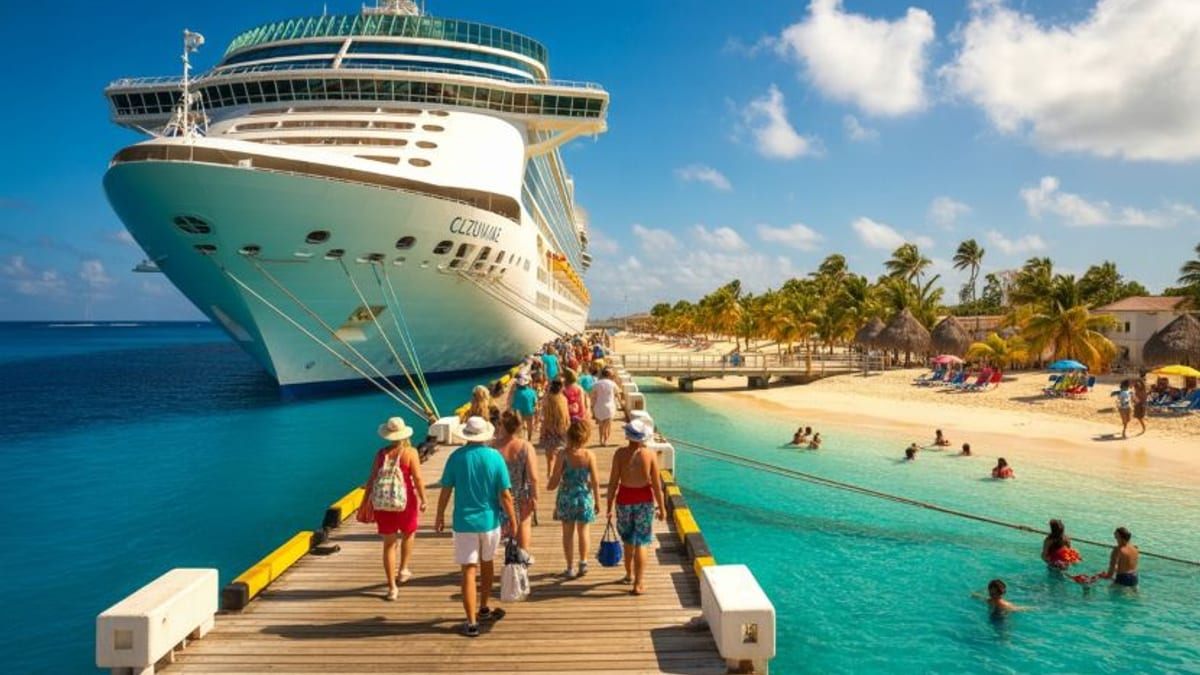
Residential “endless” cruise cut short in Sihanoukville
The Villa Vie Odyssey, operated by Florida based company Villa Vie Residences, halted its multi year global itinerary this week in the Cambodian port of Sihanoukville, according to published coverage from international news outlets. The ship had been promoted as a residential cruise, with passengers purchasing long term stays or “cruise for life” style packages that allowed them to live on board while circling the globe.
Reports indicate that the Odyssey’s current voyage began in October 2024 after a refit in Belfast and was designed to operate continuously for more than three years, visiting ports across the Pacific, Australia, and Asia before heading toward India later in 2026. Instead, residents were informed in late October that the ship would not continue beyond Cambodia and that they would need to disembark with their belongings.
Accounts compiled by major news organizations describe a sudden end to the journey, with notices delivered while the ship was alongside in Sihanoukville. Social media posts from passengers and maritime community forums further describe the Odyssey entering a form of lay up in Cambodia as the company evaluates its options.
Fuel costs surge as global energy markets tighten
Villa Vie Residences has cited an unprecedented jump in fuel prices as the primary reason for suspending the cruise. Company statements reproduced in multiple news reports state that monthly fuel expenses calculated on a per cabin basis rose from a historical average of about 1,800 dollars to an estimated 6,000 to 8,000 dollars in parts of Asia.
Those figures reflect a rise of more than 300 percent, coinciding with higher marine fuel prices in key bunkering hubs. Regional business media note that prices for marine gasoil and very low sulphur fuel oil in Singapore, one of the world’s main refueling centers, have climbed sharply during 2026 in the wake of wider disruptions to oil supplies and shipping.
Industry filings and risk disclosures from major cruise groups have long warned that sudden shifts in fuel costs can affect itineraries, capacity deployment, and financial results. The Odyssey case illustrates how those pressures can be magnified for a small residential operator whose business model depends on long range routing and relatively stable energy prices.
Passengers face abrupt housing and travel disruption
Approximately 200 residents are reported to be directly affected by the decision to end the voyage in Cambodia, though the ship’s full capacity is significantly higher. Many passengers had sold or rented out their homes on land and structured their lives around years at sea, making the sudden disembarkation not only a travel disruption but also a housing and lifestyle shock.
Cambodian officials quoted in regional coverage have described the group as stranded in the short term, though they emphasize that most passengers hold valid travel documents and are free to arrange onward journeys. Reports indicate that Villa Vie Residences is assisting with local accommodations and transportation within Cambodia but has not committed to funding international flights out of the country.
Travelers now face the task of securing near term lodging in Sihanoukville or other Cambodian cities, booking flights during a period of elevated airfares linked to the same fuel market volatility, and arranging storage or shipment of luggage and personal effects that had been intended to remain on board for years. Some passengers have begun sharing practical information about local hotels, visa requirements, and regional flight options through online communities dedicated to long term cruising.
Company considers restructuring and future plans
Public statements reproduced in maritime and business press suggest that Villa Vie Residences is exploring financial restructuring in response to the fuel cost spike. The suspension of operations in Cambodia is being framed as a temporary measure while the company evaluates how to adapt its business model, manage its debt, and potentially secure new investment.
The operator had previously publicized plans for a second residential vessel to enter service in 2029, but recent announcements about the Odyssey make little reference to that expansion. Analysts quoted in financial coverage note that sustained high fuel prices could challenge the viability of smaller residential cruise concepts that rely on moderate operating costs and stable long term booking revenue.
For now, the Odyssey is expected to remain in Cambodian waters while decisions are made about its future deployment. Options could include a prolonged lay up, a shift to shorter itineraries based out of a single region, or a sale to another operator. Any of those scenarios would likely require a different commercial approach than the “endless world cruise” concept originally marketed to residents.
What the suspension means for future residential cruises
The abrupt end of the Villa Vie Odyssey voyage is already prompting questions about the broader residential cruise niche, which ranges from ultra luxury ships with multi million dollar apartments to more accessible long stay offerings. Travel industry observers are assessing whether current energy prices and geopolitical risks are compatible with multi year, globe spanning itineraries built on fixed or semi fixed fees.
Existing cruise operators have tools such as fuel surcharges, itinerary changes, and capacity adjustments to manage cost swings, but residential models can be less flexible because residents expect stable daily life, reasonably predictable expenses, and long notice before major changes. The Odyssey experience may encourage future contracts to spell out fuel related risks, termination conditions, and contingency plans in greater detail.
For travelers considering long duration or residential style voyages, the events in Sihanoukville highlight several practical questions to ask before booking, including how operators hedge or pass through fuel costs, what protections exist in the event of an early voyage termination, and what support is offered if a ship ceases operations far from passengers’ home countries. As the global cruise industry continues to adjust to volatile fuel markets, these issues are likely to remain at the center of planning for both companies and their most committed guests.