


More news on this day
A new wave of United States travel advisories is rippling across the Caribbean and beyond, placing Saint Lucia alongside Turks and Caicos, Jamaica, Mexico and other destinations now under closer security scrutiny and tighter expectations around passports and border formalities.
Get the latest news straight to your inbox!
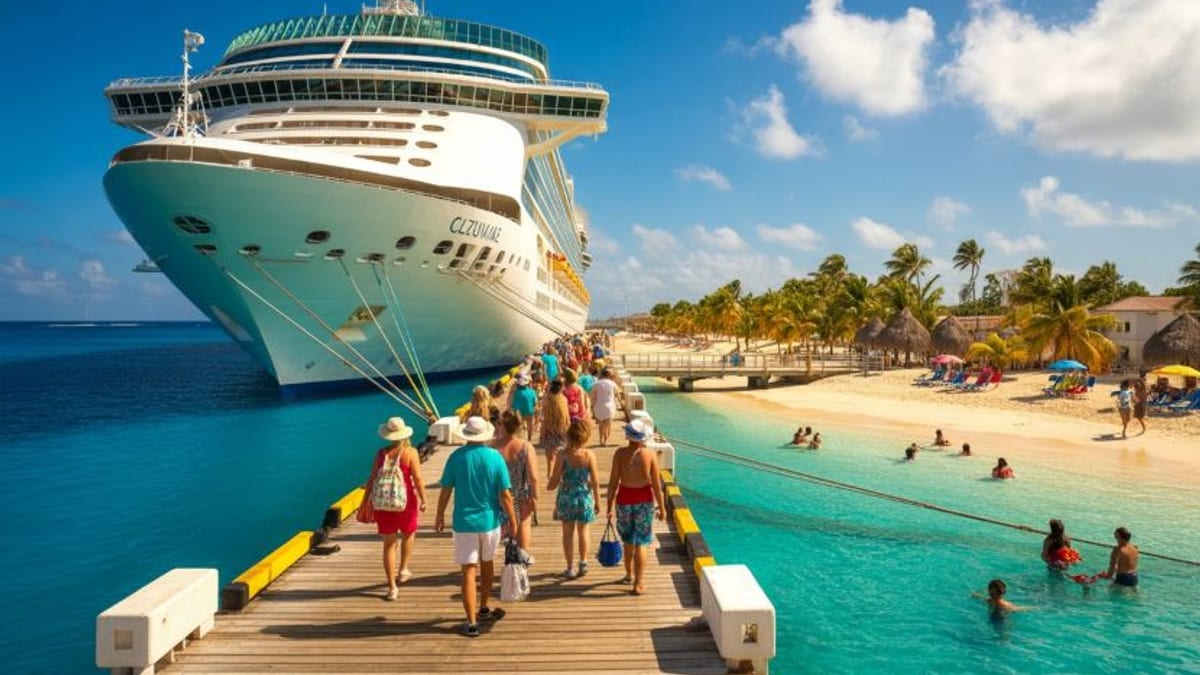
Saint Lucia Joins Higher-Risk List as Advisory Level Rises
Saint Lucia, traditionally marketed as one of the region’s more tranquil getaways, has been swept into the latest reshuffle of US travel guidance. Publicly available information shows that Washington recently raised the island to a Level 2 advisory, urging travelers to exercise increased caution due to crime. The move places Saint Lucia in the same broad risk band as several other Caribbean destinations where violent incidents, theft and opportunistic crime have challenged the image of carefree tourism.
Reports circulating among regional observers highlight that the revised language for Saint Lucia points to the potential for violent crime in tourism zones and residential areas, as well as concerns over police response times and investigative capacity. While the island continues to promote its beaches, luxury resorts and cruise offerings, the new advisory underscores the need for visitors to approach trip planning with more detailed attention to personal security and local conditions.
Local tourism voices have emphasized that most visits still take place without major incident, but the US classification shift is widely viewed as a symbolic turning point. Industry analysts note that moving from the lowest risk tier to a heightened caution level can influence consumer perception, insurance assessments and the decisions of tour operators weighing where to expand or consolidate capacity in coming seasons.
Travel specialists suggest that visitors headed to Saint Lucia now pay closer attention to resort security practices, transportation arrangements from airports and ports, and guidance from tour companies about neighborhoods or late‑night activities that may carry higher risk. The advisory update is also prompting a fresh look at how law enforcement resources are deployed in areas frequented by tourists.
Turks and Caicos, Jamaica and Mexico Under Intensified Security Spotlight
The latest US advisory activity does not stop at Saint Lucia. Turks and Caicos, already under a Level 2 advisory, remains on global watch lists because of concerns over violent crime, including armed robberies and homicides that have affected both residents and visitors. Travel safety summaries describe a pattern in which crime hot spots can sit close to popular resorts, prompting recommendations that travelers limit movements at night and rely on vetted transportation providers.
Jamaica’s advisory history over the past two years illustrates how quickly risk perceptions can shift. After a period in which the island was placed at Level 3, urging travelers to reconsider visits due to crime and strained medical services, more recent State Department updates have adjusted the classification while continuing to stress that violent crime is a concern across much of the country. Public reporting notes both improved national crime statistics and recurring flare‑ups in particular parishes, creating a patchwork risk map that is challenging for casual visitors to interpret.
Mexico remains one of the most closely monitored destinations in the Western Hemisphere, with a complex advisory that breaks risk down state by state. Nationally, the country is under a high‑level warning, reflecting widespread criminal activity and security operations against cartels and gangs. Some states popular with US tourists are subject to “do not travel” guidance, while others carry more moderate cautions, requiring travelers to study region‑specific advice rather than assume uniform conditions across resort corridors and interior cities.
Analysts point out that these evolving advisories come against a backdrop of persistent concerns over firearms trafficking, gang violence and local justice systems strained by caseloads and resources. For governments that depend heavily on tourism revenue, even incremental changes in advisory wording can affect bookings, cruise itineraries and investment decisions in hotels and infrastructure.
Border Controls, Passport Rules and Documentation Under Review
Alongside security concerns, US messaging has increasingly emphasized border procedures and documentation requirements for travelers heading to nearby countries. Recent public guidance reminds US citizens that valid passports are mandatory for air travel to and from Caribbean destinations, including Saint Lucia, Turks and Caicos, Jamaica and Mexico. In many cases, passports must remain valid for at least six months beyond the dates of travel, and contain sufficient blank pages for entry stamps.
Travel experts note that rising demand for international trips has strained passport processing systems, with some applicants facing extended wait times during peak seasons. This dynamic intersects with higher security advisories, as governments encourage travelers to register trips, monitor alerts and ensure that documents are in order well before departure. The emphasis on documentation also reflects stricter airline enforcement at check‑in counters, where incomplete paperwork can result in passengers being denied boarding long before they encounter foreign border officials.
Published guidance further highlights the need for travelers to understand local entry rules in the countries they plan to visit. Some island governments have introduced or expanded electronic travel authorization systems, tourism taxes collected on arrival or departure, and health or security questionnaires that must be completed online in advance. While these measures are often framed as tools for better border management and data collection, they also serve to screen travelers amid broader concern over cross‑border crime and migration pressures.
Observers say that as advisories become more detailed, responsibility shifts increasingly to individual travelers to verify requirements close to their departure date. Travel insurers, airlines and tour operators have begun to echo this message, urging customers to double‑check passport validity, visa rules and transit regulations, particularly when itineraries involve multiple stops around the Caribbean basin.
Regional Tourism Industry Balances Safety Messaging and Marketing
The wave of updated advisories presents a communications challenge for Caribbean destinations that rely heavily on visitors from the United States. Tourism boards in Saint Lucia, Turks and Caicos, Jamaica, Mexico and neighboring islands continue to promote beaches, cultural heritage and new resorts, but must now tailor messaging to acknowledge heightened security scrutiny without discouraging potential guests.
Industry analysts point out that the travel sector has become more accustomed to operating under layered advisories since the global health crisis earlier in the decade. Hotels and tour companies increasingly highlight safety protocols, surveillance, gated access and partnerships with local law enforcement as part of their marketing, presenting these features as value‑added assurances rather than deterrents. This approach is visible in promotional materials that showcase secure transportation, escorted excursions and destination‑wide safety campaigns.
At the same time, regional organizations continue to call attention to the relatively low rate of serious incidents affecting tourists compared with overall crime statistics. Public datasets frequently show that violent crime is concentrated in particular urban communities or within criminal networks, while resort zones maintain stronger security perimeters. Nonetheless, the optics of Level 2, Level 3 or higher advisories can overshadow these nuances in the minds of prospective travelers reading headline summaries.
Some analysts argue that the advisory landscape may eventually push destinations toward deeper regional cooperation on policing, information‑sharing and emergency response. Shared concerns over firearms trafficking, gang activity and border control could drive joint initiatives that aim to improve security outcomes and, in turn, strengthen the case for more favorable future advisory revisions.
What Travelers Should Watch in the Months Ahead
Looking forward, travel risk specialists expect continued volatility in how the United States categorizes destinations in the Caribbean and surrounding region. Crime trends, major investigations, high‑profile incidents and domestic political debates in both sending and receiving countries are all factors that can influence advisory language. Saint Lucia’s recent elevation to a higher caution level illustrates how quickly a country’s status can change when new assessments are published.
For would‑be visitors, the practical impact will depend on personal risk tolerance and the willingness to engage in more detailed preparation. Specialists recommend that travelers consult official advisories for each stop on their itinerary, review their insurance coverage for medical and security incidents, and pay close attention to any restrictions on movement that might affect excursions or independent exploration.
Observers also note that airlines and cruise lines may adjust routes or schedules in response to persistent high‑level warnings, concentrating capacity in destinations where the advisory picture is comparatively stable. This could reshape regional tourism flows, with some islands benefiting from diverted traffic while others work to address security concerns and lobby for improved ratings.
As Saint Lucia, Turks and Caicos, Jamaica, Mexico and other destinations respond to the latest wave of US advisories, the balance between visitor safety, national reputation and economic reliance on tourism remains delicate. Travelers intent on experiencing the region’s beaches and culture are being nudged toward a more informed, document‑ready and security‑aware approach to Caribbean holidays.