


More news on this day
The United States is urging its citizens to carefully reconsider travel to much of the Middle East after a series of heightened security messages and upgraded travel advisories highlighted what officials describe in public materials as a rapidly evolving risk environment across the region.
Get the latest news straight to your inbox!
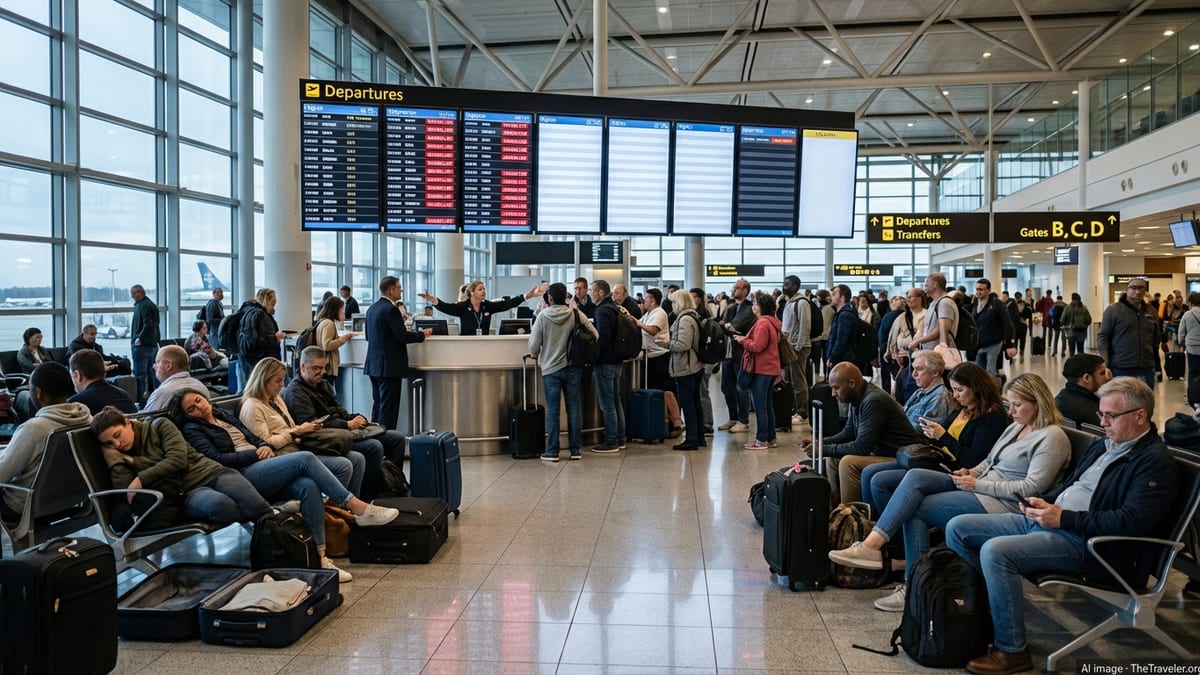
Regional security alerts underscore rising tensions
A rare regionwide security alert issued in early June 2026 urged Americans across the Middle East to exercise increased caution and be prepared to shelter in place if needed. Publicly available information on the alert described a “potential for hostilities” and reminded U.S. citizens that the security situation could change with little warning.
This regional warning built on a worldwide caution notice from March 22, 2026, which advised Americans everywhere, and particularly those in the Middle East, to review their personal security plans and remain alert to the risk of terrorism, unrest, and retaliatory attacks. The worldwide message emphasized that travelers should follow the latest embassy and consulate security alerts for the countries they plan to visit or transit.
Taken together, these notices represent one of the strongest recent signals from Washington that nonessential travel to many Middle Eastern destinations carries elevated risk. They point to the ongoing conflict involving Iran and regional armed groups, as well as the potential for spillover incidents that could affect commercial centers, tourist hubs, and major transportation corridors.
The alerts also stress that commercial flight options, regional airspace availability, and access to ports and land crossings may be disrupted at short notice, creating challenges for travelers trying to leave during a fast-moving crisis.
Multiple Middle East destinations at “Reconsider Travel” level
Country-level advisories across the Middle East now show a concentration of Level 3 “Reconsider Travel” and Level 4 “Do Not Travel” ratings. Public advisory pages for Bahrain, Kuwait, Qatar, Saudi Arabia, the United Arab Emirates, Israel and the West Bank, and Jordan all carry Level 3 warnings that urge Americans to avoid nonessential trips because of the heightened threat environment and limited options for emergency assistance.
Separate notices for conflict zones such as Iran, Iraq, Lebanon, Syria, Yemen, and Gaza maintain Level 4 “Do Not Travel” advisories. These warn that active hostilities, terrorism, and civil unrest, combined with severely constrained consular access, make travel by private U.S. citizens to those locations extremely hazardous.
Recent updates have gone further in some places, with publicly available advisories noting the ordered departure of nonemergency U.S. government personnel and family members from Bahrain, Kuwait, Saudi Arabia, and the United Arab Emirates in March 2026. Such measures typically signal concerns about the ability to protect staff and deliver routine services if the situation deteriorates.
Travel guidance documents also highlight that even in countries where popular destinations remain physically distant from front lines, the risk of missile or drone attacks, disruptive cyber incidents, and demonstrations targeting Western interests has increased, raising the stakes for tourism and business trips alike.
What “reconsider travel” means for American travelers
Background materials from the State Department explain that a Level 3 “Reconsider Travel” advisory reflects a significantly higher level of risk compared with routine travel conditions. While it stops short of an outright prohibition, the designation is intended to prompt travelers to postpone or avoid nonessential visits and to weigh carefully whether specific trips are worth the potential dangers.
Under this framework, Americans are encouraged to think through worst-case scenarios before departure, including the possibility that airports could close, airlines could cancel flights, and local authorities could impose curfews or movement restrictions. Official guidance notes that in serious crises, the U.S. government may have very limited ability to provide evacuation or on-the-ground support.
The advisory system also distinguishes between overall country ratings and higher-risk areas within a country. In the Middle East, this often means that border regions, conflict-adjacent provinces, or specific cities may carry stricter guidance than the national advisory level, complicating overland itineraries and multi-country journeys that rely on road or ferry crossings.
For frequent travelers, including dual nationals, business visitors, and expatriates, the latest messaging serves as a reminder to maintain valid travel documents, keep emergency funds accessible, and have an exit plan that does not depend solely on government-organized transport.
Practical implications for tourism, business, and air travel
The more restrictive security posture is already influencing travel decisions across the region. Industry observers note that some tour operators are adjusting itineraries to avoid higher-risk areas, while others have paused group departures to destinations that shifted to Level 3 or Level 4 in recent months. Business travelers are also reassessing nonessential site visits and conferences in cities that were previously marketed as safe regional hubs.
Air travel remains possible to many Middle Eastern gateways, but publicly available advisories reference aviation notices urging U.S. air carriers to exercise caution in certain airspaces. This has raised the likelihood of rerouted flights, longer travel times, and short-notice schedule changes, especially on routes passing near areas of active conflict.
Travel insurance providers are closely scrutinizing the evolving advisories as well. Policies that exclude coverage for war, terrorism, or government warnings may limit reimbursement options if travelers choose to proceed despite the heightened risk levels, leaving some visitors exposed to substantial out-of-pocket expenses should plans unravel.
Major hospitality destinations that depend heavily on international tourism, including Gulf city-states and Red Sea resorts, are monitoring demand shifts as travelers weigh alternative options in Europe, Asia, and the Americas in search of more predictable security conditions.
Guidance for Americans still planning Middle East trips
For U.S. citizens who decide to travel to the region despite the new warnings, official materials emphasize preparation and situational awareness. Travelers are urged to review the full text of the relevant country advisories, sign up for security updates through government-run enrollment systems, and share detailed itineraries with family or trusted contacts at home.
Recommendations also include avoiding large gatherings, keeping a low profile, and regularly monitoring reputable news outlets for changes in the regional security climate. Visitors are advised to identify shelter locations and multiple exit routes from accommodations and workplaces in case demonstrations, missile alerts, or sudden clashes affect their vicinity.
Americans already residing in Middle Eastern countries are being encouraged in public guidance to reassess their personal risk tolerance, stock essential supplies, and verify that they have access to necessary medications and important documents if rapid relocation becomes necessary.
While the latest advisories stop short of a blanket ban on travel, the overall message is clear: in a region where tensions remain high and the possibility of escalation is real, U.S. citizens are being strongly urged to think twice before committing to discretionary trips and to approach any essential travel with heightened caution and robust contingency planning.