


More news on this day
Families heading abroad this year are being urged to double check their passports and travel documents after new warnings that simple mistakes could see children and parents turned away at the airport.
Get the latest news straight to your inbox!
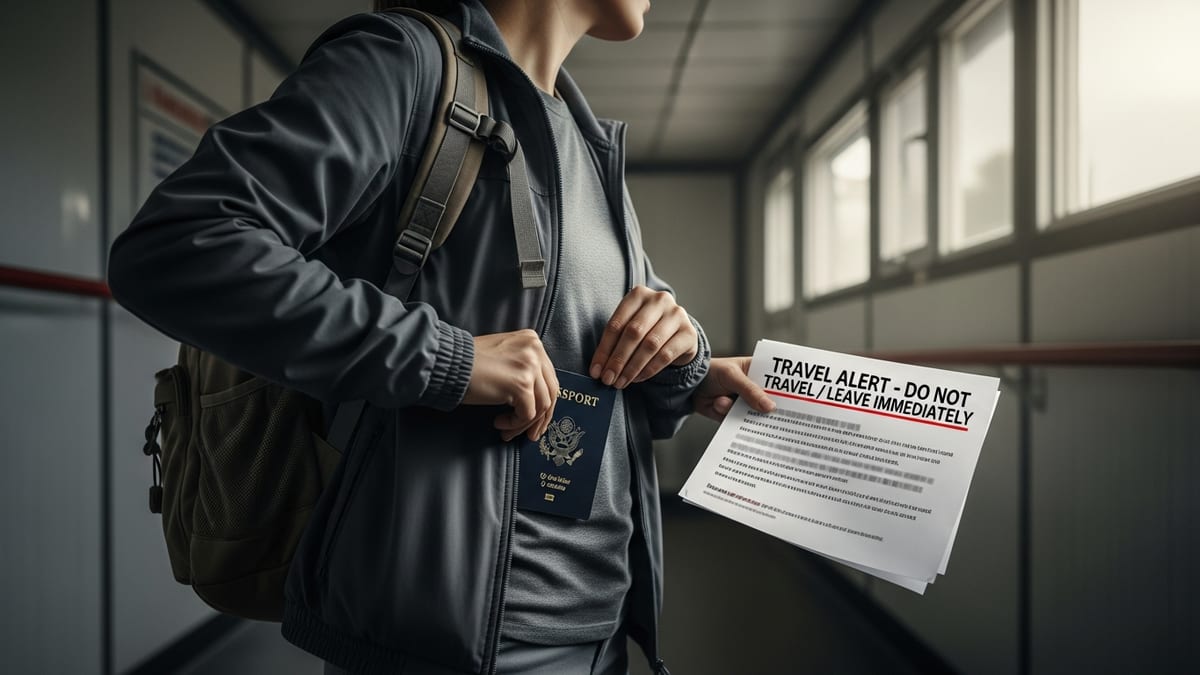
Expiry rules catch out families at the boarding gate
Reports from airlines and travel forums indicate that one of the most common reasons families are denied boarding is a misunderstanding of passport validity rules. Many destinations require passports to be valid for several months beyond the date of return, and some regions also apply a strict limit on how old a passport can be from the date of issue.
In Europe, for example, several outlets have highlighted that travelers may be refused boarding if a passport is more than 10 years old on the day of entry, even if the printed expiry date suggests it is still valid. Parents who renewed passports early in the past and gained extra months are particularly at risk of miscalculating whether a document is still acceptable.
Travel specialists note that families are often caught off guard because online booking systems typically confirm reservations without checking passport details. Problems only surface at airport check in, leaving little or no opportunity to correct the issue and forcing some groups to travel without one member or cancel entirely.
Consumer advice pieces now routinely recommend treating the passport as the very first item to check when planning a family holiday, long before flights, accommodation or attraction tickets are purchased.
Delays and backlogs put summer trips at risk
Recent coverage in the United States, the United Kingdom and parts of Europe points to continued pressure on passport offices during peak travel seasons. Seasonal surges ahead of summer school holidays and year end breaks have led to longer processing times, with applications sometimes taking several weeks or months to complete.
Lawmakers and consumer advocates have raised concerns that families with fixed departure dates are particularly exposed. In some cases, parents report submitting applications well in advance, only to find that processing delays stretch so close to departure that they face the choice of postponing or traveling without all members of the group.
Travel experts advise that first time child passports and renewals for minors should be treated as time critical documents and submitted far earlier than the official minimum guidance. Some industry commentary suggests aiming for at least six months lead time where possible, especially in years with high demand for international travel.
Expedited and emergency services may be available in some countries, but these often require in person appointments and can carry significant additional fees, costs that can quickly add to the expense of a family holiday.
Children’s documentation rules create extra hurdles
Families are also being warned about specific documentation rules that apply to children, which can differ from those for adults. Published guidance from government travel portals notes that some destinations require notarized consent letters from the non traveling parent when a child travels with only one guardian, while others may ask for proof of custody or additional identification.
Cases shared in travel communities show that a lack of the correct paperwork can lead to extended questioning at border control or, in more serious situations, refusal of entry. Officials in several countries have emphasized the need to prevent child abduction, and this has resulted in stricter checks on minors crossing borders.
For separated or divorced parents, disagreements over providing a child’s passport or consent documents can further complicate travel plans. Legal commentators point out that while court orders may permit foreign travel, practical access to the physical passport and supporting paperwork is still required and can become a last minute obstacle.
Travel advisers recommend that parents planning trips with children confirm all entry and exit requirements directly from official government travel resources and gather any consent letters or supporting documents well before departure.
Lost, cancelled and reported passports can invalidate travel
Another emerging issue highlighted in recent travel coverage involves passports that have been reported lost or stolen and later recovered. Once a passport is officially reported missing, it is typically invalidated in border control systems, even if the traveler subsequently finds the document in their home or luggage.
There have been documented cases of travelers proceeding with a trip using a recovered passport, only to discover mid journey that the document had been electronically canceled. Some consumer reports describe individuals being detained or delayed when attempting to board connecting flights or re enter their home country because their passport status no longer matched the physical document they carried.
Travel experts caution that families should never attempt to travel on a passport that might have been reported lost or stolen. Instead, they are advised to confirm the status of the document with the issuing authority and apply for a replacement if necessary, even if it means altering travel dates.
Parents are also encouraged to keep secure digital and paper records of passport numbers and issue dates, as these details can speed up replacement processes if documents genuinely go missing shortly before a planned holiday.
Practical steps families can take before they book
Specialists in family travel suggest a series of practical checks to avoid disappointment at the departure gate. First, parents should verify the issue and expiry dates of every passport in the household, ensuring that each one meets both the destination country’s minimum validity rules and any regional requirements on passport age.
Second, families are advised to monitor official government guidance on processing times and renew passports well in advance of key school holiday periods. If travel is time sensitive, such as for weddings or reunions, advisers recommend factoring the potential cost of expedited services into the overall holiday budget.
Third, parents traveling alone with children should review any consent, custody or documentation rules published by both their home country and the destination. This includes understanding whether notarized consent letters, long form birth certificates or additional identification will be required at check in or at the border.
Finally, travel experts remind families that passport rules can change with relatively short notice. They recommend checking for the latest information shortly before travel, even if a trip was booked months earlier, to ensure that everyone has the right documents in hand when the holiday begins.