


More news on this day
In 2026, a growing body of public reports and official advisories indicates that tourists in several of the world’s most visited destinations are facing more organized and coercive fraud, with syndicates in Egypt, France, Thailand, Spain, and India using intimidation, false accusations, and sophisticated online traps to separate travelers from their money.
Get the latest news straight to your inbox!
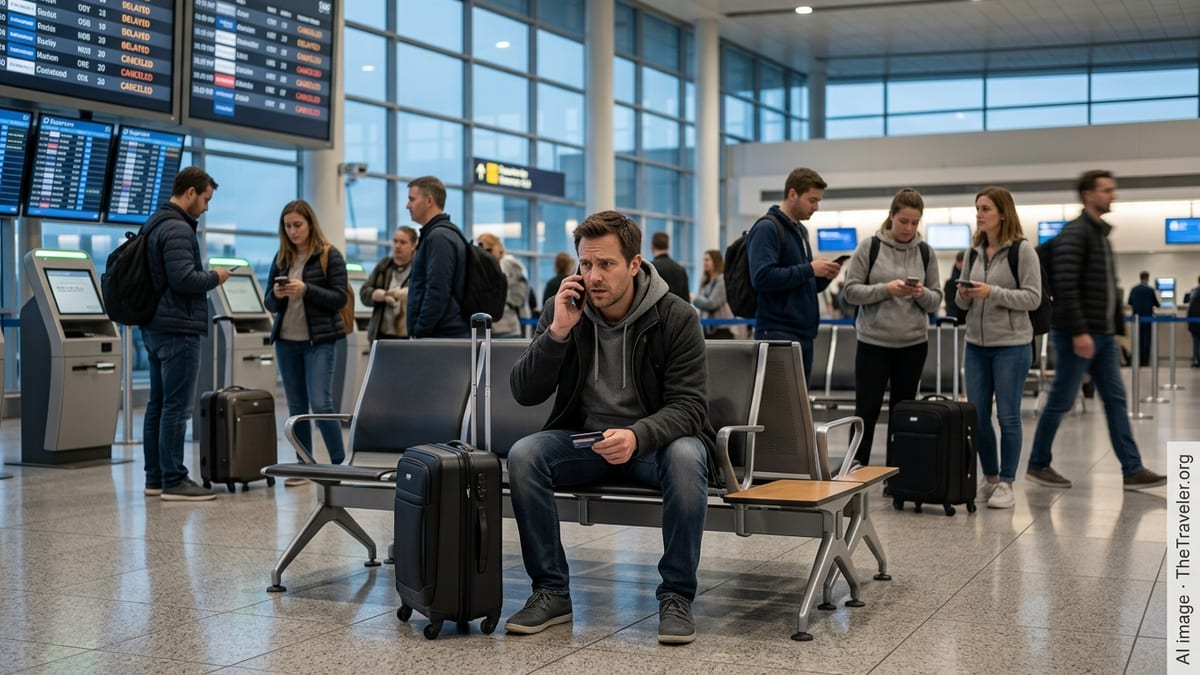
From Petty Rip-Offs to Coercive Schemes
Recent coverage and government briefings in 2026 suggest that long-familiar tourist scams are evolving into more coordinated operations that rely less on quick distraction and more on psychological pressure. In many destinations, fraud now hinges on coercion, such as threats of police involvement, demands for on-the-spot payments, or engineered situations in which visitors feel they have no safe way to refuse.
Analysts tracking global fraud trends describe a shift from opportunistic street-level hustles to networks that blend in-person encounters with digital manipulation. Travelers may first be targeted through misleading visa or ticket websites, deceptive booking platforms, or social media promotions, and later confronted in person by individuals who claim authority or local influence. This pattern is being documented with increasing frequency across popular tourism markets.
While the financial loss per incident can vary from small cash payments to large transfers, the common thread is the use of fear. Tourists, often unfamiliar with local law and language, report feeling pressured to comply quickly to avoid supposed legal trouble, missed flights, or personal danger. Publicly available data from consumer agencies and cybercrime units indicates that such coercive scenarios are now a key feature of travel-related fraud worldwide.
Officials in multiple countries have launched public information campaigns and crackdowns targeting these operations. However, consumer protection reports emphasize that syndicates are quick to adapt, shifting tactics and exploiting gaps between traditional tourism regulation and fast-changing online behavior.
Egypt and France: Hard-Sell Tactics and Digital Traps
In Egypt, long-standing concerns about aggressive sales practices around major archaeological sites have been amplified by a newer wave of digital fraud. Travel community moderators and regional media in early 2026 describe concerted efforts by anonymous online accounts to steer visitors toward particular transport, excursion, and “fixer” services, sometimes by spreading misleading visa information or disparaging legitimate channels. Once on the ground, tourists who follow such advice can find themselves funneled into hard-sell environments where they feel compelled to buy tours, souvenirs, or add-on services at inflated prices.
Reports from travelers indicate that some encounters escalate beyond typical hassles, with visitors allegedly told that they have broken local rules or used the “wrong” provider and must pay an immediate fee to avoid complications. Although published guidance from embassies and travel organizations continues to frame Egypt as a rewarding destination, it increasingly urges visitors to rely only on clearly identified ticket offices and to treat unsolicited help with care, particularly when it is tied to payment or document handling.
In France, tourist-facing fraud has traditionally centered on distraction and pickpocketing in major cities, but current advisories and consumer information now highlight more structured scams that begin online. French public portals updated in 2026 warn about phishing and “vishing” schemes that impersonate banks, transport companies, and ticket vendors, luring both residents and visitors into revealing card details or authorizing large payments. Such schemes have been linked to demands for immediate transfers under the pretext of fines, security deposits, or alleged irregularities in reservations.
French diplomatic and consumer-protection guidance also underlines the risks posed by messages claiming to come from relatives or acquaintances in distress, including travelers supposedly detained abroad or facing urgent legal trouble. People are urged to verify identities through trusted channels before sending money, reflecting rising awareness that fraud networks increasingly blend digital impersonation with narratives tied to tourism and cross-border travel.
Thailand and Spain: Island Mafias, Virtual Kidnappings, and Street-Level Extortion
Thailand has become a focal point in 2026 for both tourism promotion and anti-fraud enforcement. Official statements this year outline a nationwide drive to improve safety standards at resorts, clamp down on “nominee” businesses that front for foreign-controlled networks, and disrupt transnational crime groups operating around tourist hubs. Crackdowns reported on Thai government and regional news sites describe inspections of shops, hotels, and transport services on popular islands, with an explicit aim of dismantling mafia-style control and coercive practices toward visitors.
Beyond business regulation, Thailand has confronted highly publicized scam scenarios that use fear and isolation to control victims. A June 2026 bulletin from the national tourism authority described a cross-border “virtual kidnapping” case in which a foreign student was manipulated into staging her own abduction after receiving instructions from fraudsters posing as officials. Public information stresses that such scams typically rely on threats, orders to cut off contact with family, and demands for large ransom-like transfers executed under intense psychological pressure.
Parallel to these sophisticated schemes, travelers’ accounts on public forums in 2026 describe allegedly fabricated theft accusations, inflated damage claims against tourists using rental vehicles or jet skis, and demands for on-the-spot settlements that sometimes involve local intermediaries. These patterns echo earlier reports of gem and tuk-tuk scams but appear, in some cases, to involve closer coordination and a willingness to invoke police or legal language to force payment.
In Spain, current press coverage and police bulletins continue to flag classic tourist fraud, including unauthorized “helpers” at ATMs, staged spills or distractions, and unlicensed guides. However, some of the more troubling recent cases described in Spanish and international media involve so-called “floor cleaners” or street vendors who initiate minor confrontations that escalate into claims of damage or injury. Tourists are then confronted by associates of the original scammer who lean on the threat of official complaints, encouraging immediate cash compensation to avoid supposed legal consequences.
India’s Evolving Tourist Fraud Landscape
India’s sprawling domestic and inbound tourism market has long been accompanied by a spectrum of travel fraud, from fake ticket offices to overcharging by intermediaries. Recent alerts from cybercrime coordination centers, including a 2025 advisory that remains relevant in 2026, describe online booking scams impersonating religious institutions and tourist services. These scams target both pilgrims and leisure travelers, offering discounted rooms or packages near major shrines and attractions, then disappearing once payment is made.
Publicly available reports indicate that some operations have grown more coercive, using repeated calls, threats of cancellation fees, or warnings that access to religious events or visas will be “blocked” unless additional payments are made. In several documented cases, tourists who share identity documents or bank details as part of booking processes later report unauthorized transactions and attempts to use their credentials for further fraud.
Within major Indian cities and transit hubs, local media and traveler testimonies continue to describe pressure-based scams linked to unregistered tour offices and transport brokers. Visitors arriving at airports or train stations may be intercepted by touts claiming that their hotel has closed, that a festival or protest makes their original plans impossible, or that new rules require an “approval slip” or “tourist registration fee.” These narratives are often accompanied by insistent offers to “solve the problem” for an immediate cash payment or card charge.
Consumer advocates in India emphasize that the sheer scale of the market creates space for both legitimate operators and predatory schemes. They encourage tourists to confirm bookings directly with hotels and official portals, avoid handing over original passports or cards to intermediaries, and use recognized complaint channels when confronted with sudden, unexplained fees or threats.
Global Responses and What 2026 Signals for Travelers
The patterns emerging in 2026 across Egypt, France, Thailand, Spain, and India point to a broader convergence between street-level fraud and organized cybercrime. Policy reports on scam centers in Southeast Asia describe large networks that recruit or coerce workers, run multilingual call operations, and experiment rapidly with new scripts designed to pressure targets into fast decisions. Travel-related stories, whether about visas, arrests, or emergencies, are increasingly embedded in these scripts because they provide plausible reasons for cross-border payments and silence.
At the same time, governments and international partners are broadening their response. Collaborative initiatives between technology firms, financial institutions, and law-enforcement coalitions announced in 2026 highlight joint efforts to disrupt scam infrastructure, share data on suspicious transactions, and shut down fraudulent websites or social media campaigns. National tourism bodies, particularly in high-volume destinations like Thailand, are pairing safety certifications and quality labels with hotline services for victims of trafficking, coercion, or extortion.
Travel risk experts note that, despite the rise in reported fraud, most trips to these destinations proceed without incident. However, they also stress that the burden of vigilance is increasingly shared between institutions and individuals. Tourists are urged to treat any demand for instant payment, particularly under threat or without written documentation, as a warning sign, and to verify identities and rules through independent, official channels rather than links received by message.
For 2026, the overarching message from consumer agencies and public reports is not to avoid these countries, but to recognize that organized fraud networks see tourists as attractive targets and are refining coercive tactics at scale. Understanding how these schemes operate, and planning in advance for how to respond, is emerging as a key part of modern travel preparation, on par with checking entry rules or health requirements.