


Istanbul’s Asian side often feels like a bonus level that many visitors never quite reach. Those who do usually land in one of two hubs: historic, mosque-dotted Üsküdar or lively, food-and-nightlife focused Kadıköy. Both sit directly on the water with easy ferry links to the European side, yet they offer very different experiences. This guide compares them side by side so you can decide which neighborhood fits your trip and how to make the most of each.
Get the latest updates straight to your inbox!
Üsküdar vs Kadıköy at a Glance
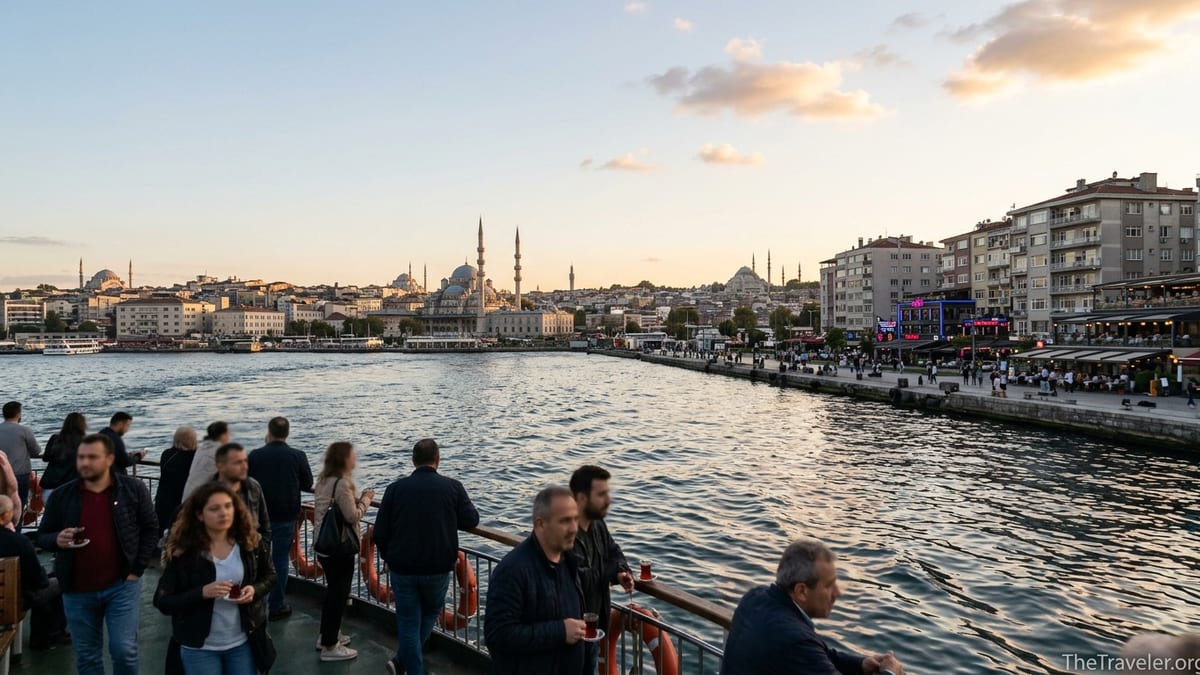
If you picture Istanbul’s Asian side as a map, Üsküdar and Kadıköy are like two neighboring bays facing the historic peninsula. Üsküdar is the quieter of the two: a conservative-leaning district with skyline-defining mosques, tea gardens, and classic Bosphorus views. You are more likely to hear the call to prayer than club music here, and evenings revolve around strolling the promenade or watching the sun sink behind the Maiden’s Tower.
Kadıköy, by contrast, feels like Istanbul’s cool little sister. Around its ferry terminal and the neighborhoods of Moda and Yeldeğirmeni, you will find dense food streets, third-wave coffee shops, record stores, and bar-lined lanes such as Kadife Sokak. It is young, energetic, and busy late into the night, with a scene that locals describe as more “lived in” than tourist-oriented.
For a short visit, Üsküdar suits travelers who prioritize views, traditional streetscapes, and easy access to mosques and quiet Bosphorus villages. Kadıköy is ideal if you care more about eating, café-hopping, and bar-hopping in an area where most people around you are locals or domestic visitors. Many travelers ultimately sample both, but if you need to pick a base, understanding what your days and nights will actually look like in each neighborhood is key.
In practical terms, both areas are well connected to the rest of Istanbul through a mix of ferries, metro lines, Marmaray commuter trains, and buses. Prices for mid-range meals and hotels are broadly similar, though Kadıköy has a wider range at the budget and hip boutique end, while Üsküdar leans slightly more residential and family-oriented. The following sections break down how this plays out on the ground.
Atmosphere, Culture, and Everyday Vibe
Üsküdar’s character is shaped by centuries of Ottoman history and religious architecture. Around Üsküdar Square, you are ringed by mosques like Mihrimah Sultan and Şemsi Paşa, small traditional bakeries, and pastry shops selling simit and börek. Many women wear headscarves, and families congregate along the waterfront with picnic bags and takeaway tea. Nightlife is low-key: think tea gardens and dessert cafés rather than pubs and clubs.
Wander a bit north to neighborhoods such as Kuzguncuk and Çengelköy and you will feel like you have stepped into a small coastal town. Kuzguncuk’s main street mixes old wooden houses with art galleries and cozy cafés, while Çengelköy is known among locals for classic Turkish breakfasts at waterside spots where plates of olives, cheeses, honey, and menemen appear in generous spreads. These areas appeal if your ideal evening is a slow dinner by the water followed by a quiet walk instead of a bar crawl.
Kadıköy’s center, on the other hand, hums from late morning until well after midnight. The market streets behind the main ferry terminal are packed with produce stalls, fishmongers, spice shops, and meyhanes serving rakı and meze. Around Bahariye Street and into Moda, you will pass tattoo studios, vintage shops, vegan cafés, and dessert bars. The crowd skews younger and more bohemian, and street art is part of the urban fabric, especially in Yeldeğirmeni.
At night, Kadife Sokak and its side streets turn into one of Istanbul’s most popular bar districts, with music spilling out of venues and people standing outside drinking beer purchased from nearby liquor stores. This does mean more noise, particularly on weekends, but it also creates an atmosphere where it is easy to hop from a craft beer bar to a live music venue without using transport. If you prefer to feel right in the middle of things, Kadıköy has the stronger pull.
Ferries, Transport, and Getting Around the City
Both Üsküdar and Kadıköy are anchored by busy ferry piers, and for many visitors these slow crossings are as memorable as any monument. From Üsküdar’s main pier, you can take frequent ferries to Eminönü, Karaköy, and Beşiktaş. The crossing to Eminönü, near the Spice Bazaar, typically takes around 15 minutes and runs throughout the day, with services more limited late at night. Because Üsküdar sits almost directly opposite the historic peninsula, the skyline views during the ride, especially at sunset, are spectacular.
Üsküdar is also one of the best-connected transport hubs on the Asian side. It sits on the Marmaray line, the commuter rail that tunnels under the Bosphorus to Sirkeci and further to the western suburbs. It is connected to the M5 metro line, which runs inland to neighborhoods like Ümraniye and Çekmeköy, and it offers easy transfers to buses heading along the Bosphorus coast toward Beylerbeyi and beyond. For travelers planning lots of cross-city trips to Sultanahmet or Galata, the combination of ferries and Marmaray makes Üsküdar a reliable base.
Kadıköy’s ferry network is equally useful, with regular crossings to Karaköy, Eminönü, and Beşiktaş from its cluster of piers. Many visitors use the Kadıköy to Karaköy ferry as their default route to reach Galata, while the Beşiktaş line is popular with commuters. Kadıköy is also the starting point of the M4 metro line, which runs southeast past airport-bound Marmaray connections, and it is linked to bus and minibus routes that spread out through the Asian side and toward the coastal zone around Bağdat Avenue.
In day-to-day terms, Kadıköy feels slightly more central if you are focusing on the Asian side itself, thanks to its dense web of buses and minibuses, while Üsküdar’s advantage lies in its direct undersea rail link and proximity by ferry to the historic peninsula. Traffic can be heavy around both squares in rush hours, so it is often faster to walk or use the metro for short hops rather than take a taxi through congestion.
Where to Stay: Hotels and Neighborhood Bases
The hotel mix in Üsküdar is more discreet than on the European side but growing steadily. Around Üsküdar Square you will find a handful of mid-range hotels and apart-hotels that primarily cater to domestic visitors and pilgrims visiting major mosques. These properties often offer simple, clean rooms with breakfast included, at prices that can be competitive compared to tourist-heavy Sultanahmet, particularly outside peak summer and holiday periods.
For a more atmospheric stay, many travelers gravitate toward boutique-style guesthouses and small hotels in Kuzguncuk and Çengelköy or in hillside residential areas overlooking the Bosphorus. Here, you might find renovated wooden houses converted into pensions, with rooms that have partial sea views and narrow streets just outside your door. These options work well if you plan relaxed days on the Asian side or want a quieter base after busy sightseeing trips across the water.
Kadıköy offers a broader range of accommodation, from budget hostels near the ferry terminal to design-forward boutique hotels in Moda. Shared dorm beds can be found for lower prices than equivalent hostels around Taksim, and basic budget hotels cater to backpackers and younger travelers who care more about location than amenities. Many mid-range hotels cluster between the ferry piers and the main market streets, putting guests within a few minutes’ walk of both transport and nightlife.
Moda, perched on a small peninsula a short walk or tram ride from central Kadıköy, has become a favorite area for visitors seeking a neighborhood feel. Here you will find stylish small hotels and serviced apartments on tree-lined streets leading down to the waterfront park. Staying in Moda means you can wake up near the sea, have breakfast at one of the area’s café-bakeries, and still walk back to Kadıköy’s main transport hub in 10 to 15 minutes.
Food, Cafés, and Local Specialties
Food is where Kadıköy really shines. The market district behind the ferry terminal is one of Istanbul’s best places to graze your way through Turkish cuisine in a compact area. Around the fish market you can sit down for meze and grilled seafood, snack on mussels stuffed with spiced rice, or order fried mussel sandwiches from takeaway counters. Down side streets, traditional lokantas serve home-style stews and vegetable dishes from steam tables at lunch, while more contemporary eateries showcase regional cuisines from across Turkey.
Visitors often gravitate toward long-established spots that have become local institutions, alongside newer cafes offering specialty coffee, vegan menus, and inventive desserts. Around Bahariye Street and Moda, independent cafés line the sidewalks, making it easy to plan a day that alternates between walking, coffee breaks, and street food stops. Prices range from inexpensive self-service kitchens to mid-range dining rooms where a full meal of meze, mains, and drinks is still often moderate by Western European standards, though costs have risen in recent years.
Üsküdar’s food scene is quieter but rewarding if you know where to look. Around the main square you will find classic pastry shops selling baklava and kanafeh, simple pide salons, and kebab houses geared toward local office workers. Tea gardens along the waterfront serve simit and small snacks alongside tulip-shaped glasses of tea, especially around the popular seating areas that face the Maiden’s Tower.
Venture north and food becomes part of the Bosphorus village experience. Çengelköy is famous among Istanbul residents for substantial Turkish breakfasts served in gardens and by the water, where tables fill with small plates of cheese, olives, eggs, jams, and freshly baked bread. In Kuzguncuk, compact restaurants and neighborhood cafés specialize in dishes that reflect the area’s layered history, from Turkish home cooking to lighter, seasonal plates. While Üsküdar does not have the same density of trendy venues as Kadıköy, it is an excellent place to eat like a local, especially in the morning and daytime.
Nightlife, Evenings, and Views
When the sun goes down, the differences between Üsküdar and Kadıköy become sharpest. Kadıköy is one of Istanbul’s most important nightlife districts, especially for people who prefer a more local, less tourist-targeted scene than around Taksim. Kadife Sokak, often nicknamed “bar street,” and its neighboring lanes are lined with bars pouring Turkish craft beers, wine, and cocktails, as well as live music venues hosting rock, jazz, and DJ sets. On a weekend night, the sidewalks fill with people standing outside bars, chatting with drinks in hand.
If you prefer something quieter, the broader Kadıköy and Moda area offers gentler options: neighborhood wine bars, dessert cafés, and seaside tea gardens where locals bring takeaway snacks to enjoy on the grass. The coastal park in Moda, with its unobstructed views across the Sea of Marmara, is a favorite sunset spot, often dotted with groups sharing picnic-style dinners or ordering delivery from nearby eateries via mobile apps.
Üsküdar, by contrast, is more about views than venues in the evening. The waterfront promenade between Üsküdar Square and the Maiden’s Tower remains busy around sunset, as people gather on the low sea walls to watch ferries cross in front of the Old City skyline. Vendors sell roasted chestnuts in cooler months and corn in summer, while tea sellers circulate with trays of small glasses. After dark, the area settles down earlier than Kadıköy, with many cafés closing by late evening outside peak seasons.
There are, however, some compelling after-dusk experiences around Üsküdar. The illuminated silhouettes of its mosques, the reflection of the Maiden’s Tower lights on the water, and the relative quiet compared to the European nightlife strips make it attractive for travelers who want to photograph the city at night or simply enjoy a calm stroll. For more structured evenings of music and bars, it is easy enough to hop on a ferry or Marmaray to the European side and then retreat to Üsküdar’s calm afterward.
First-Time Itineraries: 1 Day in Each Neighborhood
If you have limited time, you might be deciding which of the two warrants a dedicated day. One rewarding approach is to give each area a full day and connect them by ferry, but if you must choose, consider what kind of day you prefer.
A day in Üsküdar might start with a ferry ride from Eminönü or Karaköy, arriving at Üsküdar’s central pier. After a quick tea on the waterfront, you can visit Mihrimah Sultan Mosque and explore the narrow streets behind it. From there, head by bus or taxi to Çamlıca Hill or the newer Çamlıca Mosque complex for sweeping panoramas of Istanbul, then return to the Bosphorus villages. Lunch in Çengelköy with a substantial breakfast-style spread or grilled fish by the water fits naturally into this route.
In the afternoon, explore Kuzguncuk’s colorful main street, peeking into its small art galleries and bakeries, then walk along the shore or return to Üsküdar’s main square for coffee and dessert. Time your evening for sunset along the waterfront, perhaps finding a seat near the Maiden’s Tower viewpoint. You can then catch a ferry back to the European side with the Old City beautifully lit ahead of you.
A Kadıköy-focused day will look different. Arrive by ferry from Karaköy or Beşiktaş and dive straight into the market streets behind the terminal, sampling breakfast pastries or a simit with cheese. Spend the late morning wandering through the fish market, spice shops, and specialty food stores, then stop at a lokanta for a plate of stews and vegetable dishes. In the afternoon, walk up Bahariye Street toward Moda, detouring into side streets for coffee, ice cream, or a slice of cake.
As the day cools, make your way to the waterfront park in Moda for a sunset picnic or casual sit by the sea. After dark, head back toward Kadife Sokak to experience Kadıköy’s nightlife, whether that means a relaxed drink in a small bar or a more energetic evening of live music. Ferries to the European side run later from Kadıköy than from some other neighborhoods, but many visitors simply plan to stay in the area until closing time and then take a taxi or night bus back to their hotel if they are not staying locally.
Which Neighborhood Is Right for You?
Choosing between Üsküdar and Kadıköy ultimately comes down to priorities. If you imagine your ideal Istanbul day as mosque visits, panoramic viewpoints, and quiet seaside walks, with evenings dominated by tea gardens rather than cocktails, Üsküdar is the stronger fit. It offers direct, postcard-worthy views of the Old City and easy ferry and Marmaray connections that make crossing back to Sultanahmet or Galata straightforward.
If, on the other hand, food and nightlife sit at the heart of your trip, Kadıköy is hard to beat. The concentration of markets, meyhanes, casual eateries, and bars in a walkable area makes it easy to build each day around meals and café stops, and the youthful, local crowd keeps the area lively every night of the week. Its role as a transport hub for the Asian side also helps if you plan day trips further east, such as along Bağdat Avenue or to coastal suburbs.
Travelers who have four days or more in Istanbul may not need to choose. You could base yourself on the European side for the first half of your stay to cover major sights, then shift to the Asian side for a couple of nights in either Üsküdar or Kadıköy. Another strategy is to stay in Kadıköy or Moda for the entire Asian-side portion of your trip and visit Üsküdar as a half-day or full-day excursion focused on views and village-like neighborhoods.
For first-time visitors on a tight schedule, a simple rule of thumb helps: pick Üsküdar if you are more “sunset and skyline,” pick Kadıköy if you are more “street food and bar-hopping.” Both will give you a richer sense of everyday Istanbul than staying solely in heavily touristed historic districts.
The Takeaway
Üsküdar and Kadıköy are complementary faces of Asian-side Istanbul. Üsküdar offers a softer pace, strong religious and historical heritage, and unmatched views back toward the Old City. Its tea gardens, Bosphorus villages, and calm evenings appeal to travelers looking for reflection as much as sightseeing, with the bonus of excellent ferry and rail links.
Kadıköy, by contrast, is all about energy: food markets buzzing from morning to night, packed cafés in Moda, and bar streets that make it one of the city’s essential nightlife areas. It is the better choice if you want to eat your way through Istanbul, mingle with locals, and feel embedded in a lived-in district rather than a historic showcase.
Rather than seeing them as rivals, think of Üsküdar and Kadıköy as two sides of the same coin. Visit both if you can: watch the sun set over the Maiden’s Tower in Üsküdar, then on another day join the evening crowd on Kadife Sokak or the grassy slopes of Moda’s waterfront. Whichever one you choose as your base, building time on the Asian side into your itinerary will leave you with a more balanced picture of Istanbul as a city that lives and breathes well beyond its famous European landmarks.
FAQ
Q1. Is Üsküdar or Kadıköy better for first-time visitors?
For a first visit focused on sightseeing and classic views, Üsküdar is slightly better, thanks to its easy ferry links to the Old City and peaceful waterfront. If your priorities are food, cafés, and nightlife, Kadıköy offers more variety and a livelier atmosphere that many first-timers end up preferring.
Q2. Which area has easier access to major tourist sights like Sultanahmet?
Üsküdar has a slight edge for direct access to the historic peninsula. Ferries from Üsküdar to Eminönü take around 15 minutes, and the Marmaray train links directly under the Bosphorus to central stations. Kadıköy also has frequent ferries to Eminönü and Karaköy, but travel times are marginally longer.
Q3. Where should I stay if I want nightlife at my doorstep?
Kadıköy is the clear winner for staying in the middle of nightlife. Accommodation around the ferry terminal and toward Kadife Sokak puts you within a short walk of bars, live music venues, and late-opening cafés. Üsküdar is much quieter at night and better suited to travelers who prefer calm evenings.
Q4. Is Üsküdar very conservative for visitors?
Üsküdar has a more traditional and family-oriented feel than Kadıköy, and you will see more conservative dress, but visitors are welcome as long as they behave respectfully. Modest clothing is recommended when visiting mosques, and alcohol-focused nightlife is limited, but daytime tourism is straightforward and comfortable.
Q5. Which area is better for food lovers?
Kadıköy is generally better for food lovers who want density and variety: bustling markets, meyhanes, specialty coffee shops, and inventive restaurants are all packed into a walkable area. Üsküdar shines for specific experiences such as Bosphorus-side breakfasts in Çengelköy or village-style meals in Kuzguncuk, but it has fewer trendy venues overall.
Q6. Are there good views from both Üsküdar and Kadıköy?
Yes, but in different ways. Üsküdar looks directly across to the Old City skyline and the Maiden’s Tower, making its sunsets especially photogenic. Kadıköy’s best views are from the Moda waterfront, where you see the Sea of Marmara, distant islands on clear days, and ferries gliding in and out of the harbor.
Q7. How late do ferries run between the Asian and European sides?
Schedules vary by season and route, but ferries from both Üsküdar and Kadıköy generally run from early morning until late evening, with some lines operating later on weekends. It is wise to check the current timetable while planning nights out so you know whether to return by ferry or plan on a taxi.
Q8. Is it realistic to visit both Üsküdar and Kadıköy in one day?
Yes, it is realistic but can feel rushed if you want to explore in depth. You could, for example, spend the morning and early afternoon in Üsküdar’s center and Bosphorus villages, then take a short ferry or Marmaray ride to Kadıköy for a food-focused evening and nightlife. Many visitors enjoy combining them this way.
Q9. Which neighborhood is more budget-friendly?
Day-to-day costs for street food, public transport, and basic groceries are similar in both areas. Kadıköy has more options at the budget end, including hostels and inexpensive lokantas, while Üsküdar’s accommodation leans toward modest mid-range hotels and apartments. Overall, differences in cost are modest compared to differences in atmosphere.
Q10. Is it safe to walk around Üsküdar and Kadıköy at night?
Both Üsküdar and Kadıköy are generally considered safe by big-city standards, and streets around the main squares and waterfronts are busy into the evening. As always, take normal precautions: keep valuables secure, avoid very dark backstreets late at night, and use licensed taxis or well-rated ride-hailing services if returning to accommodation far from the main hubs.