


More news on this day
Västtrafik’s new generation Zefiro Express X80 electric multiple units has reached a key completion milestone, marking a turning point for fast regional rail services in western Sweden after several years of delays and intensive testing.
Get the latest news straight to your inbox!
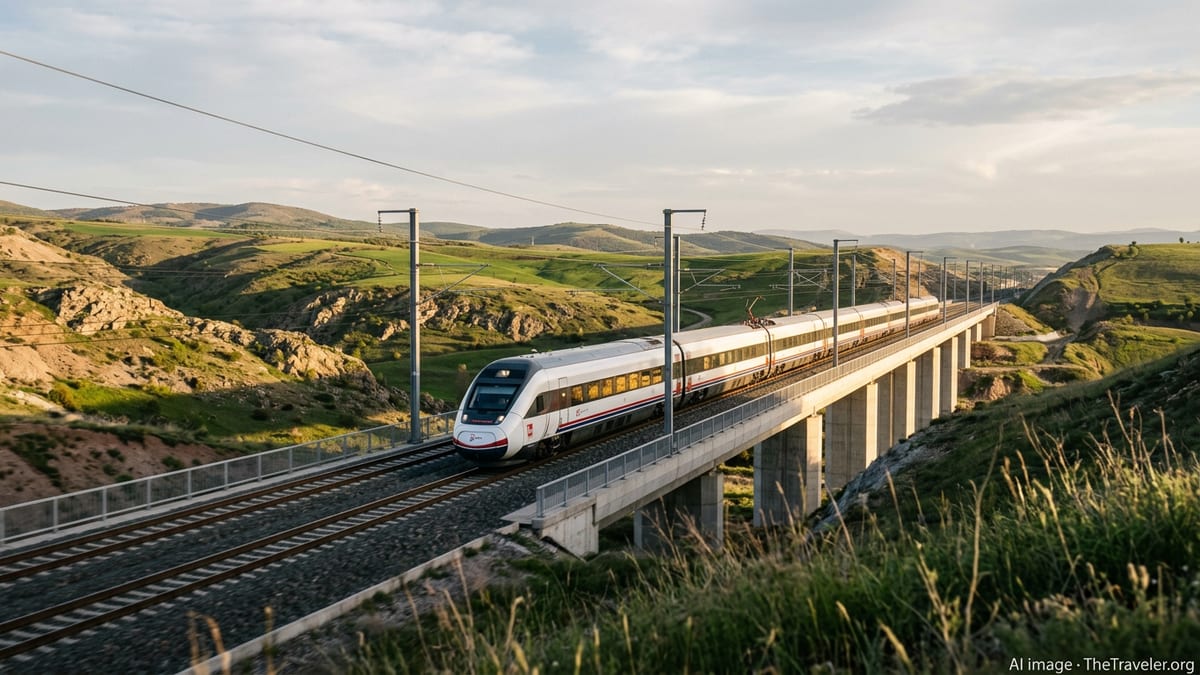
From Construction to Completed Fleet
The Zefiro Express project for Västtrafik dates back to 2018, when the regional transport authority ordered a new family of fast regional trains based on Bombardier’s Zefiro platform, now integrated into Alstom’s Avelia Stream product line. Industry documentation indicates that the first unit for Västtrafik was completed around the end of 2020, enabling type testing and certification work to begin in Sweden.
Subsequent reports describe a gradual build up of the fleet, with trains produced at Alstom’s sites and then transferred to Sweden for dynamic testing. Technical information published by the manufacturer notes that the X80 units are three car electric multiple units designed for a maximum speed of 200 km/h and around 270 seated passengers, tailored to the needs of the Västra Götaland region.
As manufacturing ramped up, the project also underwent a rebranding phase in which the original Bombardier Zefiro Express designation was aligned with Alstom’s Avelia Stream family. Despite the naming changes at group level, the trains continue to be known locally as X80 sets in the Swedish fleet classification system, with the Zefiro Express heritage informing their design and performance characteristics.
With the production phase now effectively complete and the ordered units delivered or allocated for Swedish acceptance testing, attention has shifted from the factory floor to entry into service and network integration. The completion of construction is seen as a crucial step in unlocking the capacity and journey time benefits promised when the order was first signed.
Testing, Delays and Entry into Service
The path from completed prototype to passenger operation has been lengthy. Industry coverage shows that test runs began soon after the first train arrived in Sweden, including winter trials and controlled services in regular traffic to gather passenger feedback on ride quality and comfort. Additional high speed testing has taken place on lines such as the Botniabanan, which offers demanding gradients and weather conditions well suited to proving new rolling stock.
Delivery schedules originally envisaged for the 2021 to 2024 period slipped, with a combination of certification work, supply chain disruptions and software validation contributing to delays. Recent rail sector reporting indicates that the first X80 trains finally entered regular service on regional routes out of Gothenburg in May 2026, after a protracted commissioning phase.
The move into passenger operation followed an extended period of trial running designed to verify braking performance, energy consumption, onboard systems and compatibility with Sweden’s signalling and power supply infrastructure. The handover to commercial service marked the transition from a development project dominated by testing to an operational fleet contributing daily capacity on busy commuter and regional corridors.
Completion of the Zefiro Express fleet allows Västtrafik to start phasing out older rolling stock and increasing frequencies, particularly on high demand routes where regional planners have forecast strong long term growth. The trains are intended to support both faster end to end journeys and more seats at peak times, addressing crowding that has built up over the past decade.
Design Features for Regional High Speed Service
Technical data sheets released by the manufacturer underline that the Zefiro Express X80 has been designed as a dedicated regional high speed train for Scandinavian conditions. The three car formation balances capacity and acceleration, enabling frequent stops without losing the benefits of a 200 km/h top speed on suitable sections of the network.
The interior layout focuses on a mix of open saloon seating, accessible spaces and multi purpose areas suitable for bicycles, prams and luggage, reflecting the regional profile of Västtrafik’s passenger base. The trains are equipped with wide doors and level boarding at compatible platforms to support fast dwell times and improved accessibility.
An emphasis on energy efficiency is also evident in the published environmental product declarations. Lightweight construction, regenerative braking and modern traction systems are intended to reduce lifecycle energy use compared with older electric multiple units in the fleet. Life cycle assessments carried out under international standards suggest that the bulk of environmental impact for this type of train occurs during the use phase, reinforcing the importance of low energy operation over decades in service.
Onboard systems have been prepared for evolving digital signalling and traffic management, including Sweden’s deployment of the European Rail Traffic Management System. This is expected to support higher line speeds and closer headways on key corridors, allowing the performance capabilities of the Zefiro Express units to be used more fully over time.
Connecting With Wider Rail Upgrades in Western Sweden
The completion and rollout of the Zefiro Express fleet coincides with a broader wave of rail investment in western Sweden. National infrastructure projects, including the Västlänken tunnel and associated track and signalling works around Gothenburg, are approaching key milestones, with installation and testing of railway systems reported to be largely in place ahead of phased openings.
Planning documents and public reports suggest that the new X80 units are intended to take advantage of these infrastructure upgrades as they come online. The combination of dedicated high performance rolling stock and expanded track capacity is expected to enable more through services across the Gothenburg area, reduced journey times and a denser regional timetable.
Regional studies cited in technical references for the X80 project anticipate a significant increase in daily rail ridership across Västra Götaland over the coming decade. The completed Zefiro Express fleet forms one of the core tools available to transport planners seeking to accommodate that demand while meeting climate and emissions targets linked to a shift from private cars to public transport.
The alignment of new trains with long term infrastructure strategies underscores how rolling stock projects now extend well beyond the factory gate. Delivery and completion of the Zefiro Express units represent not just the arrival of new vehicles, but a structural change in the capability of the regional rail network they will serve.
Implications for Scandinavian High Speed Rolling Stock
The milestone reached on Västtrafik’s Zefiro Express project also has implications beyond western Sweden. The same underlying platform is being adopted in higher speed form for the national operator SJ, which has ordered longer Zefiro Express trainsets for 250 km/h intercity service, rebranded as part of the Avelia Stream family.
As the Västtrafik fleet moves from completion into routine daily use, it provides a live reference for Scandinavian conditions that can inform the rollout of these national high speed sets. Experience gathered on reliability, winter performance and passenger response to the interior concept is likely to be closely watched by operators and authorities across the region.
With production and delivery now substantially completed for the X80 order, the focus for the project is increasingly operational rather than manufacturing. The coming years will indicate how fully the trains’ technical potential can be translated into shorter journey times, improved punctuality and higher ridership on western Sweden’s most important regional rail corridors.
For travellers, the most visible sign of the project’s completion is the appearance of new white and blue trains on familiar routes. Behind that visual change lies a complex industrial and infrastructure effort that has brought the Zefiro Express concept from construction and testing to a completed fleet embedded in the country’s everyday mobility system.