


More news on this day
From cliffside selfies to crowd-sourced “destination dupes,” Instagram’s latest travel obsessions are rapidly reshaping how and where people roam the world, and critics warn the pursuit of viral visuals may be outpacing basic safety and sustainability.
Get the latest news straight to your inbox!
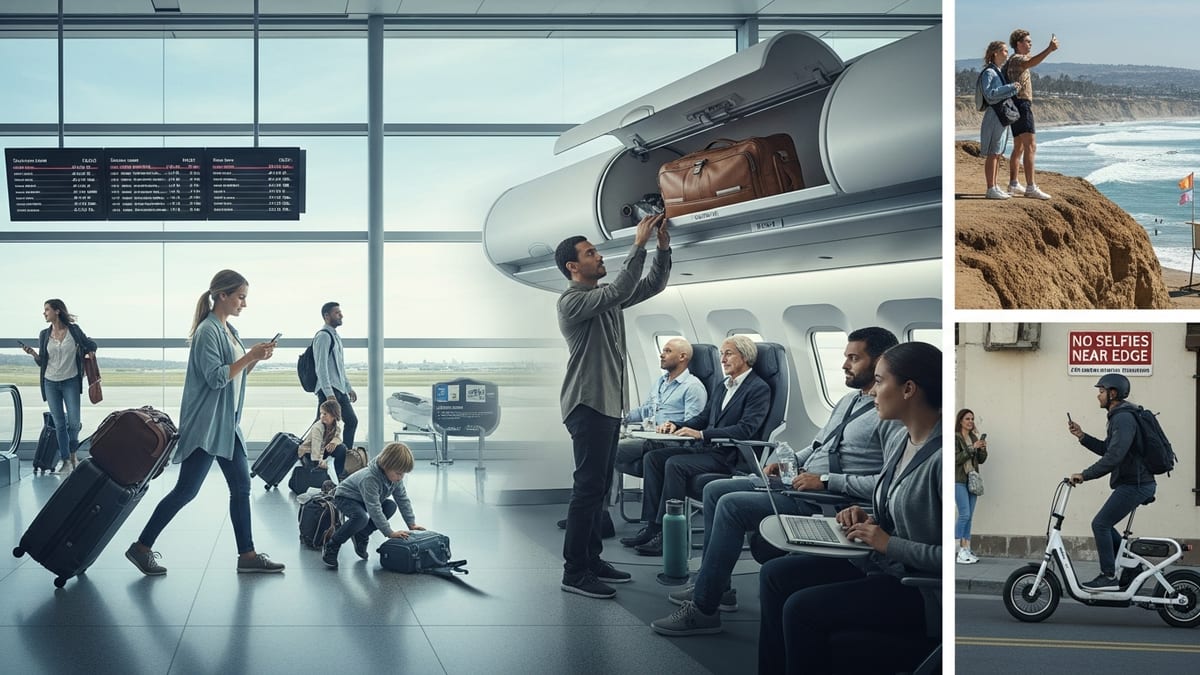
From Inspiration Engine to Itinerary Driver
Instagram has evolved from a simple photo-sharing app into a powerful driver of travel decisions, with glossy reels and carousels increasingly functioning as a first stop for trip planning. Recent industry and academic reports indicate that travelers often discover destinations, hotels and even specific viewpoints through social feeds before consulting guidebooks or official tourism sites. Popular hashtags and location tags can catapult previously obscure spots into global fame in a matter of days.
Research into travel behavior suggests that Facebook and Instagram remain key platforms for sharing vacation content, especially compared with newer video-first apps. This visibility reinforces a feedback loop: posts showcasing dramatic scenery or minimalist resorts gain attention, which in turn encourages more users to seek out the same locations and reproduce similar images. For many travelers, the visual appeal of a destination on Instagram has become nearly as important as cost, climate or cultural interest.
At the same time, tourism analysts note that this shift toward social media discovery often sidelines traditional sources of practical information, such as safety advisories or local regulations. As travelers lean on short-form video and curated posts to shape their itineraries, crucial context about terrain, weather, legal restrictions and infrastructure can be crowded out by aspirational imagery.
Critics argue that this dynamic is changing the underlying purpose of travel for some users, prioritizing shareable content over immersive experience. Observers point to online discussions where users describe trips oriented around capturing particular shots rather than engaging with culture, food or history, reflecting a broader concern that the platform aesthetic is crowding out more grounded forms of exploration.
Viral Views and Real-World Risk
Safety concerns have become central to debates over Instagram-led travel trends. Publicly available data sets cataloging selfie-related injuries and deaths around the world include a series of incidents linked to risky photography at cliffs, waterfalls, rooftops and railway lines. Cases range from falls at scenic overlooks to accidents involving waves and fast-moving water, highlighting the dangers of focusing on framing the perfect image instead of environmental conditions.
Reports on recent accidents indicate that many of the most dangerous scenarios unfold at unguarded viewpoints or beyond official barriers, where visitors attempt to replicate dramatic angles they have seen online. Even where signage and fencing exist, some travelers appear willing to step around them for an unobstructed shot. Local rescue services in several popular destinations have publicly discussed the strain of repeated callouts to assist visitors injured while taking photos in prohibited or high-risk areas.
Airports and transportation hubs are also responding to new forms of content creation. Discussions in travel communities and local media coverage describe growing unease among aviation and security professionals about travelers filming intricate “travel day” reels in sensitive zones. In some jurisdictions, officials have signaled that filming procedures, checkpoints or restricted airside areas could violate safety rules, and travelers risk penalties or flight bans if they ignore posted guidance.
Beyond physical danger, experts in digital privacy highlight that geotagged posts can unwittingly reveal sensitive information, from accommodation details to patterns of movement. Combined with high follower counts, these disclosures may create security vulnerabilities, particularly for solo travelers, even as they fuel the aspirational appeal that keeps audiences engaged.
Destination Dupes: Fix for Overtourism or New Pressure Point?
Among the most prominent social media travel trends is the rise of “destination dupes” affordable or less crowded alternatives that promise the vibe of big-name hotspots without the price tag or crowds. The concept, widely credited in travel reporting to an early 2020s marketing push by a major booking platform, has since exploded across Instagram and TikTok, with creators recommending stand-ins for classic coastal, city and ski destinations.
Travel trend reports from outlets such as National Geographic and various tourism bodies describe destination dupes as a response to overtourism, high airfares and a cost-of-living squeeze. Examples frequently cited in coverage include Balkan beach towns as substitutes for better-known Mediterranean islands, or smaller alpine resorts promoted as budget-friendly alternatives to the French or Swiss Alps. According to recent industry data, some of these “dupe” locations have recorded double-digit percentage increases in bookings within a year of going viral.
Supporters of the trend argue that redirecting demand away from saturated hubs can ease pressure on strained infrastructure and spread visitor spending to emerging regions. Local guesthouse owners, guides and restaurants in these secondary destinations can see a rapid boost in income when a post trends globally, adding resilience after years of pandemic disruption.
Yet tourism researchers caution that destination dupes can introduce new risks if they scale too quickly. Many of the places now trending on Instagram lack the emergency services, environmental protections or visitor management systems found in long-established resorts. Sudden spikes in arrivals may stress water supplies, generate unmanaged waste and overwhelm narrow mountain roads or coastal tracks, all while exposing visitors to hazards such as unstable cliffs or unmarked swimming areas.
Environmental Strain Behind the Aesthetic
Environmental impacts are another fault line in the Instagram travel boom. International organizations tracking tourism trends, including recent reports from bodies such as the OECD and national tourism boards, describe social media as a “demand accelerator” that can quickly distort patterns of visitation. Highly photogenic natural sites, such as colorful canyons, flower fields and fragile volcanic landscapes, are especially vulnerable when they go viral.
Local news outlets in several countries have documented cases where once-obscure viewpoints experienced rapid degradation after being amplified on Instagram. Issues include trail erosion from off-path shortcuts taken to replicate specific framing, trampling of vegetation in meadows and dunes, and litter left behind after early-morning photo shoots. In some regions, conservation groups have called for urgent visitor caps or seasonal closures to protect wildlife and sensitive habitats.
In parallel, residents in popular neighborhoods have voiced frustration at the conversion of everyday streets into backdrops for lifestyle shoots. Accounts from city-based publications and community forums describe early-morning queues for stoops, murals and cafes, sometimes coupled with noise, blocked doorways and informal commercial filming without permits. These micro-pressures add to broader debates about housing, short-term rentals and the livability of historic centers.
Destination managers face a delicate balancing act between harnessing the promotional power of Instagram and preventing a race to the bottom on environmental standards. Some have begun experimenting with soft interventions, such as creating designated viewpoints, publishing “photo etiquette” guidelines and partnering with creators who highlight public transport, off-peak visits and low-impact activities rather than only high-drama visuals.
Can the Trend Be Steered Rather Than Stopped?
Despite concerns, few analysts expect Instagram’s influence on travel to wane. Instead, governments, tourism boards and industry partners are exploring ways to channel the trend in safer, more sustainable directions. Campaigns in several regions now use social media to promote under-visited areas with robust infrastructure, encourage longer stays in a single region instead of rapid “country collecting,” and spotlight local customs that require particular respect from visitors.
There is also growing emphasis on transparency from creators. Academic work on influencer marketing finds that sponsorship disclosure remains inconsistent across Instagram and other platforms, which can blur the line between authentic recommendation and paid promotion. Critics argue that clearer labeling of ads and partnerships would help viewers better assess whether a glowing review of a remote resort or undeveloped beach comes with hidden incentives.
Travel safety advocates suggest that platforms and creators could do more to normalize risk-aware content, such as including weather warnings, altitude notes or reminders to follow local rules alongside dramatic footage. Some accounts already model this approach by pairing scenic shots with captions that highlight the need for proper gear, guided tours or respect for closures, but these remain a small slice of overall travel content.
For now, the question facing travelers is not whether to ignore Instagram entirely, but how to balance inspiration with informed decision-making. As the latest trends encourage people to push further for the perfect shot or lesser-known dupe, the gap between what fits in a frame and what it takes to keep both visitors and destinations safe may be widening.