


More news on this day
Travellers flying out of Vienna International Airport faced another difficult travel day as 110 delayed departures and four cancellations disrupted links to major European hubs including Paris, Frankfurt, Düsseldorf, Hannover, Palma de Mallorca and Athens, affecting services operated by Air Canada, Lauda Europe, Cityjet, Air France and several other carriers.
Get the latest news straight to your inbox!
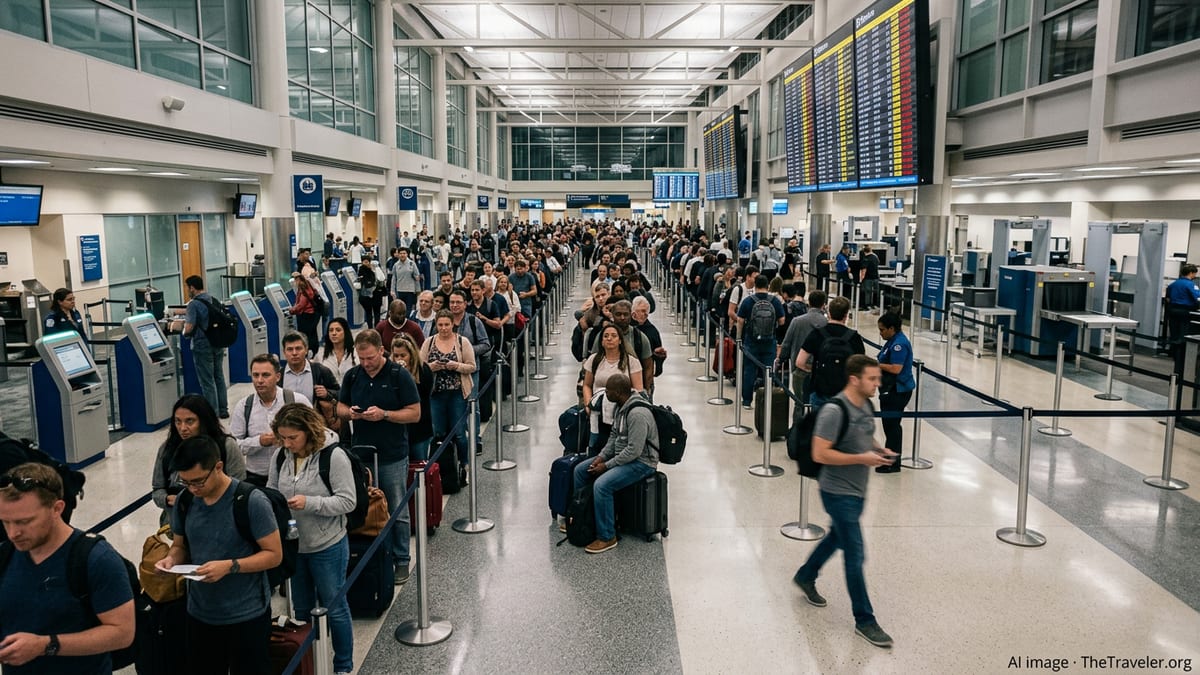
Network disruption ripples across key European routes
According to publicly available operational data and industry monitoring platforms for June 27, Vienna International Airport experienced significant schedule disruptions concentrated on short and medium haul routes. Flights to major hubs such as Paris Charles de Gaulle, Frankfurt and Düsseldorf were among the most affected, alongside services to Hannover, popular leisure destination Palma de Mallorca and the Greek capital Athens.
The tally of around 110 delayed departures and four outright cancellations reflects an unusually strained day for the Austrian hub, which typically posts comparatively strong punctuality metrics during the summer season. Disruptions ranged from minor delays of 30 to 45 minutes to holdbacks exceeding two hours, forcing passengers to rebook onward connections or endure prolonged waits in terminal areas.
Travel industry coverage indicates that the affected flights were spread across the day’s schedule rather than concentrated in a single peak. That pattern suggests a combination of air traffic flow constraints in different parts of Europe, aircraft rotation issues and tight turnaround times on busy summer timetables. Knock on effects were visible on evening arrivals into Vienna, where inbound aircraft arrived late after delayed departures from other hubs.
Multiple airlines caught in the Vienna bottleneck
The disruptions in Vienna did not spare any single category of carrier, with network airlines, leisure operators and regional specialists all appearing in the day’s delay statistics. Reports indicate that services operated by Air Canada, Lauda Europe, Cityjet and Air France were among those recording late departures or cancellations, alongside a roster of additional European and long haul airlines.
Lauda Europe, which runs a dense schedule of low cost flights linking Vienna with German cities and Mediterranean holiday hotspots, saw several rotations impacted. Delays on morning departures reportedly cascaded into the afternoon and evening as aircraft arrived late from earlier legs, compressing already tight ground handling windows.
Regional operator Cityjet, which provides wet lease and contract flying for larger carriers, also appears in the disrupted schedule, highlighting how issues in Vienna can quickly affect passengers booked under different airline brands. Air France and other major European network airlines flying between Vienna and hubs like Paris and Frankfurt similarly faced schedule pressures, with knock on effects for connecting traffic heading onward to long haul destinations.
North American carrier Air Canada was among the long haul operators touched by the disruption pattern, illustrating how a single European hub’s delays can reverberate across intercontinental networks. Even when long haul flights manage to depart close to schedule, inbound passengers relying on delayed European feeders can miss connections, leading to rebooking queues and overnight accommodation needs.
Passengers bound for Paris, Germany and the Mediterranean hardest hit
Travel data and media summaries suggest that routes from Vienna to France and Germany bore a significant share of the impact. Services to Paris were affected on both business focused and leisure heavy departures, disrupting links to one of Europe’s primary long haul gateways during a busy summer period. For passengers relying on Vienna to Paris connections to reach North America, Africa or the Indian Ocean, even modest delays introduced considerable uncertainty.
Germany bound travellers also encountered difficulties, particularly on flights to Frankfurt, Düsseldorf and Hannover. Frankfurt’s role as a major Star Alliance hub meant delays on Vienna departures risked missed connections for passengers heading to North America, Asia and the Middle East. Düsseldorf and Hannover, important business and regional centers, saw disrupted schedules that affected both weekday corporate travel and weekend city break traffic.
Leisure routes were similarly strained. Palma de Mallorca and Athens, two of Europe’s most in demand summer destinations, appeared among the impacted destinations from Vienna. Travel focused outlets note that strong seasonal demand to Mediterranean resorts leaves airlines with limited slack in their schedules, so a small number of delayed or cancelled flights can quickly lead to full alternative services and limited rebooking options.
Passengers heading for island and coastal resorts via Palma de Mallorca, as well as those connecting onward from Athens to the Greek islands, faced particular challenges when late departures from Vienna cut into narrow connection windows with onward ferries or domestic flights. For many, that translated into lost vacation time on the first day of their trips.
Operational pressures behind Vienna’s difficult day
While no single root cause has been identified for the latest round of disruptions, industry analyses of European operations in recent weeks point to several recurring pressures. Airlines across the continent are managing high summer demand on top of lingering staffing constraints in ground handling, maintenance and air traffic control support roles, which can limit their flexibility when unexpected issues arise.
Air traffic flow management regulations in busy European sectors, particularly around major hubs and congested holiday corridors, frequently generate knock on delays that reach airports such as Vienna. When combined with localized factors such as weather cells, runway maintenance or temporary capacity limits, the result can be a chain of minor schedule adjustments that accumulate into significant daily disruption totals.
Recent European punctuality reports highlight that airports including Palma de Mallorca and Athens periodically experience weather or capacity related delays during busy weeks, while Vienna has faced occasional sequencing restrictions when regional airspace is heavily utilized. Against this backdrop, the figure of 110 delayed flights and four cancellations in a single day at Vienna underscores how tight the margin has become during the peak summer travel period.
According to air passenger rights resources that track daily disruption statistics, even modest irregularities can have disproportionate effects on travellers when aircraft and crews are scheduled at or near maximum utilization. A delayed inbound aircraft may lack spare turnaround time to recover, pushing its next departure behind schedule and placing additional pressure on airport infrastructure and staff.
What travellers can do when disruption hits Vienna
Consumer advocacy organizations and passenger rights platforms advise travellers using Vienna and other busy European hubs to build additional resilience into their plans during the summer peak. This includes opting for longer connection windows where possible, particularly when transferring to long haul flights in Paris or Frankfurt or onward services to island destinations served via Palma de Mallorca or Athens.
Passengers are also encouraged to monitor their flights closely on the day of travel through airline apps and airport information channels. Early awareness of an emerging delay can provide more time to explore rebooking options, adjust ground transportation or notify accommodation providers at the destination. Travellers on multi segment itineraries may benefit from contacting their booking agent or airline as soon as significant delays are posted to secure alternative connections.
Publicly available guidance from passenger rights portals emphasizes that, under European regulations, travellers may be entitled to care such as meals, refreshments and accommodation during long delays, and in some circumstances to financial compensation when disruptions are within an airline’s control. Documentation of boarding passes, delay notifications and receipts for additional expenses can support later claims.
With Vienna playing a central role in connecting central and eastern Europe to major Western European hubs and Mediterranean destinations, the latest wave of 110 delays and four cancellations illustrates the fragility of summer schedules across the region. Travel industry observers expect airlines and airports to continue fine tuning timetables and staffing in the coming days as they seek to stabilize operations for passengers heading to and from the Austrian capital.