


More news on this day
Viking’s latest ocean ship, the 998-guest Viking Mira, has been officially christened in Venice, Italy, marking a high-profile milestone for the company’s expanding small-ship fleet and for the city’s role as a key Mediterranean turnaround port.
Get the latest news straight to your inbox!
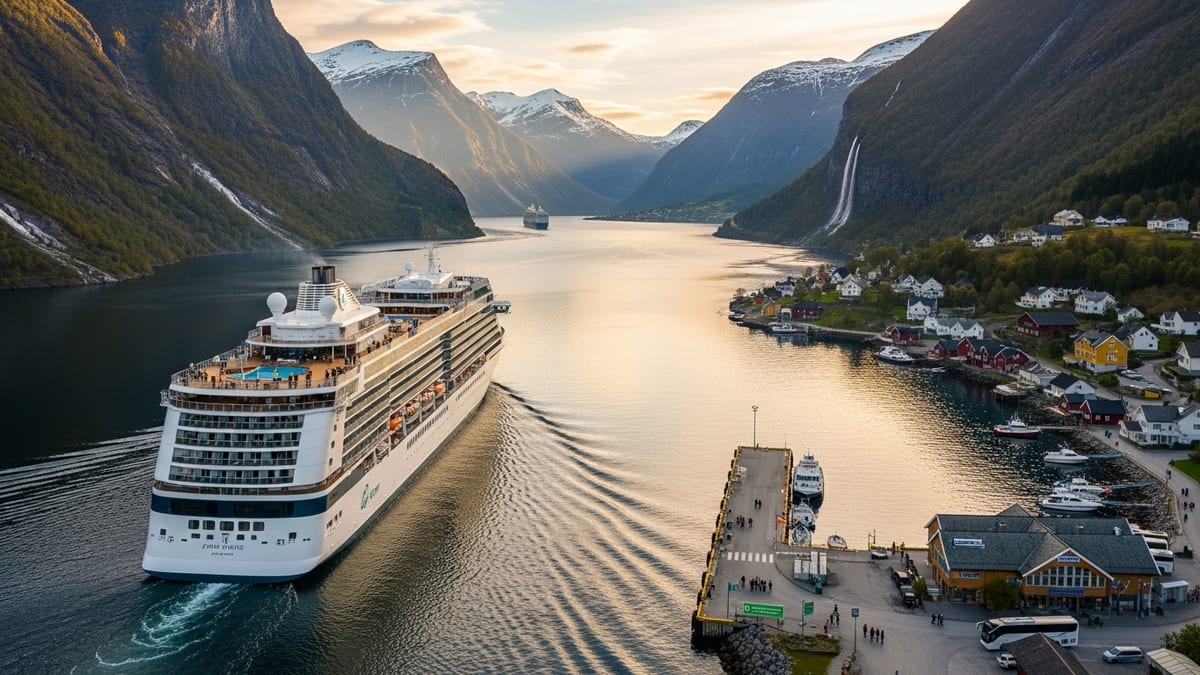
Traditional Naming Ceremony Welcomes Viking Mira
According to publicly available information from the cruise line, Viking Mira was named during a traditional ceremony in Venice on June 1, 2026. The ship joins Viking’s series of near-identical ocean vessels, all designed with a focus on Scandinavian-inspired interiors, destination-focused itineraries, and a smaller-ship scale compared with many contemporary mega-cruise ships.
Reports indicate that the christening followed established Viking traditions, including a ceremonial godmother and a ribbon-cutting that released a bottle of Norwegian aquavit against the hull. The event formally placed Viking Mira into service after delivery from Italian shipbuilder Fincantieri, which constructed the vessel at its Ancona yard.
Industry coverage notes that Viking Mira fits into the brand’s broader growth strategy, adding capacity at a time when demand for premium, culturally focused cruises in Europe continues to rise. The christening in Venice positions the ship squarely within the company’s core Mediterranean program from its first season.
Design: All-Veranda Comfort on a Small Ocean Ship
Publicly available specifications show that Viking Mira carries 998 guests in 499 all-veranda staterooms, continuing Viking’s approach of eliminating inside cabins on its ocean fleet. The ship has a gross tonnage of about 54,300, placing it firmly in the small-ship segment, where vessels typically offer a more intimate atmosphere and easier movement around key public areas.
The interiors continue the brand’s familiar Scandinavian look, emphasizing light woods, neutral tones, and abundant natural light. Reports on sister ships suggest that Viking Mira features a central atrium, a spa with thermal suite, multiple lounges, and a theater, along with informal and formal dining venues that highlight regional cuisine.
Industry analyses of Viking’s ocean class indicate that outdoor spaces are a key part of the onboard experience, from infinity-edge pools and wide open decks to terraces designed for al fresco dining. While Viking Mira follows an established blueprint, the ship arrives with incremental refinements drawn from passenger feedback and operational experience across earlier vessels in the series.
Venice and the Adriatic at the Heart of Early Itineraries
Booking data and itinerary information from cruise retailers show that Viking Mira will spend much of her inaugural season in the Mediterranean and Northern Europe, with Venice acting as a pivotal gateway port. Several sailings are scheduled from the Fusina cruise terminal on the Venetian mainland, reflecting the city’s ongoing shift of larger cruise ships away from the historic center while maintaining its role as a major embarkation point.
Sample itineraries highlight routes from Venice toward the Adriatic and Greece, with calls in destinations such as Dubrovnik, Split, and ports in the Ionian and Aegean seas. These sailings typically combine overnight or extended stays near Venice with port-intensive schedules that appeal to travelers seeking historical and cultural exploration.
Travel industry commentary suggests that Venice’s carefully managed cruise operations are increasingly focused on ships in Viking Mira’s size category, which are generally viewed as easier to integrate with local infrastructure than the largest contemporary vessels. Viking’s decision to christen the ship in Venice underscores the city’s continued importance on the company’s European map.
Shipbuilding Partnership Between Viking and Fincantieri
Published information from Fincantieri and financial filings for Viking show that Viking Mira is part of a long-running series of ocean ships built by the Italian group for the cruise line. The vessels share a common platform, allowing the company to streamline operations, training, and maintenance across its ocean fleet.
Fincantieri’s Ancona yard has become a central site for Viking’s ocean newbuild program, with Viking Mira following earlier ships in the class and preceding additional units already on order. Industry analysts note that this continuity helps keep construction timelines predictable and allows for incremental technical upgrades, including improvements to energy efficiency and emissions performance over time.
Reports on recent deliveries in the series indicate that the ships incorporate advanced waste-management systems, optimized hull designs, and power-plant configurations intended to lower fuel consumption relative to older tonnage of similar size. While Viking Mira remains a conventionally powered cruise ship, it enters service during a period of heightened scrutiny on maritime sustainability and environmental impact in destinations across the Mediterranean.
Expanding Capacity in a Competitive Premium Cruise Market
Market overviews from cruise-industry publications describe Viking Mira as one element of a broader multiyear expansion that also includes additional ocean and expedition ships. The company has publicly outlined a pipeline of newbuilds scheduled through the end of the decade, signaling confidence that demand for destination-focused, small-ship cruising will remain robust.
Analysts point out that new capacity like Viking Mira is arriving into a competitive landscape in which several operators are introducing ships in the upper-premium and luxury segments. Viking is positioning its ocean fleet with a consistent product that emphasizes included amenities, longer port calls, and an adults-oriented onboard environment.
Forward-looking itineraries already on sale show Viking Mira scheduled well into 2027 on routes that combine marquee ports with smaller coastal calls in the Mediterranean, Northern Europe, and beyond. For travelers, the christening in Venice marks the beginning of another option within Viking’s expanding network of small ocean ships, and for the industry it represents an additional signal of how strongly the premium cruise segment is leaning into Europe’s classic, culture-rich coastlines.