


More news on this day
Planned strike action on West Midlands Railway has been called off following talks between the operator and the Transport Salaried Staffs’ Association, easing fears of fresh disruption for passengers during the busy summer travel period.
Get the latest news straight to your inbox!
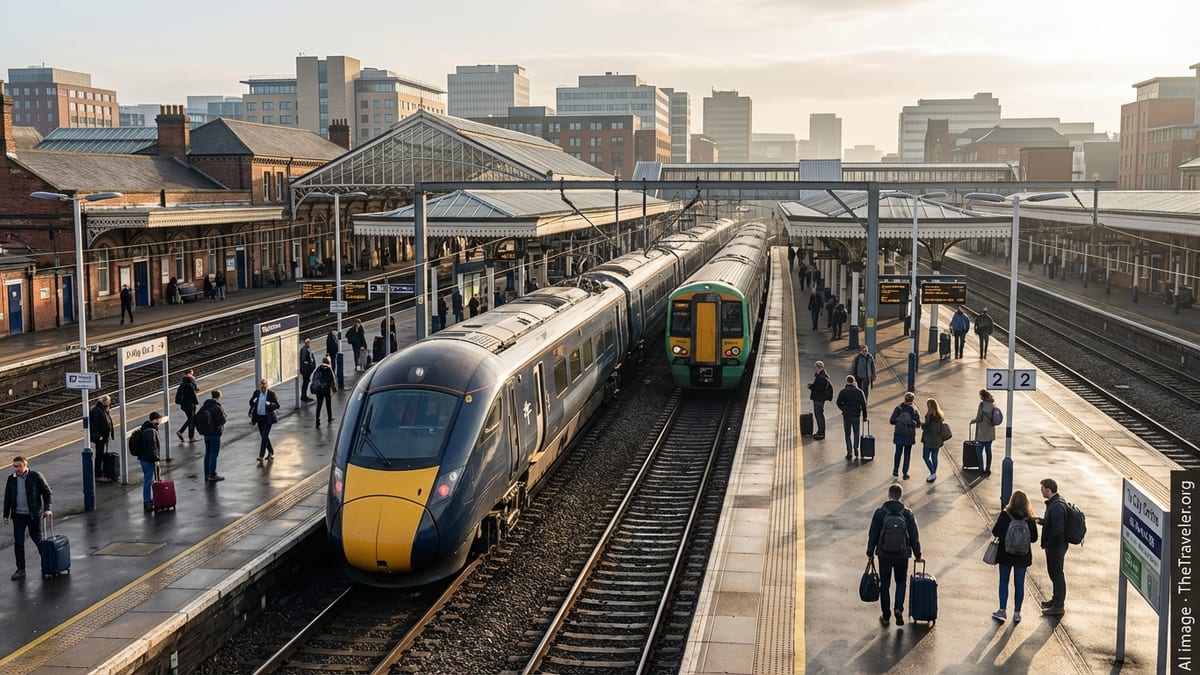
Strike threat lifted after latest round of negotiations
According to recent regional coverage, the suspension follows renewed discussions between West Midlands Railway’s parent company and the TSSA union over rest day working arrangements and related pay. The dispute had prompted a series of walkouts and a reduced timetable across parts of the West Midlands network in May and July, affecting commuters and leisure travelers alike.
Reports indicate that the breakthrough came after both sides returned to the table for further talks aimed at avoiding another wave of disruption. While full details of any revised proposals have not been made public, union statements cited in local media suggest that the decision to halt action is linked to progress on core issues such as parity with other grades and operators, and clearer commitments around staffing levels and rostering.
The move means trains that were expected to be heavily curtailed on upcoming strike dates should now operate closer to their normal schedules. However, rail commentators note that it can take time for operators to unwind contingency plans and re-establish full timetables, particularly where complex crew diagrams and rolling stock allocations were already adjusted in anticipation of industrial action.
Impact on passengers and summer travel plans
The latest development is significant for domestic and international visitors using Birmingham and the wider West Midlands as a base for summer trips. Previous strike days saw limited services on key corridors linking Birmingham New Street with Shrewsbury, Wolverhampton, Walsall and Hereford, prompting operators to urge passengers to travel only if essential.
With the walkouts now called off, travelers heading to major attractions such as the Birmingham city centre cultural quarter, the Black Country Living Museum, or events at venues across the region are expected to benefit from a more reliable service. Tourism businesses that had been braced for cancellations and late arrivals during strike dates are also likely to welcome the reprieve, even as they remain alert to the possibility of further industrial unrest later in the year.
Passenger groups quoted in regional reporting have highlighted how repeated strike timetables and short-notice changes can erode confidence in rail as a dependable option for both daily commuting and weekend leisure trips. The suspension of action on West Midlands Railway is therefore seen as a chance to rebuild trust, provided services run close to the published timetable and real-time information is kept accurate.
Background to the dispute on West Midlands routes
The agreement to halt strikes comes after several months in which West Midlands Railway staff represented by TSSA staged or threatened industrial action over rest day arrangements and pay, part of a broader period of rail disputes across the United Kingdom. Earlier this summer, publicly available information shows that reduced timetables were implemented on certain dates, with early finishes, later first trains and some routes seeing no service.
Industry reports describe the dispute as centering on rest day working conditions and a push from union members for greater parity with colleagues in other roles and operators. While the company has previously stated in public communications that it was keen to continue dialogue, union representatives argued that formal commitments and concrete offers were needed before any escalation could be taken off the table.
The suspension of strikes does not automatically signal a final settlement. Observers of recent transport disputes across the country note that temporary pauses in action often coincide with intensive bargaining or consultation over revised offers. The current situation on West Midlands Railway appears to follow this pattern, with action paused while further work continues on the detail of any long term agreement.
What travelers should expect in the coming weeks
With strike dates withdrawn, West Midlands Railway is expected to move back toward standard timetables on affected routes. However, experience from past suspensions on other rail operators suggests there may be short term timetable adjustments as planning teams rework staffing and rolling stock diagrams that had already been altered for strike scenarios.
Rail commentators advise that passengers continue to check journey planners and station departure boards for the latest information, particularly in the first days after the suspension of industrial action. Engineering works, residual operational issues and the lag in updating rosters can still lead to isolated cancellations or amendments, even when a full strike has been lifted.
For travelers using the region as a gateway to other parts of the United Kingdom, the removal of strike dates on West Midlands Railway is nonetheless a positive signal. Connections to long distance services operated by other companies through Birmingham and Wolverhampton become easier to plan when local stopping services are running closer to normal frequency, reducing the risk of missed trains and extended waits.
Ongoing uncertainty across the wider UK rail network
Although the immediate threat of strikes on West Midlands Railway has eased, the broader context for rail travelers remains fluid. National coverage of recent disputes highlights that negotiations are still active at several operators, and that industrial ballots continue to play a role in shaping service patterns on different parts of the network.
Travel analysts note that passengers have become accustomed to monitoring potential industrial action alongside engineering works when planning trips. The latest pause on West Midlands routes is seen as part of a complex national picture in which localised breakthroughs can coexist with continuing tensions elsewhere.
For the West Midlands specifically, the suspension of strikes offers a window of relative stability during a peak travel season. Whether that stability endures will depend on how talks between West Midlands Railway’s management and union representatives develop in the weeks ahead, and whether any provisional understandings harden into a lasting agreement that removes the prospect of further walkouts from the calendar.