


Westgate Resorts sits at the intersection of familiar hotel stays and long-term vacation ownership, with a footprint that stretches from Orlando’s theme parks to the slopes of Park City and the neon of Las Vegas. Before you book a promo stay, sign up for a timeshare presentation, or consider buying into the system, it helps to understand exactly what Westgate is, how its resorts operate, and what kind of traveler is most likely to benefit.
Get the latest updates straight to your inbox!
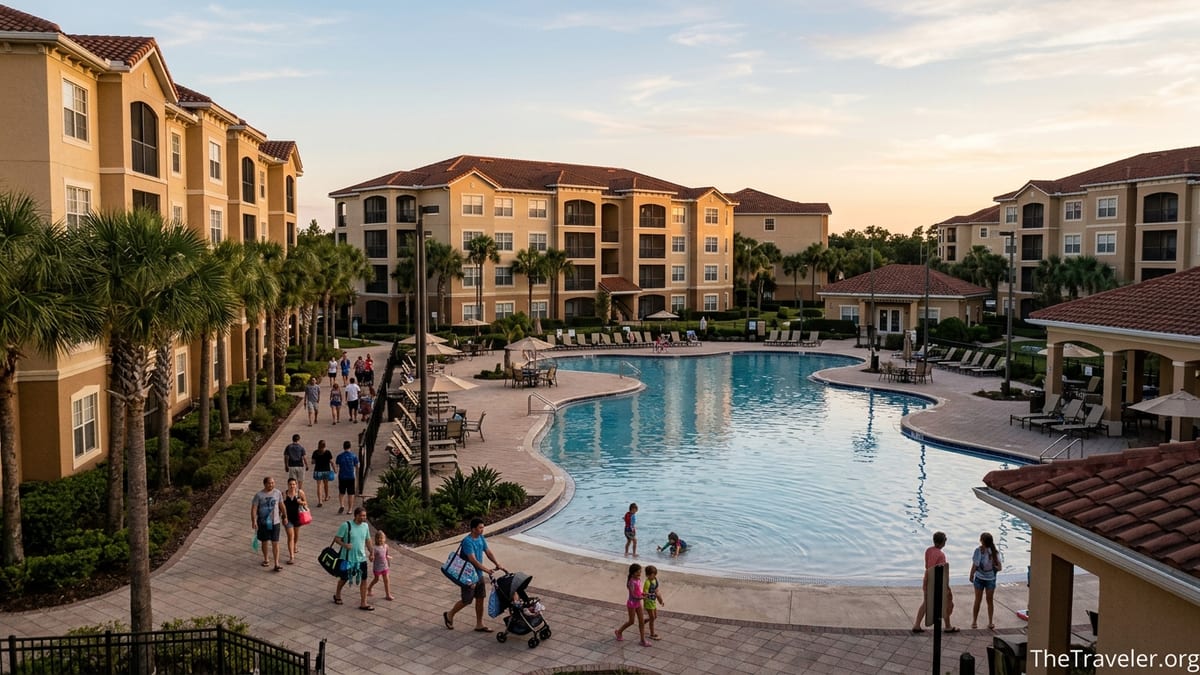
What Westgate Resorts Is and How the Brand Works
Westgate Resorts is an Orlando based hospitality company that operates both traditional resort hotels and one of the largest privately held vacation ownership clubs in the United States. Founded in 1982 and still privately owned, the company has grown to more than 60 properties across the U.S., including villa style timeshare resorts, destination hotels, and, more recently, additional vacation club inventory through acquisitions. In practice, that means you will see the Westgate name on everything from a casino hotel tower in Las Vegas to sprawling condo style complexes near Disney World.
The core of the business is vacation ownership, commonly called timeshare. Owners purchase the right to use a villa or suite for a set amount of time, usually one week per year, either during a specific season or on a more flexible “floating” basis. Alongside this, Westgate also runs regular nightly hotel style bookings that anyone can reserve through common channels, often using the same buildings and amenities as the timeshare owners. Understanding this dual nature is essential because it shapes everything from room layouts to the prominent sales culture you may encounter at some locations.
For many first time guests, the brand is most visible through sharply discounted vacation packages and promotional stays tied to timeshare presentations. For example, you might see offers such as three nights in a one bedroom villa near Orlando’s theme parks plus attraction tickets, in exchange for attending a two hour sales presentation. These offers can represent genuine savings if you go in with clear expectations, but they also highlight that Westgate’s primary focus is selling long term ownership rather than acting solely as a conventional hotel brand.
Westgate positions itself as a family friendly, amenity rich alternative to standard hotels, with most resorts offering multiple pools, kitchen equipped villas, on site dining, and activities ranging from kids clubs to mini golf. Compared with a typical chain hotel room, accommodations at Westgate properties tend to be larger, designed for week long trips where guests might cook, do laundry, and spread out. Whether that tradeoff makes sense depends on how you like to travel and how much time you plan to spend at the resort versus exploring the destination.
Where Westgate Resorts Are Located
Westgate’s portfolio is heavily concentrated in major U.S. leisure destinations, particularly Orlando and central Florida. Around the Disney and Universal area alone, the company operates multiple large resorts such as Westgate Lakes Resort & Spa, Westgate Vacation Villas Resort, and Westgate Town Center, all clustered along the I 4 corridor. These complexes sit within a 10 to 20 minute drive of Walt Disney World and sometimes even closer to Universal Orlando, making them popular with families who want apartment style space near the parks.
Beyond Orlando, Westgate has a significant presence in Las Vegas through Westgate Las Vegas Resort & Casino, an off Strip property adjacent to the Las Vegas Convention Center. This resort functions more like a traditional hotel casino, with a large tower of rooms and suites, a casino floor, shows, and dining venues. Travelers attending trade shows at the convention center often choose it for the location, while vacation ownership guests may appreciate the mixture of condo like suites and hotel style services.
In the mountains, Westgate Park City Resort & Spa in Utah anchors the brand’s ski presence. It sits at the base of the Canyons Village area of Park City Mountain, offering ski in, ski out access for many units, plus a mix of studios, one bedroom, and larger multi bedroom villas with fireplaces and kitchens. In the Smoky Mountains, Westgate Smoky Mountain Resort & Water Park near Gatlinburg blends lodge style architecture with villa accommodations and a sizeable indoor water park, appealing to families who want a mix of nature and resort amenities.
Additional resorts dot beach and historic destinations, including Westgate Myrtle Beach Oceanfront Resort on the South Carolina coast and Westgate Historic Williamsburg in Virginia, which is within a short drive of Colonial Williamsburg and Busch Gardens. Recent expansion through a points based club has also added access to resorts in the Pacific Northwest, Hawaii, Mexico, and Canada, although availability at those partner properties may depend on your specific ownership type. For hotel style guests, the practical takeaway is that most Westgate properties cater to classic family vacation markets rather than business travel hubs.
Hotel Style Stays vs Vacation Ownership: What’s the Difference?
Staying at a Westgate property as a regular hotel guest can feel very different from becoming a vacation owner, even though you might occupy similar rooms. Hotel style bookings are straightforward: you reserve nights through Westgate’s own channels or major online travel agencies, pay nightly rates plus resort and destination fees, and check out when your stay is over. For example, a two night weekend stay in a one bedroom villa near Orlando in shoulder season might price in the range of a midscale hotel suite, with a separate resort fee that covers amenities such as water park access, Wi Fi, and parking.
Vacation ownership, by contrast, involves a multi year or decades long commitment, often financed over time. Traditional Westgate timeshares are typically deeded or long term right to use interests in a specific resort. You purchase the right to use a particular unit size and season, such as a two bedroom villa in June at an Orlando property, and receive a week of usage each year or every other year. Newer products may use points that you can spend across multiple resorts, but the underlying idea remains: you prepay for future vacations, then continue to pay annual maintenance fees that cover upkeep, property taxes, and operations.
From a cost perspective, a hotel guest might pay a few hundred to a bit over a thousand dollars for a week in a large villa, depending on the season and promotions. An owner, on the other hand, could be looking at a five figure upfront purchase price if bought directly from the developer, plus yearly maintenance fees that can reach into the high hundreds or more for larger units. Some owners offset those costs by reliably using their week, exchanging through external networks to visit other brands, or renting out prime dates. Others find the inflexibility and ongoing fees outweigh the benefits, especially if their travel habits change.
There is also a cultural difference. Because Westgate’s business model leans heavily on sales, guests who book discount packages are usually required to attend a timeshare presentation, and even standard hotel guests may be invited to “owner update” sessions or gift card offers that are essentially sales meetings. Presentations are often pitched as 90 minutes, but many travelers report spending two hours or more in tours, group talks, and one on one sales discussions. Understanding this dynamic helps you decide whether it is worth exchanging part of your vacation time for a lower rate or perks.
How Westgate Vacation Ownership Works in Practice
Westgate offers several types of vacation ownership, but most fall into either fixed week, floating week, or points based systems. With a fixed week, you own the right to use a specific week in the calendar every year in a certain unit type at a designated home resort. For instance, a family might own week 25 in a two bedroom at Westgate Vacation Villas Resort, meaning they can book that same mid June week annually as long as they remain in good standing and follow reservation rules. This structure appeals to travelers who like predictable, same time each year vacations, such as big family gatherings.
Floating week ownership provides more flexibility but also more competition for prime dates. Instead of a specific week number, you own within a season, such as “high season” summer weeks for a Gatlinburg resort. You then request dates within that season on a first come, first served or priority basis, subject to availability. Planning ahead becomes crucial, and resorts often open their booking windows many months in advance. Owners who book early tend to secure school holiday periods, while late planners may find only shoulder season weeks available.
Points based products, including club style offerings added through acquisitions, assign you an annual allotment of points that you can spend on shorter or longer stays, different unit sizes, and different resorts. In theory, this approach allows a couple to take multiple long weekend trips in a studio one year, then a longer family vacation in a larger villa the next, all using the same ownership. However, points charts can be complex, and popular ski weeks, holidays, and oceanfront views may require a high number of points and early reservations.
In all ownership types, maintenance fees are a key consideration. These annual fees support property operations, renovations, and taxes, and they can rise over time. Some owners perceive value when comparing their combined yearly outlay against the cost of renting a similar villa at market rates, especially in high demand periods like Christmas week in Park City or peak summer in Myrtle Beach. Others find that buying on the resale market for a fraction of developer pricing or simply renting when needed offers a more flexible, lower risk approach. Anyone considering purchase should factor in their travel frequency, preferred destinations, and tolerance for long term financial commitments.
Pros, Cons, and Realistic Expectations
Westgate’s strengths are easiest to see if you travel in larger groups, value on site amenities, and prefer staying in a self contained resort environment. Many Westgate villas offer separate bedrooms, full kitchens, in unit laundry, and living rooms with sleeper sofas, making them suitable for multigenerational trips or two families sharing costs. At properties like Westgate Smoky Mountain Resort & Water Park or Westgate River Ranch Resort & Rodeo, you can fill several days without leaving the grounds, between pools, water parks, horseback riding, zip lines, and organized activities.
For owners who fully use their weeks and plan ahead, the predictability and size of accommodations can feel like a good fit. A family that skis every February and reliably books a two bedroom at Westgate Park City Resort & Spa, for example, may find that locking in on mountain lodging makes sense over time, particularly given the high nightly rates of comparable ski in, ski out condos. Likewise, Orlando based owners who bring extended family to the theme parks every year might appreciate having a familiar home base with known amenities.
On the downside, travelers should be prepared for high pressure sales tactics at some locations, especially if they booked a promotional rate linked to a presentation. Reports from guests describe lengthy pitches, layered offers that become progressively more complex, and strong efforts to overcome objections. While some people walk away satisfied, others feel significant buyer’s remorse once they factor in financing costs and ongoing fees. U.S. law and state regulations typically provide a short rescission period after signing during which you can cancel without penalty, but after that window closes, exiting a timeshare can be complicated.
Even as a hotel guest, you may encounter sales touches ranging from check in desk invitations to “owner updates” presented as a quick chat with free breakfast or gift cards. It is perfectly acceptable to decline if you do not want to commit the time or face sales pressure. Setting expectations with your travel group in advance, especially if you are staying on a discounted package, can prevent friction during the trip.
Who Should Consider Booking or Buying With Westgate
Booking a hotel stay at a Westgate resort can make sense for families and groups who want more space than a standard hotel room, particularly in destinations like Orlando, Gatlinburg, or Park City where villa style layouts shine. For example, two parents, two kids, and a grandparent might fit more comfortably in a two bedroom villa with a kitchen at an Orlando Westgate property than in adjoining standard hotel rooms, especially during a weeklong theme park vacation. Travelers who enjoy resort centric stays, plan to cook some meals, and appreciate extras such as water parks or daily activities will generally get the most value.
Promotional packages tied to timeshare presentations may be a good fit for budget conscious travelers who are very clear that they do not intend to buy and who are comfortable firmly but politely saying no. A couple might decide that sitting through a morning presentation for two hours is an acceptable tradeoff for a long weekend in a one bedroom villa near the parks at a steep discount. In these scenarios, reading the fine print about income requirements, presentation length, and cancellation policies is important, as is budgeting for resort fees and taxes that are usually not discounted.
Buying into Westgate vacation ownership is a much more specific decision. It can suit travelers who vacation in the same region every year, strongly value apartment style space, and can comfortably afford the purchase price and maintenance fees without financing at high interest rates. People who are detail oriented, willing to learn the booking rules, and prepared to reserve well in advance are more likely to extract value. Those who prefer spontaneous travel, like exploring a wide variety of destinations, or anticipate major life changes in the next decade may find the long term commitment restrictive.
Anyone seriously considering ownership should compare buying directly from Westgate with purchasing on the resale market, where existing owners often sell for a fraction of original prices. They should also run realistic numbers against simply renting similar units when needed. In many cases, the flexibility of paying for accommodations only in the years you travel, without a standing obligation, outweighs the perceived benefit of “locking in” future vacations.
Tips for Getting the Most Out of a Westgate Stay
If you decide to stay at a Westgate resort as a hotel guest, start by clarifying exactly which fees will apply to your booking. Many properties charge a nightly resort or destination fee that covers amenities such as Wi Fi, parking, and access to pools or water parks. On a three night stay in Las Vegas or Orlando, this can add a noticeable amount to your final bill, so it is wise to factor it into your budget from the start. At check out, review your folio carefully for any incidental charges and do not hesitate to question anything you do not recognize.
Room type and location matter more at villa style resorts than at many standard hotels. Before arrival, confirm whether you have a studio, one bedroom, or larger unit, and whether it includes a full kitchen or kitchenette. If traveling with small children, you might request a building closer to the main pool or water park to minimize walking, while guests seeking quiet may prefer buildings farther from high traffic amenities. At ski or mountain properties, check whether your building is truly ski in, ski out or requires a shuttle or short walk to the lifts.
For guests attending a timeshare presentation, set boundaries up front. Decide as a group whether you are open to learning more or are firmly not planning to buy, and agree on a time limit you will stick to. Bring only the documentation required by the offer terms, leave extra credit cards or documents in the safe if you do not want them on hand, and be prepared to politely repeat that you are not ready to make a long term financial decision on the spot. Many travelers find that being calm, consistent, and respectful shortens the process compared with arguing or engaging in extensive back and forth.
Owners can maximize their experience by learning their specific resort’s booking windows, seasonal calendars, and internal exchange options. For example, if your home resort releases high season weeks 12 months in advance, setting a reminder to call or log in on the opening day can dramatically improve your chances of securing preferred dates. Using loyalty programs, owner benefits, and occasional discounted owner rates for extra nights can also stretch the value of the ownership when used strategically.
The Takeaway
Westgate Resorts occupies a distinctive niche between classic hotels and traditional condo ownership, offering large, amenity rich resorts that primarily exist to support a vacation ownership system. For some travelers, particularly families returning to the same destinations year after year, that structure can provide space, predictability, and a sense of a home away from home. For others, the long term commitment, sales intensity, and ongoing fees make ownership a poor fit compared with simply renting when needed.
As a hotel guest, you can absolutely enjoy the extra room and on site amenities at many Westgate properties without ever buying into the timeshare system, especially if you steer clear of presentations you do not want to attend. If you do explore a discounted package or ownership offer, approaching it with clear financial boundaries, thorough questions, and a willingness to walk away can help you separate genuine vacation value from high pressure sales. Understanding how the brand works before you book puts you in control of the experience, whether your goal is a single Orlando getaway or a recurring ski week in Park City.
FAQ
Q1. What is the main difference between Westgate Resorts and a regular hotel chain?
Westgate Resorts combines traditional hotel style bookings with a large timeshare and vacation ownership business, so many properties are designed as condo style villas and you may encounter timeshare sales activity alongside normal resort operations.
Q2. Can I stay at a Westgate resort without attending a timeshare presentation?
Yes. You can book standard nightly rates and decline presentation invitations, although deeply discounted promotional packages usually require attending a sales presentation as a condition of the offer.
Q3. Where are the most popular Westgate properties located?
Many of the largest and most frequently booked Westgate resorts are in Orlando near the theme parks, in Las Vegas by the convention center, in Park City for skiing, and in the Smoky Mountains near Gatlinburg.
Q4. How much time does a typical Westgate timeshare presentation take?
Presentations are often advertised as about 90 minutes, but guests frequently report spending closer to two hours or more once tours, group talks, and one on one discussions are included.
Q5. What ongoing costs should I expect if I buy a Westgate timeshare?
In addition to any loan payments if you finance the purchase, you will owe annual maintenance fees that cover property operations, taxes, and reserves, and these fees can increase over time.
Q6. Is it better to buy a Westgate ownership directly from the company or on the resale market?
Buying directly offers access to the newest products and certain benefits, while resale prices are often much lower but may come with restrictions, so it is important to compare both options carefully.
Q7. Do Westgate villas include full kitchens and laundry?
Many one bedroom and larger villas have full kitchens and in unit laundry, but studios and some hotel style rooms may only have kitchenettes or none, so always check the specific unit type before booking.
Q8. Are Westgate resorts good for families with children?
Yes, most Westgate properties are designed with families in mind, offering large multi bedroom villas, pools, water features, and children’s activities, particularly in Orlando and Gatlinburg.
Q9. Can owners exchange their Westgate week to stay at other brands or destinations?
Many owners can trade their weeks or points through external exchange networks or internal programs, though availability depends on season, demand, and the exact ownership type.
Q10. What should I watch for on my bill when checking out of a Westgate resort?
Review your folio for nightly resort or destination fees, parking, taxes, and any incidental charges, and ask the front desk to explain or correct anything you do not recognize before you leave.