


More news on this day
An American Airlines flight operating as AAL3017 between Fresno and Phoenix diverted to Las Vegas, turning a routine intra‑Southwest hop into an unscheduled stop that underscores how fast-changing weather and operational constraints can reshape even short regional journeys.
Get the latest news straight to your inbox!
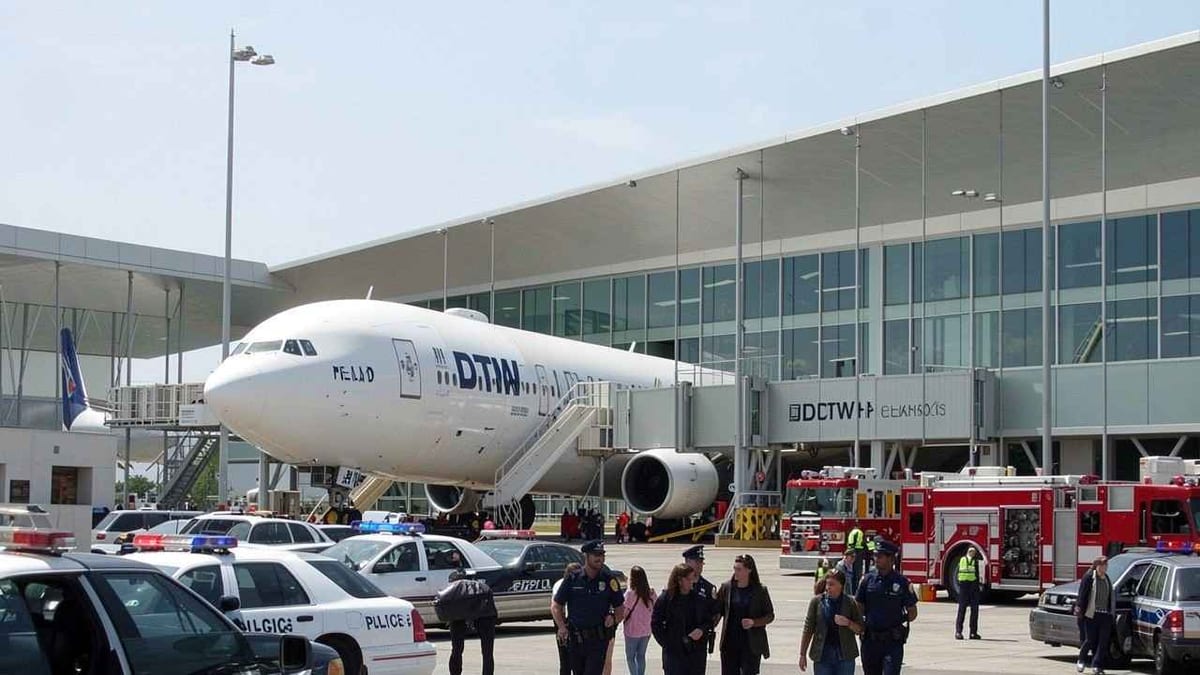
Short Fresno–Phoenix Sector Takes an Unexpected Turn
Flight AAL3017 was scheduled to connect Fresno Yosemite International Airport in California with Phoenix Sky Harbor International Airport in Arizona, a route that typically takes around 90 minutes and links California’s Central Valley with one of American Airlines’ key hubs. Instead of continuing directly to Phoenix, the aircraft diverted en route to Harry Reid International Airport in Las Vegas, Nevada.
Publicly available flight-tracking data indicates that the aircraft departed Fresno and proceeded on a generally southeasterly course consistent with the normal Fresno–Phoenix routing before altering course toward Las Vegas. The diversion placed the aircraft at another major Southwest hub, giving the airline more flexibility for ground handling, maintenance checks if needed, and onward connections for affected travelers.
While detailed timing data may vary by source, the track profile is typical of a mid-route diversion where continuing to the original destination is considered less favorable than landing at an alternate with suitable facilities. The decision point usually reflects a combination of weather, airspace congestion, and aircraft or crew considerations weighed against remaining fuel and airport capacity options.
Las Vegas regularly serves as a diversion airport for Phoenix-bound flights, particularly during periods of convective summer weather in the Sonoran Desert region. The infrastructure at Harry Reid International Airport allows airlines to handle multiple irregular operations events simultaneously, making it a logical choice for a flight like AAL3017.
Weather and Operational Pressures in the Phoenix Basin
According to recent regional aviation and weather coverage, Phoenix has seen episodes of intense summer thunderstorms and associated wind, rain, and lightning that can disrupt approach and departure flows. During such events, air traffic control may implement holding patterns, flow restrictions, or temporary ground stops, all of which increase the likelihood of diversions for inbound flights.
Reports from flight-tracking communities and passenger accounts over the past several weeks describe clusters of diversions into Las Vegas and other alternates when storm cells move directly over Phoenix. In some cases, aircraft have held near the airport before diverting; in others, flights have opted to route to alternates earlier to preserve fuel margins and avoid extended airborne delays.
For a relatively short sector such as Fresno to Phoenix, extended holding can quickly erode fuel reserves allocated for contingencies. Diversions under these conditions are a standard risk-management response rather than an indication of extraordinary peril. Airlines typically coordinate with dispatchers and air traffic control to identify the nearest suitable airport that offers both runway capability and ground support for the specific aircraft type.
Weather is only one factor that can drive such decisions. Traffic saturation, temporary runway closures, and downstream congestion in the terminal area can also make continued attempts to reach a destination less practical than proceeding to an alternate where the aircraft can land, refuel if necessary, and await an improvement in conditions or a revised operating plan.
What a Diversion Means for Passengers
For travelers on AAL3017, the diversion would have introduced uncertainty over arrival times and onward connections in Phoenix. Once an aircraft lands at an alternate airport, airline operations teams typically determine whether the same aircraft and crew can continue to the original destination or whether passengers should be rebooked onto other flights once conditions stabilize.
Publicly available guidance from airline customer resources explains that when a flight is diverted, carriers generally prioritize safety and regulatory requirements first, then work to manage passenger itineraries. Options may include resuming the original flight after refueling, transferring passengers to another aircraft positioned at the diversion airport, or rerouting them via different hubs if operationally feasible.
In a hub‑and‑spoke system such as American’s, a diversion on a feeder route like Fresno–Phoenix can ripple through the network, particularly if the aircraft was scheduled to operate subsequent legs. Depending on the duration of the delay and crew duty limits, downstream flights may be retimed or reassigned to different aircraft and crews.
Travelers affected by diversions are often encouraged through public-facing airline materials to monitor their booking via mobile apps or airport displays. Same‑day schedule changes, overnight delays, and hotel or meal support can vary based on the cause of the disruption, local regulations, and airline policy in the region.
American Airlines’ Use of Alternate Airports in the Southwest
American Airlines regularly operates a dense network of flights across the American Southwest, linking smaller markets such as Fresno with primary hubs like Phoenix. In this geography, Las Vegas functions as a frequent alternate because of its proximity, large airfield capacity, and ability to handle multiple mainline and regional operations during irregular events.
Past coverage of diversion events across different carriers illustrates a recurring pattern: when thunderstorms, dust storms, or extreme winds limit operations at Phoenix, inbound traffic may be redistributed among several alternates, including Las Vegas, Tucson, and occasionally military or secondary civil fields. This spreading of diversions helps avoid overwhelming any single airport’s gates, ramp space, and customs or security resources.
Analyses of U.S. flight delay and diversion data by aviation researchers have also highlighted the role of hub selection and aircraft routing practices in how airlines respond to sudden weather or operational disruptions. Carriers tend to favor alternates where they have existing ground handling contracts, maintenance capability, and options for repositioning aircraft back into the schedule once the disruption passes.
Within that context, the decision to divert AAL3017 from Fresno–Phoenix to Las Vegas aligns with typical operational strategies in the region. The choice balances the immediate need to land safely at a suitable airfield with longer-term considerations about how to return the aircraft and its passengers to the intended network flow.
Growing Scrutiny on Irregular Operations and Passenger Experience
Events like the diversion of AAL3017 continue to shape broader discussions in the United States about passenger rights, disruption management, and airline accountability. Federal transportation regulators have in recent years examined how carriers handle lengthy tarmac delays and communication with travelers during diversions, with enforcement actions and consent orders emphasizing timely deplaning and clear information.
Industry analysts note that while diversions are often unavoidable from a safety standpoint, the quality of the passenger experience during such events can vary widely. Access to accurate, prompt information about expected delays, rebooking options, and amenities can significantly influence how disruptions are perceived by travelers.
As summer weather patterns evolve and demand remains strong on regional routes across the Southwest, operators such as American Airlines continue to refine contingency planning for flights like Fresno to Phoenix. Data-driven models, real‑time meteorological inputs, and closer coordination between dispatch, crews, and airports are increasingly central to managing diversions while trying to limit knock‑on effects for passengers and the broader network.
The diversion of AAL3017 into Las Vegas stands as one of many examples showing how quickly conditions can change on even the most familiar routes, reminding travelers that what appears to be a straightforward hop across state lines is supported by a complex web of operational decisions unfolding in real time.