


More news on this day
WestJet’s mechanics strike has formally ended and the airline is rebuilding its schedule, but passengers across Canada are still facing days of disrupted itineraries, mounting expenses and uncertainty about their rights.
Get the latest news straight to your inbox!
A brief but damaging work stoppage
The labour dispute between WestJet and the Aircraft Mechanics Fraternal Association triggered a rapid shutdown of much of the airline’s network over the busy Canada Day long weekend. Published company statements show that mechanics walked off the job on June 28 after weeks of tense bargaining and a federal directive sending both sides into binding arbitration.
Within hours, WestJet began cancelling large portions of its schedule and parking aircraft across the country. Reports from Canadian broadcasters and local outlets indicate that more than 200 flights were cancelled over the first days of the strike, with tens of thousands of passengers forced to scramble for alternate arrangements at peak summer travel demand.
Despite the federal government’s attempt to stabilize the situation through arbitration, rulings by the national labour board allowed the strike to proceed. Analysts writing in Canadian media described the scenario as unprecedented in the country’s aviation sector, given that arbitration and a strike were effectively unfolding at the same time.
By June 30, WestJet announced a tentative resolution with the mechanics and confirmed the end of strike action. However, the airline also warned that returning to normal operations would take time as aircraft, crews and schedules were slowly reassembled.
Slow recovery across a stretched network
In corporate updates issued after the tentative settlement, WestJet acknowledged that the impact on its network was severe and that a full return to regular flying would not be immediate. The carrier highlighted the challenge of repositioning more than a hundred grounded aircraft and reuniting flight crews spread across multiple airports.
Publicly available information from the airline noted that disruptions would continue for several days as teams worked to rebuild the schedule. Even once the strike ended, rolling delays appeared as planes and crews were cycled back into service, creating fresh timetable changes that rippled across domestic and international routes.
Travel industry observers pointed out that the strike coincided with one of the busiest travel weekends of the year in Canada, leaving little spare capacity in the wider market. With competing airlines already heavily booked, many WestJet customers found limited alternatives when seeking rebooking options, extending the effective impact of the stoppage well beyond the official end date.
As operations gradually stabilized, WestJet emphasized that it was prioritizing stranded travellers and focusing on restoring core routes. Nevertheless, lingering schedule changes, missed connections and rebooked itineraries meant some passengers were still experiencing significant disruption days after flights had resumed.
Passengers navigate refunds, credits and regulations
With thousands of trips affected, attention quickly shifted from the mechanics’ picket lines to the question of compensation. WestJet’s public guidance referenced Canada’s Air Passenger Protection Regulations, which distinguish between disruptions within an airline’s control and those considered outside its control, such as certain labour disputes.
According to information posted by the airline and consumer advocacy groups, flights directly impacted by strike action are typically categorized as outside the carrier’s control. In such cases, passengers are generally entitled to rebooking or refunds rather than statutory cash compensation for delays, a distinction that has become central to many travellers’ grievances.
Reports from Canadian news outlets and passenger-rights organizations suggest that some travellers have struggled to secure hotel reimbursements or coverage for extra costs like alternative tickets, missed tours and additional ground transport. Advocates argue that many out-of-pocket expenses fall into a grey area not clearly covered by existing regulations, particularly when disruptions arise from labour conflicts.
WestJet has stated in public communications that, in certain situations, it has gone beyond its minimum legal obligations, including arranging hotel stays for some stranded passengers abroad. Even so, online forums and media coverage highlight ongoing frustration among travellers who say they are still waiting on responses to claims or are unclear about what support they can reasonably expect.
Reputational fallout during a critical travel season
The timing of the strike has raised questions about how quickly WestJet can repair its relationship with passengers at the height of the summer tourism period. Travel specialists quoted in Canadian coverage have noted that trust is a fragile commodity in aviation, particularly when travellers feel they were left without timely information or realistic options.
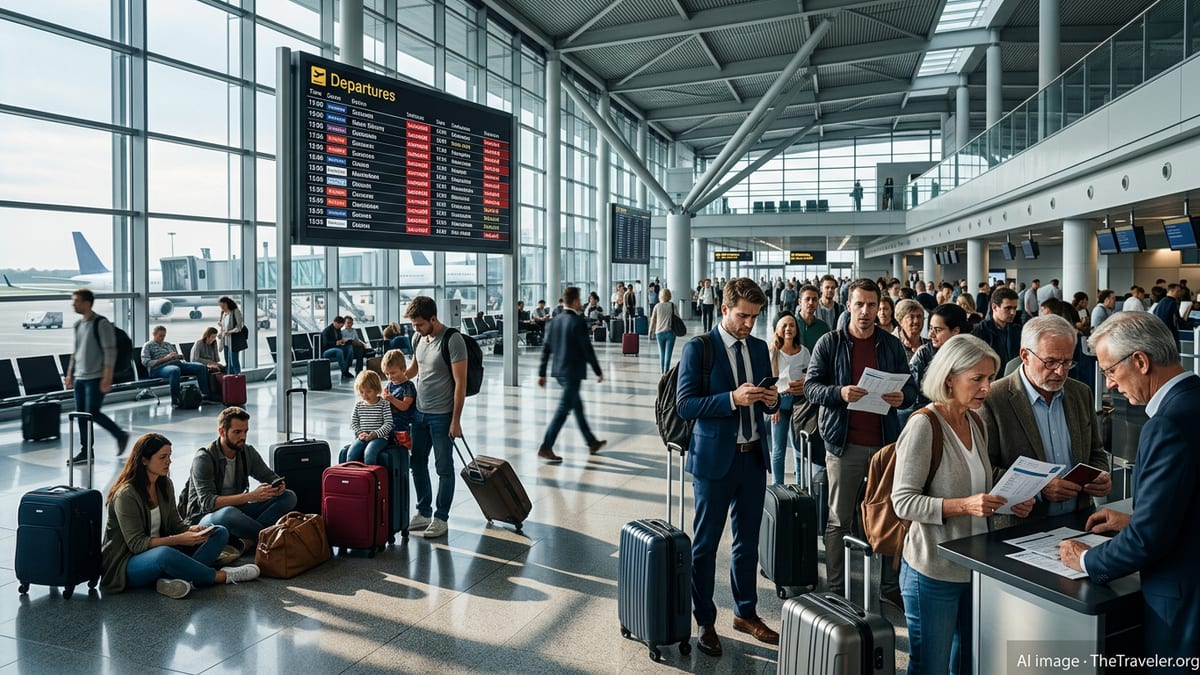
Scenes of long lines, crowded terminals and families sleeping at airports during the Canada Day weekend have circulated widely in traditional and social media. These images risk reinforcing a broader narrative of fragility in Canada’s air transport system, coming after several years of pandemic-related disruptions and earlier episodes of operational strain.
Industry commentators point out that WestJet is not alone in facing labour tensions and operational challenges. However, the combination of a sudden strike, a complex arbitration backdrop and a protracted recovery has drawn particular attention to the airline’s contingency planning and communication strategy.
How WestJet handles outstanding claims, communicates schedule changes and supports customers over the coming weeks is likely to shape public perception well beyond this single event. For many travellers whose holiday plans were derailed, the end of the strike has not yet meant the end of their travel ordeal.
Lessons for travellers planning upcoming trips
The fallout from the WestJet stoppage is already influencing the way many Canadians are thinking about future travel. Insurance specialists cited in national coverage have observed rising interest in trip interruption and cancellation policies, particularly those explicitly covering labour disruptions.
Travel advisers are encouraging passengers to build more buffer time into itineraries that involve tight connections or major events, especially during peak holiday weekends. Some are also recommending that travellers familiarize themselves with the Air Passenger Protection Regulations before booking, so they have a clearer sense of their rights if schedules unravel.
The recent events have further highlighted the importance of maintaining flexible travel arrangements, including refundable bookings where possible and a backup plan for critical journeys. While such measures cannot eliminate the risk posed by sudden labour disputes, they can help reduce the financial and logistical shock when flights fail to depart as planned.
For WestJet and the wider industry, the strike has underscored how quickly a localized labour dispute can cascade into a national travel disruption. For passengers still untangling rebookings and reimbursements, the formal end of the strike is only one milestone in a much longer journey back to normal.