


More news on this day
WestJet is working to stabilize its flight schedule after a brief but disruptive strike by flight attendants led to hundreds of cancellations over a busy holiday weekend, leaving many travelers across Canada and on transatlantic routes facing ongoing delays and rebookings.
Get the latest news straight to your inbox!
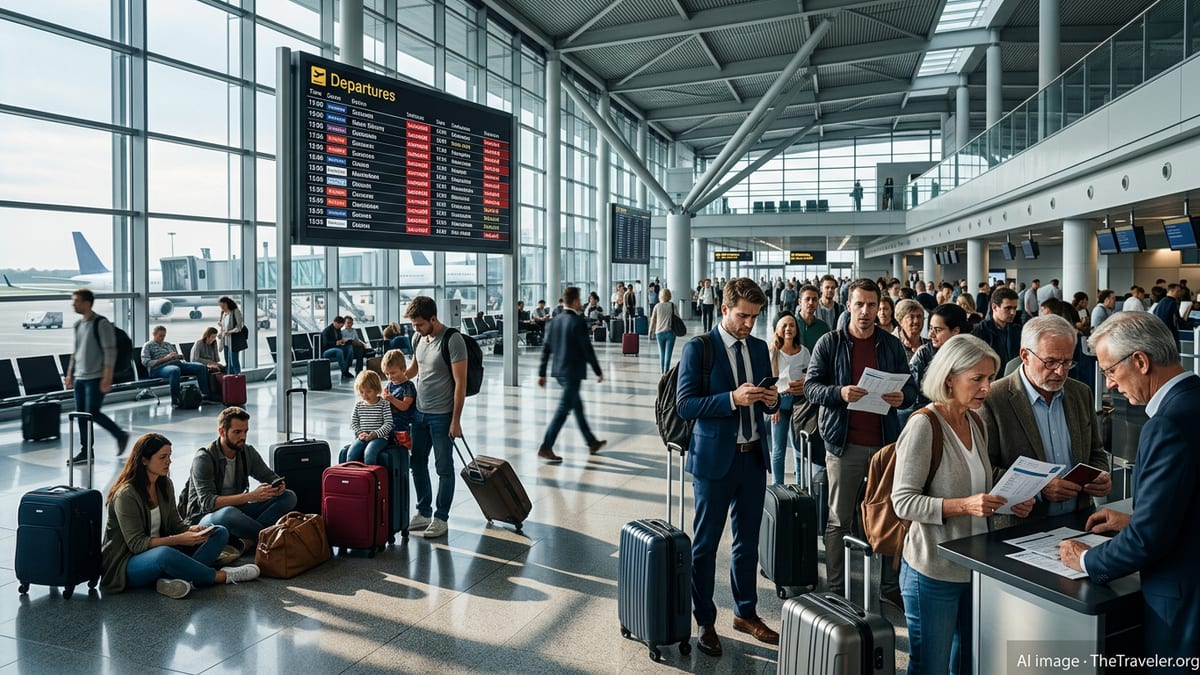
Strike ends but operational ripple effects continue
Published coverage indicates that WestJet and the union representing its flight attendants reached a tentative agreement on August 3, bringing an end to a walkout that began on August 2 and quickly disrupted operations. News reports describe hundreds of flights canceled over the long weekend, affecting routes across Canada as well as select international services.
Although the strike has been suspended, the airline is still working to reposition aircraft and crew, and to clear a backlog of passengers whose trips were interrupted. Publicly available information from travel forums and social media posts shows that some travelers continue to face multi day delays, last minute schedule changes, and confusion over rebooked itineraries.
WestJet has stated in public updates that teams are focused on restoring the network and getting guests to their destinations as quickly as possible. However, the complex task of restarting a large schedule after a mass cancellation event typically takes several days, meaning that disruptions are lingering even as new industrial action is no longer expected in the immediate term.
Travelers with onward connections on partner airlines or separate tickets have reported particular challenges, as missed WestJet segments can cascade through multi carrier itineraries. This has left some passengers seeking assistance from both the airline and third party travel agencies to piece together alternative journeys.
Hundreds of cancellations strain summer travel plans
According to widely cited news reports, WestJet canceled close to 500 flights on Sunday, August 2 alone, at the height of the strike. Those cancellations came at one of the busiest points of the Canadian summer travel season, overlapping with a long weekend that traditionally sees high demand for both domestic and leisure international routes.
Passengers posting on consumer rights forums describe overnight airport waits, extended holds on customer service phone lines, and difficulty securing clear information about whether flights would operate. Some reported receiving notifications that flights were canceled only after arriving at the airport, while others said they received partial rebookings that were later changed or not fully ticketed.
The disruption has been especially acute for travelers on long haul itineraries involving WestJet transatlantic services from Canadian hubs such as Calgary, Halifax, and Toronto. In those cases, missed outbound legs have meant lost connections to European destinations and uncertainty over return segments, adding to the stress for families and vacationers who planned trips months in advance.
With aircraft and crews out of position following the strike period, some routes remain on reduced frequencies as the carrier rebuilds its network. This has limited the availability of open seats on alternative flights, forcing some travelers to accept multi stop routings or departures several days later than originally planned.
Flexible policies and passenger rights in focus
In response to the labor dispute and subsequent strike, WestJet introduced temporary flexible travel policies covering trips during the affected window, allowing one time changes or cancellations without fees for eligible bookings. Online advisories and airline statements indicate that these waivers have been extended through the early days of August as the carrier works through the disruption.
However, accounts shared by passengers suggest that using these options has not always been straightforward. Travelers who booked through online travel agencies or package providers describe being directed back and forth between intermediaries and the airline, with each party citing limitations in their ability to modify tickets while flights still appeared as scheduled in reservation systems.
The situation has also renewed attention on Canada’s Air Passenger Protection Regulations. Public information about the rules notes that labor disruptions are generally categorized as outside an airline’s control, which can limit obligations for compensation even when customers experience extensive delays or cancellations. Consumer advocates have highlighted that passengers may still be entitled to refunds if flights are canceled and they choose not to travel, particularly when no reasonable alternative is offered.
Some travelers report pursuing chargebacks through credit card providers or considering legal options where they believe rebooking efforts or refund processes have fallen short. These experiences underline the importance for passengers of documenting communications with carriers and understanding the distinction between compensation and refund rights during labor related disruptions.
Advice for travelers with upcoming WestJet flights
While WestJet works to restore normal operations, travel industry analysts and consumer groups are urging passengers with upcoming flights to monitor their bookings closely. Checking flight status repeatedly in the 24 hours before departure, confirming any rebooked segments, and ensuring contact details are up to date in reservations can help travelers receive timely notifications of changes.
Some trip planning resources recommend building extra time into itineraries that rely on WestJet connections in the coming days, particularly for international journeys or those involving separate tickets. Where possible, travelers may wish to avoid tight layovers, given the risk that residual delays could still cause missed onward flights.
For those whose travel is flexible, options may include voluntarily moving trips later in August, using the airline’s change policies where they remain in effect, or exploring refundable alternatives on other carriers. Passengers who must travel on specific dates are being advised by consumer advocates to arrive early at the airport, bring documentation of all booking details, and prepare for longer lines at check in and customer service counters.
Families and travelers with special needs are also being encouraged to contact the airline well in advance to reconfirm assistance arrangements, as airport and onboard staffing patterns may still be adjusting. Having contingency plans for accommodation and meals in case of unexpected overnight stays can further reduce the stress of potential last minute changes.
Longer term implications for WestJet and its customers
The tentative agreement with flight attendants appears to have prevented a prolonged shutdown of WestJet’s mainline operations, but the episode has nonetheless tested customer loyalty at a time when competition in the Canadian market is intensifying. New entrants and expanding low cost carriers have been seeking to attract price sensitive travelers, while legacy rivals continue to vie for premium and long haul passengers.
Travel commentators note that the strike and subsequent disruptions came after a period of broader operational challenges for airlines worldwide, including weather related delays, air traffic control constraints, and staffing shortages. For WestJet, the labor dispute has highlighted the delicate balance between maintaining reliable service and addressing workforce concerns about compensation and working conditions.
In the weeks ahead, performance metrics such as on time arrivals, completion rates, and customer satisfaction scores will likely be closely watched as indicators of how quickly the airline can rebound from the disruption. The carrier’s handling of refunds, vouchers, and goodwill gestures may also play a role in whether affected passengers choose to book again or shift their loyalty elsewhere.
For travelers, the events of early August serve as a reminder of how rapidly labor negotiations can affect flight plans, even at short notice. Industry observers suggest that purchasing travel insurance that covers carrier strikes, booking flexible or refundable fares when possible, and keeping backup options in mind can all help mitigate the impact of future disruptions, whether at WestJet or any other airline.