


Alligator Reef, off Islamorada in the Florida Keys, offers an opportunity to explore a vibrant marine environment without needing to travel far from the Upper Keys. The reef is associated with clear tropical waters, coral formations, and marine life that can make an underwater outing memorable. Conditions vary with weather, visibility, and current, so each trip can offer a different view of the surrounding ecosystem.
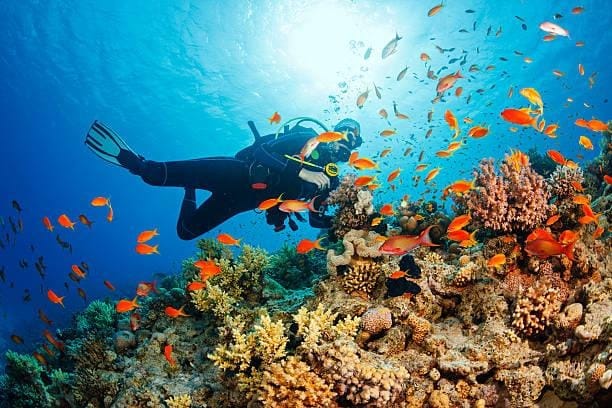
An Alligator Reef dive trip appeals to visitors who want to experience the underwater side of the Florida Keys rather than spend the entire day on shore. With appropriate equipment, a qualified guide, and respect for the reef, divers can enjoy a closer look at a habitat that supports a variety of marine species.
An Alligator Reef dive trip appeals to visitors who want to experience the underwater side of the Florida Keys rather than spend the entire day on shore. With appropriate equipment, a qualified guide, and respect for the reef, divers can enjoy a closer look at a habitat that supports a variety of marine species.
Explore a Reef with a Distinctive Setting
Alligator Reef lies offshore from Islamorada and is marked by the historic Alligator Reef Light. The structure is a recognizable feature above the water, while the reef below forms part of the marine environment that attracts boaters, snorkelers, and divers.
The area's appeal comes from the chance to experience a natural reef ecosystem in a well-known Florida Keys setting. Coral formations provide habitat for fish and other marine organisms, although the specific species and conditions visible on any outing depend on the day.
A responsible operator will explain the planned site, expected conditions, and any limitations before entering the water. This preparation helps visitors understand what to expect and how to protect the environment.
See Marine Life in Its Natural Habitat
Reef environments can support colorful reef fish, sponges, corals, and other marine organisms. Depending on conditions and the location visited, divers may notice schools of fish moving around reef structures or smaller creatures sheltering among natural formations.
Wildlife sightings cannot be guaranteed, and the reef should not be treated as an aquarium. Patient observation often provides a better experience than chasing animals or touching the surrounding habitat.
Divers should maintain good buoyancy control and avoid contact with coral. Even an accidental fin strike can damage fragile organisms, so listening to the dive briefing and following the guide's instructions is important.
Make Safety Part of the Experience
A successful dive begins before entering the water. Divers should be appropriately certified for the planned depth and conditions, use properly maintained equipment, and follow established diving procedures.
Weather, current, visibility, and sea conditions can change, affecting whether a site is suitable. Ask the operator about the expected conditions, group size, guide arrangements, and any experience requirements. Beginners should be clear about their training and comfort level rather than assuming every trip is suitable for new divers.
If conditions are unsuitable, a responsible operator may change the site or reschedule the trip. Safety should take priority over reaching a particular reef.
Protect the Florida Keys Marine Environment
The Florida Keys' coral reefs are ecologically important and vulnerable to physical damage and environmental stress. Visitors can help protect them by following local regulations and choosing operators who emphasize conservation.
Never stand on, collect, or deliberately touch coral. Keep a safe distance from marine animals, secure loose equipment, and avoid leaving waste in the water. Follow guidance about sunscreen and other products where relevant to local conservation recommendations.
Responsible diving helps preserve the underwater environment for future visitors while allowing marine life to remain undisturbed.
Prepare for Your Trip
Before booking, confirm what the excursion includes, such as tanks, weights, rental equipment, guide services, and boat transport. Ask whether you need to bring proof of certification, personal dive gear, food, or drinking water.
It is also sensible to review cancellation policies and discuss any medical or fitness concerns with an appropriate professional before diving. After a dive, follow established guidance on flying and altitude exposure, including the recommended surface interval.
Key Takeaways
- Alligator Reef diving offers a chance to explore the underwater environment near Islamorada.
- Marine life and visibility vary with conditions, so sightings are never guaranteed.
- Choose an operator that prioritizes qualified guidance and appropriate safety procedures.
- Maintain buoyancy and avoid touching or damaging coral.
- Confirm equipment, certification requirements, and trip inclusions before booking.
- Follow local conservation rules to help protect the Florida Keys reef ecosystem.
- Let safety and environmental responsibility guide every dive decision.