

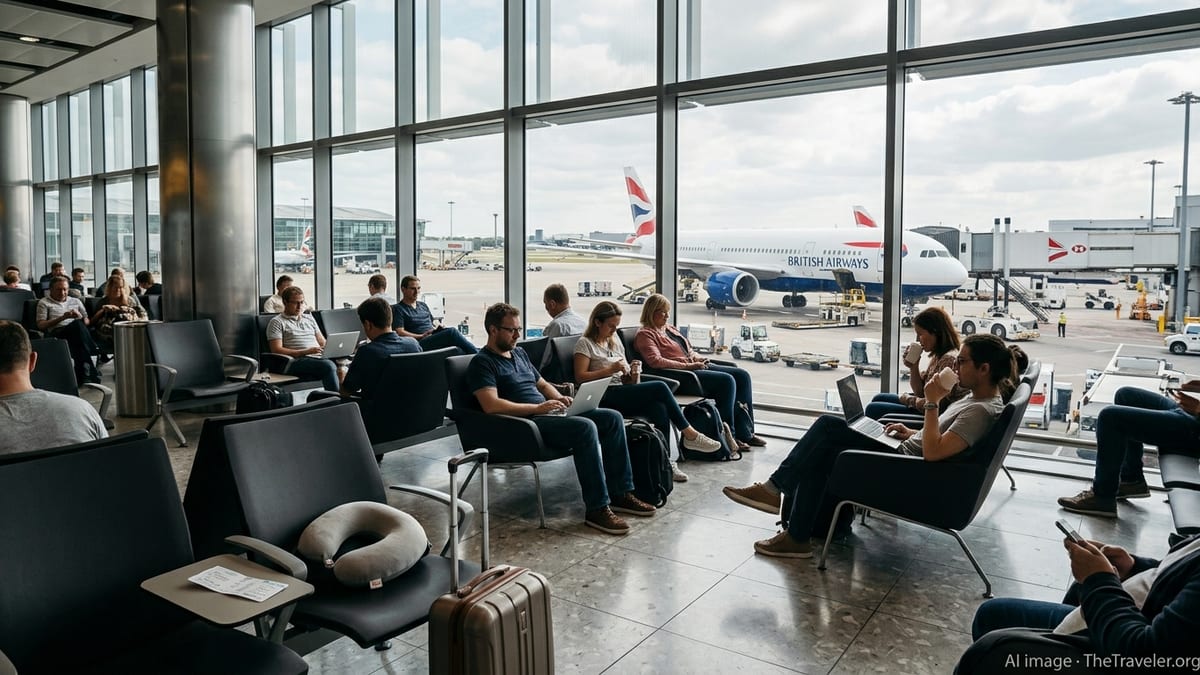
Understand Your Layover: Time, Terminal and Transit
The first decision is whether you should stay airside or head into London. As a rough guide, if your layover is under about five hours, it is usually safest and most relaxing to stay at Heathrow. Check your itinerary to confirm whether your bags are checked through and whether you need to clear UK border control. Many through‑tickets keep you airside the whole time, especially on alliances such as oneworld via Terminal 5 or Star Alliance via Terminal 2.
Your terminal matters. Today, Heathrow actively operates Terminals 2, 3, 4 and 5. British Airways and Iberia are concentrated in Terminal 5, most Star Alliance carriers use Terminal 2, while Terminal 3 and Terminal 4 host a mix of long‑haul airlines from North America, the Middle East and Asia. Before you land, use your airline app to confirm your arrival and departure terminals and look at the minimum connection time your ticket allows. Changing between Terminal 2 and 3 is a short indoor walk; moving to or from Terminals 4 or 5 usually means a short transfer by free rail services or shuttle.
If you will be changing terminals, allow at least 75 to 90 minutes from gate to gate at busy times. You need to follow the purple “Flight Connections” signs, pass through security screening again, and then walk out to your next gate. For example, a traveler arriving into Terminal 3 on a transatlantic flight and connecting to Terminal 5 for a British Airways departure might spend 20 to 30 minutes walking and transferring between terminals before even starting security. Building this into your plan helps you decide whether you have time for a sit‑down meal, a shower, or simply a walk and coffee near your gate.
Finally, check whether you must clear immigration. If your bags are not checked through, or you have separate tickets, you may need to enter the UK, collect luggage and re‑check it. That adds substantial time at passport control and check‑in. In those situations, even a six‑hour layover may feel tight for a trip into central London and back, so you are usually better off staying at or near the airport.
Stay Airside: Lounges, Quiet Corners and Showers
For layovers of three to eight hours, booking an independent pay‑per‑use lounge is often the most comfortable option. At Heathrow, brands such as Plaza Premium and Club Aspire operate lounges across Terminals 2, 3, 4 and 5, and No1 Lounges and their upmarket Clubrooms concept are present in Terminal 3. Typical walk‑up prices for independent lounges range roughly from 40 to 55 pounds for a three‑hour stay, and include soft drinks, coffee, buffet food and in many cases shower access. Prices can be a little lower if you book ahead online or arrive at off‑peak times.
In recent seasons, Plaza Premium has refreshed several Heathrow lounges, for instance reopening its Terminal 3 lounge and adding a new location in Terminal 4. A two‑hour visit at Terminal 4 can cost just under 50 pounds for walk‑up access, with longer packages priced higher, so it is worth checking the difference between a short and extended stay before you pay. Travelers with certain bank or travel‑rewards cards may receive complimentary access, so checking your card benefits before you fly can be worthwhile, particularly if you route through Heathrow regularly.
If you prefer not to pay for lounge access, each terminal offers quieter areas away from the central departure halls. Terminal 5, for example, has a quieter seating zone behind some of the larger duty‑free and retail areas in the A‑gates concourse, which frequent flyers often use as an informal “free lounge” to nap or work. Terminal 2’s satellite gates, reached via a short underground walkway, are usually calmer than the main departures hall and have large windows overlooking the airfield, good for plane spotting while you wait.
Many long‑haul travelers look for showers to freshen up. Heathrow does not currently offer free public shower blocks in the main terminal areas, so most showers are found inside lounges or in airport hotels. Independent lounges in Terminals 2, 3, 4 and 5 typically allow shower use at no extra charge once you are inside, although availability can be limited at peak times. If a shower is a priority, arrive early in your booked slot and ask at reception so they can place you on the list. In a pinch, some nearby hotels attached to the terminals may sell “day use” spa or gym access that includes showers.
Eat and Drink: From Quick Bites to Long Lunches
Heathrow’s food scene has changed a great deal from the days of basic fast‑food. Today each terminal offers a mix of high‑street names and more upscale restaurants. In Terminal 5, for instance, you will find outlets offering sit‑down British and European menus alongside grab‑and‑go chains selling sandwiches, salads and barista coffee. A typical main course at a mid‑range airside restaurant might be priced in the mid‑teens in pounds, with soft drinks and service on top, while takeaway sandwiches and snacks can be considerably cheaper.
Terminal 2 features a central dining area with several recognizable international brands serving pizza, Asian noodles, burgers and vegan options. If you have a shorter layover of two to three hours, it is wise to choose a restaurant very close to your gate’s pier so you do not lose time walking back when boarding starts. Menus are posted outside most venues, and many now support mobile ordering or QR‑code menus, making it easier to keep an eye on the time while you eat.
Those on early‑morning layovers can take advantage of all‑day breakfast menus that run well into mid‑morning. A cooked breakfast with eggs, toast and coffee will often cost a little more than the pre‑packed pastries you can find at the coffee chains, but may be worth it if you want something more substantial before a long second flight. At busy times, some restaurants in Terminals 3 and 5 use virtual queues or host stands. If your connection is tight, ask about expected wait times before committing.
If you prefer to eat in the lounge, remember that buffet quality and variety differ by brand and time of day. At peak evening hours, long‑haul heavy terminals such as 3 and 4 can see lounges get crowded, with food and drink replenished frequently but seating harder to find. Travelers have reported that at quieter times in the late morning or mid‑afternoon, lounges can feel more relaxed, making them a better option if you want to spend an hour or two with a plate of hot food and a glass of wine well away from the main concourse.
Shop, Explore and Stretch Your Legs
Even if you do not intend to buy anything, walking the length of your terminal can be a productive way to beat jet lag and get a feel for Heathrow. Terminals 2 and 5 in particular are lined with a combination of duty‑free stores, luxury boutiques and high‑street shops selling books, electronics, skincare and souvenirs. Window‑shopping your way from one end to the other can easily take 30 to 45 minutes, especially if you browse in popular British brands or pick up last‑minute travel accessories such as universal adapters or noise‑cancelling earbud tips.
Prices at airside shops are often similar to or slightly above central London, although promotions can make some items, like travel‑exclusive cosmetics sets or fragrance gift boxes, reasonably good value. If you are tempted by larger items such as designer handbags, remember that carrying them on board may count toward your hand‑baggage allowance, which is strictly applied on some airlines. Where possible, staff can arrange “shop and collect” for UK residents on outbound flights, allowing you to pick up purchases on your return through Heathrow.
Beyond shops, each terminal has places to sit and watch aircraft movements. Terminal 2’s large windows near some of the long‑haul gates give broad views across several runways, making it a favourite area for aviation enthusiasts armed with cameras or simply passengers enjoying the sight of wide‑body jets arriving and departing. In Terminal 5, the B and C satellite buildings are linked to the main building by an underground transit, and their gate areas are generally quieter, ideal if you want a peaceful corner to walk laps or do some gentle stretching away from the crowds.
If you are travelling with children, look for the designated play areas signposted around the terminals. These soft‑play zones and activity corners are designed to let younger passengers burn off energy before boarding. They can be particularly helpful on long layovers when kids have been cooped up on a night flight and are facing another long sector. Allow at least 10 to 15 minutes to locate the nearest play space to your gate, especially in large terminals like 5 where walking distances can be deceptive.
Sleep, Reset and Freshen Up Between Flights
On overnight or early‑morning layovers, sleep can be more valuable than any amount of shopping. Heathrow has several connected hotels that cater specifically to transit passengers. The Sofitel at Terminal 5 is linked directly to the terminal building via a short indoor walkway, making it popular for travelers with long overnight connections who want a proper bed and quiet room without needing a shuttle bus. Similar hotels are located near Terminals 2 and 3, including properties with day‑room rates that allow check‑in for a block of hours in the middle of the day.
Day‑use rooms are typically priced below a full overnight stay but can still represent a significant outlay, so they are best suited to layovers of six hours or more, or for those arriving very early after a red‑eye and continuing late that evening. For example, a traveler arriving from Asia into Terminal 3 around 5 am with an evening departure to North America might book a day room nearby, nap for several hours, shower, then return airside feeling much more human. When comparing rates, factor in whether the hotel is landside or connected airside, and whether you will need to clear immigration to reach it.
Inside the terminals, many passengers improvise sleeping arrangements in quieter seating areas or at unused gates. If you plan to rest airside, bring a compact travel pillow and eye mask, and keep valuables secured. Heathrow’s seating includes some benches without armrests in certain corners of Terminals 2 and 5, which are easier to lie down on than the standard rows of chairs. Noise levels vary; while most terminals quieten slightly late at night, cleaning and maintenance can continue around the clock.
Freshening up is another key part of resetting between flights. As mentioned, most public showers are inside lounges or hotels rather than in free‑to‑use blocks. Some premium lounges in Terminals 2 and 4 offer spa‑style treatments such as short massages or facials, usually at extra cost on top of the lounge entry fee. If you do not want to pay lounge prices, a simple refresh kit with travel‑size toiletries, face wipes and a change of clothes can go a long way when used in standard restrooms. Many washrooms across the terminals have baby‑change facilities and larger accessible cubicles, useful for families who need extra space to reorganize before the next flight.
Heading into London: When It Makes Sense
For layovers of roughly eight hours or more, and when you do not need to remain airside for a through‑connection, a quick trip into London can be worthwhile. The main rail options from Heathrow are the Heathrow Express, the Elizabeth line and the London Underground Piccadilly line. The Heathrow Express runs to London Paddington in about 15 minutes from Terminals 2 and 3, and around 21 minutes from Terminal 5, making it the fastest choice but usually with the highest fares. The Elizabeth line provides a direct link to central stations such as Tottenham Court Road and Liverpool Street, typically taking around 30 to 40 minutes from Heathrow.
The Piccadilly line is the budget‑friendly option, with relatively low fares but journey times that can approach an hour or more to some central stops. It is particularly convenient for reaching areas like South Kensington, home to free‑entry museums such as the Natural History Museum and the Victoria and Albert Museum. If you have limited time, consider focusing on a single neighbourhood rather than trying to criss‑cross the city. For instance, a four‑hour window in central London might allow a relaxed walk through Hyde Park followed by a coffee in nearby Kensington or Mayfair, before heading straight back to Paddington or a Piccadilly line station.
When planning an excursion, allow generous buffers for immigration, baggage (if needed), buying rail tickets and security on your return. Many seasoned travelers suggest having at least three and a half to four clear hours in central London, excluding all airport formalities and travel time, to make the trip feel worthwhile. That often means a total layover of eight to ten hours or more. Keep a close eye on your boarding time and remember that for long‑haul flights from Heathrow, gates can close well before departure, especially in busy terminals like 3 and 5.
If you decide not to go as far as central London, nearby towns such as Windsor or Richmond can be attractive alternatives for longer daytime layovers. They are closer than the West End and offer pleasant riverside walks, cafes and traditional pubs. Reaching them typically involves a combination of rail and sometimes bus or taxi, so they are best considered only when you have a genuinely long stop and are comfortable navigating local transport.
Terminal‑by‑Terminal Highlights and Practical Tips
Each Heathrow terminal has its own personality, and understanding the differences can help you tailor your layover. Terminal 2, the Queen’s Terminal, feels relatively modern and compact, with an easily navigable departures hall and a good mix of European and long‑haul flights. Its central atrium is dominated by shops and restaurants, but if you walk toward the satellite gates you will find calmer seating zones and large windows. For Star Alliance travelers, a combination of airline lounges and at least one independent lounge offers multiple options for a quieter stay.
Terminal 3, used by several major long‑haul carriers, can be lively at peak times. It is home to a cluster of airline‑operated lounges as well as independent spaces and premium lounges such as Clubrooms, which was introduced as an upmarket option with more private seating and enhanced dining. For travelers without status, a paid lounge here can be a significant upgrade on crowded gate areas, particularly before overnight flights to North America or Asia. Just be sure to locate your departing gate early, as some are a reasonable walk from the central atrium.
Terminal 4 hosts a variety of airlines, including several from the Middle East and Asia, and has seen renewed attention with a refreshed Plaza Premium lounge and other upgraded facilities. Because it is not directly connected to Terminals 2 and 3 by foot, many passengers here are either starting or ending journeys rather than just transiting, which can make the terminal feel slightly less hectic between banked flight times. If your layover involves Terminal 4, check ahead how you will transfer there, whether by free rail services or shuttle, and factor that into your time calculations.
Terminal 5 is British Airways’ main home and one of Heathrow’s largest and busiest terminals. It has multiple concourses (A, B and C), linked by underground transit, and a wide array of food, drink and shopping options. The attached Sofitel hotel makes overnight layovers straightforward for BA passengers, and several airline‑run lounges cater to premium and status customers. For economy passengers, independent lounges, quiet seating areas and numerous cafes offer alternatives to simply waiting at the gate. Because of the size of Terminal 5, always check whether your flight is departing from the main building or a satellite, and allow at least 10 to 15 minutes to transfer once your gate is announced.
The Takeaway
A Heathrow layover can be as bare‑bones or as indulgent as you make it. With a little planning based on how long you have and which terminal you are using, you can decide whether to splurge on a lounge with hot showers, enjoy a sit‑down meal overlooking the runway, or just find a quiet corner to nap and recharge. For longer daytime stops, a quick dip into central London or a nearby town is perfectly feasible as long as you build in generous buffers for border checks and security.
Think in layers: first confirm your terminal and connection time, then choose one or two priorities such as rest, food, shopping or a short excursion. Pack a few essentials like a travel pillow, charger and basic toiletries so that even if queues are longer than expected, you can still freshen up and rest comfortably. With these simple strategies, Heathrow becomes less of an obstacle and more of a flexible pause in your journey, giving you space to reset before the next leg of your trip.
FAQ
Q1. Is a 2‑hour layover at Heathrow enough to make a connection?
For a through‑ticket on the same airline or alliance, 2 hours can be workable, especially for same‑terminal connections. If you must change terminals or clear immigration and re‑check bags, it may feel tight and you should move directly to your next gate following Flight Connections signs.
Q2. Can I leave the airport during a Heathrow layover?
Yes, if you meet UK entry requirements and your ticket allows it. For a relaxed trip into London, many travelers prefer a total layover of at least 8 to 10 hours to allow time for immigration, transport, sightseeing and security on the way back.
Q3. What is the fastest way to get from Heathrow to central London?
The Heathrow Express train is usually the fastest option, taking around 15 minutes from Terminals 2 and 3 to London Paddington and about 21 minutes from Terminal 5. It is generally more expensive than the Elizabeth line or the Piccadilly line Underground.
Q4. Are there showers available at Heathrow Airport?
Most showers at Heathrow are inside airline or independent lounges, or in nearby hotels, rather than in free public blocks. If a shower is important to you, consider booking a lounge that advertises shower facilities or a day‑room at an airport hotel connected to your terminal.
Q5. Do I need to book a lounge at Heathrow in advance?
Advance booking is not strictly required but is recommended at busy times, such as holiday periods and weekday evenings. Independent lounges at Heathrow can reach capacity and turn away walk‑up guests, so reserving a slot online helps secure access, especially for groups or families.
Q6. Is it worth paying for a Heathrow lounge during a short layover?
For layovers of three hours or more, many travelers find lounge access worthwhile for the quieter space, food, drinks and showers. For very short connections under two hours, you may not have enough time to enjoy the facilities, so your money might be better spent on a quick meal or snack near your gate.
Q7. Are there quiet areas to rest in the terminals without a lounge?
Yes. In each terminal there are quieter seating zones away from the main retail halls, including some corners and satellite gate areas with less foot traffic. Terminal 5, for example, has calmer spaces behind some large duty‑free stores in the A‑gates concourse, where passengers often rest between flights.
Q8. Can I store my luggage at Heathrow during a long layover?
Heathrow offers paid left‑luggage facilities where you can store checked‑size bags and hand luggage for several hours or longer. This can be useful if you want to explore the airport more freely or take a quick trip into London without carrying all your belongings.
Q9. How early do I need to be back at Heathrow before my next flight?
For short‑haul European flights, being back at your terminal 2 hours before departure is usually sensible; for long‑haul flights, 3 hours is a common guideline. If you are arriving from outside the airport during a layover, add extra cushion for security queues and walking distances to your gate.
Q10. Is Heathrow easy to navigate for families and less mobile travelers?
Yes, but it is large, so allow extra time. All active terminals have lifts, accessible restrooms, family rooms and play areas for children. Mobility assistance can be pre‑booked through your airline, and staff in purple‑branded uniforms are stationed throughout the terminals to help with directions or support if you are unsure where to go.