


Lindblad Expeditions is one of the best-known names in small-ship expedition cruising, operating in partnership with National Geographic and sailing everywhere from Alaska and Baja California to Antarctica and the Galápagos. Before you put down a hefty deposit on a trip that can easily run into five figures per person, it is worth understanding what booking with Lindblad actually gets you, how their voyages work in real life, and which details can surprise travelers used to more conventional cruises or land tours.
Get the latest updates straight to your inbox!
Who Lindblad Expeditions Is Really For
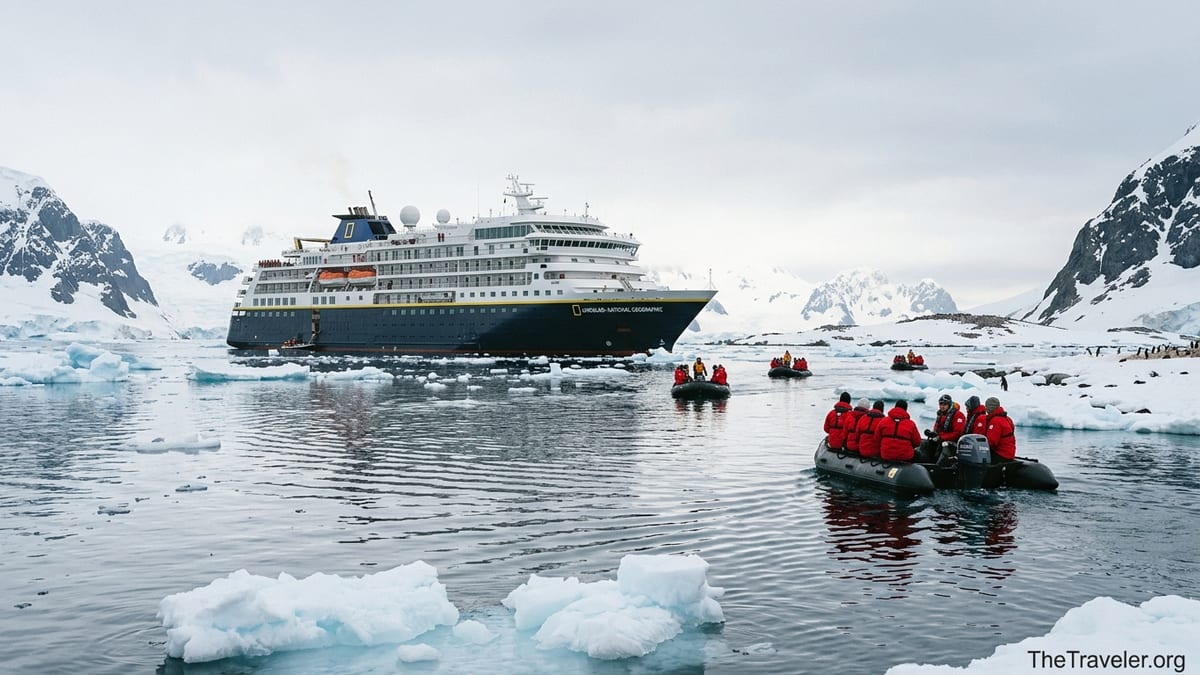
Lindblad Expeditions specializes in small, purpose-built ships that usually carry between about 50 and 150 guests and focus heavily on natural history, photography, and remote wilderness. The line’s partnership with National Geographic means that many sailings bring photographers, scientists, and naturalists on board to lead talks, guide landings, and help guests get better wildlife shots. This is very different from a big-ship Caribbean cruise with casinos and Broadway-style shows; a typical Lindblad evening might involve a recap of the day’s whale sightings, a lecture on glaciology, and time editing photos rather than late-night dancing.
In practice, that makes Lindblad a strong fit for travelers who are curious about the natural world and do not mind trading traditional cruise “luxuries” for access and expertise. For example, someone choosing an Alaska expedition on National Geographic Quest or Venture is usually more excited about zodiac landings in remote fjords and watching brown bears along a salmon stream than about multiple restaurants or spa facilities. If you are happiest with a pair of binoculars in hand and do not mind practical outerwear at dinner, you are squarely in their core audience.
On the flip side, travelers who primarily want white-glove luxury, extensive entertainment, or sprawling suites might feel underwhelmed relative to what ultra-luxury operators offer at similar price points. Reviews of Lindblad’s Alaska and Mexican Riviera voyages frequently praise the naturalist team and access to wildlife, but some guests note that standard cabins are compact and that food and service, while generally good, are not on the same level as luxury cruise lines that charge comparable per-night rates.
Lindblad is also popular with multi-generational families, especially on school holiday departures in the Galápagos and Alaska. National Geographic’s Global Explorers program gives kids structured activities, scavenger hunts, and hands-on learning, which can make a remote expedition more engaging for an eight-year-old than a long series of lectures. That said, the product is fundamentally educational, so children and teens who would rather have water slides and video arcades may be happier elsewhere.
Understanding Itineraries, Seasons, and Pricing
Lindblad’s ships roam widely: National Geographic Resolution and Endurance handle polar itineraries, including Antarctica and the Arctic; Islander II, Endeavour II, and Delfina are fixtures in the Galápagos; while ships such as National Geographic Quest, Venture, Sea Bird, and Sea Lion cover Alaska, Baja California, and Central America. Each region has a fairly defined season, which matters for both wildlife and pricing. For instance, Alaska departures typically run from late spring through early fall, with shoulder-season voyages in May and September often costing less than peak July family sailings.
Per-person prices are high compared with mainstream cruising but roughly in line with other serious expedition operators. A week-long Alaska voyage on National Geographic Venture can easily start around the mid four figures per person for an entry-level cabin, before international flights and optional extensions. Antarctica itineraries on the polar-class ships, particularly longer routes that include South Georgia or the Falklands, commonly run into the low to mid five figures per person. In the Galápagos, seven-night sailings are often priced in the high four to low five figures, depending on cabin category and season, which is comparable to other top-tier naturalist-led operators in the islands.
These headline prices typically include most things once you are aboard: expedition activities, guided hikes, zodiac cruises, most onboard lectures, and standard meals. In many destinations, alcoholic drinks, internet access, gratuities, or certain specialty excursions can add to the bill. On some promotions, Lindblad offers early booking discounts, solo traveler savings on select departures, or group reductions if eight or more guests book together under one reservation, but you should view any discount against a high base fare rather than expecting a bargain cruise deal.
Before you book, drill into the specific day-by-day itinerary and the ship assigned. For example, a “Baja California & the Sea of Cortez” itinerary might vary from wildlife-focused whale season sailings in January and February to more general natural history trips later in spring, and some departures use larger ships than others. On polar trips, pay attention to whether the voyage crosses or flies over the Drake Passage, how many actual landing days are scheduled, and whether a one-way or round-trip charter flight is involved, as that affects both cost and risk of disruption.
Booking, Deposits, and Cancellation Realities
Booking a Lindblad expedition is not like reserving a typical resort stay that you can cancel a week before arrival without penalty. The company’s cancellation policy, updated in 2023, is relatively strict by mainstream travel standards and reflects the realities of small-ship operations. Generally speaking, canceling 120 days or more before the expedition start allows you to retain your advance payment as a future travel credit; within roughly 119 to 90 days, cancellation fees jump to around half of the trip cost, and by 89 days before departure you are typically on the hook for the full fare, including extensions and charter air.
That means if you book a 12,000 dollar Antarctica voyage and need to back out three months before sailing, you should expect little to no refund, only credits subject to a fixed validity window and specific terms. Independent flights purchased from airlines or third-party agencies will be subject to completely separate rules. Travelers considering big-ticket itineraries like Antarctica, the Arctic, or long South Pacific routes should factor in the possibility of life changes, illness, or work conflicts two or more years out, since many coveted departures sell out well in advance.
To mitigate the financial risk, Lindblad offers a branded travel protection plan and cancellation waiver, and many frequent expedition cruisers also buy independent travel insurance, often with “cancel for any reason” upgrades. Travelers posting trip reports from Antarctica and other remote regions regularly highlight how valuable robust insurance became when weather disruptions, mechanical issues, or personal emergencies forced changes. When you price your trip, add a realistic estimate for comprehensive coverage into the budget and compare both Lindblad’s in-house plan and outside providers to see which aligns best with your health, age, and risk tolerance.
It is also wise to read the reservation terms and the cruise ticket contract before paying your deposit. These documents spell out limitations on Lindblad’s liability, the company’s right to change routes or substitute vessels, and details about how credits can be used. For example, certain promotional fares or group bookings may carry their own variation of cancellation and change terms. If you are traveling as part of a university alumni group, professional association, or charter, confirm whether the organizer’s agreement modifies standard policies.
Life On Board: What to Expect Day to Day
Daily life on a Lindblad ship revolves around the expedition program rather than traditional cruising routines. A typical day in Alaska or the Galápagos starts with an early breakfast, followed by a morning landing by zodiac for a hike, kayak outing, or snorkel session, then lunch back on board and another round of excursions in the afternoon. In polar regions, the schedule flexes around ice conditions, weather windows, and wildlife sightings. Bridge announcements may wake you for a surprise pod of orcas at dawn, and the captain may hold position for an extra hour if humpback whales are bubble-net feeding alongside the ship.
Cabins tend to prioritize functionality over glamour. Many standard rooms are compact by hotel standards, with clever storage but limited floor space, and bathrooms can be tight. Newer ships such as National Geographic Resolution and Endurance offer more modern designs and some larger balcony accommodations, while older vessels like Sea Bird or Sea Lion feel more classic and simple. Reviews often suggest that upgrading one category can materially improve comfort on longer voyages; for instance, recent guests on Alaska voyages commented that stepping up from an oceanview cabin to a small balcony option gave them a private wildlife-watching perch and made the premium feel more worthwhile.
Dining is generally well-regarded but not positioned as Michelin-starred gourmet. Menus are often regionally influenced, featuring local seafood in Alaska or Ecuadorian dishes in the Galápagos, with buffet breakfasts, plated dinners, and casual lunches. Travelers who have sailed both Lindblad and luxury lines like Silversea or Seabourn consistently report that Lindblad wins on depth of naturalist guiding and expedition access while lagging those brands slightly on cuisine variety, presentation, and wine lists. If food is your primary focus, you may view a Lindblad trip as solid but not exceptional on that front.
Evenings are usually low-key. After dinner, guests gather in the lounge for a recap of the day, photo slideshows, or lectures. Some ships have small libraries or observation lounges ideal for quiet reading. There are no casinos, large theaters, or water parks, and nightlife tends to wind down early, especially on itineraries with dawn wildlife calls or long landings. Travelers who thrive on quiet camaraderie, swapping stories with naturalists over coffee, and editing photos late at night tend to find the onboard vibe exactly what they hoped for.
Health, Safety, and Physical Demands
Lindblad’s itineraries often reach very remote areas with limited medical infrastructure on shore, so the company maintains defined health and safety protocols and carries medical staff on most of its ships. Recent policy updates emphasize that a health professional is on board the majority of vessels, including the main National Geographic-branded ships, although specific exceptions exist. Pre-trip paperwork typically includes health questionnaires, and guests with serious conditions are strongly encouraged to consult their physicians about the demands of expedition travel, particularly for polar or high-activity routes.
Minimum age requirements also vary by itinerary. On many voyages, children as young as six months may sail, while more remote destinations such as Antarctica, the Northwest Passage, Svalbard, Greenland, and some high-Arctic routes generally require kids to be at least four years old at embarkation. Certain river or chartered vessels may have higher minimum ages or even adults-only policies. Families should confirm the exact age rules for their chosen ship and route, especially if traveling with younger children or teens.
Physically, you do not need to be an endurance athlete to enjoy a Lindblad expedition, but you do need basic mobility and stability. Getting in and out of zodiacs is part of daily life, and hikes can involve uneven terrain, mud, or snow. The company publishes “essential eligibility criteria” for activities like hiking, which spell out that guests should be able, with or without assistance from a companion, to manage steps, carry a daypack with water and layers, and follow guides’ safety instructions. If you rely on mobility aids or have balance issues, have an honest conversation with Lindblad or your travel advisor about which itineraries and landing styles can accommodate you comfortably.
Sea conditions are another consideration. Even on modern polar ships with advanced stabilizers and high ice ratings, crossings like the Drake Passage between South America and Antarctica can be rough. Some itineraries now offer “fly the Drake” options that use charter flights to skip the crossing, but these introduce weather-related risks and potential delays of their own. Travelers prone to motion sickness should come prepared with medication, wristbands, or prescribed patches and build flexibility into pre- and post-cruise hotel stays in case flights or sailings are disrupted by storms or fog.
Booking Smart: Cabins, Gear, and Extra Costs
Because per-night rates with Lindblad are already high, understanding where to spend and where to save can make a noticeable difference to your overall travel value. Cabin choice is a key decision. On older ships with many similar cabins, it may be worth paying for a slightly larger room or one with a more convenient location rather than defaulting to the absolute cheapest. On newer polar vessels, balcony cabins often command a premium that is justifiable for travelers who plan to spend long stretches scanning for wildlife or prefer a private outdoor space in addition to public decks.
Packing is another practical area where expectations matter. Lindblad trips usually involve significant time outdoors in changeable weather, so you will need proper waterproof layers, insulating mid-layers, and sturdy footwear. Some itineraries and ships provide loaner boots and select gear, while others require you to bring or rent your own. For example, travelers on certain Antarctica departures report that boots are not always supplied and that onboard “boot swaps” between guests sometimes happen when sizing is off, which is not ideal if you are particular about fit. Confirm what is included and what is available to rent locally before investing in expensive gear at home.
Budget for extra costs beyond the base fare. Depending on the voyage and any current inclusions, you may still need to pay for bar drinks, premium coffees, spa treatments, onboard shop purchases, laundry, and optional excursions. Internet packages, especially in remote regions, can be limited and pricey compared to home broadband, and bandwidth is often better suited to email and messaging than high-definition streaming. In many regions, you will also need to factor in charter flights, hotel nights arranged by Lindblad on the front or back end of the trip, and transfers, which can significantly increase the total trip cost beyond the headline cruise fare.
Gratuities can be structured in different ways depending on itinerary and market, so check current guidance at booking. Many expedition travelers appreciate that tips often go to a pooled fund for crew and staff, but it is useful to know whether suggested daily amounts are already built into your fare or added to your onboard account at the end. If you are traveling with a larger family or group, that can add hundreds of dollars to your final bill, and planning for it helps avoid sticker shock on disembarkation day.
How Lindblad Compares and Common Pain Points
Lindblad frequently appears on shortlists of top expedition operators thanks to its long history, strong partnership with National Geographic, and track record in places like the Galápagos and Antarctica. Many repeat guests and independent reviewers highlight the depth of expertise among the expedition team: naturalists with decades of field work, experienced photographers who spend one-on-one time coaching guests, and bridge officers who are comfortable navigating ice-choked waters and remote fjords. For serious wildlife and photography enthusiasts, this is often the main reason to choose Lindblad over competitors or over a mainstream cruise line’s “expedition-style” itineraries.
That said, Lindblad is not without criticisms. Some guests have shared accounts of trips where mechanical issues, weather disruptions, or operational missteps caused itinerary changes or delays, and they felt the compensation offered did not fully reflect the disruption to once-in-a-lifetime plans. Others, especially those who have sailed ultra-luxury lines, sometimes describe Lindblad’s onboard product as more spartan than expected for the price, pointing to smaller cabins, simpler menus, and inconsistencies in pre- and post-cruise logistics such as charter flight communication or airport handling.
Recent traveler feedback from Antarctica and other remote destinations highlights that the biggest friction points often occur before and after the core expedition, rather than on the ship itself. Examples include confusing information about included charter flights, limited updates when weather delays hit, or underwhelming hotel and transfer arrangements in gateway cities. Once onboard, most reports revert to praise for the guiding and daily operations. If you are the kind of traveler who is easily stressed by last-minute changes or sparse communication, this is a reason to work with an experienced expedition-focused travel advisor who can help interpret updates, rebook flights if necessary, and advocate on your behalf.
Comparing Lindblad with peers like Quark, Aurora, Ponant, or Silversea Expedition can clarify where it sits. In broad strokes, Lindblad leans toward an “expedition first, comfort second” ethos, with top-tier guiding and strong conservation messaging, a comfortable but not ultra-luxurious onboard experience, and pricing that reflects its brand positioning. Other operators might offer more lavish suites or all-inclusive alcohol and butler service at similar or higher prices, while some smaller niche operators compete on price but may not match the depth of onboard expertise. Knowing your own priorities helps determine whether a Lindblad voyage represents good value for you personally.
The Takeaway
A Lindblad Expeditions trip is not a generic cruise; it is a specialized form of adventure travel that meshes small ships, serious natural history, and often challenging environments. For travelers who dream of watching penguin colonies at the edge of the Antarctic ice, snorkeling with sea lions in the Galápagos, or kayaking past calving glaciers in Alaska, Lindblad’s combination of expert guides and nimble vessels can deliver exactly the kind of close-up, educational experience that glossy brochures promise.
However, the decision to book should be made with clear eyes. Prices are high, cabins can be compact, and cancellation terms are strict. Weather, ice, and mechanical realities can upend even the best-planned itinerary, and compensation may not always match guests’ emotional sense of loss for missed landings or shortened stays. Add to that the physical demands of zodiacs, cold, and rough seas, and it becomes evident that not every traveler will be comfortable on every route.
If you go in understanding who Lindblad is for, choose your itinerary and ship thoughtfully, invest in the right gear and travel insurance, and keep expectations aligned with an expedition rather than a resort vacation, you are more likely to come home feeling that the experience justified the investment. For the right traveler, a week or two aboard a Lindblad–National Geographic ship can set a new benchmark for how immersive and intellectually satisfying travel can be.
FAQ
Q1. Is Lindblad Expeditions worth the high price compared with regular cruises?
For travelers who value expert naturalist guiding, access to remote sites, and small-group landings more than luxury amenities or entertainment, many find the higher price justified. If your priority is big-ship facilities, gourmet dining, and elaborate shows, another cruise style may deliver better value.
Q2. How far in advance should I book a Lindblad expedition?
Popular itineraries such as Antarctica, the Galápagos, and peak-season Alaska often sell out a year or more in advance, especially for family cabins and solo rooms. If you are flexible on dates and cabin type, you can sometimes book closer in, but planning 12 to 18 months ahead is common.
Q3. What extra costs should I budget for beyond the cruise fare?
In addition to the headline expedition price, plan for international flights, pre- and post-cruise hotels, possible charter flights, travel insurance, gratuities if not included, bar drinks, internet, laundry, and personal gear such as waterproof outerwear and boots where not provided.
Q4. How physically demanding are Lindblad shore excursions?
Most landings involve getting in and out of zodiacs, walking on uneven ground, and occasionally hiking in snow, mud, or sand. Many days offer a choice between more and less strenuous options, but guests should have reasonable mobility and balance to participate comfortably.
Q5. Are Lindblad expeditions suitable for children and teens?
Yes, many itineraries welcome families, and select departures feature National Geographic’s Global Explorers program with kid-focused activities. Minimum ages vary by region and ship, with stricter limits for remote polar itineraries, so families should confirm requirements for their specific voyage.
Q6. What is Lindblad’s cancellation policy like?
Cancellation terms are relatively strict. Outside roughly 120 days before departure you may keep your advance payment as a future travel credit, but within about 90 days of sailing you can expect steep penalties, often up to 100 percent of the trip cost. Always verify the exact terms on your invoice.
Q7. How does Lindblad compare to other expedition cruise lines?
Lindblad is known for strong expedition teams and a long partnership with National Geographic, delivering excellent naturalist-led experiences. Some competitors may offer more luxurious hardware, all-inclusive alcohol, or lower fares, but may not match Lindblad’s blend of educational programming and conservation focus.
Q8. What kind of travelers are most likely to enjoy a Lindblad trip?
Curious, nature-focused travelers who are happy to trade formal luxury for time outdoors, scientific insight, and small-group exploration tend to love Lindblad. Guests who dislike early mornings, variable weather, or flexible plans may find the expedition style frustrating.
Q9. Do I need special gear for polar or Galápagos itineraries?
Yes. For polar trips, you will need serious cold-weather layers, waterproof outerwear, and insulated boots if not supplied. In the Galápagos, quick-drying clothing, reef-safe sunscreen, hats, and good water shoes are essential. Lindblad provides detailed packing lists for each itinerary.
Q10. Is travel insurance really necessary for a Lindblad expedition?
Given the high trip costs, strict cancellation penalties, and potential for weather-related disruption in remote regions, comprehensive travel insurance is strongly recommended. Many experienced expedition cruisers also opt for policies that include “cancel for any reason” provisions for added flexibility.