


Lindblad Expeditions, now co-branded as National Geographic–Lindblad Expeditions, sits at the top end of small-ship expedition cruising. Travelers are often drawn in by images of zodiac landings in Antarctica, snorkeling with sea lions in the Galápagos, or threading through ice in the Arctic on a purpose-built ice-class ship. Yet many first-time guests discover too late that they misunderstood critical details about costs, ships, logistics, and what an “expedition” really feels like. The following guide unpacks the most common mistakes travelers make when choosing Lindblad, and how to avoid expensive or disappointing surprises.
Get the latest updates straight to your inbox!
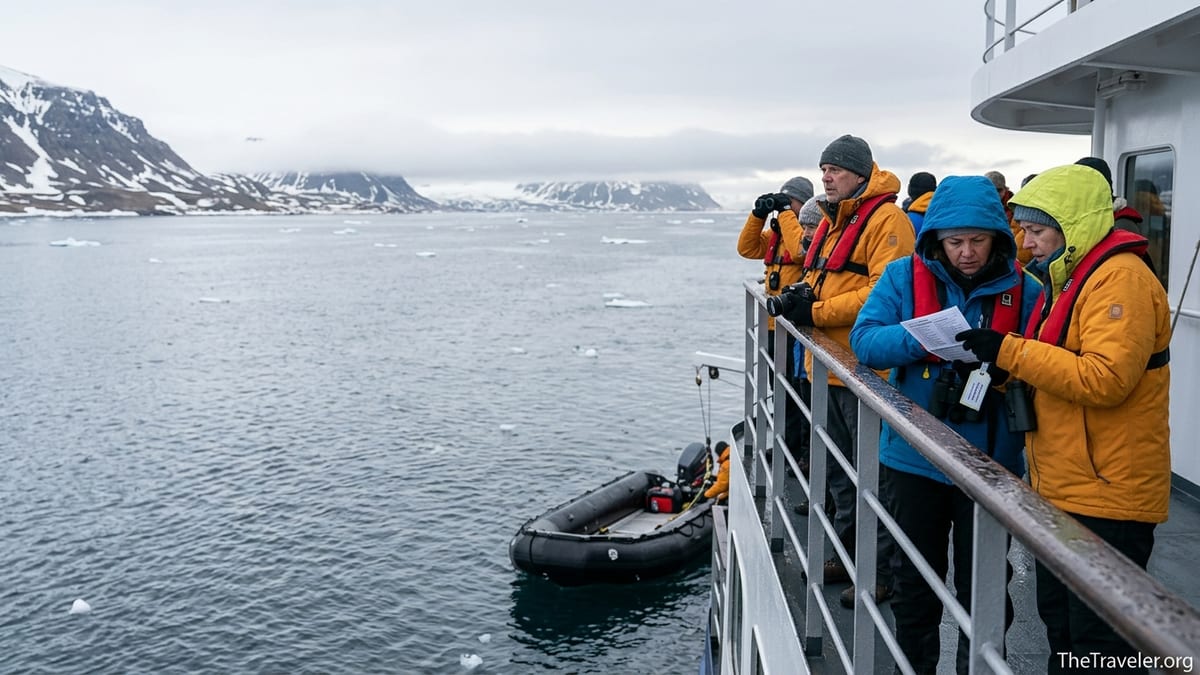
Confusing “Expedition” With Classic Luxury Cruising
One of the biggest missteps is assuming Lindblad offers a traditional luxury cruise experience with a little extra wildlife on the side. In reality, the core product is an expedition: flexible itineraries, daily landings or zodiac cruises when conditions allow, and a focus on science, photography, and education over entertainment. On ships like the National Geographic Resolution or National Geographic Explorer, you will find a comfortable cabin, good food, a spa and gym, and lounges with panoramic windows, but you will not find Broadway-style shows, casinos, or a long list of bars. Evenings are typically lectures from naturalists, photo reviews, or briefings for the next day, not production shows and nightclub sets.
This mismatch can be stark in remote destinations. A couple in their 50s might book an Antarctica sailing on the National Geographic Endurance expecting something akin to a high-end ocean cruise they once took in the Caribbean. Once on board, they discover early starts, back-to-back landings, wet zodiac boardings, and no formal nights. Rather than lingering over a multi-hour, multi-course dinner, guests often eat and then head to a recap session before turning in early. For travelers who truly want a floating resort, this can feel like they bought the wrong vacation.
The solution is to weigh your priorities with open eyes. If you love the idea of standing on the bow in wind and sleet scanning for humpbacks, or hiking a lava field in the Galápagos with a naturalist, Lindblad is a strong fit. If your perfect holiday revolves around spa days, late-night dancing, and broad restaurant choice, you may either need to reset your expectations or consider a different style of trip, even if the Lindblad marketing images are compelling.
Underestimating Total Trip Cost Beyond the Brochure Fare
Lindblad’s starting prices often look eye-watering, and for good reason: an eight to ten day Antarctica sailing on a ship like National Geographic Resolution can easily run to five figures per person in a standard balcony cabin. A common mistake is to stop comparing once you accept the headline fare, assuming that price is effectively “all in.” In practice, it usually covers accommodations, most meals, basic beer and wine or cocktails on many ships, zodiac excursions, guides, and park fees. It rarely includes international airfare, some charter flights, premium drinks, laundry, spa treatments, or enhanced Wi‑Fi.
Consider a family of four booking a Galápagos expedition on National Geographic Islander II during a school holiday. The cruise fare itself may be around the mid-to-high four figures per person, but then they add round-trip flights from the United States to Ecuador, a required internal flight to the islands, a pre-night in Guayaquil or Quito, vaccinations or medical visits, and comprehensive travel insurance. The real bill can climb by 30 to 50 percent over the cruise fare alone. Similarly, a solo traveler booking a Peruvian Amazon trip on Delfin III with Lindblad might initially see an attractive promotional fare, only to realize at checkout that airport transfers outside the recommended flight window, optional city tours, and a high single supplement push the total much higher.
Travelers also trip up around “what’s not included” in the fine print. Current reservation terms outline that airfare, most extensions, private transfers, added hotel nights, specialty medical services, spa treatments, laundry, enhanced Wi‑Fi packages, and travel protection are extra. That means anyone budgeting tightly needs to add line items for these. If you want to stay connected enough to send photos or work remotely, for example, upgrading beyond the basic Wi‑Fi allowance on ships like National Geographic Quest or National Geographic Venture will add to your onboard account.
Ignoring Ship Differences and Choosing the Wrong Vessel
Lindblad’s fleet has grown and diversified quickly. Between polar-ready newbuilds like National Geographic Endurance, classic coastal ships like National Geographic Sea Lion, and tiny vessels such as National Geographic Delfina in the Galápagos, the experience can vary significantly from ship to ship. A frequent mistake is to focus solely on the destination and travel dates without considering which platform will carry you there. Travelers then arrive to a ship that feels either too small and quiet or too large and busy for their style.
For example, some guests booking Alaska might not realize there is a meaningful difference between sailing on National Geographic Sea Bird, which carries roughly 60 guests and feels intimate and somewhat rustic, and National Geographic Quest, which carries about 100 guests with larger cabins and more modern public spaces. On a Sea Bird voyage, you might feel very close to the expedition staff and see the same faces everywhere, which is ideal for travelers who like a communal, almost yacht-like vibe. On Quest, the extra space and amenities can appeal more to multigenerational families or travelers who want a bit more privacy and cabin comfort.
In the Galápagos, new options like National Geographic Gemini and Delfina add more choice and complexity. A nature-loving couple might be thrilled to spend a week with just a few dozen fellow passengers on Gemini, maximizing time with naturalists. A larger family group, however, could find social options limited on such an intimate vessel and might have been happier on a slightly larger ship with more cabin types and social spaces. Likewise, those prone to seasickness may not realize that the ice-strengthened hulls and stabilizers on Endurance and Resolution in Antarctica will feel different in rough water than older or smaller tonnage elsewhere.
Before you book, study deck plans and capacity, and ask pointed questions about motion, cabin sizes, noise levels, and layout. If you value a spa and larger gym, you will prioritize the new ice-class ships in polar regions. If you want to step off the gangway quickly and do not mind basic amenities, a smaller coastal ship might be perfect. Simply choosing by date and destination is a recipe for mismatch.
Misreading Promotions, Solo Supplements, and Cabin Categories
Lindblad, like most expedition operators, prices its cabins based on double occupancy. Solo travelers routinely run into the shock of single supplements that can increase their cost by 25 to 75 percent compared with a per-person double rate. Lindblad does offer a limited number of reduced single supplement deals on select voyages and even some true solo cabins on certain ships. But relying on a banner that says “solo traveler offers” without reading the details can be costly.
A common scenario: a solo traveler browsing the website sees reduced single supplements “starting from 25 percent above current fares” and assumes that their preferred Antarctica departure and mid-tier balcony category will qualify. When they call or try to book, they discover the promotion only applies to a handful of shoulder-season dates in a specific cabin category, or perhaps just to a few remaining inside or porthole cabins. The rate they had mentally anchored to is suddenly out of reach. Others book a discounted shared cabin without realizing it may mean being matched with a same-gender stranger if they do not bring a companion.
Cabin categories can also mislead. On polar ships, an “outside” cabin might offer only a small window rather than a balcony, and interior layout can vary even within the same category. A traveler expecting a seating area, for example, might find only a bed, desk, and compact bathroom. In the Galápagos, room sizes differ dramatically between ships like Islander II and the smaller Gemini or Delfina. If you have mobility constraints or simply need more space, misunderstanding cabin details can impact your comfort far more than you expect on a trip with long sea days.
To avoid these pitfalls, clarify whether a solo promotion applies specifically to your sailing and category, and ask an expedition specialist to explain the tradeoffs between cabin types. If you are sensitive to noise, ask what is above and below your chosen cabin. If price sensitivity is high, request a clear written quote that separates the cruise fare, any supplement, taxes, and optional add-ons. That way you can compare a supposedly discounted solo offer with alternate dates or even other operators fairly.
Overlooking Air, Charter Flights, and Hidden Logistical Stress
Many Lindblad itineraries include complex flight components, either at the start and end of the trip or embedded within the itinerary. Guests often underestimate how much these flights add to the bill and to the overall travel experience. Antarctica is a prime example. Some programs involve “Fly the Drake” operations that use charter flights between South America and the Antarctic Peninsula instead of sailing the Drake Passage both ways. While these avoid several days at sea, they introduce strict luggage limits, weather-related delays, and extra moving parts.
Recent traveler reports from Fly the Drake trips highlight how on-the-ground logistics can feel more like a busy group tour than a seamless luxury handoff. Guests have described strict checked baggage allowances in the 40 to 45 pound range that include both personal items and any rental gear, plus significant restrictions on carry-ons. Those who packed as if for a classic cruise with multiple outfits per day found themselves hurriedly repacking in hotel rooms or paying for expensive gear storage. Delays due to Antarctic weather can also push trips into extra hotel nights or rearranged flights home at the guest’s expense if they did not build in buffer days.
Lindblad’s terms note that international airfare and many independent flight arrangements fall under each airline’s own policies. That means if a weather delay or disruption causes you to miss a homeward flight that you purchased on your own, the cost to rebook is typically yours, not Lindblad’s. Travelers who schedule tight same-day connections to save vacation time can find themselves stuck in Santiago or Buenos Aires buying last-minute tickets at high prices. Similarly, itineraries in places like the Peruvian Amazon, India’s Brahmaputra, or Indonesian archipelagos often hinge on regional flights that can change schedule, adding long, tiring travel days.
To minimize these stresses, treat the expedition like the centerpiece of a broader trip rather than a closed loop. Build at least one, and ideally two, buffer nights before embarkation and one after disembarkation, especially when charter flights or remote airports are involved. Carefully read luggage rules for any included charter segments and pack to that standard from the start. When pricing out your journey, include realistic estimates for hotel nights, airport meals, and potential rebooking fees, not just the voyage itself.
Skipping the Fine Print on Cancellation, Insurance, and Medical Reality
Another frequent mistake is treating a Lindblad expedition like a refundable hotel stay. Current cancellation policies, updated in recent years, typically scale penalties as you get closer to departure, culminating in a 100 percent loss of trip cost within a set window, often a few months before sailing. Advance payments may be converted into a future travel credit valid for a limited period rather than refunded in cash. Many travelers do not internalize this until a life event, illness, or work emergency forces them to cancel after the deadline.
Medical and evacuation realities in remote regions also catch people off guard. While Lindblad generally carries a physician on many voyages and has medical consultation available on ships like Endurance, Resolution, and the larger fleet, that onboard care is basic, not a full hospital. Serious illness or injury can require evacuation via helicopter or specialized aircraft, especially in Antarctica or the Arctic. These services can run to tens of thousands of dollars, and Lindblad’s terms strongly encourage, but do not automatically include, comprehensive travel insurance with evacuation coverage.
A concrete example: a traveler in their 60s with a pre-existing heart condition books a relatively short Arctic trip, thinking it is similar to a European river cruise. They skip travel insurance, assuming that their regular health insurance will cover them. When they develop symptoms on board and the ship’s doctor recommends evacuation to a hospital in Iceland or Norway, they may discover that their domestic plan offers limited or no coverage abroad. Evacuation costs, hospital bills, and trip interruption expenses can all land on the traveler.
The remedy is thorough preparation. Before paying the final balance, read the reservation terms, cancellation policies, and cruise ticket contract carefully. Understand exactly when penalties increase and what form any credit would take. When shopping for travel insurance, confirm that your chosen policy covers expedition cruising, large medical expenses overseas, and evacuation from remote regions, and disclose relevant pre-existing conditions. The cost of robust coverage is usually modest compared with the expedition fare and can be the difference between an inconvenience and a financial crisis.
Packing for the Wrong Kind of Adventure
Expedition gear lists can look intimidating, which leads some travelers either to heavily overpack or to shrug and assume whatever they bring on a normal cruise will suffice. Both approaches create problems. On polar itineraries or in places like Patagonia, you face variable weather, wet landings from zodiacs, and strict weight limits on regional or charter flights. Showing up with multiple oversized suitcases full of casual resort wear and formal outfits is a fast track to baggage headaches and underused clothing.
On the other hand, ignoring recommended technical clothing can affect your comfort and even safety. Travelers on cold-weather voyages have reported scrambling to rent insulated boots at the last minute because they discovered that Lindblad’s standard gear package on some sailings did not include boots or that their usual winter footwear was inadequate for hours standing in snow and slush. Those who skimped on waterproof pants or gloves found zodiac rides miserable when waves soaked them, even though the ship itself stayed cozy.
In warm destinations like the Amazon, Galápagos, or Indonesia, the gear equation flips. Guests sometimes show up with heavy hiking boots and multiple jackets but forget quick-drying shirts, sun-protective clothing, or sturdy sandals that can handle wet landings and rocky shores. They then end up relying on the ship boutique at premium prices for basics like wide-brimmed hats, reef-safe sunscreen, or rash guards. This does not ruin the trip, but it adds unnecessary expense and stress.
Before you pack, study the voyage-specific packing list and cross-check it with any weight limits on your flights. Prioritize layering pieces, waterproof outerwear, and footwear appropriate to landings over multiple pairs of shoes or evening outfits. Assume that you will repeat clothing, especially technical layers, and that nobody is tracking what you wear to dinner. A small investment in the right gear at home almost always beats a last-minute scramble in your embarkation city.
The Takeaway
Lindblad Expeditions offers some of the most rewarding small-ship journeys on the planet, from polar ice to equatorial reefs. Many guests come home thrilled, with memory cards full of wildlife and landscapes and a new appreciation for conservation. When trips disappoint, the cause is rarely the scenery and more often a mismatch between expectations and reality around cost, logistics, and what life is like aboard an expedition ship.
The key to a successful experience is to approach Lindblad not as a plug-and-play cruise, but as a complex, high-value adventure that demands homework. Understand the difference between expedition and mainstream cruising, scrutinize what is and is not included in the fare, choose the right ship and cabin for your style, respect the realities of flights and remote operations, and guard your investment with appropriate insurance and realistic packing. With that groundwork in place, you can let go once you step on board, knowing that you chose the right trip for the right reasons.
FAQ
Q1. Is Lindblad Expeditions worth the higher price compared with mainstream cruises?
Lindblad can be worth the premium if your priority is access to remote environments, strong guiding, and small groups rather than entertainment and shipboard variety. You are paying for experienced naturalists, special permits, small ships, and extensive logistics in places like Antarctica or the Galápagos. If those elements matter more than pools, shows, and multiple restaurants, many travelers feel they receive good value.
Q2. How far in advance should I book a Lindblad expedition?
For peak season sailings in high-demand regions like Antarctica, the Galápagos, or Alaska, it is wise to book 9 to 18 months in advance, especially if you want specific cabin types or solo deals. Shoulder-season or less famous itineraries sometimes have availability closer in, but waiting often reduces your choice of cabins and can mean missing limited solo promotions or family-friendly dates.
Q3. Do I really need travel insurance for a Lindblad trip?
While not legally required, comprehensive travel insurance is strongly advisable, particularly for remote destinations where medical care and evacuations are expensive. A good policy can protect you if illness, injury, or work conflicts force cancellation, and it can cover significant costs if you need evacuation or emergency treatment in places with limited infrastructure. For the price of an expedition ticket, skipping insurance is a major gamble.
Q4. How physically demanding are Lindblad expeditions?
Many Lindblad itineraries are designed for reasonably active travelers but are not extreme. Daily options often include easy, moderate, and more challenging outings, and you can usually choose zodiac cruises over long hikes. However, you should be able to manage stairs, step into and out of zodiacs, and walk on uneven terrain. If you have mobility issues, discuss specific voyages and ships with an expedition specialist before booking.
Q5. What is the typical age range on a Lindblad ship?
The age mix varies by destination and season. Antarctica and longer polar trips often skew toward travelers in their 50s to 70s, while Alaska, Galápagos, and some holiday sailings attract more multigenerational families and younger adults. You will usually find a broad range of well-traveled, curiosity-driven guests rather than a party-focused crowd, regardless of age.
Q6. Are children and teens a good fit for Lindblad expeditions?
Yes, in many regions. Lindblad runs family-friendly programs, especially in Alaska, Galápagos, and some warm-water destinations, often with activities tailored to younger guests. However, itineraries in very remote or harsh environments, such as certain polar voyages, may be less suitable for very young children. It is important to match your child’s age and temperament with the specific trip and to recognize that structured entertainment is limited compared with big ships.
Q7. How can solo travelers keep costs down on Lindblad?
Solo travelers can look for departures with reduced single supplements, consider smaller or lower-category cabins, or travel during shoulder seasons when promotions are more common. Some ships have true solo cabins that price more gently than paying a full supplement on a double. Working with a knowledgeable travel advisor or calling Lindblad directly can help you identify sailings where solo value is strongest.
Q8. What is the dress code like on board?
The dress code on Lindblad ships is casual and practical. Guests typically wear comfortable expedition clothing during the day and simple, neat attire at night. There are no formal nights, and you will see far more fleece jackets and hiking pants than suits or cocktail dresses. Pack for layers, weather, and comfort rather than fashion shows, and expect to repeat outfits.
Q9. How reliable is Wi‑Fi on Lindblad expeditions?
Wi‑Fi is available on most ships, with a basic allowance included on many itineraries and higher-speed or larger data packages available for purchase. Connectivity in remote regions is inherently variable and can be slow or intermittent, particularly in polar waters. You should be able to send messages and basic emails, but streaming or heavy work use may be frustrating. Plan to disconnect as much as possible.
Q10. What happens if weather disrupts my itinerary?
On an expedition, weather and wildlife conditions drive the schedule. Captains and Expedition Leaders adjust plans to keep guests safe and maximize opportunities, which sometimes means missed landings, altered routes, or schedule changes. Lindblad generally does not compensate for missed ports caused by weather, as this flexibility is built into the nature of expedition travel. Building in buffer days and flexible expectations is the best way to handle potential disruptions.