


Rione Terra in Pozzuoli is one of southern Italy’s most intriguing places: an ancient acropolis on a volcanic headland, layered with Greek, Roman, medieval and Baroque history. At the same time, it sits inside the restless Campi Flegrei volcanic area, so visiting it is unlike a typical old town stroll around the Bay of Naples. If you are considering Rione Terra for a day trip from Naples or planning to stay in Pozzuoli, understanding how the site works, what is open, and the local conditions on the ground will make your first visit smoother and more rewarding.
Get the latest updates straight to your inbox!
Understanding What Rione Terra Actually Is
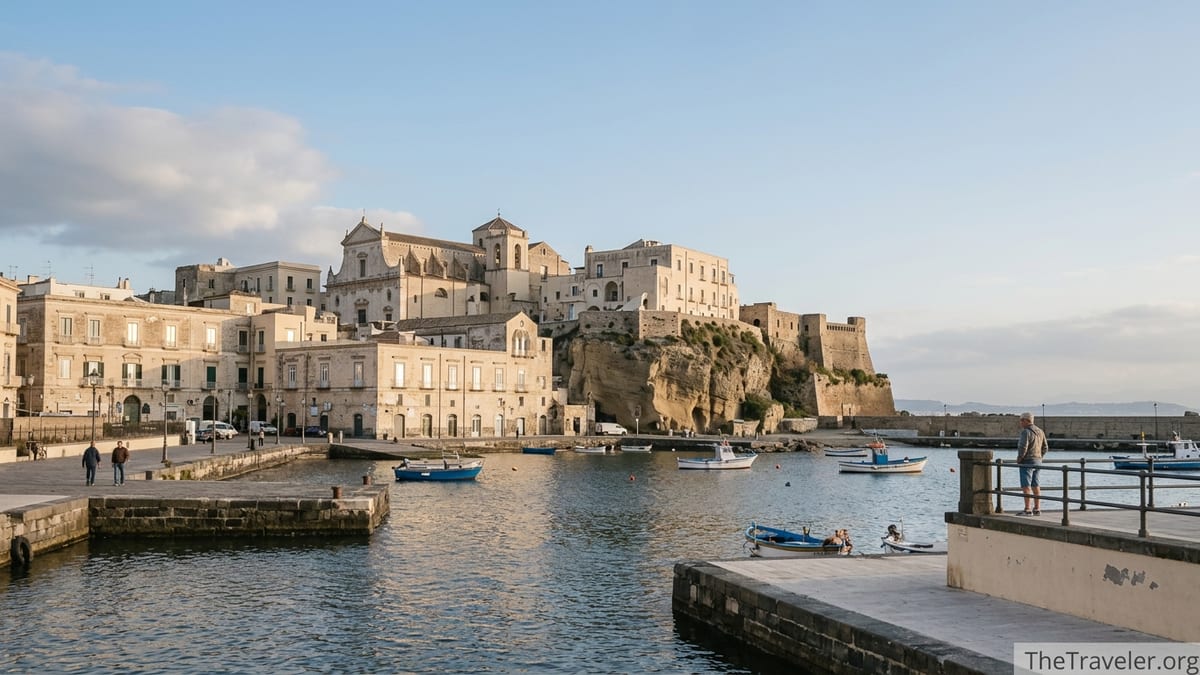
First‑time visitors are often surprised to discover that Rione Terra is not a conventional old town you can freely wander at any hour. It is the ancient heart of Pozzuoli, set on a tuff promontory above the port, where modern streets are built directly over the Roman city of Puteoli. After centuries of bradyseism, the slow rise and fall of the ground connected to the Campi Flegrei volcanic system, the entire quarter was evacuated in 1970 and remained abandoned for decades. Today, a portion of the upper town has been restored as a quiet, almost stage‑like urban space, while the Roman remains beneath are accessible only on an organized archaeological route.
Think of Rione Terra as two overlapping places. At street level, you have a small grid of lanes, viewpoints and restored buildings including Palazzo Migliaresi and the cathedral of San Procolo, which incorporates the shell of a Roman temple. Beneath your feet lies a remarkably preserved Roman quarter, with shops, streets and storage areas that once faced the harbor. The lower Roman level, known as the Percorso Archeologico del Rione Terra, can only be seen on a guided visit managed by the Parco Archeologico dei Campi Flegrei, while the upper level is generally accessible during daytime hours when security gates are open.
It helps to calibrate expectations. You will not find a bustling neighborhood full of residents, laundries, and corner bars inside the walls. Much of the housing stock remains uninhabited, and parts of the headland are still a construction and conservation zone. The atmosphere is quiet, almost contemplative, especially outside weekends. For many travelers, that silence, combined with sweeping sea views toward the islands of Ischia and Procida, is part of the site’s appeal.
Volcanic Context and Safety Considerations
Rione Terra sits in the middle of the Campi Flegrei caldera, one of the most closely monitored volcanic areas in the world. The uplift that forced the evacuation of the quarter in 1970 and again affected Pozzuoli in the 1980s is still a living issue. Local civil protection authorities publish regular bulletins about seismic swarms and ground deformation, and the archaeological pathway has been temporarily closed in the past during periods of increased activity so engineers could verify safety conditions. As of mid‑2026, visitors should expect that access policies may change at short notice if there is new unrest.
For a first‑time visitor, that means planning with some flexibility. If you are booking a guided tour of the underground Roman city, try to schedule it earlier in your stay in the Naples area rather than on your last day. That way, if there is a last‑minute cancellation due to seismic checks, you still have the option to rebook a different time. It is also wise to check the official channels of the Parco Archeologico dei Campi Flegrei and the Comune di Pozzuoli shortly before your visit to confirm that the Percorso Archeologico is operating normally.
On the ground, you will see visible signs of risk management rather than alarm. Around the port and the lower town, monitoring stations and civil protection information panels explain bradyseism and evacuation procedures. Guided tour staff are generally well briefed and will explain what to do in the rare case of an emergency. If you are used to visiting sites near Vesuvius or Icelandic geothermal areas, the level of routine monitoring will feel familiar. The key is to stay informed, follow staff instructions, and avoid treating restricted areas as viewpoints for photos.
Access, Opening Times and Tickets
One of the most confusing aspects for first‑time visitors is that the upper town and the archaeological route do not follow exactly the same rules. The upper Rione Terra, including its panoramas and piazzas, is typically accessible free of charge during daytime hours, with metal gates closed at night. There is usually a staffed info point near one of the main entrances where you can ask about current hours in Italian or basic English. It is common for locals to come in for an afternoon stroll or to take photos of the sunset over the bay.
The underground archaeological route, by contrast, is only accessible on guided visits at set times. Management has shifted over the years, and the Parco Archeologico dei Campi Flegrei now oversees the site, coordinating entry with guides. In practice, that tends to mean a limited number of tours per day, often concentrated in the late morning, with mandatory reservations during busy periods such as spring weekends and Italian holidays. Tour sizes are controlled because of the enclosed spaces and the need to protect delicate remains.
Prices have changed over time, but you can expect the guided archaeological visit to cost on the order of a modest museum ticket in Italy, with reduced rates for EU students and inclusive passes that sometimes cover other Campi Flegrei sites such as the Flavian Amphitheatre in Pozzuoli or the Baths of Baia. Because local rules can shift, plan to check prices shortly before your trip rather than relying on old guidebooks. Many visitors find it easiest to book through the official booking platforms promoted by the Parco Archeologico or via the tourist office in Pozzuoli, particularly if they want an English‑language tour.
If you arrive without a reservation on a quiet weekday outside peak season, staff at the info point inside Rione Terra can often slot you into the next available Italian‑language tour if there is room. That said, English explanations may be limited in those cases, so it helps to read a brief history in advance or carry a guidebook. Audio guides are not always available, and mobile reception in the underground areas is patchy, so do not count on streaming an explanation as you go.
How to Get to Rione Terra from Naples and Beyond
Rione Terra is an easy day trip from central Naples if you plan your transport with current conditions in mind. The most straightforward route for most travelers is Line 2 of the regional metro system from Napoli Piazza Garibaldi or Montesanto to Pozzuoli. The ride typically takes about 35 minutes from central Naples. From Pozzuoli station, it is roughly a 10 to 15 minute walk downhill through the modern town to the waterfront and up to the Rione Terra headland. You will pass the well‑known Macellum of Pozzuoli, often called the Temple of Serapis, where shell‑scarred Roman columns mark centuries of ground movement.
Another option is the Cumana railway, which normally links the Naples neighborhood of Montesanto with coastal towns including Pozzuoli and Torregaveta. However, sections of the Cumana line have faced periodic closures and schedule changes in recent years, sometimes skipping key stations in Pozzuoli during maintenance work. Travelers who have visited recently often report a combination of Line 2 one way and Cumana or local buses the other, depending on which lines are operating on the day. Before you commit, it is worth checking the latest announcements from the EAV regional transport company and allowing extra time for changes.
If you are staying in Pozzuoli or arriving by car, count on parking in the lower town near the port and walking up. The streets immediately around Rione Terra are narrow and largely closed to through traffic, both to protect the fabric of the historic quarter and because of ongoing conservation work. Paid parking lots near the harbor front are usually the safest bet, especially on busy weekends when Neapolitans come out for waterfront lunches and evening passeggiate. From the port, you simply follow the signs uphill to the Rione Terra gate.
Visitors arriving from the islands of Ischia and Procida sometimes combine a morning ferry with an afternoon visit to Rione Terra. The Pozzuoli harbor sits directly below the headland, so you can step off the ferry and be at the entrance in 10 minutes on foot. This can be a rewarding way to understand how the Roman harbor city and the modern transport network both pivot around the same sheltered bay.
What to Expect on the Archaeological Route
The guided visit through the underground city is the highlight of Rione Terra for most first‑time visitors. After checking in at the designated meeting point, your group will typically be led through a modern entrance and descend into the Roman quarter that once lay at street level, now buried beneath later construction and volcanic material. You walk along segments of decumanus streets lined with shops, storerooms and tabernae, with basalt paving stones still marked by the passage of carts and drainage channels.
The experience is less about isolated museum pieces and more about urban space. In some stretches you can look up and see the foundations of later buildings above, a literal cross‑section of Pozzuoli’s history. Fresco fragments, masonry details and reused columns hint at successive layers of occupation. Guides often explain how Rione Terra’s fortunes rose and fell with the Roman trade network and how bradyseism slowly changed the relationship between town and sea, raising and lowering the harbor over centuries.
Conditions underground are generally cool and slightly humid, even on hot summer days. Solid footwear with good grip is strongly recommended, as some surfaces can be uneven or damp. The route is lit but not brightly, intentionally preserving the atmosphere of an archaeological space. Travelers who are very sensitive to enclosed areas should be aware that some corridors are narrow and low‑ceilinged, though there are regular pauses in wider chambers. Photography is usually permitted without flash, but tripods are not, and it is courteous to avoid blocking narrow passages when taking pictures.
Tours typically last around an hour, though timings can vary with group size and the precise portion of the route open on that day. Because access is controlled, there are no cafes or toilets underground; you will need to use facilities in the upper town or near the port before or after the visit. Families with school‑age children often find the tour engaging, especially when guides relate what they see to daily life in a Roman port city rather than only to dates and emperors.
Planning Your Time, Food and Nearby Sights
For most travelers, Rione Terra itself takes half a day at a relaxed pace. A typical pattern for a first visit might be to arrive in Pozzuoli mid‑morning, explore the upper town viewpoints and cathedral, join a late‑morning archaeological tour, then enjoy a leisurely seafood lunch in the lower town. You can then spend the afternoon walking the waterfront promenade or visiting other nearby sites such as the Flavian Amphitheatre or the so‑called Temple of Serapis before returning to Naples.
Eating well is part of the experience in Pozzuoli. The seafront and the streets just inland are lined with trattorie and pizzerias that draw locals from across the Bay of Naples, particularly on weekends. For an informal evening after your visit, places such as Rione Terra Pub Pizzeria a short walk uphill from the waterfront serve creative pizzas, often with multi‑cereal doughs and generous toppings, alongside local beers. Down by the port, you will find classic seafood spots offering fried anchovies, mussels and pasta with clams at prices that are generally lower than equivalent meals in central Naples, though still higher on busy Saturday nights.
Keep in mind Italian dining rhythms. Many restaurants close for a few hours in the mid‑afternoon, and kitchens may not be fully operating before 7.30 pm in the evening. If you have a timed archaeological visit in the late afternoon, it can be wise to grab a light snack in a bar or bakery beforehand rather than counting on an early dinner. Espresso bars near the port are used to serving visitors coming off ferries and tours and will have quick options such as sfogliatelle, cornetti and simple sandwiches.
If you have more time in the area, Rione Terra works well as part of a wider Campi Flegrei itinerary. You could, for example, visit the underwater archaeological park at Baia or the castle above it on one day, then dedicate another to Pozzuoli, combining Rione Terra with the amphitheatre and a walk along the bradyseism‑scarred waterfront. Just remember that some other volcanic attractions nearby, such as the Solfatara crater, have been closed to general visitors for safety reasons in recent years, so check current status before planning a route around them.
Practical Tips for a Smooth First Visit
Because Rione Terra is both an archaeological site and a living risk‑management zone, a few practical habits will make your trip easier. Carry a printed or offline copy of your booking confirmation for the guided route in case of patchy mobile reception. Arrive at the meeting point 15 to 20 minutes early, as groups tend to depart on time and latecomers are not always admitted once the group has gone below ground. If you are relying on public transport from Naples, aim for an earlier train than strictly necessary to give yourself a buffer for delays.
Dress for changeable conditions. Even in high summer, the underground sections are cool, so packing a light layer you can slip on for the tour is sensible. In winter and early spring, sea breezes on the exposed headland make Rione Terra feel several degrees colder than central Naples, especially in the late afternoon shade. Comfortable walking shoes are important, as you will be dealing with cobbles, slopes and some uneven steps, both in the historic streets and below.
Language is another consideration. While staff working with international visitors will usually have some English, much of the on‑site signage and many regular tours are in Italian. If you do not speak Italian, consider downloading an offline translation app and reading a short background on Pozzuoli and Campi Flegrei before you arrive. Some private guides based in Naples and Pozzuoli offer customized English‑language visits that include Rione Terra as part of a broader day tour, which can be worthwhile for travelers who want more context and support navigating transport.
Finally, remember that Rione Terra sits within a residential town, and noise carries up from the port and along the headland. Drones are generally not allowed, and amplified music is inappropriate in the quiet upper squares. Treat closed doors and roped‑off areas as private or fragile zones rather than curiosities. The long‑term future of the quarter as a lived‑in neighborhood depends in part on visitors respecting both its archaeological sensitivity and the needs of the people who work and worship there today.
The Takeaway
Visiting Rione Terra is an opportunity to stand at the intersection of geology, archaeology and everyday Italian life. You are not just walking through a restored historic quarter; you are experiencing a town that is still adjusting to the movements of the ground beneath it, framed by a bay that has served as a harbor since Greek and Roman times. Approached with patience and a bit of preparation, it can be one of the most thought‑provoking excursions in the Naples region.
For a first‑time visitor, the key ingredients are clear expectations, flexible timing and attention to official information about both tours and volcanic activity. Build time into your day for a slow exploration of the upper streets and panoramas, not only the underground highlights. Pair the visit with a meal in the lower town and, if you can, with another Campi Flegrei site to see how the same volcanic forces have shaped different landscapes.
Above all, let the layered character of Rione Terra guide your visit. Notice how medieval alleys trace Roman streets, how the cathedral rises from a pagan temple, and how contemporary safety measures coexist with centuries‑old stonework. If you give the place space to reveal itself, your first visit is likely to feel less like ticking a box and more like an encounter with a living, shifting chapter of Mediterranean history.
FAQ
Q1. Do I need to book a tour in advance to visit Rione Terra?
For the underground archaeological route, advance booking is strongly recommended, especially on weekends and in spring and autumn. The upper town is usually accessible without a reservation during daytime hours, but access policies can change, so you should still check current information before traveling.
Q2. Is Rione Terra safe to visit given the Campi Flegrei volcano?
Yes, visits take place under continuous monitoring by Italian civil protection and scientific agencies. If seismic activity increases beyond certain thresholds, authorities can temporarily close the archaeological route or restrict access. Follow official guidance, respect any closures and stay informed of current conditions.
Q3. How much time should I plan for a first visit?
A half day is usually enough for a first visit. Allow about one hour for the guided underground tour, plus additional time to explore the upper streets, enjoy the views and have a drink or meal in the lower town.
Q4. What should I wear and bring for the archaeological route?
Wear comfortable closed shoes with good grip and bring a light layer, as the underground areas are cool and sometimes damp. A small bag, water bottle and offline copy of your reservation are useful. Large backpacks, tripods and bulky luggage are best left at your accommodation.
Q5. Can children and older visitors manage the visit?
Most school‑age children and reasonably mobile older visitors can manage the route, which involves walking on uneven surfaces and some stairs but no technical sections. Very small children, people with severe mobility issues or those extremely uncomfortable in enclosed spaces may find the underground portion challenging.
Q6. Are there English‑language tours of Rione Terra?
Availability of English‑language tours varies by season and staffing. Some official visits may include English explanations, while others are primarily in Italian. If language is a concern, consider arranging a private guide or checking with the Parco Archeologico dei Campi Flegrei in advance about specific tour times in English.
Q7. How do I get to Rione Terra from central Naples on public transport?
The most straightforward option is to take Line 2 from Napoli Piazza Garibaldi or Montesanto to Pozzuoli station and then walk about 10 to 15 minutes downhill to the port and up to Rione Terra. The Cumana railway can also be useful, but its timetable and stops are more prone to temporary changes, so you should verify current conditions before relying on it.
Q8. Are there places to eat near Rione Terra?
Yes. The waterfront and streets just below the headland are full of trattorie, pizzerias and bars. You will find everything from simple pizza places like local pubs and pizzerias to classic seafood restaurants serving fried fish and pasta with clams, especially busy on weekends.
Q9. Can I visit Rione Terra on the same day as Ischia or Procida?
It is possible but can feel rushed. If ferry and train schedules align, you might combine a morning on an island with a late‑afternoon walk around Rione Terra. Many travelers, however, prefer to give Pozzuoli and Rione Terra their own half day or full day to appreciate the town and nearby sites without clock‑watching.
Q10. Is photography allowed inside the archaeological route?
Simple photography without flash is usually allowed, but tripods, drones and professional lighting are not. Be mindful of other visitors in the narrow passages, follow the guide’s instructions and respect any signs indicating restricted areas where photography is not permitted.