


Few waterfronts are as instantly recognizable as Boulevard de la Croisette in Cannes. The palm-lined curve of sand, Belle Epoque palace hotels and shimmering bay can be unforgettable, but only if you arrive prepared. With construction works, crowded festivals, pricey beach clubs and limited parking, a bit of planning before you go can make the difference between a stressful day and a dreamlike Riviera stroll.
Get the latest updates straight to your inbox!
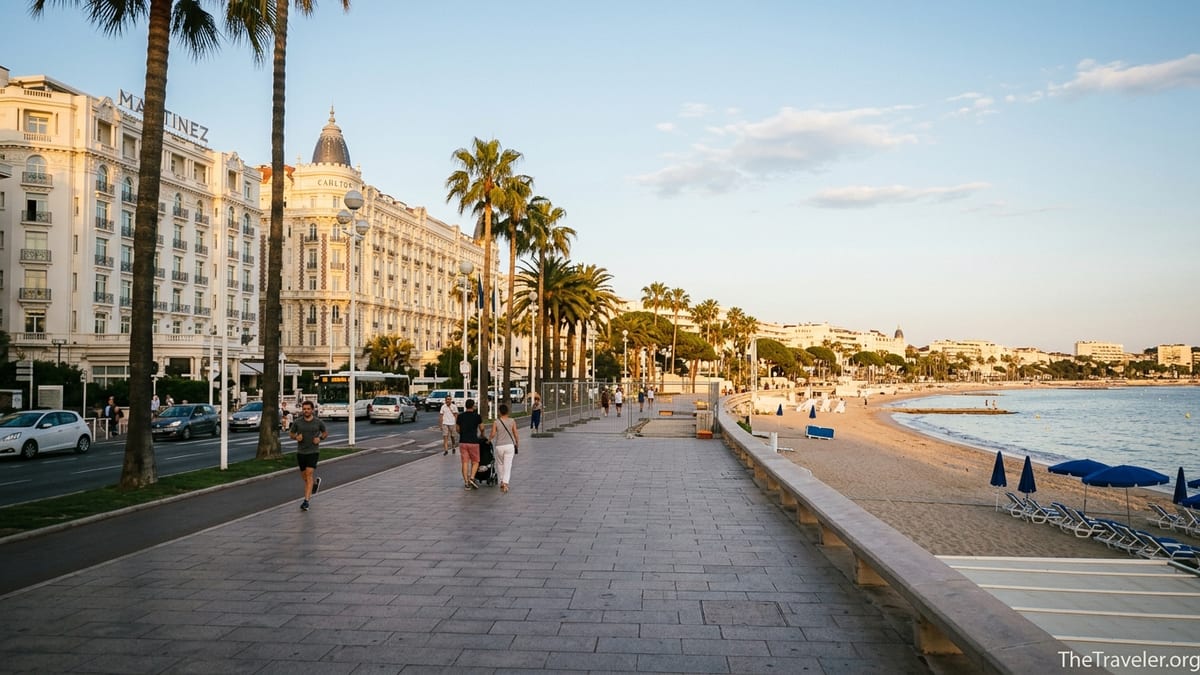
Understand What Boulevard de la Croisette Really Is
Boulevard de la Croisette is a 2.5 to 2.7 kilometer seafront boulevard that runs from the Palais des Festivals et des Congrès near central Cannes eastwards to the headland at Palm Beach. On one side you have fine sandy beaches and beach clubs, on the other a line of grand hotels such as the Carlton Cannes, Hôtel Martinez and Barrière Le Majestic, along with designer boutiques, casinos and cafes. It is not a quiet seaside path but a hub of tourism, luxury and events.
The boulevard is also a working city artery. Local buses, taxis, delivery vans and cyclists all use it, so the ambience changes through the day. Early mornings often feel tranquil, when joggers and dog walkers dominate. By late afternoon in high season, especially in July and August, the sidewalks around the Carlton and Majestic can be densely packed with shoppers and day trippers. Planning when you want to experience La Croisette helps avoid disappointment if you expect serenity and get crowds.
In recent years the city has launched a major refurbishment and redevelopment program along La Croisette, including new underground networks and reworked public spaces. Works are being phased through 2025 and 2026, particularly on the eastern section of the boulevard. That means you may encounter temporary fencing, diversions or narrowed pavements in certain stretches. Before your visit, it is wise to check the city’s latest information so you know which areas may be affected and can adjust your walking route or timing accordingly.
Because La Croisette sits at the heart of Cannes’ tourism economy, prices along the boulevard reflect its prestige. Expect coffee on the seafront to cost more than in the backstreets, and a sunbed at a private beach club to be significantly more expensive than laying your towel on a public stretch of sand. Going in with realistic expectations about costs makes it easier to choose when you want to splurge and when you would rather save.
Choose Your Timing Around Festivals and Seasons
Your experience on La Croisette changes dramatically depending on when you visit. In mid May, the Cannes Film Festival transforms the area around the Palais des Festivals, with red carpets, barriers, security checkpoints and corporate pavilions rising on the beach. During those days, parts of the promenade are crowded with industry guests, photographers and fans, while some beach restaurants close to host private events or brand takeovers in the evenings. You can still walk the boulevard, but the atmosphere is intense and hotel and restaurant prices spike.
Other major events also shape the boulevard. The Cannes Lions International Festival of Creativity in June, large television and music industry markets later in the year and summer firework competitions all increase demand for rooms and restaurant tables. If you dream of an easygoing seaside stroll and relatively relaxed beach clubs, it is often better to target late April, early June outside peak dates, or September when the sea is still warm but family holiday crowds have thinned.
Weather is another factor to plan for. In summer, midday sun on the exposed sections of La Croisette can be strong, with very little shade beyond the palm trees and awnings of cafes. Temperatures are often pleasantly warm from late spring through October, but heat waves do occur. Many visitors plan their main promenade walk for early morning, then retreat to the beach or an air conditioned cafe during the hottest hours, returning in the golden light before sunset to enjoy views across to the Lérins Islands.
If you are set on feeling the full festival buzz without getting stuck in traffic, plan to arrive in Cannes by train or stay within walking distance of La Croisette. Local advice is clear that driving near the Palais des Festivals during the film festival results in road closures around the station and very slow progress, particularly in the evenings. Booking accommodation in the adjacent streets behind the Croisette and using your feet can be far more efficient than trying to navigate the congestion by car.
Plan How You Will Get There and Move Around
For most international visitors arriving by air, the gateway to La Croisette is Nice Côte d’Azur Airport, around 25 kilometers away. From there you can reach Cannes by airport coach, regional train from Nice Saint Augustin station, private transfer or rental car. The train usually offers a good balance of price and reliability, typically taking 30 to 40 minutes from Nice Ville to Cannes. Once you arrive at Cannes station, La Croisette is roughly a 10 minute walk downhill along central streets, so factor luggage and mobility into your planning if you intend to walk.
If you plan to drive, parking is the key element to organize in advance. Underground car parks close to the boulevard, such as those beneath the Palais des Festivals or near major hotels on La Croisette, are very convenient but charge premium hourly and daily rates and can be full at peak times. Travelers who wish to save on parking often leave their car further away, near areas like the Roseraie park or along other parts of the seafront, then stroll or use local buses to reach the main stretch of the boulevard. In busy summer afternoons, free or low cost spots can fill early, so arriving in the morning gives you a better chance.
Cannes has a local bus network with lines that run parallel to the coast, linking neighborhoods such as La Bocca and Mandelieu with the center. Single tickets are relatively inexpensive compared with parking, and buses generally operate until late evening. Many regular visitors choose to stay slightly outside Cannes and take the bus into town, avoiding the stress of traffic near La Croisette. Others rent bicycles or increasingly, electric bikes, to ride along the coast from neighboring towns such as Antibes or Juan les Pins, a journey that can take under an hour along scenic cycle friendly routes.
Once you are actually on La Croisette, the best way to experience it is on foot. The promenade has been gradually adapted to separate pedestrian areas from traffic and create safer space for cyclists and walkers. That said, you will still cross driveways and side streets, and sections near construction or event builds can become narrow, so comfortable walking shoes are essential. If you have reduced mobility, consider checking which parts near your hotel or chosen beach are fully accessible, and whether you might benefit from a taxi ride between the Palais des Festivals end and Palm Beach rather than walking the entire length.
Decide Your Beach Strategy Before You Go
One of the most important things to plan is how you want to use the beaches along La Croisette. The shoreline is a mix of private beach clubs linked to hotels or independent operators, and public beaches where access to the sand is free. Well known public spots include Plage Macé and Plage du Casino close to the Palais des Festivals, and stretches further east toward Palm Beach. In summer, these public areas can become extremely busy by late morning, with towels placed close together and families competing for space near the waterline.
Private beaches along the boulevard, such as those in front of the Carlton, Majestic and Martinez hotels, operate more like casual beach restaurants and clubs. You typically pay for a sun lounger and umbrella by the half day or full day, with prices varying by location, time of year and row position relative to the sea. It is common to pay a higher rate for the first row at the water’s edge than for rows behind. While prices change regularly, visitors often describe a full day lounger rental here as a splurge rather than a budget option. In return, you gain comfortable facilities, waiter service and access to changing cabins and showers.
Because demand is high, particularly during events and in school holiday periods, it is smart to reserve sunbeds at popular beach clubs in advance. For example, if you know you want to spend a day at a named club on a Saturday in July, contacting them several days ahead increases your chances. Travelers who do not want to commit to a single club often opt for a mixed strategy: arriving early to claim a free spot on Plage Macé for a few hours, then shifting to a cafe terrace for lunch and a shaded break before perhaps choosing a more affordable private beach for a late afternoon swim.
Also plan for the fact that some beach restaurants and clubs close partially or entirely to the general public during major festivals. During the film festival in May, certain stretches of sand in front of La Croisette may host branded pavilions or be reserved for private evening events. If your priority is relaxed beach time and straightforward public access, consider avoiding these exact dates, or staying aware that you may need to walk a bit further along the boulevard to find an open, unreserved stretch of sand.
Budget for Food, Drink and Shopping on the Boulevard
Prices on La Croisette reflect its status as one of the most prestigious seafronts on the French Riviera. Planning your budget in advance avoids unwelcome surprises when the bill arrives. A simple espresso or soft drink at a cafe facing the sea often costs more than in the streets behind, while cocktails on hotel terraces can approach big city prices. A lunch at a beach restaurant involving a starter, main course and glass of wine can range from moderate to high, especially if you choose fresh seafood or premium cuts of meat.
For travelers who want the glamour without constantly paying top tier prices, one strategy is to mix experiences. You might begin your day with a coffee on an inland street near Rue d’Antibes, where bakeries and brasseries often have more everyday menus, then treat yourself to an aperitif later on a La Croisette terrace as the sun sets over the bay. Similarly, you can pick up takeaway sandwiches, salads and fruit at local supermarkets or the Forville Market area, and bring them to a public beach rather than sitting down for every meal at a beach club.
The boulevard is also one of France’s major luxury shopping corridors, with boutiques from top fashion, jewelry and watch brands lining the seafront, particularly between the Majestic and Carlton. Even if you do not plan to buy, window shopping is part of the experience, from haute couture mannequins to gleaming sports cars parked outside palace hotels. If you do intend to shop, be aware that opening hours generally follow standard French patterns, with many boutiques closing on Sunday or operating limited hours, though seasonal variations exist during peak tourist periods.
Remember that service charges and tipping customs in France differ from some other countries. Service is usually included in restaurant bills, and while leaving small change or rounding up a few euros for good service is appreciated, large percentage tips are not expected. Thinking about this beforehand helps you plan daily cash needs. If you are using international credit or debit cards, inform your bank of travel dates and confirm whether there are foreign transaction fees, since most places along La Croisette accept card payment, including contactless.
Pick the Right Base: Hotels and Nearby Neighborhoods
Where you choose to stay will shape how you experience La Croisette. At the top of the scale are the palace hotels directly on the boulevard itself, including the restored Carlton Cannes, the art deco Hôtel Martinez and Barrière Le Majestic opposite the Palais des Festivals. Rooms in these properties often command premium rates, especially during events and summer, but offer direct access to private beaches, sea view terraces and that classic Riviera atmosphere right outside your door.
Just behind La Croisette, streets running parallel inland offer a wide range of mid range hotels, apartment rentals and guesthouses. Staying one or two blocks back can significantly reduce your nightly rate while still keeping you within a short stroll of the promenade. For example, a small hotel near Rue du Commandant André or Rue d’Antibes might place you minutes from both the beach and more budget friendly dining options. This setup suits travelers who want to dip into Croisette glamour but sleep in a slightly quieter environment.
If you are comfortable using public transport, basing yourself in neighborhoods like Cannes La Bocca to the west or in nearby Antibes or Juan les Pins can stretch your budget further. Regular regional trains and local buses link these areas to Cannes station and the central bus stops near the harbor, from which La Croisette is an easy walk. Many visitors enjoy combining days on the Croisette with trips to the Lérins Islands, the old town of Le Suquet or coastal paths beyond the immediate city.
When booking, check for any notes about construction nearby, especially for stays in 2025 and 2026. Some sections of the Croisette are undergoing works, which can involve daytime noise or temporary changes to access. Reading recent guest reviews with travel dates similar to yours can help you spot patterns, such as comments about roadworks outside certain hotels or praise for newly refreshed public spaces and wider sidewalks.
Plan for Safety, Comfort and Local Etiquette
Cannes is generally considered a safe destination, but any busy tourist zone warrants basic precautions. On La Croisette, pickpocketing can occur in dense crowds, particularly around festival events, busy crosswalks and outside popular hotels. Planning to carry only what you need for the day, keeping valuables in a zipped bag or interior pocket and avoiding leaving phones or wallets unattended on cafe tables reduces risk. If you are driving, avoid leaving luggage visible in parked cars near the seafront.
For physical comfort, pack for sun, glare and walking. A hat, high SPF sunscreen, and polarized sunglasses make a significant difference when you are out on the promenade or at the beach for several hours. The sand along La Croisette is soft and pleasant, but can become very hot in midsummer, so sandals or flip flops that you can easily remove are helpful. Evenings by the water can feel cooler than inland streets once the sun dips, so a light layer is sensible if you plan to sit on a terrace late into the night.
Understanding local norms also makes the experience smoother. Beachwear is appropriate on the sand and at beach clubs, but less so when walking inland into shopping streets or entering luxury hotel lobbies. Many visitors bring a light cover up or shirt to slip on when leaving the beach. On public beaches, it is customary to avoid loud music and respect the small personal space your neighbors have, because towels can be close together in high season. Smoking regulations apply, and some sections may have specific rules that are signposted.
Language rarely presents a major barrier, since many staff in hotels, restaurants and shops along La Croisette speak English. Learning a few basic French phrases for greetings and polite requests, however, is appreciated. Simple words such as “bonjour,” “s’il vous plaît” and “merci” go a long way in creating friendly interactions with waiters, shop assistants and local residents, and can sometimes result in more relaxed service or helpful advice.
Map Out Key Sights and Nearby Detours
Before you arrive, it helps to picture La Croisette in three broad segments. At the western end near the old port sits the Palais des Festivals et des Congrès, home to the famous red carpet steps. Many visitors start or end their walk here, taking photos on the steps and browsing the pavement stars celebrating film personalities. From this point east toward the Majestic and Carlton, you are in the most photographed stretch, with wide sidewalks, grand hotels and dense clusters of beach clubs.
Continuing further east beyond the Carlton toward the Martinez, the boulevard gently curves and becomes slightly more residential, though still with significant hotel and restaurant presence. Past the main cluster of palace hotels the character gradually relaxes, with more open views of the bay and easier access to less crowded sections of sand at certain times of day. Finally, approaching the Palm Beach area, the boulevard narrows and feels more like a local seaside neighborhood, with a small harbor and views back over the entire curve of La Croisette and the city behind it.
It is worth planning at least one short detour away from the seafront. A few minutes uphill from the western end of the Croisette lies Le Suquet, the old town of Cannes, with narrow lanes, viewpoints over the harbor and the bay, and a concentration of restaurants on streets like Rue Saint Antoine. Combining a morning on the Croisette with an early evening stroll and dinner in Le Suquet offers a contrast between polished seafront glamour and more historic surroundings.
Another classic side trip is to the Lérins Islands, which you can see from the Croisette beaches. Ferries from the port near the Palais des Festivals take you to Sainte Marguerite or Saint Honorat for swimming, walking and visits to historic sites, usually in under half an hour. Planning a day on one of the islands and an evening walk along La Croisette lets you enjoy both quieter nature and the bright lights of Cannes in a single day without long journeys.
The Takeaway
With its palm trees, palace hotels and Mediterranean light, Boulevard de la Croisette can live up to every Riviera postcard image. The visitors who enjoy it most are those who prepare realistically: they understand that construction works may affect certain stretches, know when festivals will crowd the promenade, and arrive with a clear plan for transport, beach time and budget. Rather than simply turning up and wandering, they think ahead about where to park or which train to catch, which section of beach fits their style, and whether they want to splurge on a private club or focus on free public sand.
The reward for that planning is a seamless experience where practical details fade into the background and you can focus on the essentials: the curve of the bay at sunset, the scent of sunscreen and espresso, the soft sand between your toes and the sense of walking through a place that has symbolized seaside glamour for decades. With a few smart decisions before you go, your time on La Croisette can feel less like a logistical puzzle and more like the effortless Mediterranean escape you imagined.
FAQ
Q1. Is Boulevard de la Croisette worth visiting if I am not interested in luxury shopping?
Yes. Even if you have no intention of entering a luxury boutique, La Croisette offers a beautiful seaside promenade, public beaches, people watching and views of the Lérins Islands. You can enjoy the atmosphere with a simple coffee or an ice cream and treat it more like a scenic walk than a shopping trip.
Q2. How crowded does La Croisette get during the Cannes Film Festival?
During the film festival in May, the area around the Palais des Festivals and nearby hotels becomes very crowded, particularly in late afternoon and evening. Barriers, security and media setups narrow some sections, and red carpet events draw spectators. You can still walk the boulevard, but should expect a lively, sometimes hectic atmosphere rather than a calm seaside stroll.
Q3. Can I access the beaches on La Croisette for free?
Yes, there are public beaches along La Croisette, such as Plage Macé and Plage du Casino, where access to the sand and sea is free. However, space is limited in peak season and facilities are basic compared with private beach clubs, where you pay for sunbeds, umbrellas and additional services.
Q4. Do I need to book a sunbed at a private beach in advance?
In high season, on weekends and during major events, advance booking is strongly recommended at popular beach clubs and hotel beaches. On quieter weekdays outside school holidays you may find loungers available without a reservation, but if you have your heart set on a specific club or front row position, planning ahead is safer.
Q5. Is it better to stay in a hotel directly on La Croisette or a few streets back?
Staying directly on La Croisette gives immediate access to the seafront and private beaches but comes with higher room rates and more street noise. Hotels a block or two inland are usually more affordable and quieter while still being within a short walk of the promenade, making them a good compromise for many travelers.
Q6. How easy is it to park near La Croisette?
Parking close to La Croisette is possible but can be expensive and limited, especially in summer or during events. Underground car parks near the Palais des Festivals and major hotels are convenient but fill quickly. If you want cheaper or free options, you may need to park farther from the center or rely on public transport instead.
Q7. What is the best time of day to walk along La Croisette?
Early morning and early evening are often the most pleasant times, with softer light and cooler temperatures. Midday in summer can be hot and busy, particularly around the main hotel cluster. Sunset is especially attractive, as the sky colors reflect on the bay and palace hotel facades light up.
Q8. Are there family friendly activities on La Croisette?
Yes. Children usually enjoy the sandy beaches, shallow sea entry and occasional playgrounds or carousels near the seafront. Some beach clubs offer kid friendly menus and families often split time between sandcastle building, ice cream stops and short walks along the promenade, avoiding the busiest hours in peak summer sun.
Q9. What should I wear when visiting La Croisette?
Daytime dress is generally casual but polished. Beachwear is fine on the sand and at beach clubs, but you should cover up with at least a shirt, dress or light cover up when walking along the boulevard, shopping or entering hotels and restaurants. In the evening, smart casual outfits fit in well at seafront bars and terraces.
Q10. Is La Croisette a good base for exploring the wider French Riviera?
Yes. Cannes is connected by frequent trains and buses to nearby destinations such as Nice, Antibes, Juan les Pins and Monaco. Staying near La Croisette gives you easy access to both the beach and transport hubs, so you can enjoy the seafront atmosphere while taking day trips along the coast without needing a car.