


More news on this day
Paying $600 for a single night in a hotel might sound excessive, until that hotel sits directly on top of your cruise terminal and turns a stressful embarkation day into the easiest part of the trip.
Get the latest news straight to your inbox!
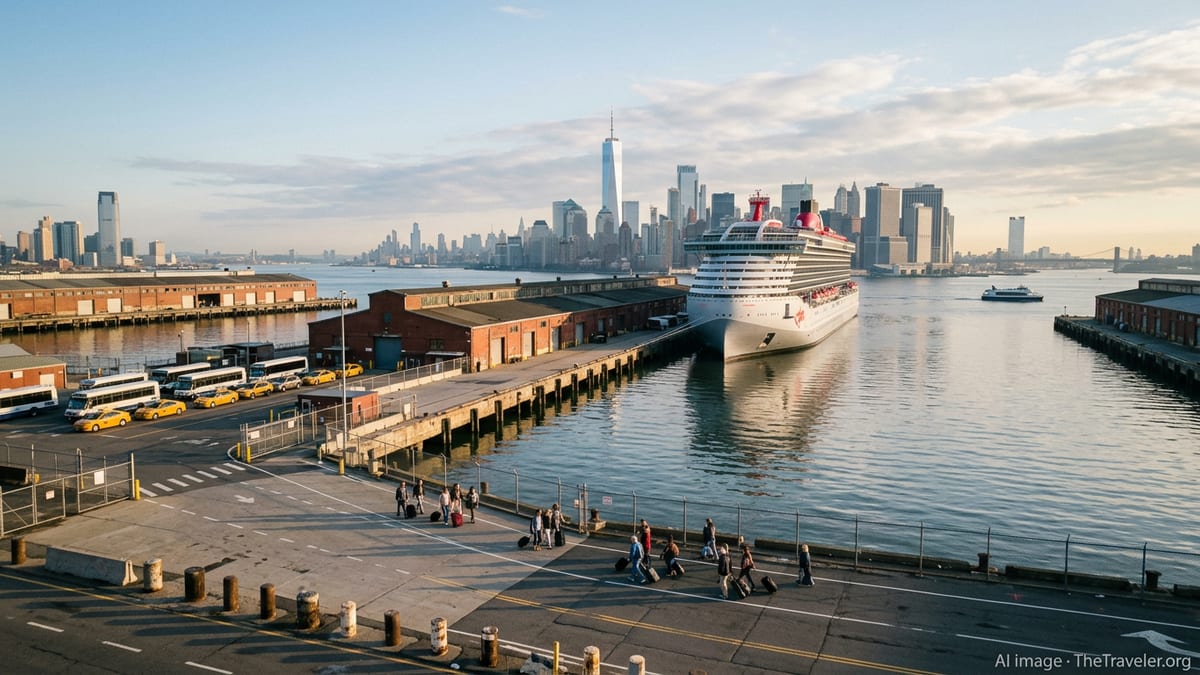
A Rare Hotel-At-The-Terminal Experience
Hotels that are directly integrated with cruise terminals are still uncommon, which is why a stay in one can feel like an indulgent travel hack. In Vancouver, for example, the Pan Pacific Vancouver crowns the Canada Place cruise terminal, placing guests in the same building as their ship. Recent coverage describes it as one of the most convenient pre-cruise stays available in North America, thanks to its location above the pier and sweeping harbor views.
For one traveler, that convenience came with a price tag of about $600 for a peak-season night, including breakfast. The rate reflected not just the luxury positioning of the property, but also the timing: summer sailings to Alaska and a calendar packed with major events in the city pushed room costs higher. Still, against the backdrop of an already expensive cruise vacation, the upgrade was framed as a deliberate investment in time, comfort and reduced stress.
Booking a room in the same building as the terminal removed one of the biggest wild cards in any cruise: getting to the ship on time. Instead of worrying about taxis, traffic, or ride-share delays on embarkation morning, the traveler simply rode an elevator down toward check-in. For those used to juggling luggage through unfamiliar streets or crowded port areas, the appeal of that direct connection is obvious.
The idea mirrors a broader trend seen in airport infrastructure, where integrated properties such as the TWA Hotel at New York’s John F. Kennedy International Airport have turned on-site stays into a premium product. In both cases, location is the amenity that commands a higher nightly rate.
Turning Embarkation Day Into Part of the Vacation
Rather than treating embarkation day as a logistical hurdle, staying in a terminal-top hotel can fold it into the vacation itself. Publicly available reviews of integrated cruise-terminal stays describe a relaxed rhythm: guests arrive the afternoon before sailing, check in, and then watch the harbor traffic instead of flight tracking apps. Morning brings a leisurely breakfast, not a dawn scramble to the airport or a race through rush-hour traffic to the pier.
In Vancouver’s case, Canada Place’s location by the waterfront places shops, restaurants and city attractions within walking distance. That means a pre-cruise evening can include sightseeing or a stroll along the seawall, followed by a quick ride upstairs to the room. For travelers arriving from distant time zones, the chance to adjust to local time and sleep properly before boarding the ship can be particularly valuable.
The integrated setup also minimizes the typical embarkation-day friction points. There is no need to negotiate with taxi drivers over access roads blocked by port congestion, or to worry about whether a delayed flight will still allow enough time to reach a separate hotel. The elevator ride from guest room to lobby becomes the only “transfer” needed, a shift that can be especially appealing for families with children or travelers with mobility challenges.
Crucially, that smooth start often shapes perceptions of the entire voyage. Instead of beginning a cruise frazzled and sleep-deprived, guests board refreshed, which can make the first day on board feel like an extension of the hotel experience rather than a hard reset after a stressful commute.
Convenience Features You Will Not Get Elsewhere
Beyond proximity, some terminal-integrated hotels offer services tailored specifically to cruisers. Reports from Vancouver highlight a luggage transfer program that allows guests to hand over their bags in the hotel and find them later outside their stateroom on the ship. For the traveler who paid $600, this meant no hauling suitcases through check-in lines or along the pier, and no need to juggle carry-ons and travel documents while navigating a busy terminal.
Such services effectively collapse what are usually separate travel steps into a single, managed process. In more typical cruise ports, passengers often move from an airport to a city hotel, then from that hotel to the ship, managing luggage and timing at every handoff. With a terminal hotel, those transitions are consolidated, which can reduce the risk of mishaps like missed check-in windows or lost bags.
The in-building location also brings less obvious advantages. If a boarding time is delayed or staggered, guests can simply remain in their room, watching ship movements out the window or using the hotel’s amenities until their group is called. Access to quiet spaces, dining outlets and restrooms in the same complex can make long waits significantly more comfortable than sitting in a crowded terminal hall.
In that context, the $600 rate begins to resemble an all-in convenience fee, covering not just a bed for the night but also smoother logistics, early access to vacation mode, and the ability to adapt calmly to any last-minute schedule changes from the cruise line.
Why Travelers Are Choosing to Splurge
The willingness to pay a premium for this kind of stay reflects shifting priorities among cruise travelers. After years of flight disruptions and weather-related delays, more passengers are padding their itineraries with at least one pre-cruise hotel night in the embarkation city. Travel planning guides increasingly suggest arriving a day early to reduce the risk of missing the ship, even if that means an extra night of lodging.
At the same time, many cruise vacations already represent a significant financial commitment. When travelers have invested thousands of dollars in a weeklong itinerary, spending more for a terminal-top hotel can feel like an insurance policy. Compared with the cost of rebooking missed sailings or purchasing last-minute flights, the surcharge for a prime-location room can be easier to justify.
The psychology of the splurge matters as well. Integrated terminal hotels often position themselves as part of the travel experience, not just practical stopovers. With harbor views, upscale interiors and cruise ships framed outside guestroom windows, they offer a sense of anticipation that can be hard to replicate in an off-port highway hotel. For enthusiasts who see the journey as part of the adventure, that immersive environment is a draw in its own right.
There is also a growing appetite for reducing travel friction wherever possible, from expedited security lanes at airports to ship-sponsored transfers from hotels. A night in the same building as the cruise terminal fits that pattern. It compresses the messy parts of travel and replaces them with something that feels almost effortless, even if it carries a luxury price tag.
Will More Cruise Ports Follow This Model?
As integrated airport hotels gain prominence globally, the idea of placing high-end properties on top of or adjacent to cruise terminals is attracting attention. Industry observers note that waterfront real estate comes at a premium, and not every port has the space or demand to support a full-service hotel directly on the pier. However, where geography and passenger volume align, the model can create a new revenue stream and a signature pre-cruise experience.
Vancouver’s Canada Place is frequently cited as a template: a landmark building combining convention facilities, a cruise terminal and an attached luxury hotel. The arrangement allows the city to market itself not just as a gateway to Alaska cruises, but also as a destination in its own right, where pre- and post-cruise stays feed directly into the local tourism economy.
Other ports have explored more modest versions of the concept, such as hotels linked to terminals via short covered walkways or shuttle systems that operate like airport people movers. While these cannot fully replicate the elevator-to-embarkation simplicity of a true terminal-top property, they reveal how ports and hotel operators are seeking to capture demand from travelers who prioritize convenience and predictability.
For now, fully integrated cruise-terminal hotels remain a niche option, and nightly rates will likely keep them in the splurge category. But as more travelers share experiences of paying a premium to sleep just steps from their ship, the idea of a $600 night in a terminal hotel may increasingly be seen not as an extravagance, but as a strategic choice to start a cruise on exactly the right note.