


More news on this day
Air travellers across Canada are facing another difficult travel day as 69 flight cancellations and 142 delays ripple through the networks of Air Canada, Jazz, Air Inuit, WestJet Encore and several partner carriers, disrupting schedules at major hubs including Toronto, Montreal, Ottawa and Halifax and affecting secondary airports from Barrie to smaller regional communities.
Get the latest news straight to your inbox!
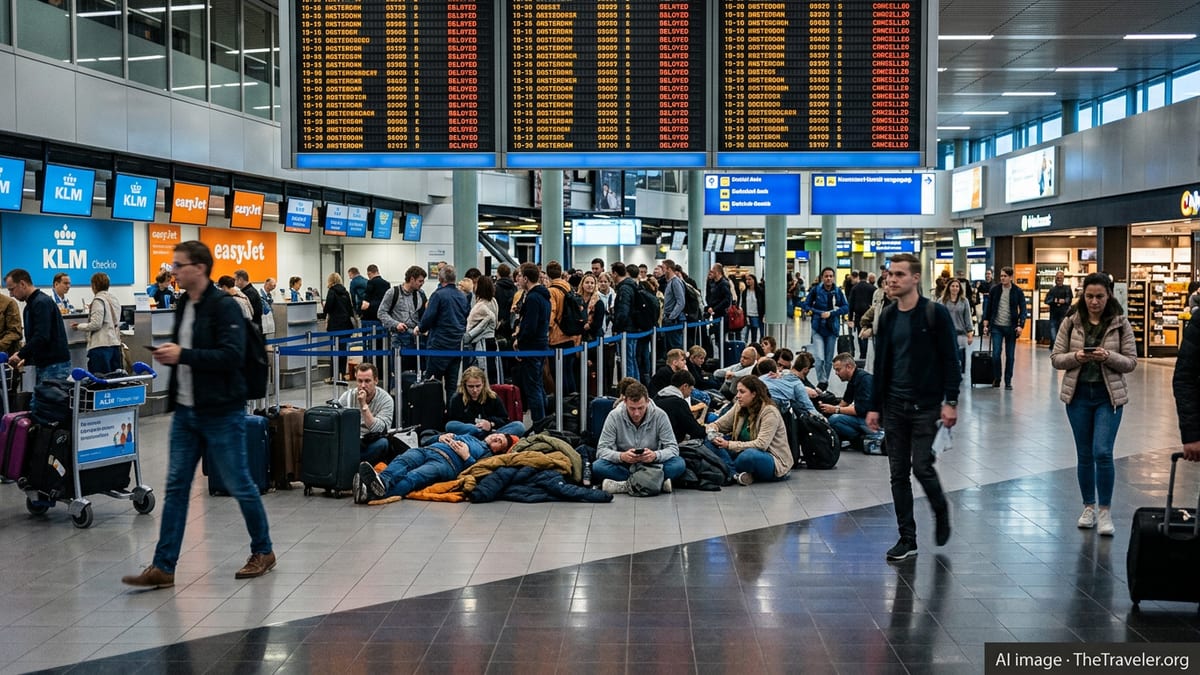
Ripple Effects Across Canada’s Busiest Corridors
Published operational data and airport tracking boards indicate that the latest wave of disruptions is concentrated on Canada’s busiest eastern corridors, where high traffic and tight aircraft rotations leave little room for recovery when schedules slip. Toronto Pearson and Montreal Trudeau are again among the main pressure points, with knock on effects reaching Ottawa and Halifax as aircraft and crews arrive late or are reassigned.
Travel analytics platforms tracking day of operations performance show a pattern similar to earlier disruption days in May, when clusters of cancellations and long delays built up quickly once the morning peak was impacted. At that time, industry monitoring highlighted more than 250 affected flights across Air Canada, WestJet and regional partners, underscoring how a handful of early cancellations can cascade into network wide interruptions later in the day.
Domestic trunk routes such as Montreal to Toronto and Toronto to Halifax are particularly exposed because they rely on multiple daily frequencies operated by a mix of mainline and regional carriers. When one or two rotations are cancelled, passengers can sometimes be rebooked on later flights, but when delays accumulate, available seats quickly disappear, leaving many travellers facing extended waits or forced overnight stays.
Secondary airports that feed into these hubs are also feeling the strain. Published schedules and live departure boards show flights between Toronto and smaller Ontario cities, as well as connections from Atlantic Canada into central Canadian hubs, experiencing rolling delays as airlines attempt to reposition aircraft and restore a workable timetable by late evening.
Air Canada, Jazz, Air Inuit and WestJet Encore Under Pressure
Publicly available flight data points to a broad mix of carriers bearing the brunt of the latest disruption, led by Air Canada and its regional affiliates. Jazz, which operates many Air Canada Express services on shorter routes, is prominently represented among delayed and cancelled flights, particularly on connections between major cities and regional centres.
Air Inuit, which serves remote northern communities, is also listed among the affected airlines. While the overall number of flights is smaller compared with the country’s largest carriers, disruptions on northern routes can have an outsized impact because alternatives are limited and aircraft often provide critical links for work, medical appointments and essential supplies.
WestJet Encore, the regional arm of WestJet, is facing its own operational challenges amid a broader period of network adjustment. Recent public notices have already highlighted route exits and schedule changes at smaller airports in Western Canada, and the added strain of cancellations and delays in the national network further complicates efforts to maintain reliable service on remaining routes.
Industry observers note that the present pattern of 69 cancellations and 142 delays fits within a wider context of operational volatility for Canadian airlines in 2026, a year marked by shifting demand patterns, high fuel costs and lingering staffing constraints across pilot, cabin crew and ground handling roles.
Major Hubs Feel the Strain as Delays Mount
The brunt of the disruption is being felt at major hubs, with Toronto, Montreal, Ottawa and Halifax again emerging as focal points for passenger frustration. Airport departure boards monitored on Tuesday show strings of delayed departures in early morning and midday banks, particularly on routes within eastern Canada and to select transborder destinations.
Toronto Pearson, Canada’s busiest airport, is especially vulnerable to schedule shocks. Operational analyses published in recent weeks describe how a single delayed or cancelled inbound flight can lead to missed connections and aircraft out of position for subsequent legs, creating a domino effect that can persist well into the evening peak. When multiple airlines encounter similar problems at the same time, the combined impact can be significant.
Montreal Trudeau and Ottawa are experiencing similar patterns on a smaller scale, with clusters of delays affecting departures to Toronto, Halifax and western Canadian cities. In Halifax, the combination of long haul domestic services and shorter regional sectors has made the airport a key node in the current disruption, as late arriving aircraft force airlines to compress turn times or cancel individual rotations altogether.
Airport infrastructure and weather can also play a role, even on days without headline grabbing storms. Congestion on runways and taxiways during peak periods, routine maintenance and localized weather phenomena such as low visibility or coastal fog can all contribute to slower operations, tightening the margins for airlines already working with stretched resources.
Impact on Passengers in Toronto, Montreal, Ottawa, Halifax and Beyond
For travellers, the numbers on operational dashboards translate into missed connections, long lines at rebooking counters and uncertain arrival times. Passengers departing from Toronto, Montreal, Ottawa and Halifax report longer than usual waits at check in and security during peak waves, as delayed flights keep passengers in the terminal far beyond their scheduled departure windows.
Secondary cities such as Barrie and other communities served by regional links are also experiencing the knock on effects. When flights from smaller centres into major hubs are delayed or cancelled, passengers can find themselves stranded far from alternative transport options, with limited ground connections and few same day rebooking possibilities.
Consumer advocacy groups and air passenger rights specialists have repeatedly pointed to these disruption days as examples of the importance of clear information and proactive rebooking tools. Public guidance frequently encourages affected travellers to monitor airline mobile apps and online flight status pages, rather than relying solely on airport displays, which may lag behind real time operational decisions.
While some passengers are able to secure seats on later flights, others face overnight stays in hub cities, adding unplanned accommodation and meal costs to the stress of disrupted travel. For business travellers and those connecting to cruises, tours or time sensitive events, the financial and practical consequences can extend well beyond the cost of a single airline ticket.
What Travellers Can Expect in the Coming Days
Industry analysts suggest that the immediate priority for airlines will be stabilizing schedules and returning aircraft and crews to their planned rotations. When cancellations reach the scale seen in the latest disruption, recovery can take more than a single day, particularly for carriers operating complex networks that stretch across multiple time zones.
Recent disruption patterns in May and early June show that even after the most acute phase of a disruption passes, knock on effects can linger in the form of shorter turn times, swapped aircraft types and last minute schedule adjustments. Travellers planning to fly in the next 24 to 48 hours through Toronto, Montreal, Ottawa or Halifax may therefore encounter residual delays, even if the total number of cancellations begins to decline.
Public information issued by airlines and airports in previous disruption events has emphasized the importance of flexible travel planning, advising passengers to allow additional time for connections and to keep contact details updated in airline booking systems so that rebooking notifications can be delivered quickly if schedules change.
With summer peak travel approaching and demand for both domestic and international flights rising, operational specialists caution that Canada’s air transport system may see further days of concentrated disruption if weather events or infrastructure constraints coincide with already tight staffing and fleet utilization. For now, the latest count of 69 cancellations and 142 delays serves as another reminder of how finely balanced airline schedules remain in 2026.