


First-time visitors often arrive in New York with a mental postcard of glass towers, yellow cabs, and a glittering strip of Broadway. Locals know a different city. Beyond midtown’s canyons and Times Square’s billboards, New York unfolds into oceanside boardwalks, neighborhood food scenes that rival entire countries, working waterfronts, rewilded parks, and small-town main streets up the Hudson River. To understand why New York offers far more than skyscrapers, Broadway, and Manhattan, you have to follow the subway, the ferry, and the commuter rail to where New Yorkers actually live, eat, and unwind.
Get the latest updates straight to your inbox!
Beyond the Postcard: Rethinking What “New York” Means
Ask someone to picture New York and they will probably imagine Midtown Manhattan, the Statue of Liberty, or a Hamilton marquee. Yet more than two thirds of New Yorkers live outside Manhattan, in the neighborhoods of Brooklyn, Queens, the Bronx, and Staten Island. These boroughs hold beaches on the Atlantic, salt marshes on Long Island Sound, hillside parks with Hudson River views, and street scenes that feel closer to Lima, Dhaka, or Athens than to a movie version of New York. Spend even one afternoon in outer-borough New York and the city’s reputation as “just skyscrapers” quickly feels outdated.
Even within Manhattan, life happens far from the bright lights of Broadway. On a summer evening, you are more likely to find neighborhood residents picnicking along the Hudson River Greenway or playing pickup soccer in East River Park than waiting in a TKTS line. In Washington Heights, the soundtrack is as likely to be a bachata track spilling from a bodega as a show tune. The reality is that New York’s cultural gravity extends block by block, not just along one famous avenue.
For travelers, this wider view matters. It changes how you plan your trip. Instead of cramming six attractions into one frenetic Manhattan day, you might dedicate a full day to Queens food and Flushing Meadows Corona Park, or trade a second museum queue for a ferry to Staten Island and a long walk through a botanical garden. You still get your skyline photo, but you also come home with stories from places your friends have probably never heard of.
Waterfronts and Beaches: New York’s Other Shorelines
One of the city’s biggest surprises is how much of it is shaped by water. New York is not just a forest of towers; it is an archipelago of islands and peninsulas ringed by rivers, bays, and ocean. On a July afternoon, the center of gravity subtly shifts from Midtown to the shoreline. Families from the Bronx ride the Bx12 bus out to Orchard Beach in Pelham Bay Park, a crescent of sand on Long Island Sound sometimes nicknamed the Bronx Riviera. Recent coverage from travel magazines has quietly elevated it as one of the city’s most underrated beaches, praised for its easy transit access and nearby seafood joints in the Bronx where you can end the day with fried shrimp and a cold beer.
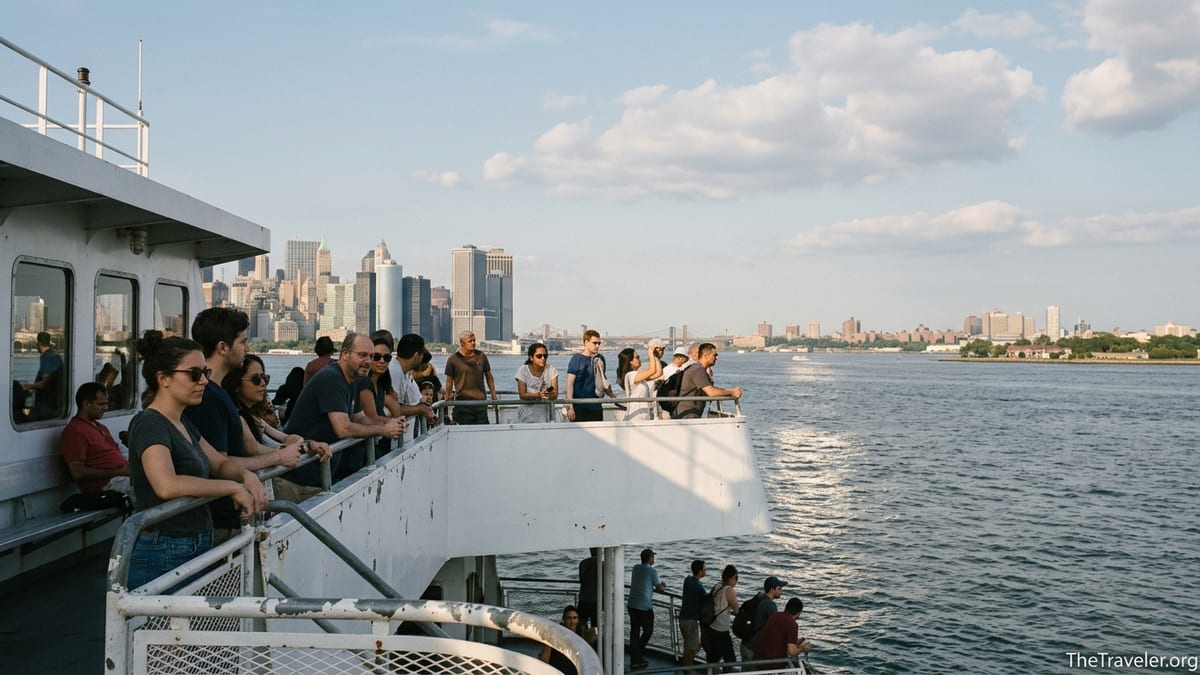
Farther south, Staten Island’s South Beach offers a long boardwalk, views of the Verrazzano-Narrows Bridge, and a noticeably local crowd. You will see teenagers on rental bikes, grandparents in folding chairs, and families wheeling coolers full of home-cooked food. It is the kind of spot where you might spend less than you would on a single midtown cocktail: the Staten Island Ferry that gets you across New York Harbor is still free, and an afternoon here can cost little more than subway fare and whatever you choose to snack on along the way.
Rockaway Beach in Queens remains the city’s best-known surf spot, and it keeps getting easier to reach. For summer 2026, New York is expanding seasonal ferry service, including the Rockaway Rocket, to move both residents and World Cup visitors out to the ocean more efficiently. That means you can board a boat from neighborhoods like Long Island City or Greenpoint and step off within walking distance of the beach, food stands, and the boardwalk without having to navigate a subway transfer in beach attire. The ride itself, typically priced similarly to a subway swipe, doubles as a harbor cruise, with skyline views that most visitors pay tour companies to see.
The waterfront is not just about beaches. On the Hudson River, piers in Brooklyn Bridge Park and Williamsburg have been reclaimed from industrial use and turned into lawns, sports fields, and walking paths with unobstructed skyline vistas. In Queens, the riverside park in Long Island City offers sunset views of Midtown that many photographers quietly prefer to more famous Brooklyn spots, along with playgrounds and room to breathe. These spaces remind you that New York is as much a maritime city as a vertical one.
Neighborhood Food Worlds From Queens to the Bronx
If Manhattan has the white-tablecloth tasting menus, the outer boroughs have the daily meals that keep New York running. Ask food writers where they go on their days off and many will point you to Queens. In Jackson Heights, you can walk a single stretch of Roosevelt Avenue and pass Nepali momo vendors, Colombian bakeries, Mexican taquerias, and Indian sweet shops within a few blocks. Dinner for two here can cost less than the service charge alone at a midtown restaurant, and you are likely to be surrounded by families speaking three or four different languages at the tables around you.
Nearby neighborhoods like Elmhurst and Corona extend that global pantry even further. One evening itinerary might start with Thai street food in Elmhurst, continue with a stroll through Corona’s residential streets, then end at a Latin American ice cream shop serving flavors like maracuya or lucuma. On summer weekends, Flushing Meadows Corona Park comes alive with informal soccer games and family barbecues, and the Queens Night Market periodically turns the park’s edge into an open-air food hall, with small vendors from across the city offering dishes often capped at relatively modest price points to keep things accessible.
The Bronx tells its own food story. Arthur Avenue in the Belmont neighborhood remains a stronghold of old-school Italian bakeries, butchers, and cheese shops, where you can buy fresh mozzarella to eat in a nearby park or sit down for a plate of pasta in a dining room lined with black-and-white photos. East of there, City Island feels like a New England fishing village dropped just a bus ride from the subway. Seafood restaurants line the island’s main drag; on warm nights, many open their patios to views of boats bobbing on the water. A platter of fried clams and a drink will set you back less than a Manhattan prix fixe, and the atmosphere is as relaxed as any seaside town.
Brooklyn, meanwhile, has matured into a patchwork of distinct food districts. In Sunset Park, 8th Avenue is lined with Chinese bakeries, hotpot spots, and supermarkets, while the neighborhood’s Latin American side streets around 5th Avenue offer tacos, pupusas, and bakeries scented with fresh pan dulce. A short subway ride away, Brighton Beach blends Eastern European grocery stores with boardwalk cafes where you can snack on pirozhki or grilled meats with a side of sea breeze. These are not backdrops for tourism campaigns; they are where New Yorkers actually shop for groceries and meet friends after work, and they show why the city’s culinary identity cannot be reduced to “Manhattan fine dining.”
Museums, Culture, and History Outside Manhattan
New York’s cultural map extends well beyond the Museum Mile. In Queens, the Queens Museum stands in Flushing Meadows Corona Park inside a building used during the 1964 World’s Fair. Its most famous exhibit, the Panorama of the City of New York, is a room-sized scale model of all five boroughs that lets you see the metropolis from a bird’s-eye view. Standing over a miniature Brooklyn or Staten Island after spending time in the real neighborhoods is an oddly grounding experience, and the museum’s programming blends contemporary art with community-focused shows.
On Staten Island, Snug Harbor Cultural Center & Botanical Garden occupies an 83-acre former retirement home for sailors, now transformed into a campus of museums, historic Greek Revival buildings, and themed gardens. The Staten Island Museum, the Noble Maritime Collection, and the Staten Island Children’s Museum all share the grounds, offering everything from maritime art to hands-on science exhibits. Admission prices here are generally lower than major Manhattan museums, and several institutions participate in donation-based or suggested entry days, which can make a full afternoon of culture more affordable than a single ticket to a blockbuster show in midtown.
The Bronx adds a different dimension with the Bronx Zoo and the New York Botanical Garden, two of the largest green and cultural institutions in the city. Travelers can pair a morning among orchid displays or seasonal flower shows at the garden with an afternoon wandering the paths of the zoo or exploring nearby neighborhoods. In Brooklyn, the Transit Museum inside a decommissioned subway station in downtown Brooklyn offers a deep dive into the city’s transit history, from vintage subway cars you can walk through to exhibits on the building of the tunnels that knit the boroughs together.
Smaller, hyper-local museums reward visitors willing to leave familiar routes. In Brooklyn, sites like Weeksville Heritage Center preserve the history of one of the first free Black communities in the area. In Queens and the Bronx, historic houses and niche collections tucked into residential streets tell stories of immigration, labor, and daily life. None of these places are likely to make a top-five attractions list, yet together they reveal the layers of New York that glass towers and Broadway marquees obscure.
Naturescapes and Parks That Feel a World Away
For a city famous for concrete, New York has a surprising amount of wildness. Central Park tends to dominate visitor itineraries, but travelers who venture outward find landscapes that feel far removed from midtown. In the Bronx, Pelham Bay Park is already larger than Central Park, taking in forests, marshes, and the shoreline around Orchard Beach. Trails weave through shaded woods and along inlets where you may spot egrets or herons. On weekends, you will see families picnicking near the water, joggers training on quiet paths, and anglers posted on rocky edges of the Sound.
On Staten Island, Freshkills Park is gradually emerging from what was once the world’s largest landfill into one of New York’s largest future parks. While the full buildout will take years, portions already open for guided tours and special events show rolling grasslands, wetlands, and distant views of the skyline framed by tall grasses. It is a striking reminder of how quickly New York is reimagining its unused or damaged spaces as environmental assets, and it offers a literal perspective shift on the city when you see the towers of lower Manhattan from miles away across restored habitat.
Closer to the city center, smaller escapes have an outsized impact. Randall’s Island in the East River includes salt marshes, walking paths, and playing fields with views of three boroughs at once. Roosevelt Island offers grassy hills, cherry trees in spring, and waterfront promenades beneath the Queensboro Bridge. In Brooklyn, the meadows and woodlands of Prospect Park provide a more local version of Central Park, with weekend drum circles, pickup softball games, and families grilling on the Long Meadow as dogs race across the fields.
These green spaces change the rhythm of a visit. Instead of sprinting from museum to theater to observation deck, you can build in slow hours watching a softball game in a neighborhood park or hiking a short trail that smells of pine needles rather than car exhaust. For many visitors, these pauses become some of their clearest memories of the city, precisely because they contrast so sharply with the standard Manhattan narrative.
Day Trips: Small-Town Hudson Valley Vibes Within Reach
The city’s commuter rails turn New York into the anchor point for an even larger region of experiences. Board a Metro-North train at Grand Central and within an hour you can be walking down the main street of a Hudson River town like Cold Spring or Beacon. Travel guides frequently highlight these spots as among the most popular day trips from New York, noting travel times of roughly one to one and a half hours and emphasizing how seamlessly city dwellers fold them into summer and fall weekends. Ticket prices vary by time and day, but they are typically comparable to or a bit more than a couple of subway rides each way, especially if you take advantage of off-peak fares.
Cold Spring compresses a lot into a small footprint: antique shops, independent bookstores, and cafes line a walkable main street, with views of the Hudson and forested hills rising on the opposite shore. Many visitors hike nearby trails during the morning and settle into a late lunch on Main Street, treating the day as a reset from city intensity. Beacon offers a similar mix, with the contemporary art museum Dia Beacon housed in a former factory, and a cluster of galleries, bars, and restaurants in the surrounding streets. On weekends, it can feel like a satellite neighborhood of Brooklyn, only with more mountain air.
Other destinations like Bear Mountain State Park, accessible by car or seasonal bus and boat services, add swimming pools, lakeside picnic areas, and sweeping overlooks to the list of easy escapes. Travel writers increasingly cover these day trips not as standalone getaways but as integral parts of a modern New York visit: three days split between city streets and river towns offers a fuller sense of how New Yorkers balance urban life with nature.
Planning a trip with a day in the Hudson Valley also helps disperse your travel budget. Instead of paying high midtown meal prices every day, you might spend one afternoon sampling locally roasted coffee and modestly priced lunches in a river town, then return to New York in the evening with both your camera roll and your appetite refreshed.
How Travelers Can Tap Into the “More Than Manhattan” New York
Understanding that New York is more than skyscrapers and Broadway is only useful if you can translate it into an actual itinerary. One practical strategy is to dedicate at least one full day of your trip to a single borough that is not Manhattan. For example, you might spend a Saturday riding the 7 train to Queens, exploring Jackson Heights and Elmhurst’s food scenes at street level, then heading to Flushing Meadows Corona Park for an afternoon at the Queens Museum and a walk among the remnants of the 1964 World’s Fair. Dinner could be in nearby Flushing, where entire malls are filled with regional Chinese restaurants, bubble tea stands, and bakeries.
Another day could be shaped around a waterfront arc. Start at the Staten Island Ferry Terminal in lower Manhattan for a free harbor crossing with close-up views of the Statue of Liberty. On the other side, choose between a bus ride to Snug Harbor Cultural Center & Botanical Garden for museums and gardens, or a route to South Beach for boardwalk time. Back in Manhattan by late afternoon, you might continue north along the Hudson River Greenway, ending with sunset in a riverside park rather than in a Times Square crowd.
For returning visitors, it can be rewarding to pick a theme rather than a checklist of landmarks. Food-focused travelers might spend multiple days tracing specific cuisines from borough to borough, while history buffs could seek out lesser-known sites such as Weeksville in Brooklyn, historic houses in the Bronx, or maritime history at Noble Maritime Collection on Staten Island. Sports fans might pair a Mets game in Queens or a Yankees game in the Bronx with explorations of the surrounding neighborhoods before and after first pitch, sampling local bakeries, bars, and street vendors.
Whatever your focus, a simple rule of thumb helps keep your trip grounded in the broader city: for every major Manhattan attraction you plan, see if you can add one outer-borough or regional experience. Over the course of a week, that might mean four or five different neighborhoods well beyond midtown, each with its own cadence, cuisine, and sense of place. By the time you leave, Broadway and the skyline will still sparkle, but they will feel like just one part of a much larger story.
The Takeaway
New York’s international image was built on the vertical theater of Manhattan, on show posters and vertigo-inducing observation decks. Yet the city’s everyday life stretches out horizontally along beaches, into neighborhood bakeries, across ferry routes, and up the Hudson River. When you follow New Yorkers to their weekend haunts and weekday routines, “New York” stops being shorthand for Manhattan and becomes a mosaic of boroughs and nearby towns that all feed into the same energy.
For travelers willing to stray from the postcard version, the rewards are tangible: calmer parks, more affordable meals, cultural institutions without the crush of tour groups, and conversations with residents who are not surrounded by souvenir stands. You still have time for the skyscrapers and shows. The difference is that they become the glittering accents on a trip rooted in the places where the city actually breathes.
FAQ
Q1. Is it realistic to explore beyond Manhattan on a short trip?
Yes. Even on a four-day visit you can devote one full day to Queens or Brooklyn and still have time for key Manhattan sights if you plan carefully.
Q2. Are the outer boroughs safe for visitors?
Most neighborhoods that travelers frequent are as safe as busy parts of Manhattan, especially during the day. Use normal big-city precautions and follow current local guidance.
Q3. How much does it cost to reach places like Queens, the Bronx, or Staten Island?
In most cases, a standard subway fare will get you there. The Staten Island Ferry is free, and city ferries to spots like Rockaway Beach are typically priced similarly to a transit ride.
Q4. Do I need a car to visit beaches and parks outside Manhattan?
No. Orchard Beach, Coney Island, Rockaway, and many large parks are reachable by subway and bus. A car can help for some state parks and Hudson Valley hikes but is not essential for a first trip.
Q5. Can I visit the Hudson Valley as a day trip without booking a tour?
Yes. Regular Metro-North trains from Grand Central reach towns like Cold Spring and Beacon in roughly one to one and a half hours, making self-guided day trips easy.
Q6. Are cultural sites outside Manhattan worth prioritizing over the big museums?
They are different rather than better or worse. Places like the Queens Museum, Snug Harbor, or smaller historic sites offer more local context and lighter crowds than flagship Manhattan museums.
Q7. How can I find good local food in non-touristy neighborhoods?
A practical approach is to research specific streets or intersections known for dining, then walk and see which spots are busy with locals. Staff at small cafes and bakeries are often happy to offer recommendations.
Q8. Is it difficult to navigate the subway to outer-borough neighborhoods?
The system can feel complex at first, but most key routes are straightforward. Using a transit app, allowing extra time, and traveling outside peak rush hours makes the experience smoother.
Q9. What should I budget for a day focused on an outer borough?
You can often spend less than in midtown. Transit, museum admissions, and several meals at neighborhood spots typically add up to far less than a single Broadway ticket and pre-show dinner.
Q10. How many days should I allocate if I want to see both classic Manhattan sights and lesser-known areas?
A week gives you enough time to balance them comfortably, but even five days is enough for at least two dedicated outer-borough or Hudson Valley excursions alongside the main Manhattan highlights.