


More news on this day
Price-conscious travelers often grab the cheapest inside cabin on a cruise, assuming the room barely matters. But after trying six different cabin types on recent sailings, one frequent cruiser found the lowest-priced option consistently undercut the experience, while modest upgrades delivered disproportionately better comfort, views and sleep.
Get the latest news straight to your inbox!
Cheapest Inside Cabins: Low Price, High Trade-Offs
Interior cabins without windows remain the entry point to most mainstream cruise lines, advertised as the most affordable way to get on board. Reports from cruise specialists and recent consumer guides describe them as compact, often with limited storage and no natural light, positioned deep inside the vessel where engine noise and hallway traffic can be more noticeable.
Travel writers who have compared cabin types across multiple ships say these rooms work best only in very specific scenarios: short itineraries, port-heavy routes where passengers spend most waking hours ashore, or for travelers who truly treat the cabin as a place just to sleep and shower. In other cases, the lack of daylight, tighter layout and higher noise levels have been linked to restless sleep and a sense of disorientation, particularly on longer sailings.
Analyses of cabin pricing published in 2026 indicate that while interior cabins can be significantly cheaper, the savings are not always as dramatic as advertised when promotions and early-booking offers on higher categories are factored in. Some fare trackers identify instances where limited balcony guarantees briefly undercut standard interior rates, underscoring how headline “from” prices do not always reflect real-time value.
For travelers who expect to relax in their room, follow changing scenery or work remotely at sea, experts now often characterize the very cheapest interiors as a false economy rather than a smart hack, especially on cruises longer than three to five nights.
Oceanview Rooms: A Step Up That Is Not Always the Sweet Spot
Oceanview cabins, which add a porthole or picture window to an otherwise similar footprint, are frequently marketed as the mid-range compromise between cost and comfort. Recent comparison pieces describe them as a meaningful quality-of-life upgrade over interior rooms, mostly because passengers can orient themselves to daylight and weather conditions without leaving the cabin.
However, several 2026 cabin guides argue that oceanview pricing often sits uncomfortably close to balcony rates, particularly on older ships or during off-peak seasons. When the nightly difference between a window and a private outdoor area narrows to a modest sum, analysts say the oceanview category can become hard to justify as the best value choice.
Location plays a role in perceived value as well. Lower-deck oceanviews near the bow or stern may experience more motion and noise, while midship oceanviews on higher decks tend to be quieter but command a higher fare. Some reports note that these top-tier oceanviews can cost hundreds more than lower-deck equivalents on longer itineraries while offering identical square footage and no access to fresh air.
As a result, cruisers who have sampled multiple room types often reserve oceanview cabins for very specific trips, such as colder-weather sailings where balcony use might be limited, or when the upgrade from interior remains relatively small and balcony prices climb sharply.
Balcony Cabins: The Emerging Standard for Value
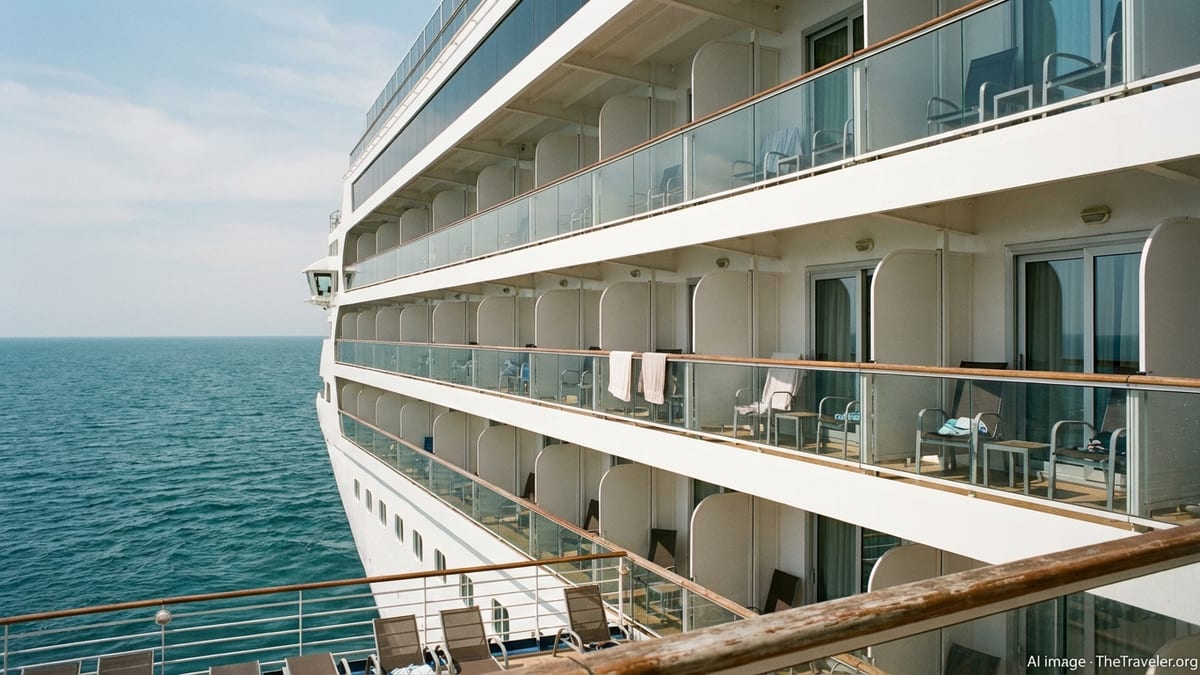
Across recent surveys and pricing studies, balcony cabins increasingly appear as the “new normal” for many mainstream cruise passengers. Analysts point to patterns showing that, on several major lines, balcony staterooms now make up a large share of inventory, which has reduced the price gap with interior and oceanview categories over the past decade.
Travel sites that track hundreds of sailings report that the jump from interior or oceanview to balcony can range from modest to substantial, but often delivers a disproportionate improvement in experience. A private veranda allows guests to watch sailaways, glacier passes or fjord scenery without competing for rail space on public decks, and offers a quiet retreat during sea days when pools and promenades can be crowded.
Cruise analysts note that balcony cabins may be less critical on short, port-intensive Caribbean itineraries, where passengers are often ashore during daylight and in public spaces by night. Yet on longer voyages, scenic routes through Alaska or northern Europe, or repositioning cruises with multiple sea days, the consensus in current coverage is that balconies deliver much more value than their price premium suggests.
For travelers who have tried interior, oceanview and balcony rooms, published first-hand comparisons commonly describe balconies as the point where the cruise starts to feel substantially different, rather than merely more expensive. That pattern supports the idea that the cheapest cabins are not the benchmark; mid-tier balconies increasingly define what many passengers now consider a standard cruise experience.
Suites and Mini-Suites: When Upgrades Redefine the Trip
Above standard balconies, suites and mini-suites add more square footage, separate sleeping and living areas, and upgraded amenities. Recent guides emphasize that full suites can cost several times more than a basic balcony but also introduce elements such as priority boarding, dedicated dining rooms and exclusive lounge access on some lines, effectively creating a tiered resort within the ship.
Analysts caution that these premium categories are not automatically “worth it” for every sailing. On shorter trips, passengers may struggle to take advantage of added perks, while port-heavy itineraries leave less time to enjoy larger balconies, soaking tubs or concierge lounges. In those cases, cruise commentators suggest suite pricing is best reserved for milestone celebrations, multi-generational trips that benefit from extra space, or long voyages where the cabin doubles as a primary living room.
Mini-suites and junior suites occupy a more nuanced middle ground. Reports indicate they often provide a more generous bathroom layout and extra seating area while keeping prices closer to standard balcony fares. For travelers who found the smallest balconies tight after sampling multiple categories, these intermediate options can feel like a smart, targeted splurge without committing to full suite costs.
Data compiled by fare trackers in 2026 suggests that suite inventory tends to sell fastest on popular seasonal routes, such as summer Alaska or Mediterranean sailings, where travelers are willing to pay a premium for space and premium views. That pattern reinforces the view that, unlike the cheapest rooms, higher-category cabins can transform how a cruise feels rather than simply adding cosmetic extras.
How to Choose: Itinerary, Habits and Real Price Gaps
While many seasoned cruisers now argue that the rock-bottom interior option is rarely worth it, current expert advice focuses less on labels and more on matching cabin choice to itinerary and personal habits. Publications comparing 2026 sailings advise travelers to begin by counting sea days, evaluating climate and considering whether they plan to nap, work or entertain in the room.
On warm-weather voyages dense with port calls, interior or modest oceanview cabins may still make sense for travelers intent on spending nearly all their time in public spaces or ashore. In contrast, on scenery-driven routes where the ship itself is a moving viewpoint, balcony or higher categories are widely presented as the better value, even when they cost more up front.
Analysts also recommend looking beyond headline fares to the nightly difference between categories, multiplied by the number of people sharing the room. A balcony that costs slightly more per person per night than an interior can, in practical terms, represent a modest daily upgrade when weighed against the overall vacation budget, onboard spending and the comfort of having private outdoor space.
For travelers who have sampled multiple cabin types, recent coverage suggests a consistent conclusion: while it is possible to cruise happily in any category, the very cheapest rooms are often the easiest place to cut corners and the hardest place to live with compromises over a week or more at sea. Balconies and well-situated mid-tier cabins increasingly stand out as the options that balance cost with the kind of experience most passengers now expect from a modern cruise.