


More news on this day
Travelers who still count on last-minute cruise bargains are running into a new reality in 2026, as major lines lean on airline-style pricing and record demand to keep fares high right up to sailing.
Get the latest news straight to your inbox!
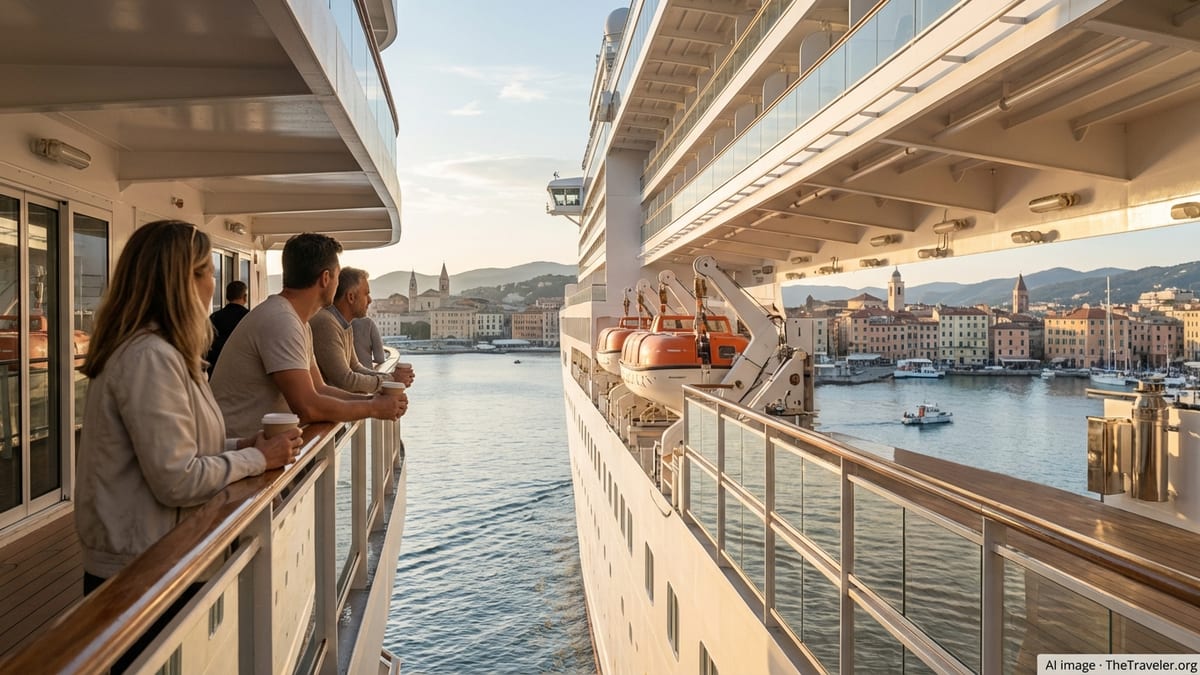
Record Demand Gives Cruise Lines Less Reason to Discount
Publicly available earnings statements from major cruise groups show that demand has rebounded to historic highs, with many brands reporting future sailings booked further in advance than before the pandemic. Carnival Corporation, for example, has highlighted that its booked position for the remainder of 2026 is ahead of the prior year at higher pricing, reflecting a strong appetite for Caribbean and Europe itineraries among North American and European travelers.
Industry coverage focused on Caribbean deployment notes that cabins for peak-season sailings are filling faster, and that 2026 inventory is already tighter on popular routes. Reports indicate that as ships sail closer to full, cruise companies can rely less on last-minute fire sales to fill remaining berths and more on holding pricing or even raising fares as departure dates approach.
This environment limits the traditional opportunity window for bargain hunters. Where unsold cabins once pushed cruise lines to discount heavily a few weeks before departure, the combination of pent-up demand and fuller ships means there are simply fewer empty rooms to clear at the eleventh hour.
For travelers, the shift means that waiting for a dramatic price drop on sought-after itineraries, new ships or holiday sailings is increasingly a gamble, with the more common outcome now being higher fares or limited cabin choice as departure nears.
Dynamic Pricing Borrowed From Airlines Is Reshaping Fares
Recent analysis of cruise pricing trends in outlets such as Forbes describes how major lines are adopting an airline-style revenue model in which fares move constantly in response to algorithms. Instead of a fixed brochure rate that gradually declines if a sailing is not selling, quoted prices now adjust several times a day based on demand, booking pace and remaining cabin inventory.
Royal Caribbean-focused commentary published in early 2026 explains that the company prices each sailing individually using sophisticated software. Rather than tying discounts to public sales events, these tools nudge fares up or down continuously, attempting to match what travelers are willing to pay on a given date for a particular ship and itinerary.
Consumer guides for 2026 note that, under this system, there is no longer a single “best week” of the year to book a cruise. Instead, prices for popular sailings may rise as soon as an itinerary opens for sale, then step higher again as cabins are snapped up. In some cases, brief promotional dips appear, but they are less predictable and can vanish within hours.
For those who delay booking in the hope that a general sale will bring prices down, this dynamic environment can backfire. A fare that looks reasonable one day may be significantly higher the next, with limited recourse if the new price reflects strong demand rather than a short-lived promotion.
CEOs Emphasize “Pricing Integrity” Over Last-Minute Deals
In recent years, several cruise executives have publicly stressed a commitment to “pricing integrity,” signaling a strategic preference for maintaining fare levels rather than discounting aggressively near departure. Commentary on a Royal Caribbean investor presentation, for example, recaps remarks from the company’s leadership that strong demand allows the line to focus on higher yields and avoid undermining ticket prices with deep last-minute cuts.
Royal Caribbean’s chief executive has previously been cited in specialist cruise coverage explaining that as bookings remain strong for future seasons, the brand expects to lift pricing over time. The suggestion in those reports is that travelers eyeing a 2026 or 2027 cruise are likely to see fares trend upward as ships fill, not downward as departure approaches.
Similar messaging appears across the sector, with publicly available transcripts and trade press reports indicating that multiple cruise groups view discounting as a tool to be used selectively. With on-board spending now a larger share of total revenue, cabins are treated as valuable inventory that should not routinely be sold at sharply reduced rates unless demand slumps.
This executive focus filters down into everyday pricing decisions. Rather than rewarding procrastination with the lowest fares, lines are increasingly incentivizing early commitment, confident that a robust customer base will fill ships at or near the target price.
Early Bookers Lock In Both Price and Preferred Cabins
Consumer booking guides updated for 2026 generally recommend reserving most cruises six to twelve months in advance to capture a better blend of price and choice. Travel-industry explainers point out that wave season discounts early in the year, combined with low introductory fares when new itineraries first open, tend to offer the most consistent value.
Advisories from cruise specialists also highlight that waiting can restrict cabin options even when prices do not spike dramatically. Desirable staterooms, such as midship balconies, family suites and connecting cabins, are often among the first to sell. Travelers who postpone booking may find that only inside cabins, obstructed-view rooms or cabins in noisier locations remain, sometimes at prices not much lower than the better options that were available months earlier.
At the same time, many lines allow guests to reprice their existing booking if a lower fare becomes available before final payment, subject to specific terms and conditions. Travel agents and online forums frequently discuss how vigilant travelers monitor fares and request adjustments when promotions appear, effectively combining the security of early booking with the possibility of later savings.
This approach flips the usual last-minute strategy. Instead of waiting on the sidelines in hopes of a bargain, travelers secure a workable fare and preferred cabin early, then watch for targeted discounts or value-added promotions such as onboard credit or included Wi-Fi that may be applied to existing reservations.
Rising Costs and Extras Make Delays Even Riskier
Behind the scenes, higher operating expenses are also influencing cruise pricing in 2026. Company reports show that fuel, food and labor costs have climbed, in some cases faster than overall ticket prices. As a result, cruise operators have less room to cut base fares without eroding margins, especially on itineraries where port fees and other fixed costs are significant.
In addition, cruise lines are generating more revenue from extras such as beverage packages, specialty dining and shore excursions. Business coverage of onboard spending trends notes that per-passenger purchases have increased compared with 2019, which encourages companies to position base fares at levels that support premium branding and leave room for higher-yield ancillary sales.
Travel commentary also draws attention to the possibility of fuel surcharges and changes to fare structures that can add to the overall cost of a sailing. While these adjustments are typically governed by contract terms accepted at booking, they illustrate how the total expense of a cruise can rise over time, particularly if volatile energy markets persist.
For travelers, the combination of rising input costs, more complex fee structures and strong demand creates a pricing environment where waiting to book can mean paying more not only for the cabin itself but also for flights, pre-cruise hotels and popular add-ons. Locking in key elements earlier in the planning process can help protect against these incremental increases, even if modest promotions occasionally appear closer to departure.