


More news on this day
Thousands of passengers across Canada are facing major travel disruption as a fresh wave of flight cancellations and delays ripples through Montreal, Toronto, Ottawa, Vancouver, Calgary, Quebec City, Halifax and several northern airports, with regional and mainline carriers reporting hundreds of affected departures and arrivals.
Get the latest news straight to your inbox!
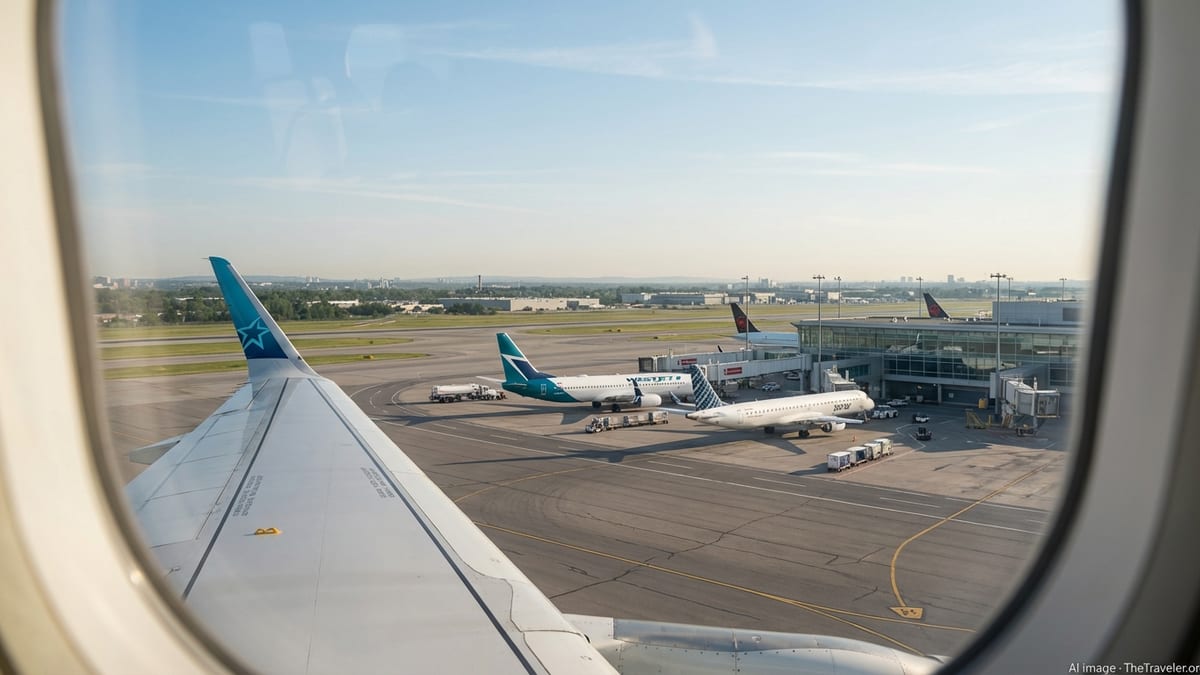
Network Strain Hits Major Hubs and Remote Communities
Publicly available tracking data and industry reports indicate that at least 167 flights have been cancelled and more than 680 delayed across the Canadian network, disrupting operations for Jazz-operated Air Canada Express services, Air Canada and Rouge, Porter, Inuit carriers, WestJet Encore and other operators. The impact is concentrated at the country’s largest hubs but is also isolating smaller and northern communities that rely on limited daily frequencies.
Toronto Pearson, Montreal Trudeau and Vancouver International are bearing a significant share of the disruption, with cascading delays affecting both domestic and transborder connections. Calgary, Ottawa, Quebec City and Halifax are also reporting knock-on schedule changes as aircraft and crews fail to arrive on time, forcing airlines to consolidate or cancel services at short notice.
In the North and in remote Quebec and Atlantic regions, limited runway capacity and sparse schedules mean even a single cancellation can leave communities without service for a full day. Passengers heading to or from these areas are reporting extended waits and, in some cases, unexpected overnight stays as they wait for the next available seat.
Travel data providers and aviation outlets describe the situation as a significant mid-season disruption, arriving just as airlines are ramping up capacity for summer travel. The timing is amplifying the effect on leisure travelers, particularly families attempting to connect through multiple hubs on the same day.
Multiple Carriers Impacted Across Domestic and Regional Networks
The disruption is spanning Canada’s mainline and regional operators, underscoring how interdependent airline schedules have become. Jazz, which operates feeder flights for Air Canada under the Air Canada Express brand, is seeing a series of cancellations and extended delays on short-haul routes that connect secondary cities to major hubs. These missed links are rippling through the network, with passengers missing onward flights even when long-haul departures remain on schedule.
Air Canada and its leisure arm Rouge are contending with altered rotations on busy domestic routes such as Vancouver to Montreal and Toronto to Western Canada, as well as certain international departures. According to publicly available outlooks and timetable changes, the carrier has been closely monitoring hub operations and flagging cities where weather, crew positioning or congestion could cause further delays.
Porter and Inuit operators serving northern and remote communities are also affected. With smaller fleets and highly specialized operations, even one aircraft out of position can force a chain of reschedulings. Northern routes that connect hubs like Montreal and Quebec City to airports in Nunavik and other remote regions appear particularly exposed to the current wave of disruptions.
WestJet Encore, which focuses on regional flying with turboprop aircraft, is experiencing pressure where its services interline with WestJet’s mainline network. Delays at Calgary and other Western gateways are feeding into schedule changes on shorter spokes, complicating travel for passengers trying to reach or leave mid-size markets.
Weather, Crew Positioning and Fuel Economics Behind the Disruptions
Operational data and recent coverage from aviation-focused outlets point to a combination of adverse weather systems, crew misalignment and broader cost pressures as drivers of the current disruption. Storm activity and fast-changing visibility at several major airports have periodically slowed arrivals and departures, forcing air traffic managers to reduce capacity and triggering delays that spread through the day.
When flights arrive late, crews can quickly exceed regulated duty limits, and airlines must either find replacement staff or cancel services. Canadian carriers have already been managing tight crew availability, a legacy of post-pandemic rehiring and training cycles, and this latest weather volatility is exposing those constraints.
At the same time, jet fuel prices and supply challenges remain a structural factor behind recent schedule decisions. In the past few months, publicly available statements and industry reports have documented Canadian airlines trimming or suspending certain routes that are no longer economically viable, particularly to fuel-constrained destinations. While those cuts are planned changes rather than day-of cancellations, they reduce flexibility in the system and limit options for rebooking when irregular operations strike.
The result is a network that has less spare capacity to absorb shocks. When a disruption hits several hubs at once, the lack of backup aircraft and crews quickly translates into widespread cancellation numbers and protracted delays, as seen in the current episode.
Growing Passenger Frustration and Limited Rebooking Options
Throughout the day, social media posts and traveler accounts from across Canada have chronicled long lines at check-in counters and customer service desks, with some passengers reporting waits of several hours to secure alternate flights. Families and international travelers with tight onward connections appear especially vulnerable, as rebooking options are constrained by already full peak-season flights.
In major hubs such as Toronto, Montreal and Vancouver, some passengers are being routed through secondary airports or placed on red-eye services in order to complete their journeys. In smaller markets and northern communities, where daily frequencies are low, travelers are sometimes left with a choice between accepting a multi-day delay or arranging overland or ferry alternatives at their own expense.
Consumer advocates and travel experts cited in recent coverage note that Canada’s Air Passenger Protection Regulations can, in some circumstances, entitle travelers to compensation or care when disruptions are within an airline’s control. The practical application, however, can be complex, and many passengers report confusion about whether their delay is attributable to weather, operational issues, or broader systemic constraints such as fuel supply.
Accommodation, meal vouchers and ground transport policies vary by carrier and by the cause of disruption, and travelers are being advised by publicly available guidance to keep receipts, monitor airline notifications carefully and, where possible, document the reasons provided for their cancellation or delay.
Airlines Adjust Summer Schedules as Pressure Mounts
The latest wave of disruptions comes as Canadian airlines are already reshaping their networks ahead of the peak summer period. In recent weeks, several carriers have disclosed plans to reduce frequencies on select domestic routes and to pause or cut some international services, citing sustained fuel cost pressure and shifting demand patterns.
Air Canada has announced the suspension of multiple routes that were deemed no longer economically feasible, including certain services from Montreal, Toronto and Quebec City. WestJet has separately signaled capacity reductions and adjustments from regional airports, while Porter continues to expand in some markets as it launches new services from recently developed facilities but must still navigate the same systemic constraints affecting other operators.
Aviation analysts note that these structural changes mean travelers may face a more fragile network than in previous summers, particularly outside the busiest trunk routes between the largest hubs. When irregular operations occur on top of a leaner schedule, the scope for same-day recovery is narrower, and the number of passengers left waiting can rise quickly.
For now, publicly accessible flight data and airport dashboards suggest that recovery efforts are under way, but the high volume of cancellations and delays across Jazz, Air Canada and Rouge, Porter, Inuit carriers, WestJet Encore and others points to a challenging start to the season for Canada’s air travel system and for the thousands of passengers still waiting to reach their destinations.