


More news on this day
Severe thunderstorms sweeping across the Denver metro area have disrupted operations at Denver International Airport, with more than 600 flights delayed Sunday as storms moved through Colorado’s Front Range.
Get the latest news straight to your inbox!
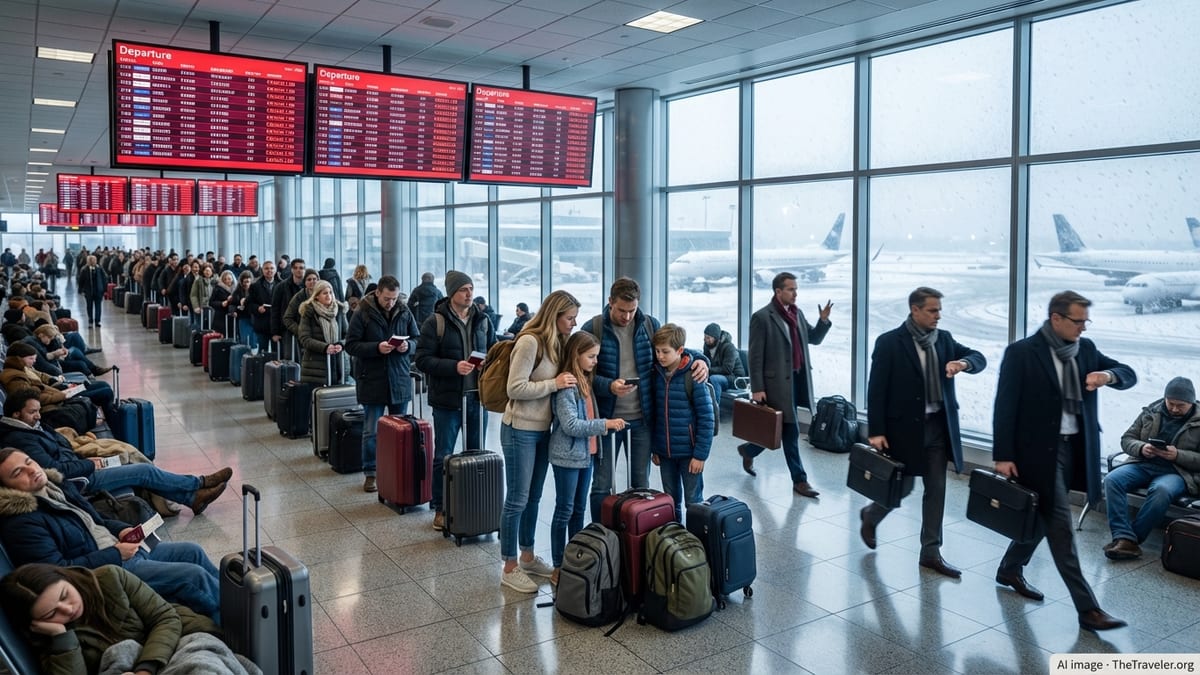
Storm Cells Trigger Widespread Schedule Disruptions
Publicly available flight tracking data and airline status boards show that rolling thunderstorms over the Denver area led to cascading delays throughout the afternoon and evening. Cells built rapidly along the Front Range, bringing heavy rain, lightning and shifting winds that limited the airport’s ability to keep departures and arrivals on schedule.
Reports from aviation monitoring services indicate that departures from Denver were particularly affected as traffic managers slowed the rate of takeoffs to keep aircraft clear of developing storm cells east and northeast of the field. Arrivals also faced holding patterns and reroutes as convective weather pushed across common approach paths.
By early evening, delay tallies had climbed past 600 flights, affecting a mix of mainline and regional operations for the airport’s largest carriers as well as low cost and ultra low cost airlines. While many disruptions were under an hour, a substantial number of flights showed waits of 90 minutes or longer, rippling onto later segments in airline networks across the country.
Thunderstorms are a familiar challenge for Denver, especially in late spring and summer when fast-building convection can alter operating conditions in a matter of minutes. Weather case studies compiled by federal meteorological agencies describe the region’s tendency for rapid thunderstorm development that can force quick adjustments in routing and runway use.
Ground Stops and Flow Limits Manage Traffic Into the Region
According to published coverage of recent weather events affecting major U.S. hubs, the Federal Aviation Administration frequently turns to ground delay programs and temporary ground stops to moderate the flow of aircraft into storm-affected airspace. Similar tools were used around Denver as Sunday’s storms intensified, slowing the rate of arrivals and instructing some departing flights from other cities to hold until conditions improved.
Information posted on national airspace status portals showed intermittent traffic management initiatives for the Denver area as storms pulsed through the afternoon. These measures, designed to keep the skies around the airport from becoming oversaturated, often mean aircraft are held at their departure airports rather than stacking in holding patterns near Denver.
While such programs add time to many itineraries, they are intended to maintain safe separation between aircraft when weather limits available routes and runways. Industry analyses note that for complex hub airports like Denver, even modest reductions in arrival and departure rates can lead to hundreds of delayed flights over the course of a busy day.
Construction and airfield maintenance activity referenced in recent Federal Aviation Administration planning documents has also reduced some runway and taxiway flexibility at Denver at various points this year, increasing the operational sensitivity to disruptive weather. When a strong thunderstorm line intersects the most commonly used arrival and departure corridors, controllers have fewer options to work around the storms.
Travelers Face Long Waits, Missed Connections and Baggage Backlogs
The rolling delays translated into long waits in gate areas and on board aircraft, as well as mounting concerns over missed connections at one of the nation’s busiest connecting hubs. Social media posts from passengers described lines at customer service desks and rebooking kiosks as travelers sought alternative routings or overnight accommodations when their onward flights fell outside legal crew duty times.
Reports from previous weather disruptions at Denver provide a guide to likely knock on effects: baggage delivery can slow dramatically when aircraft arrive in large waves after earlier ground stops, and limited ramp access during periods of lightning can create backlogs in unloading and loading. Passengers arriving late in the evening may encounter extended waits at baggage carousels as ground teams work through accumulated loads.
Airline advisories around similar recent thunderstorms at other U.S. hubs have emphasized the importance of using digital tools to track flight status and, when possible, adjust itineraries before arriving at the airport. Same day changes to earlier or later flights, where available, can sometimes help travelers avoid the worst of a storm’s impact when forecasts show a clear window before or after the most intense cells.
For those already en route, travel insurance policies or credit card trip delay benefits may come into play when weather related disruptions extend overnight. Industry guidance suggests that travelers retain receipts for meals, hotels and transportation in case their coverage includes reimbursement for extended delays caused by severe weather.
Part of a Broader Pattern of Summer Weather Strain
The Denver delays add to a broader pattern of weather driven disruptions that has affected major U.S. airports in recent weeks. Published reports highlight thunderstorms producing lengthy ground delays at Chicago O’Hare and Dallas area airports, as well as convective activity along the East Coast that has slowed traffic at New York and Washington area hubs.
Analysts note that as airline schedules continue to rebuild after the pandemic era and passenger volumes climb, there is less slack in networks to absorb sudden weather shocks. When a major connecting hub like Denver encounters a several hour weather disruption on a busy travel day, impacts can be felt on flights around the country well into the next morning.
Operational data released by airlines and airports over the past year show that on time performance has become increasingly sensitive to localized severe weather, particularly thunderstorms that interfere with peak departure and arrival banks. Even when cancellation rates remain relatively low, a high volume of moderate delays can complicate crew scheduling and aircraft positioning for subsequent days.
Denver’s location at high altitude and near complex terrain adds another layer of complexity. Aviation weather studies of the region describe how interactions between mountain winds and moist air masses moving across the plains can fuel sudden storm development, requiring close coordination between meteorologists, air traffic managers and airline operations centers.
What Travelers Can Do on Future Storm Days
Travel experts and consumer advocates responding to similar events in recent months generally encourage passengers to build extra time into itineraries during peak thunderstorm season, particularly when connecting through inland hubs such as Denver. Early morning departures tend to be less affected, as the most intense convective activity often holds off until later in the day.
Monitoring forecasts from the National Weather Service and local outlets before heading to the airport can provide early warning of potential disruptions. When significant thunderstorms are expected, travelers may want to avoid tight connections of less than an hour and consider carrying essential items, including medications and a change of clothes, in hand luggage in case of extended delays or unexpected overnight stays.
Publicly available airline advisories also stress the value of keeping contact information up to date in reservations and downloading carrier mobile apps, which are typically the fastest way to receive rebooking options when schedules change suddenly. Some airlines offer self service tools that allow customers to move to different flights without additional fees when bad weather is forecast for a hub.
As Denver International Airport works through the backlog created by the latest round of thunderstorms, residual delays are likely to continue into the late evening and potentially into early Monday for some eastbound red eye and repositioning flights. Travelers with upcoming departures through Denver are being advised, through airline and airport communications channels, to check their flight status frequently and plan for extra time at the airport while operations normalize.