


More news on this day
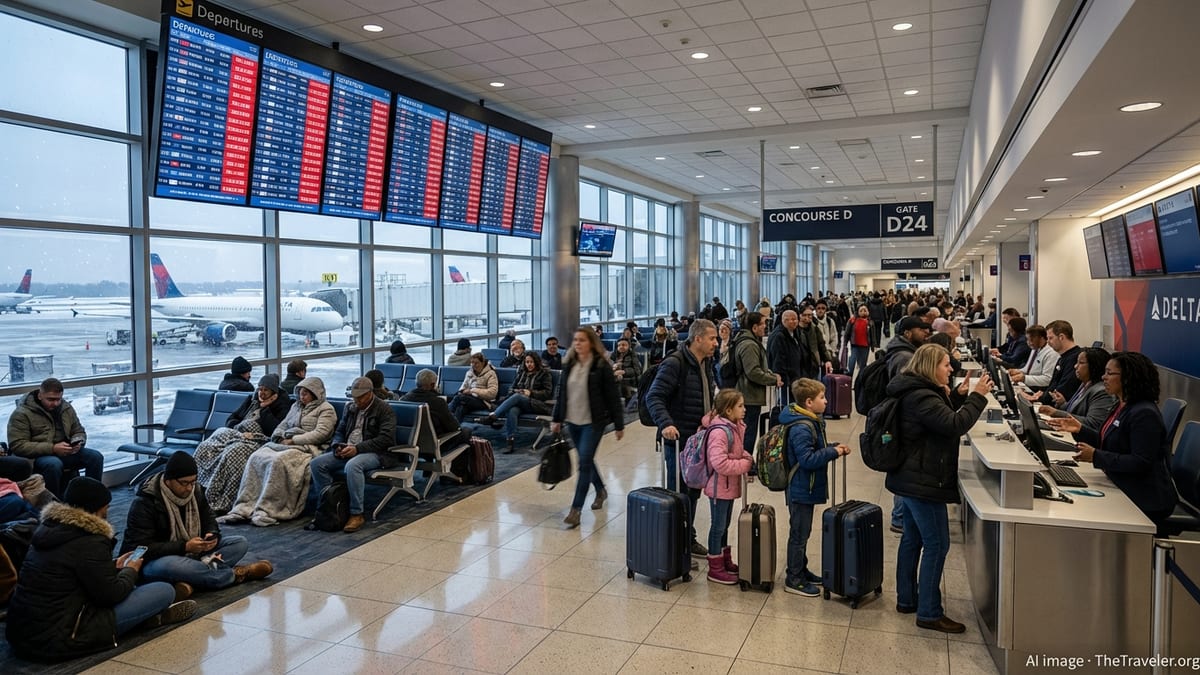
Extreme heat, fast‑moving thunderstorms and pockets of flooding combined to wreak havoc on July 4th holiday travel across the United States, disrupting flights, jamming highways and forcing last‑minute changes to plans for millions of travelers.
Get the latest news straight to your inbox!
Record Heat Bears Down on a Packed Travel Period
The July 4th week was already expected to be one of the busiest travel periods of the year, with forecasts from national motor and travel organizations indicating more than 70 million people on the move. Air and road volumes were projected to meet or exceed previous records as families took advantage of the long weekend and the nation’s 250th anniversary celebrations.
At the same time, a powerful heat dome settled over the central and eastern United States, sending temperatures into the upper 90s and triple digits from the Midwest to New England. Publicly available forecasts from the National Weather Service described “dangerous” and “record‑breaking” heat for multiple days, with heat index values climbing above 105 degrees in some major metro areas.
Major cities including New York, Boston, Washington and Philadelphia reported some of the hottest readings of the summer just as crowds converged on parades, concerts and waterfronts. In several locations, local coverage noted that city services opened cooling centers and urged residents to limit time outdoors during peak afternoon hours, even as travelers continued to stream in by air and car.
The heat did not only affect comfort. Elevated temperatures placed added strain on power systems and transportation infrastructure, raising the risk of localized outages and equipment failures at the very moment airports and highways were operating near capacity.
Thunderstorms Trigger Flight Cancellations and Long Delays
Along the edges of the heat dome, forecasters highlighted a corridor of unstable air primed for severe thunderstorms through the holiday period. By July 4 itself, those storms had erupted across parts of the Midwest and Mid‑Atlantic, sweeping over several major air hubs and repeatedly interrupting flight operations.
In the Chicago region, local news reports described powerful evening storms rolling across northern Illinois on Saturday, July 4, prompting a ground delay program at O’Hare International Airport. Hundreds of flights were canceled or delayed as lightning, torrential rain and strong winds moved through, leaving aircraft and crews out of position for much of the night.
Similar patterns appeared along the East Coast, where scattered but intense storms developed in the hot, humid air mass over and after the holiday. Airlines issued weather waivers for some routes to and from major cities to give passengers more flexibility to change plans without additional fees as the risk of disruptions mounted.
The storms arrived against a backdrop of growing concern over extended tarmac delays nationwide. Recent federal data highlighted in national coverage point to a sharp rise in the number of domestic flights held on the tarmac for more than three hours this year, a trend that has made any weather‑related slowdown more painful for travelers.
Road Trips Hampered by Heat, Flooding and Traffic
For the majority of Americans who chose to drive over the holiday, conditions were challenging rather than outright paralyzing, but the combination of heat and heavy traffic created a difficult environment on many major routes. Travel forecasts issued ahead of the weekend warned of peak congestion on the days immediately before and after July 4, particularly around large metropolitan areas and beach corridors.
Across the eastern half of the country, drivers contended with blazing sunshine and high humidity that pushed vehicle interiors to dangerous temperatures within minutes of stopping. Public advisories repeatedly reminded motorists not to leave children, older adults or pets in parked cars and encouraged frequent rest breaks as heat indexes soared along long interstate stretches.
Where thunderstorms flared, driving conditions could deteriorate rapidly. Local television and online outlets in several states reported short‑fuse downpours producing ponding on highways, reduced visibility and, in some communities, flash flooding that temporarily closed secondary roads. In riverfront and lakeside destinations, strong winds and rough water created additional hazards for boaters and ferry operators.
Despite those obstacles, early indications suggested that most long‑distance road trips were completed, but often with significant slowdowns. Many travelers reported relying heavily on navigation apps to steer around accidents, flooded sections and recurring traffic jams tied to weather and volume.
Holiday Events Altered as Safety Concerns Rise
The same extremes that complicated travel also forced changes to Independence Day celebrations that draw visitors from across the country. In the days leading up to the holiday, some communities in the Northeast and Mid‑Atlantic scaled back or rescheduled outdoor parades and festivals in response to prolonged heat advisories.
On July 4, a combination of record heat and the threat of late‑day storms reshaped plans in several major cities. Publicly available reports indicated that certain high‑profile events in Washington and Philadelphia adjusted schedules or operations, limiting the time large crowds would spend in the hottest part of the afternoon. Organizers emphasized hydration, shade and medical support, while local transit systems braced for surges as people crowded into trains and buses to escape the sun.
Firework displays in some areas proceeded under a close watch from meteorologists and emergency planners. In regions where storm chances increased after sunset, spectators were advised to prepare for sudden evacuations or delays, and in a few locations, coverage indicated that severe weather ultimately cut festivities short.
Elsewhere, particularly in parts of the West struggling with wildfire risk, officials weighed the fire danger associated with pyrotechnics. While large‑scale bans were limited, several communities urged travelers to attend professional shows rather than setting off fireworks in dry, windy conditions.
Climate Signal Looms Over a Chaotic Weekend
The convergence of record heat, severe storms and massive holiday crowds has sharpened attention on how a warming climate is altering the travel landscape. Scientific assessments released in recent years have linked more frequent and intense heat waves in North America to human‑driven climate change, and meteorologists have noted that the pattern driving this holiday’s heat dome fits within that broader trend.
Higher background temperatures can load the atmosphere with additional moisture, increasing the potential for the kind of torrential downpours that disrupted flights and road travel in multiple states over the weekend. At the same time, intense heat places stress on aircraft performance, airport workers, pavement and power grids, tightening the margins for safe and efficient operations during peak demand.
For travelers, the July 4 experience underscored a growing reality: holiday trips are increasingly vulnerable to rapid‑changing weather hazards, even during what was once considered the predictable heart of summer. Travel analysts say that, in response, more people are building extra flexibility into itineraries, from choosing early flights and off‑peak driving windows to purchasing trip insurance that covers weather‑related disruptions.
As cleanup from storms continues and forecasters track lingering heat and flood risks into the new week, transportation providers and destination cities are expected to review how their systems coped. The lessons drawn from this holiday’s wild weather could shape how airlines, highway agencies and event organizers prepare for the next round of peak‑season travel under a changing climate.