


More news on this day
Newly installed wind screens on a Dutch high-speed rail bridge are being introduced as a targeted measure to limit disruptions during periods of strong wind, reflecting a broader effort to make the country’s busiest rail corridor more resilient to extreme weather.
Get the latest news straight to your inbox!
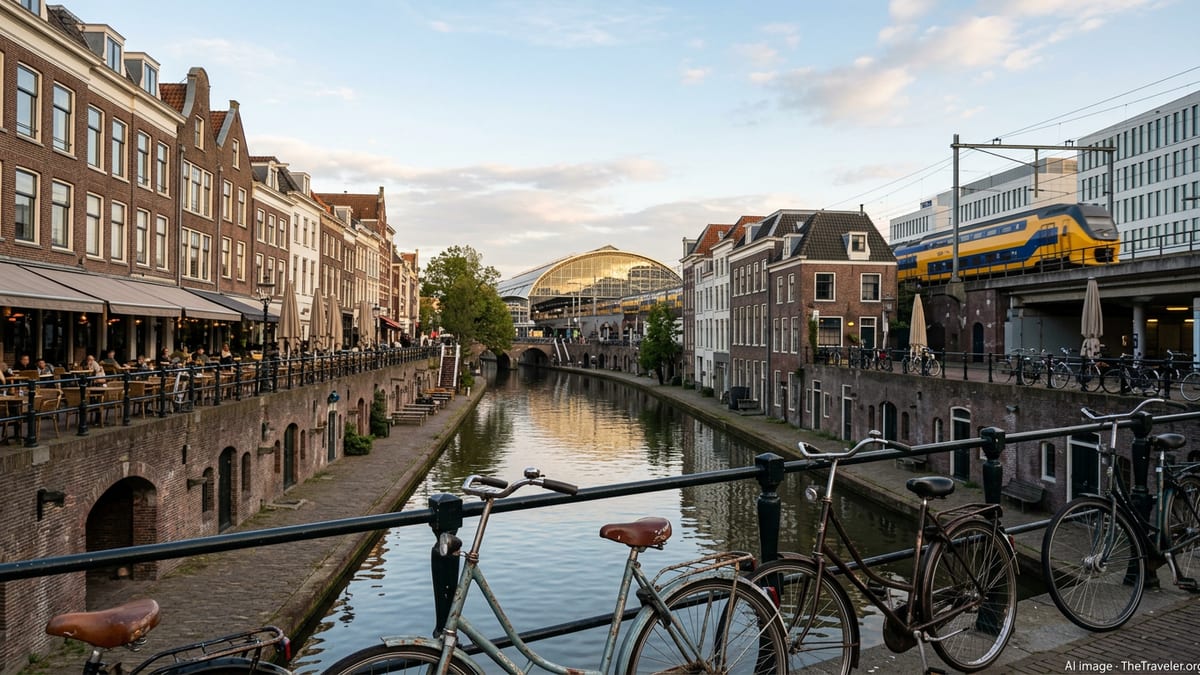
Targeted solution for a vulnerable high-speed link
The Dutch high-speed line linking the Randstad region with the Belgian border is one of the most exposed sections of the national rail network, crossing open polders and wide waterways where crosswinds can be intense. Publicly available information indicates that on at least one major bridge along this corridor, engineers have now opted for transparent wind screens to protect trains from lateral gusts that can affect comfort and operational reliability.
High-speed services are particularly sensitive to strong crosswinds because of their lighter car bodies and higher operating speeds compared with conventional trains. When gusts exceed predetermined thresholds, infrastructure managers apply speed restrictions or, in rare cases, suspend traffic on certain spans. The new screens are intended to reduce the number of occasions when such measures are necessary by limiting the wind loads that reach the passing trains.
Wind screens of this type act as partial barriers rather than solid walls. They are typically designed with a degree of porosity, allowing some air to pass through while diminishing the intensity and turbulence of the flow that reaches the bridge deck and train. By moderating these forces, the structures are expected to keep dynamic movements of both bridge and train within comfort and safety criteria under higher wind speeds than before.
The initiative fits into a wider program in which Dutch rail infrastructure planners are reassessing how exposed sections of the high-speed network perform under more frequent storms and rapidly changing weather patterns. Measures on other routes have included revising operational rules, improving monitoring of wind conditions and adjusting maintenance strategies on bridges and embankments.
Engineering the screens for speed, safety and transparency
Railway wind screens must satisfy a demanding combination of requirements, balancing aerodynamic performance with structural integrity, visibility and maintenance needs. For a high-speed bridge, the screens cannot simply deflect wind away from trains; they must also avoid transferring excessive forces into the bridge deck itself, which could create new dynamic challenges during storms.
Designers typically rely on wind-tunnel testing and computational simulations to determine the optimal height, spacing and perforation pattern of the panels. The goal is to smooth the wind profile across the bridge so that train bodies experience lower peak side forces and overturning moments, while keeping the aerodynamic behavior of the bridge within acceptable limits. The Dutch installation appears to follow this approach, using relatively slender, transparent elements that reduce the visual impact on the surrounding landscape.
In addition to aerodynamics, the materials and fixings must handle the repeated pressure cycles generated every time a high-speed train passes. That means accounting for both natural winds and train-induced airflows, which can cause rapid pressure fluctuations along the length of the screens. Experience from other European high-speed lines has shown that inadequate detailing can lead to fatigue damage or loosening of panels over time, prompting designers to pay particular attention to anchors, joints and inspection access.
For drivers and passengers, the screens are intended to be largely unobtrusive. The transparent design helps preserve sightlines across the waterway and avoids the tunnel-like sensation that fully solid barriers can create. Where required, the glazing or composite panels can also be treated to reduce glare and reflections, supporting safe signal sighting and comfortable travel at high speed.
Reducing weather-related disruptions on a busy corridor
The Dutch rail network is among the busiest in Europe, and disruptions on the high-speed line can quickly cascade into delays on connecting intercity and regional services. Strong winds have traditionally been one of several weather factors that trigger timetable adjustments, alongside heavy rain, snow and heat. Recent research and policy discussions in the Netherlands have highlighted the need to limit such disruption where possible without compromising safety.
On exposed bridges, crosswind limits are often conservative, reflecting past incidents internationally where trains experienced significant lateral motion or, in extreme cases, derailment risks. By installing wind screens on a particularly vulnerable bridge, Dutch planners aim to push the threshold at which restrictions become necessary, maintaining higher permitted speeds and reducing the number of storm days that require special measures.
Fewer weather-related slowdowns on the high-speed route can benefit both domestic and international passengers. International services toward Belgium and beyond share infrastructure with national high-speed operations, so a more resilient bridge helps safeguard cross-border timetables during North Sea storms that frequently sweep across the Low Countries.
Improved reliability also has a knock-on effect on rolling stock and crew planning. When storm-related restrictions are less frequent, operators can schedule equipment and staff with greater confidence, reducing the likelihood of last-minute train cancellations and the complex recovery operations that follow.
Part of a broader adaptation to extreme weather
The installation of wind screens on the high-speed bridge is one example of how European railways are adapting infrastructure to more volatile weather conditions. Across the continent, infrastructure managers are reinforcing embankments, upgrading drainage, and reviewing design standards for bridges and overhead power systems in response to more intense storms, heatwaves and heavy rainfall events.
In the Netherlands, where much of the railway runs over soft ground and low-lying terrain, climate adaptation strategies increasingly emphasize preventing disruptions before they occur. That includes interventions on structures like high-speed bridges, where relatively targeted investments in protective screens or monitoring systems can significantly reduce the risk of closures during adverse weather.
Technical studies on wind barriers for high-speed rail identify trade-offs that must be carefully managed. While barriers and screens can protect trains from crosswinds, they also alter the airflow around bridges, potentially affecting noise levels, maintenance requirements and even bird flight paths. Dutch planners have a long record of weighing such environmental and operational considerations, and the use of transparent, refined structures on the high-speed bridge reflects an effort to strike that balance.
As storms in the North Sea region are projected to remain a recurring challenge, measures like wind screens are likely to become more common on key transport links. For the Dutch high-speed line, the new bridge installations underline a shift toward infrastructure that is not only safe under current conditions but also better prepared for the stronger and more frequent wind events anticipated in the decades ahead.