


More news on this day
Thick patches of fog across Warwickshire and the wider West Midlands have triggered a yellow weather warning, with motorists urged to plan for slower journeys and possible disruption to road, rail and air travel this morning.
Get the latest news straight to your inbox!
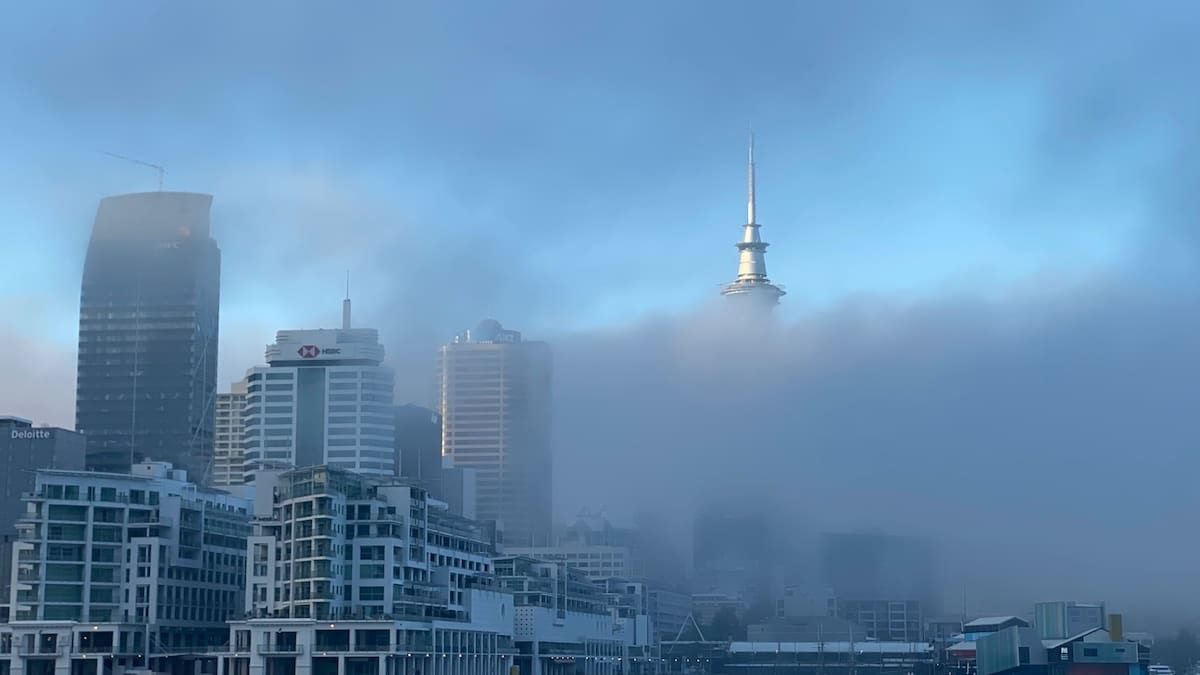
Yellow fog warning covers Warwickshire and West Midlands
The latest Met Office guidance highlights dense areas of fog reducing visibility to below 100 metres in parts of central England, including Warwickshire and neighbouring West Midlands authorities. The current yellow warning was issued in the early hours of Saturday 31 October and is scheduled to remain in force through the morning peak travel period, with conditions expected to gradually improve later in the day.
The warning sits within the UK National Severe Weather Warning Service framework, which categorises severe conditions by both likelihood and impact. A yellow alert indicates a high likelihood of some disruption, but with impacts generally assessed as moderate rather than extreme. For drivers, that still translates into a tangible risk of slower journeys, localised congestion and a higher chance of minor collisions in poor visibility.
In operational maps published alongside the alert, affected areas extend across a broad swathe of central England. For the West Midlands, the coverage includes Warwickshire as well as counties such as Shropshire and Staffordshire, with fog patches expected to be most disruptive during the early morning when temperatures are lowest and traffic volumes are building.
Forecast detail from the Met Office suggests that while some locations will see fog clearing by late morning, other pockets could retain poorer visibility into the early afternoon, particularly in more sheltered rural areas. This pattern means that travellers setting out later in the morning may still encounter variable driving conditions along a single route.
Travel disruption expected on key commuter routes
Publicly available travel guidance linked to the yellow warning notes that slower journey times are likely on both major and minor roads, as drivers reduce speed in response to restricted sight lines. National sources highlight the risk of delays on some bus and train services, and indicate that early morning flights at regional airports may also face delays or schedule changes where visibility falls below operational thresholds.
Within Warwickshire and the West Midlands, the greatest impact is expected on busy commuter corridors feeding into Birmingham, Coventry and surrounding towns. Motorways such as the M40, M42 and M6, along with the A46 and other arterial roads, are all susceptible to speed reductions and heavier congestion as drivers encounter uneven visibility, especially near river valleys and low-lying stretches where fog tends to linger.
Rail passengers are being advised through national journey planners and operator updates to check services before setting out. While modern signalling systems are designed to function in fog, slower approaches to stations and knock-on timetable effects remain possible when driving conditions on access roads delay staff and passengers.
For air travellers, the Met Office’s broader warning area includes routes served by Birmingham Airport, which can experience temporary disruption when dense fog coincides with peak departure and arrival times. Aviation guidance indicates that low-visibility procedures can lead to increased spacing between aircraft movements, which may in turn generate short-notice delays or the need for diversions in more persistent conditions.
How the Met Office yellow system works
The yellow alert now in effect over Warwickshire forms part of a three-colour warning scale used across the UK. According to Met Office documentation on the National Severe Weather Warning Service, each warning is assessed on both the likelihood of the event and the potential impact, then placed into a risk matrix and assigned a colour of yellow, amber or red.
Fog is one of several weather types that can trigger formal warnings, alongside rain, wind, snow, ice, extreme heat, lightning and thunderstorms. A yellow warning for fog typically signals that dense patches are expected to affect travel, with impacts such as slower traffic, local accidents, and possible delays to public transport all considered credible outcomes for the period covered.
Guidance aimed at local resilience planners highlights the importance of reading the detail behind each warning rather than relying solely on the colour. Even within the yellow category, the Met Office specifies a range of potential outcomes from minor inconvenience to more widespread disruption, depending on timing, location and the overlap with peak travel or school-run periods.
Local authorities and transport operators across the West Midlands make use of this framework to plan gritting operations, adjust traffic management responses and prepare communications advising residents and businesses of potential disruption. The current fog warning continues that pattern, aligning regional messaging with the national thresholds set out by the Met Office.
Driving and travel advice for affected motorists
Travel information services responding to the latest warning emphasise the value of simple adjustments for those who still need to drive. Recommended measures include allowing extra time for journeys, reducing speed in line with visibility, leaving greater stopping distances, and avoiding sudden braking or sharp manoeuvres that can catch following drivers unawares in poor conditions.
National road safety guidance also stresses the correct use of fog lights. Drivers are advised to ensure that front and rear fog lamps are in working order before setting off, and to use them when visibility drops below 100 metres, while switching them off once conditions improve to avoid dazzling other road users. Keeping windscreens, mirrors and lights clean can further improve contrast and visibility when headlight beams are scattered by water droplets in the air.
For those able to be flexible, journey planners recommend considering later departure times where possible, especially on routes known for persistent fog, or temporarily switching to rail if suitable services are operating normally. Commuters are encouraged to monitor updates from rail operators, roadside information signs and regional media to track any emerging disruption.
Travelers with early flights from airports serving the West Midlands are being advised, through general aviation guidance, to check the status of their departure before leaving home and to allow additional time for potentially slower transfers by road. Although many services are expected to operate, rapidly changing visibility can lead to short-notice schedule alterations while low-visibility procedures are in place.
What visitors and residents in Warwickshire should expect next
Short-range forecasts for Warwick and surrounding parts of Warwickshire indicate a transition from dense fog and mist in the early morning to brighter conditions later, with temperatures lifting into the low teens Celsius once the fog clears. For those visiting local attractions or travelling onward to other UK regions, the main weather-related disruption is expected to be front-loaded into the first half of the day.
However, recent patterns across central England suggest that further episodes of overnight and early-morning fog remain possible as the broader weather regime turns calmer following a more unsettled spell. Travellers planning multi-day itineraries through the Midlands are therefore being encouraged by public forecasts to review daily updates, particularly where early departures or cross-country drives are involved.
In Warwickshire’s rural areas, including routes near the River Avon and low-lying farmland, fog can reform quickly in the evening if skies clear and winds stay light. This means that those returning from day trips or evening events may encounter renewed patches of poor visibility, even after a largely clear and sunny afternoon.
With Halloween and early winter events drawing visitors into historic towns such as Warwick, Stratford-upon-Avon and nearby market centres, the yellow fog warning serves as a reminder to build flexibility into travel plans. Allowing more time between connections, keeping fuel tanks topped up, and having alternative routes in mind can help mitigate the impact of any lingering or returning fog across Warwickshire and the wider West Midlands region.