


More news on this day
India’s Wular Lake, long described as a vanishing giant, is entering 2026 with renewed ecological vitality and a growing profile as one of the country’s most promising eco-tourism frontiers.
Get the latest news straight to your inbox!
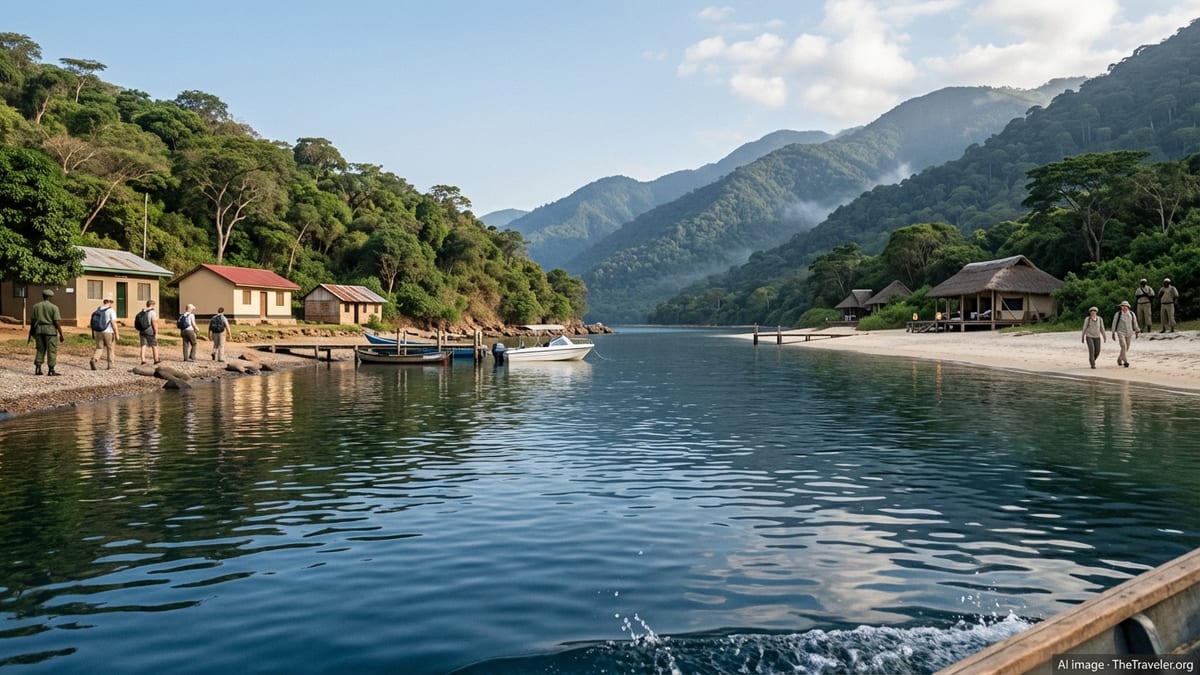
A Restored Giant Reclaims Its Place on the Map
Once choked by silt, invasive willows and untreated waste, Wular Lake in north Kashmir had become a symbol of environmental decline. Recent years have seen a marked turnaround, with large scale dredging, shoreline rehabilitation and catchment treatment helping the lake recover water spread and storage capacity. Publicly available information shows that thousands of cubic metres of silt have been removed and extensive willow plantations cleared from the lake bed, reversing decades of encroachment and sedimentation.
Reports indicate that these interventions are beginning to show visible ecological results. Satellite imagery and local monitoring cited in recent coverage point to a wider water surface, cleaner channels and more stable water levels through the year. For a wetland that serves both as a flood cushion for the Jhelum River and as a key inland fishery, the improvement is being described as a critical step in restoring hydrological balance in the Kashmir Valley.
Symbolic changes are also attracting attention. In 2025, lotus blooms were recorded on sections of Wular for the first time in more than three decades, highlighted in regional and international environmental reporting as a marker of recovering water quality and habitat conditions. The resurgence of native vegetation is being interpreted by conservation groups as a sign that long term investments in restoration are beginning to pay off.
For planners in Jammu and Kashmir, the revived lake is increasingly seen not only as an ecological asset but as a cornerstone for a broader green development strategy anchored in low impact tourism and community participation.
New Infrastructure Targets Eco-Tourism, Not Mass Tourism
Government statements and tender documents over the past year outline a shift from ad hoc tourism use toward a planned eco-tourism model around Wular. One of the centrepieces is an approximately Rs 18.7 crore programme combining dredging with the development of a lakeside walkway, jetties and controlled access points designed to manage visitor flows while protecting sensitive marshes and reed beds. Project descriptions emphasize cycling tracks, pedestrian corridors and regulated boating rather than high density construction.
Recent policy briefings for the 2026 fiscal year, reported by Indian environment and development outlets, position Wular among a cluster of priority wetlands slated for nature based tourism. The proposals reference boardwalks, birdwatching hides and interpretation centres that can concentrate visitor activity in designated zones while leaving core waterbird habitats undisturbed. Planning documents for Wular repeatedly cite the need to avoid repeating the overbuilt model seen at other Himalayan lakes and to maintain the site’s character as a working wetland.
Alongside physical infrastructure, authorities and local organizations have been piloting soft tourism initiatives. In late 2025, a half marathon routed along the lake’s banks was framed by event organisers as both a conservation campaign and a way to showcase Wular’s landscape to visitors from across India. Training courses on bird identification and wetland ecology, reported by local newspapers, have been hosted for guides, students and community volunteers, laying the groundwork for specialised nature tours.
For 2026, tourism and forest planning documents suggest an expansion of these efforts, with proposals for curated boat circuits, kayaking corridors in non breeding zones, and seasonal birding festivals tied to peak migration months. The overarching objective, as articulated in multiple public documents, is to build a visitor economy that reinforces rather than undermines restoration gains.
Wildlife Comeback Strengthens the Eco-Tourism Narrative
Ecological monitoring around Wular is providing a strong foundation for its emerging eco-tourism brand. Surveys reported in conservation media show a sharp rise in wintering and migratory waterbirds using the lake and its adjoining marshes, with some counts in 2025 described as several times higher than previous years. Species of ducks, geese and shorebirds that had grown scarce are now being observed in larger flocks, supported by recovering reed beds and more reliable water depths.
Fisheries data cited in recent government briefings note that the revival of open water and wetland habitat has helped stabilise fish populations, boosting catches for traditional fishing communities. The same shallow bays and channels that are productive for fish are also drawing piscivorous birds, offering visitors opportunities to see complex wetland food webs in action.
Environmental publications and Ramsar related outreach materials now frequently present Wular as a case study of how large inland lakes can be nursed back from the brink. These accounts emphasize that birdwatching, responsible boating and guided nature walks are not add ons but central tools for sustaining public interest in long term conservation. For many observers, the sight of lotus flowers and large bird flocks returning to Wular has become a visual shorthand for the lake’s broader recovery.
This wildlife resurgence is expected to shape the design of new tourism products in 2026. Proposed visitor circuits focus on dawn and dusk observation points, quiet paddling routes and winter photography trips, steering traffic toward low disturbance experiences that depend on healthy wildlife populations and, in turn, create incentives to keep habitat intact.
Communities at the Centre of the Lake’s New Economy
The transformation of Wular is closely tied to the fortunes of nearby villages, many of which rely on the lake for fishing, reed cutting, water chestnut harvesting and small scale agriculture. Publicly available figures referenced in 2026 development announcements suggest that several thousand families derive at least part of their income from the water body. As restoration activities intensify, there is increasing attention on ensuring that eco-tourism complements rather than displaces these livelihoods.
Recent reporting on Jammu and Kashmir’s environmental programmes notes that training schemes, cooperative marketing initiatives and craft promotion are being aligned with the lake’s tourism potential. Local women’s groups and youth collectives have been associated with plans for homestays, handicraft outlets and food services aimed at visitors, though most of these ventures remain at an early stage. The focus is on incremental, community owned growth rather than large external resorts.
Policy discussions carried in regional media stress that any expansion of boating, adventure activities or hospitality infrastructure around Wular will need to respect fishing zones and traditional access routes. Proposals for zoning the lake into conservation, livelihood and tourism areas have been referenced in technical management plans, with the aim of reducing conflicts and providing clarity for long term investment.
As more tourists are drawn to Wular’s restored waters in 2026, observers expect livelihood diversification to accelerate. For many households, guiding birdwatchers, renting non motorised boats or running small eateries could provide supplementary income during off peak fishing months, making communities partners in safeguarding the lake’s health.
Balancing Growth, Climate Pressures and Long-Term Protection
Despite the upbeat narrative around Wular’s revival, recent analytical pieces from environmental news outlets caution that the lake remains vulnerable to climate variability, upstream land use change and unregulated construction. Periods of low snowfall and altered river flows can still reduce inflows, while erosion in the catchment continues to supply silt that must be managed through ongoing dredging and afforestation.
Technical plans prepared for the lake emphasise the need for stable funding to maintain desilted channels, protect embankments and restore degraded tributaries feeding into Wular. Without this, experts warn that gains in water spread and ecological quality could be temporary. Wetland scientists cited in policy documents argue that eco-tourism revenues, if transparently channelled into conservation funds, can help provide the financial backbone for such long term work.
There is also an emerging debate, reflected in commentary from civil society and local media, over the appropriate scale of tourism infrastructure. While walkways, viewing towers and modest visitor centres are widely supported, concerns persist about the risk of overbuilding roads, parking areas or commercial complexes along the shoreline. Calls for strict adherence to environmental clearances and carrying capacity assessments are becoming more frequent as large projects are proposed.
As 2026 unfolds, Wular Lake stands at a pivotal moment. Years of restoration have given India’s largest freshwater lake a second chance and opened a pathway to a carefully managed eco-tourism economy. The choices made now on zoning, community involvement and visitor management will determine whether Wular’s renewed appeal becomes a model of sustainable lake tourism or faces the familiar pressures that have strained many of South Asia’s iconic water bodies.