


For thousands of families, Wyndham Vacation Resorts Shawnee Village in Pennsylvania’s Pocono Mountains has been the backdrop for ski trips, summer hikes, and multi‑generation reunions. With Club Wyndham now reshaping its resort portfolio and Shawnee Village included in a planned closure and sale process, many long‑time owners are understandably anxious. What happens to a deeded week when a resort closes? Should you accept Club Wyndham Access points, wait for potential sale proceeds, or try to walk away? And how do you protect yourself from high‑pressure presentations and expensive third‑party exit schemes during a time of uncertainty?
Get the latest updates straight to your inbox!
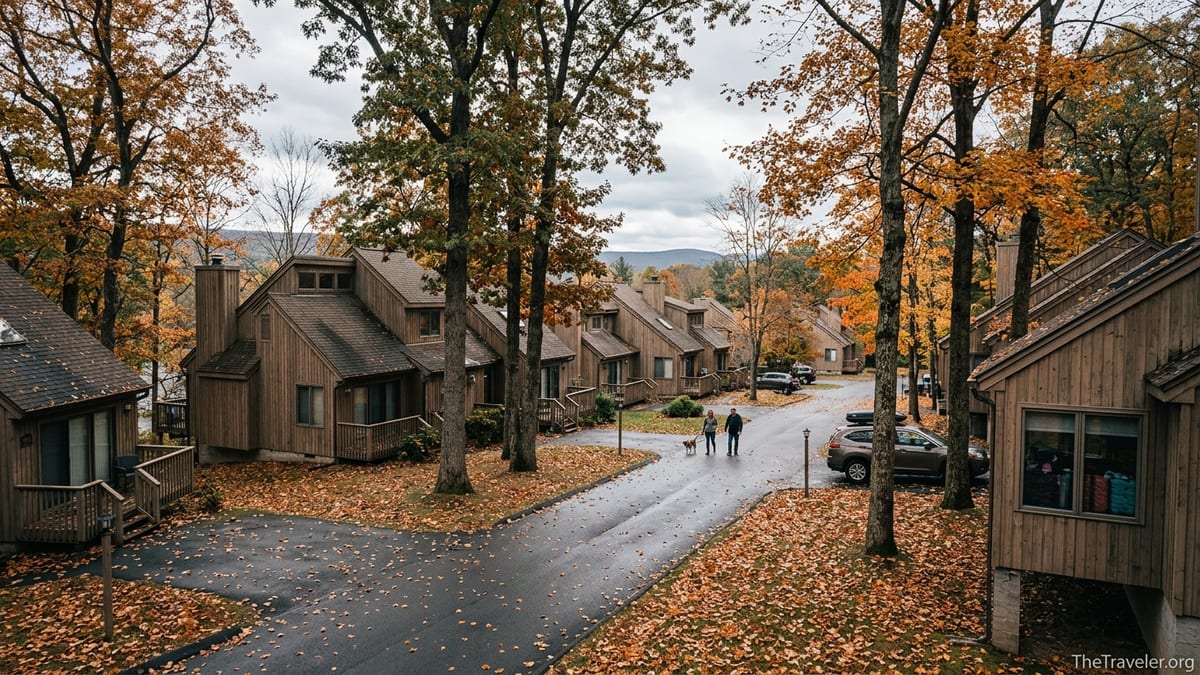
Understanding What “Closure” Really Means at Shawnee Village
When owners hear that Club Wyndham Shawnee Village is closing, many assume the resort simply stops operations and all obligations disappear. In reality, closure usually means the underlying real estate is being prepared for sale or redevelopment, and the timeshare association, developer, and Club Wyndham are working through a complex legal and financial unwinding. In Shawnee’s case, Club Wyndham has publicly identified the resort as part of a broader “portfolio refresh,” with deeded owners being offered either a swap into Club Wyndham Access points or the right to receive a share of net sale proceeds after the property changes hands.
For a typical fixed‑week owner at Shawnee Village who holds a 1/52 fractional interest in a two‑bedroom unit, closure does not instantly erase ownership. Until the deed is formally transferred or the resort is legally terminated and the property sold, the owner is still on title and, in principle, responsible for assessments. Owners should therefore treat closure as a transition period rather than an exit. You may see a winding down of reservations at certain buildings and fewer on‑site staff, but behind the scenes the homeowners’ association, its attorneys, and any court‑supervised sale process are determining how your interest will ultimately be handled.
It is also important to distinguish Shawnee Village from the neighboring Shawnee Inn & Golf Resort, which has emphasized in its own statements that it is a separate, still‑operating hotel and golf property. This can confuse owners who see “Shawnee” in both names and assume the inn’s continued operation means their timeshare will function as usual. In practice, your rights stem from the recorded timeshare declaration and your deeded interest at Shawnee Village, not the status of nearby hospitality businesses.
Because each closure can follow a slightly different path, two owners at Shawnee Village can have very different experiences. One fixed‑week owner may be offered several thousand dollars in cash to surrender their deed as part of an early buy‑out, while another might be routed into a legal distribution of net sale proceeds months or years later. Understanding your specific ownership type and where it fits in the closure plan is the essential first step.
Ownership Types, Deeds, and What To Verify First
Before making any decisions about swaps, exits, or sales, Shawnee Village owners need to confirm exactly what they own. Over the decades, Shawnee has seen deeded fixed weeks, floating weeks, and later conversions into Club Wyndham points. Some long‑time owners purchased in the 1970s and 1980s from Shawnee Development Inc., while others acquired interests after Wyndham took over sales and began pushing points‑based products. On top of that, some families inherited weeks or took over contracts from friends without fully updating the underlying deed.
Your first verification task is to obtain and review your recorded deed. In most cases, this is filed with the Monroe County Recorder of Deeds in Pennsylvania and will specify the unit, week, and type of interest you hold. If you cannot find your copy at home, you can request a certified copy from the county or ask the homeowners’ association or Wyndham Owner Services what information they have on file. Look carefully at whose names appear on the deed. If an ex‑spouse or deceased relative is still listed, that may complicate any eventual swap, buy‑out, or exit, and you may need legal help to clear title before the resort can take back the interest.
Next, confirm your account status. Many Shawnee Village owners have their maintenance fees billed annually, often in the first quarter of the year. Even as closure approaches, invoices can still be generated for upcoming years. Make sure you know whether the latest assessment has been paid and whether there are any unpaid special assessments or collection activity on your account. An owner who is fully paid and in good standing is typically in a stronger position to participate in a structured swap or deedback than someone already in default.
Finally, check whether your ownership has been converted into Club Wyndham points or remains a traditional week. Some owners at Shawnee report being pressured in recent years to trade a fixed week for a points‑based package costing tens of thousands of dollars, sometimes presented as a “required update.” If you signed such a conversion, your rights during closure could look very different from those of a legacy deeded‑week owner. Ask for a clear written explanation from Wyndham or your association showing whether you hold a deeded week tied to Shawnee specifically, or a broader Club Wyndham vacation ownership interest detached from a single resort.
Wyndham Presentations, Swap Offers, and Red Flags To Watch
As Shawnee Village moves through closure and sale, many owners are being invited to “owner update” meetings or phone consultations. In practice, these often resemble traditional timeshare sales presentations, with representatives emphasizing urgent deadlines, limited‑time offers, or the risk of losing vacation opportunities if you do not act quickly. Owners have reported being offered swaps from their Shawnee deed into Club Wyndham Access points, sometimes with added financing at interest rates hovering around the high teens, framed as the only way to “protect” their ownership.
Before considering any swap, ask the representative to clearly separate three distinct topics: what will happen if you do nothing, what you are being asked to buy, and whether the proposal addresses your existing deed. For example, a Shawnee owner might be told that purchasing an additional 200,000 Club Wyndham points for several thousand dollars will give them flexible access to resorts nationwide. That may be true, but if the transaction does not also include a documented surrender or transfer of the original Shawnee deed, you could end up paying for a new obligation while still being responsible for the old one.
Time pressure is another common red flag. If a salesperson claims the offer expires “today” or that you must sign on the spot to avoid losing closure‑related benefits, pause and insist on written materials you can review later. Closure plans at large resorts like Shawnee Village unfold over many months, often with multiple rounds of communication from the association. Genuine structural options, such as participating in a sale‑proceeds distribution or an association‑managed deedback, are typically not tied to a single 90‑minute meeting in a sales office.
When in doubt, treat any presentation the way you would treat a major home‑equity decision. Do not rely solely on verbal explanations. Take notes on the offer: how much you are expected to pay, whether the new product is financed, what happens to your current deed, and whether your maintenance fees will rise or fall. Once home, compare those notes against your deed and your latest maintenance invoice, and consider seeking an independent opinion from a consumer‑focused timeshare attorney or a nonprofit housing counselor familiar with resort closures in Pennsylvania.
Exit Options, Maintenance Fees, and Common Owner Mistakes
Many Shawnee Village owners understandably see closure as an opportunity to finally exit a timeshare they no longer use. The reality is more nuanced. In some past resort wind‑downs, deeded owners have been offered cash settlements in the low‑ to mid‑four figures to sign their ownership back before a sale. In other cases, owners who declined a swap into points have been told they will instead receive a share of net sale proceeds at some later date, while their maintenance fees continue until the sale is completed. The exact path at Shawnee will depend on the homeowners’ association’s agreements and any court‑approved sale documents.
One of the biggest mistakes owners make is assuming that because the resort is “closing,” they can immediately stop paying maintenance fees without consequence. While some owners who default late in a closure process may experience little practical impact beyond damaged credit, others can face collection efforts, negative trade‑line reporting, and the loss of any chance to participate in future proceeds. If you are considering simply walking away from Shawnee, weigh the short‑term cash savings against the potential long‑term costs, especially if your account is otherwise in good standing and a formal exit path is on the table.
At the same time, owners should be cautious about paying large up‑front fees to third‑party exit companies promising to “force” Wyndham or the association to release them. Both federal and state regulators have brought actions against aggressive timeshare exit operators that charged thousands of dollars, instructed clients to stop paying, and then delivered little more than form letters. In a closure context like Shawnee Village, where the resort is already moving toward termination and sale, an owner is often better served by working directly with the association, a verified in‑house exit program if available, or a licensed local attorney who can interpret Pennsylvania timeshare law.
Resale is another area where expectations often clash with reality. Because Shawnee Village is in a closure process, its resale value on the open market is typically minimal. If past resort terminations are any guide, a realistic best‑case scenario might involve recovering a modest share of net sale proceeds through the association rather than selling the interest yourself. Online marketplaces frequently show similar Pocono timeshares offered for a few dollars or even free, with the seller covering closing costs just to transfer the maintenance obligation. That context should inform any decision about spending money on listing fees or broker commissions.
Legal Protections, Pennsylvania Rules, and When to Seek Help
Timeshare interests at Shawnee Village sit at the intersection of real estate and consumer law. In Pennsylvania, timeshare developments are governed by provisions of the state’s real and personal property code, as well as regulations enforced by the Pennsylvania Real Estate Commission. These rules cover, among other things, how timeshare plans must be created, what information must be disclosed to buyers, and how associations function once a project is up and running. They also intersect with broader consumer‑protection statutes that prohibit deceptive sales practices.
For owners, the most immediate protections are often in the project’s declaration and bylaws, which outline how a resort like Shawnee can be terminated, how sale proceeds must be distributed, and what role the owners’ association plays. For example, a declaration may specify that after termination and sale of the property, former unit owners are entitled to a pro‑rata share of net proceeds based on their fractional interest. It may also describe who can vote on termination and what percentage of owners must agree. Reviewing these documents with a qualified attorney can help you understand whether the options being presented by Wyndham or the association align with your contractual rights.
Owners should also be aware that regulators have scrutinized timeshare sales conduct in the Poconos in the past. The Pennsylvania Real Estate Commission has previously disciplined sales operations at Shawnee‑area timeshare projects, including issuing fines related to sales practices. While each case is fact‑specific, this history underscores why owners should feel justified in asking tough questions about high‑pressure tactics, unclear financing terms, or representations that seem too good to be true.
Seeking legal help becomes especially important if you are facing unusual circumstances: a deceased co‑owner whose estate was never probated, a divorce decree that allocated the timeshare but did not address the deed, or a dispute over whether you ever properly received closing‑related notices. A Pennsylvania‑licensed real estate or consumer‑protection attorney can often review your deed, correspondence, and the project documents in a single consultation and give you a realistic picture of your options, including whether it might make sense to negotiate individually with the association or simply wait for a structured termination process to play out.
Practical Steps Every Shawnee Village Owner Should Take Now
In the midst of rumors, evolving closure timelines, and sometimes inconsistent messages from call‑center staff, Shawnee Village owners are best served by focusing on a few concrete verification steps. Start by building a complete file. Gather your deed, purchase contract, latest maintenance fee invoice, and any letters or emails from the homeowners’ association or Club Wyndham about the resort’s future. If you have attended any recent presentations, jot down what you were told, including dollar amounts, interest rates, and whether the offer involved receiving cash, points, or both.
Next, contact the association or designated closing administrator in writing. Ask them to confirm, in plain language, your current ownership status, whether you are expected to pay future maintenance fees during the closure period, and what exit or swap options are available specifically to your ownership type. Written responses, even if brief, are far more useful than shifting answers from different call‑center representatives, and they can help you verify that what you were told during a presentation matches what the governing documents actually provide.
If you receive an offer to convert your Shawnee deed into Club Wyndham points or another product, resist the urge to respond immediately. Instead, calculate the true cost over the full term of any proposed financing and compare it to your current annual maintenance obligation. For example, if you are currently paying an annual fee that has crept into the low four figures, and you are offered a new package that would require several hundred dollars per month for a decade at double‑digit interest, that is effectively a new mortgage‑sized commitment tied to vacation use. For many owners approaching retirement, the better financial move is often to focus on safely exiting the existing obligation rather than layering a new one on top.
Finally, keep an eye on official communications as the closure and sale process at Shawnee advances. Associations typically send updates when a buyer is identified, when courts approve sale terms if required, and when it is time to calculate and distribute any net proceeds to former owners. These letters may include deadlines for submitting updated contact information, tax forms, or election forms indicating whether you prefer a swap option or a cash distribution. Missing such a deadline because you moved or ignored an envelope can mean delays or even forfeiting certain choices.
The Takeaway
The wind‑down of Wyndham Vacation Resorts Shawnee Village marks the end of an era for one of Pennsylvania’s earliest and best‑known timeshare communities. For owners, it also marks a crucial decision point. Closure does not automatically cancel your deed, erase maintenance fees, or guarantee a generous cash payout. Instead, it sets in motion a series of legal and financial steps that you need to follow closely if you want to protect your interests.
By verifying your deed, understanding whether you hold a fixed week or points, keeping your account in good standing where practical, and approaching any swap or exit offer with a clear head and independent advice, you can navigate this transition far more confidently. While some owners may welcome the chance to convert into a broader Club Wyndham product and keep vacationing within the system, others will see closure as an opportunity to finally move on. In either case, information and patience are your best tools.
Above all, resist high‑pressure sales tactics and costly third‑party promises. Instead, rely on the homeowners’ association’s official communications, reputable local professionals, and your own careful record‑keeping. Shawnee Village may be changing, but with deliberate, informed steps, you can ensure that your timeshare story ends on your terms.
FAQ
Q1. What happens to my Shawnee Village timeshare deed when the resort closes?
Your deed does not vanish automatically at closure. Until the resort is legally terminated and the property sold or your interest is formally transferred back, you remain the titled owner. That means you may still be responsible for assessments. Later in the process, the homeowners’ association may either arrange a deedback, offer a swap into another product, or distribute net sale proceeds to owners according to the governing documents.
Q2. Should I accept Club Wyndham points in exchange for my Shawnee Village deed?
Accepting points can make sense for owners who actively use the system and want long‑term flexibility, but it is not an automatic win. Carefully review the cost of the new package, any financing terms, and what happens to your existing deed. If the proposal requires you to take on new debt or significantly higher ongoing fees without clearly and permanently cancelling the Shawnee obligation, it may not be in your best interest.
Q3. Do I still have to pay maintenance fees if Shawnee Village is in a closure process?
In most cases, yes, at least until your ownership is legally terminated or transferred. Closure usually refers to winding down guest operations, not to the immediate end of owners’ financial obligations. Stopping payment on your own can lead to collections, credit damage, and potential loss of eligibility for any later sale‑proceeds distribution. If you are struggling, contact the association to ask whether hardship options or structured exits are available.
Q4. Will I receive a cash payout when Shawnee Village is sold?
Some owners may receive a share of net sale proceeds once the property is sold and all costs are paid, but the amount is typically modest and not guaranteed. The size of any payout depends on the sale price, transaction expenses, outstanding obligations, and how many owners remain in the pool. You should view any potential proceeds as a possible bonus, not as a retirement‑level windfall.
Q5. Can I sell my Shawnee Village timeshare on the resale market during closure?
Resale is technically possible, but demand is extremely limited for a resort going through closure. Many similar Pocono weeks are advertised for nominal amounts or even free, with sellers offering to cover closing costs just to escape maintenance fees. Before spending money on listing services or brokers, compare the likely resale value to the options being offered by the association as part of the closure process.
Q6. How do I know if a timeshare exit company is legitimate?
Be wary of any exit firm that demands thousands of dollars upfront, guarantees results, or instructs you to immediately stop paying without explaining the risks. Check whether the company has been mentioned in regulatory actions or consumer complaints, and consider consulting a Pennsylvania‑licensed attorney or a nonprofit counseling agency before signing any contracts. In many closure scenarios, working directly with the association or an in‑house exit program is safer than using a high‑fee third party.
Q7. What if my co‑owner has died or we divorced and never updated the deed?
Complicated title situations are common at older resorts like Shawnee Village. If a co‑owner has passed away or a divorce decree assigned the timeshare but the deed was never changed, you may need legal assistance to clear or update title before the association can process a deedback or distribute sale proceeds. Bringing a certified copy of the deed, the death certificate, or the divorce judgment to a real estate attorney can help you understand the steps required.
Q8. How can I verify that communications about closure are legitimate?
Official closure updates usually come directly from the homeowners’ association, the resort’s designated administrator, or Club Wyndham owner relations, and they will include your full name, unit details, and account number. If you receive a call or email that feels suspicious, avoid sharing personal or financial information. Instead, use a known phone number on your maintenance statement to contact the association or Club Wyndham and ask them to confirm whether the communication is genuine.
Q9. Will closure affect my ability to book vacations at other Wyndham resorts?
If you hold a broader Club Wyndham points contract, closure of Shawnee Village may have little or no effect on your ability to book at other properties, aside from any specific rules changes related to the resort portfolio. If your only interest is a deeded Shawnee week that was never converted into points, your right to reserve at other Club Wyndham locations is typically limited, and closure primarily affects how and when you exit that specific ownership rather than your access elsewhere.
Q10. When should I consider hiring a lawyer about my Shawnee Village ownership?
It can be worth hiring a lawyer if you face unusual complications, such as disputed ownership, inheritance questions, prior foreclosure attempts, or conflicting messages about your rights during closure. An attorney can review your deed, association documents, and correspondence, then explain whether you should negotiate directly with the association, accept a structured offer, or simply wait for the formal termination process. For many owners with straightforward, fully paid deeds, a single consultation may be enough to give clear direction.