


More news on this day
A blanket of dense fog settled across Dorset on Sunday morning as a Met Office yellow warning took effect, cutting visibility on key routes and slowing travel for drivers and public transport users across the county.
Get the latest news straight to your inbox!
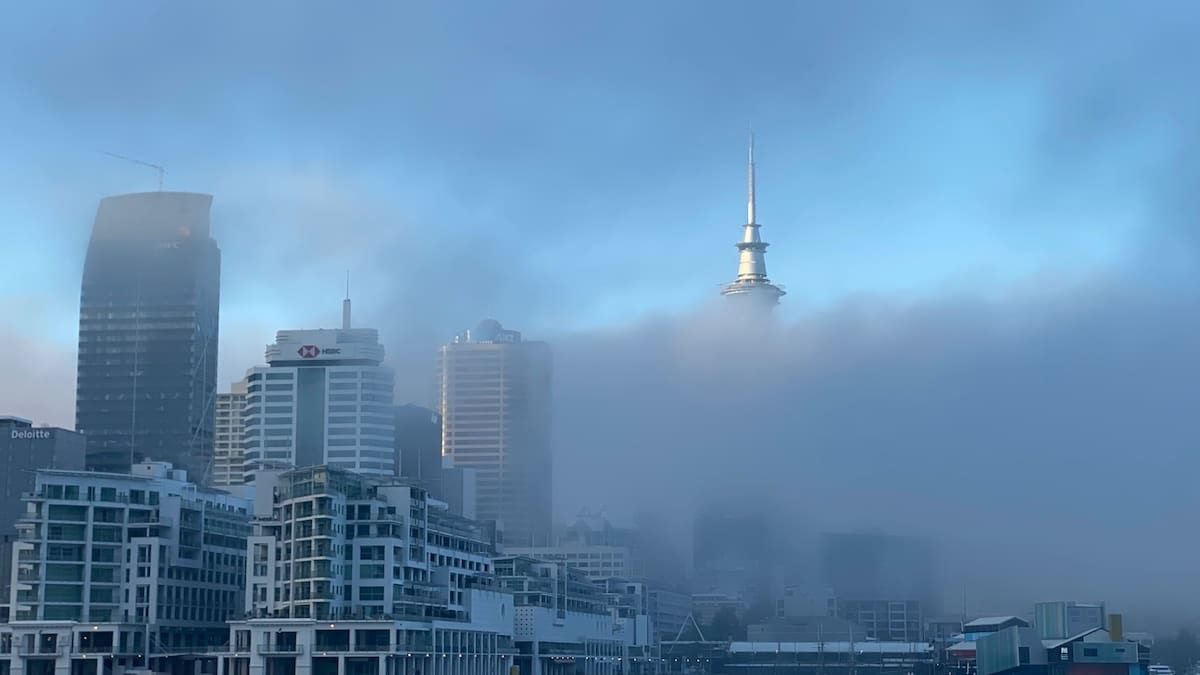
Warning covers Dorset amid wider England and Wales alert
The latest Met Office guidance places Dorset within a yellow fog warning running from 00:00 to 10:00 on Sunday 1 November 2026, as part of a broader alert spanning much of England and parts of Wales. Publicly available information indicates that Dorset sits within the South West England area covered by the warning, alongside counties such as Devon, Somerset and Gloucestershire.
The national warning describes fog, dense in places, persisting into the morning before slowly lifting, with visibility in the worst-affected areas dropping below 100 metres. The Met Office classifies this as a yellow alert with a high likelihood and moderate impact, meaning low-level disruption is considered likely in some locations but widespread severe impacts are not expected.
Coverage from broadcasters including ITV News and BBC Weather highlights that the same fog system is affecting regions from the South West through the Midlands to Yorkshire and eastern Wales, indicating a broad swathe of reduced visibility across central and southern Britain. Dorset’s inclusion in this wider pattern places it among the areas where drivers and passengers are being urged to prepare for slower journeys and sudden changes in conditions.
A yellow warning is the lowest of the Met Office’s three alert levels but still signals the potential for disruption, particularly to travel. Met Office documentation on its National Severe Weather Warning Service notes that many yellow alerts are issued when low-level impacts such as localised travel delays are considered likely, and when some people may need to adjust their plans to stay safe and mobile.
Road traffic slows as visibility drops below 100 metres
Reports from local media in Dorset on Sunday morning describe patches of thick fog across routes including the A31 near Wimborne Minster and approaches to Weymouth, with congestion easing only gradually as visibility improves. Travel summaries published by Dorset Council show earlier delays around key junctions, although some congestion had begun to clear by mid-morning as drivers adjusted speeds and traffic flows normalised.
The Met Office warning highlights that visibility may vary significantly over short distances, with some dense patches reducing the view ahead to less than 100 metres. Such conditions typically lead to slower driving speeds, longer braking distances and increased journey times, particularly on rural stretches where street lighting is limited and on dual carriageways where traffic is moving at higher speeds.
Publicly available travel guidance associated with the fog alert advises motorists to leave extra time, check road conditions before departure and ensure fog lights are working correctly. Drivers are also encouraged to be prepared for rapid changes in visibility as they move between higher ground, river valleys and coastal areas, which can each experience fog differently over the course of the morning.
Advisory documents from the Met Office and resilience planners emphasise that even relatively low-impact fog events can have disproportionate effects where traffic volumes are high or where drivers are unfamiliar with local roads. The combination of darker early-morning conditions, lingering surface moisture and inconsistent visibility across Dorset’s mix of coastal, urban and rural routes is contributing to slower but generally steady traffic rather than widespread closures.
Public transport and aviation face pockets of disruption
The yellow fog warning also mentions potential delays to bus and rail services, along with the possibility of flight and ferry disruption. Travel information services indicate that while Dorset’s main road network remains open, the combination of reduced visibility and a wider blanket of fog across southern England has the potential to affect rail schedules and regional flights that connect through nearby airports.
Regional coverage notes that the warning area extends across key aviation hubs in southern and central England, increasing the likelihood of knock-on disruption for passengers starting or ending their journeys in Dorset. Low visibility procedures at airports can require greater spacing between aircraft movements, which can cascade into delays even for flights operating in relatively benign wind and rain conditions.
Rail operators affected by the wider warning area have been advising passengers through public channels to check journey planners and live departure boards before travelling. While fog itself does not usually damage railway infrastructure, slower operating conditions, altered signalling margins in low visibility and the need for additional safety checks at stations and level crossings can all add to travel times.
For bus users within Dorset’s towns and coastal resorts, reduced visibility can lead to timetable slippage as drivers proceed more cautiously through suburban districts and rural stretches. Guidance linked to the Met Office alert recommends that passengers allow extra time to reach stops, wear visible clothing in low-light foggy conditions and monitor operator updates where available.
What a yellow fog warning means for travellers
Background information from the Met Office on its colour-coded system indicates that yellow warnings are designed to highlight days when weather may cause some disruption but is not expected to bring widespread high-impact conditions. In the case of fog, the main concerns relate to slower traffic, reduced visibility at junctions, and the possibility of delays on rail and air networks that depend on clear lines of sight for safe operations.
Guidance materials explain that people can usually continue with normal routines under a yellow warning, but are encouraged to assess whether they might be directly affected. For those travelling in or through Dorset on Sunday, this can mean building in extra journey time, planning routes that avoid fast rural stretches where possible, and checking public transport services before setting out.
Community resilience leaflets produced in collaboration with the Met Office describe fog as a hazard that can affect every transport mode, from local bus routes to major highways and regional airports. The documents highlight that thick fog may temporarily cut off access to some community services if visibility falls too low for safe operation, particularly in areas with narrow lanes, steep gradients or limited lighting.
Travel-focused organisations reiterate in public information that conditions under a yellow fog warning can change quickly, and that forecasters may update guidance if fog lingers longer than expected or clears more rapidly in some districts. For Dorset this morning, the formal warning period runs until 10:00, but the timing of improvement is likely to vary between inland market towns, coastal resorts and higher rural areas.
Outlook: calmer pattern but further fog risk
Met Office forecasts for the coming days point to a broader shift toward high pressure across the UK, with calmer and drier conditions replacing recent stormier weather. National outlooks note that such patterns often bring an increased risk of overnight mist and fog, particularly in northern and central areas where winds may be lighter, though southern counties like Dorset can also see repeated fog formation when skies clear.
Longer-range forecasts issued over the weekend suggest that while rainfall across much of England may remain below average in early November, the persistence of high pressure could maintain the potential for further fog episodes on subsequent mornings. Travellers planning early starts or late-night arrivals in Dorset in the coming week are therefore being encouraged by public information campaigns to check daily forecasts and be prepared for intermittent visibility issues.
For visitors and residents, the immediate impact on Sunday has been a slower, more cautious start to the day across Dorset’s roads and public transport networks. With the formal yellow warning scheduled to expire by late morning and conditions expected to gradually improve, attention is now turning to how frequently similar fog events may recur as the autumn season progresses and cooler, calmer nights become more common.
Travel information services emphasise that while today’s alert is classed as low to moderate impact, the combination of holiday traffic, commuter journeys and Dorset’s role as a through-route to other South West destinations means that even modest reductions in visibility can have a noticeable effect on journey times. For now, the clearest advice from publicly available guidance remains to slow down, stay informed and allow extra time whenever fog warnings appear on the map.