


More news on this day
Tourism businesses along the Yorkshire coast are bracing for sudden weather disruption as a Met Office yellow warning for thunderstorms brings the risk of lightning, large hail, gusty winds and intense downpours across North Yorkshire and the East Riding.
Get the latest news straight to your inbox!
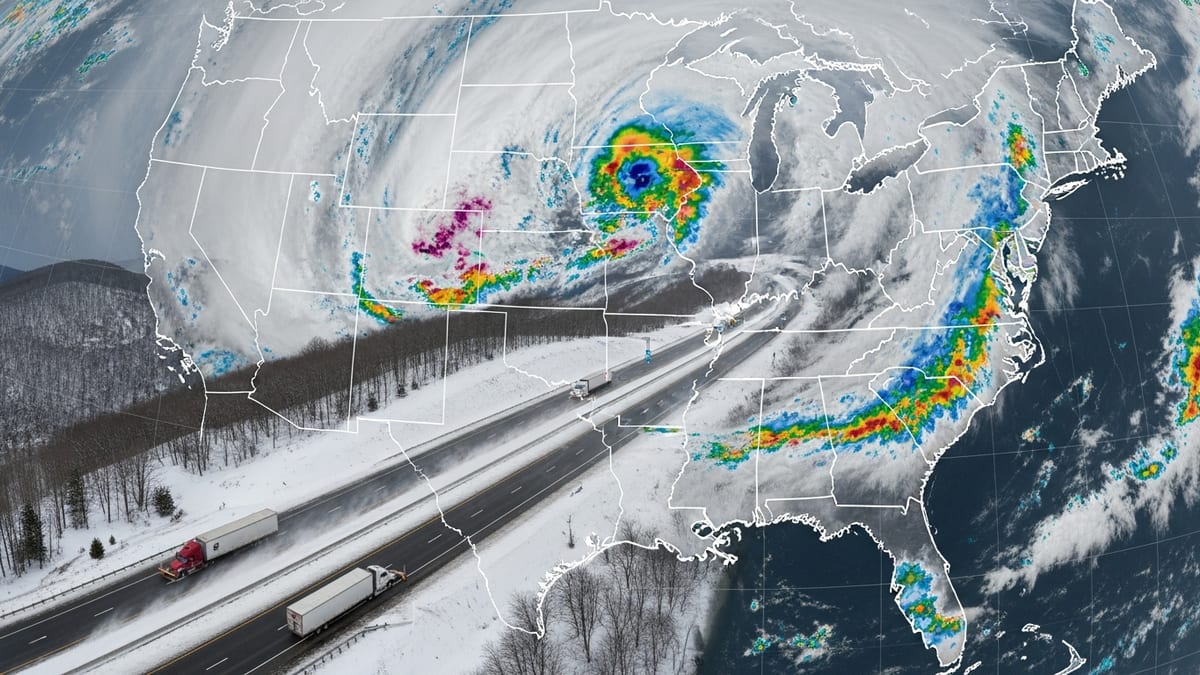
Yellow Thunderstorm Warning Targets North and East Yorkshire
The latest Met Office guidance places much of North Yorkshire and the East Riding under a yellow thunderstorm warning, with coastal communities such as Scarborough, Filey, Bridlington and Whitby preparing for rapidly changing conditions. Forecasts indicate that scattered storms are likely to develop during the afternoon and early evening, following days of record or near record June heat.
Weather maps for the period highlight a broad swathe of northern England where thunderstorms may “break out” rather than form a continuous band of rain. While many locations could stay largely dry, any storms that do form are expected to be intense, with heavy rainfall in a short space of time, frequent lightning and the potential for hail and strong, gusty winds.
Met Office material describing the warning notes the possibility of 15 to 30 millimetres of rain falling within an hour in a few places, enough to trigger local surface water flooding and hazardous driving conditions. The area of concern stretches across Yorkshire and Humber, including North Yorkshire and the East Riding, mirroring wider yellow thunderstorm alerts in parts of Scotland, Wales, Northern Ireland and other regions of England.
The thunderstorm risk is developing on the back of an exceptional hot spell across the UK, with red and amber heat alerts in recent days and temperatures widely exceeding seasonal norms. Public information from broadcasters such as ITV News and regional outlets indicates that Friday has become a transition day, as intense heat gives way to unstable air and storms for many areas.
Tourism Operators Activate Wet‑Weather Contingency Plans
Along the Yorkshire coast, tourism operators are moving quickly to adapt to the changing forecast. Publicly available information from local councils, destination partners and business groups shows that many seaside attractions have wet‑weather contingency plans that can be brought in at short notice, from switching programming indoors to extending café and retail offerings when beach conditions deteriorate.
Holiday park and campsite operators are using their usual channels, including social media feeds and direct communications with guests, to emphasise basic storm safety and encourage visitors to secure tents, awnings and loose outdoor furniture ahead of the heaviest showers. Caravan parks are advising guests to limit non‑essential driving during the most intense downpours and to follow any on‑site guidance about drainage or surface water management.
In Scarborough and neighbouring resorts, coastal hotels and guesthouses are preparing for a potential surge in indoor demand if lightning and heavy rain drive visitors away from beaches and cliff‑top walks. Hospitality managers are reported to be reviewing staffing levels and adjusting reservations for terraces and outdoor seating areas that may have to close at short notice for safety reasons.
At the same time, destination marketing bodies are seeking to strike a careful balance. Public information stresses that a yellow warning does not mean conditions will be severe everywhere, but rather that some locations could see disruptive storms. The message to visitors is to remain flexible, pay close attention to the latest forecast and be prepared to alter plans if a storm cell develops nearby.
Risk of Localised Flooding, Transport Delays and Power Interruptions
The primary concern for authorities and businesses along the Yorkshire coast is the potential for localised surface water flooding. When 15 to 30 millimetres of rain falls in a short burst, drains and gullies in urban areas like Scarborough, Bridlington and coastal villages can quickly become overwhelmed, leading to pooling on roads, minor property flooding and difficult driving conditions.
Met Office material on the current yellow thunderstorm warnings highlights the risk of spray, standing water and sudden reductions in visibility contributing to longer journey times. Road users are being encouraged through public guidance to allow extra time for travel, slow down during heavy downpours and avoid driving through floodwater where depth is uncertain.
Frequent lightning and large hail also raise the possibility of short‑lived power interruptions if overhead lines or local substations are affected. Energy network operators typically have additional crews on standby during such warnings, and public information stresses the importance of reporting any outages promptly while staying clear of downed lines.
For those on or near the water, guidance from maritime and coastal safety bodies consistently advises avoiding sea swimming or watersports during thunderstorms and leaving open beaches if lightning is observed. Sudden gusts associated with storm outflows can create hazardous conditions for small craft and for those walking on exposed headlands or piers.
Visitor Safety Guidance for Scarborough and the Wider Coast
With school summer holidays approaching and day‑trip numbers rising after the heatwave, visitor safety messaging has become a particular focus. Publicly available guidance from local resilience forums and tourism boards encourages simple steps such as checking the Met Office app or other trusted forecast sources before travelling, and monitoring radar and updates during the day.
Visitors are being advised to plan outdoor activities, including beach time and moorland walks, for earlier in the day where possible, leaving flexibility in the afternoon when storms are most likely to develop. Advice commonly recommends identifying nearby indoor alternatives, such as museums, aquariums, theatres and covered shopping areas, so plans can pivot quickly if thunder is heard or skies darken.
Coastal car parks, promenades and cliff‑top viewpoints are highlighted as places where conditions can change quickly in a thunderstorm. Public messaging suggests avoiding sheltering under isolated trees or metal structures, staying clear of the waterline during lightning, and moving into solid buildings or fully enclosed vehicles when thunder is audible.
Those staying in caravans, motorhomes or tents are being reminded that these structures provide less protection from lightning and strong winds than permanent buildings. Recommended precautions include unplugging non‑essential electrical devices during nearby lightning, securing awnings and gazebos, and being prepared to move to on‑site communal buildings if conditions deteriorate.
Balancing Peak Season Demand With Weather Volatility
The yellow thunderstorm warning for North Yorkshire and the East Riding arrives at a critical point in the early summer season, as coastal destinations seek to recover from previous years of disrupted travel patterns while also adapting to increasingly volatile weather linked in scientific research to climate change.
Industry bodies representing hotels, attractions and hospitality businesses have frequently highlighted the importance of clear, timely communication around weather risks. Operators along the Yorkshire coast are using the current alert period to refine their playbooks for future events, reviewing how information is shared with guests, how booking policies handle sudden weather disruption and how staff are trained to respond to rapidly changing conditions.
Publicly available commentary from meteorologists suggests that thundery breakdowns at the end of heat events may become more common as the climate warms, raising the stakes for tourism‑dependent regions that rely on stable summer weather. For the Yorkshire coast, the latest yellow warning is serving as a real‑time test of how well businesses, visitors and local services can work within that new normal.
For now, with the Met Office indicating that storms will be scattered rather than widespread, many operators are hoping that the worst impacts remain isolated. Yet the combination of lightning, hail, gusty winds and sudden downpours is enough for Scarborough and its neighbours to keep contingency plans close to hand as the afternoon develops.