


Ischia has long been synonymous with thermal parks and steaming outdoor pools, but this volcanic island in the Bay of Naples offers far more than a soak. Step away from the famous hot springs and you will find chestnut‑covered mountains, family‑run vineyards, medieval fortresses, traditional fishing villages and a surprisingly rural interior. This guide explores the best things to do in Ischia beyond the spas, with practical examples to help you plan an itinerary that feels grounded in the real island and not only in its brochure image.
Get the latest updates straight to your inbox!
Climb Monte Epomeo for Island‑Wide Views
Rising to around 789 meters, Monte Epomeo is the green spine of Ischia and the best place to grasp the island’s volcanic origins. From the main trailhead near the village of Fontana, most travelers can reach the summit in 1.5 to 2 hours at a steady pace. The path winds through chestnut woods and low scrub before climbing onto pale tufa rock, with occasional rustic kiosks where, in summer, locals sell espresso or lemon granita for a few euros. Wear sturdy shoes and carry water; in July and August it can feel significantly hotter on the exposed upper stretches.
At the summit you’ll find a small hermitage church carved into the rock and simple terraces looking out over the entire Gulf of Naples. On a clear day you can pick out Vesuvius on the mainland, Capri’s Faraglioni sea stacks and the outline of Procida just off Ischia’s northern coast. Many visitors time their hike for late afternoon so they can watch the sun sink behind the island’s western cliffs, then descend with headlamps. If you prefer a more relaxed approach, some local drivers in Fontana offer jeep transfers up the rough service road, dropping you near the top so you only walk the final 15 to 20 minutes.
For a quieter variation, consider starting from Serrara or Santa Maria al Monte on the western side. These routes are a little steeper but pass terraced gardens, stone farmhouses and small vineyards, giving a feel for rural island life that most beach visitors never glimpse. Guided hikes are available through local outdoor shops and hotel concierges, and typically cost the same as a simple boat excursion, making them an excellent alternative if the sea is rough or you want a break from the coast.
Explore Castello Aragonese and Ischia Ponte
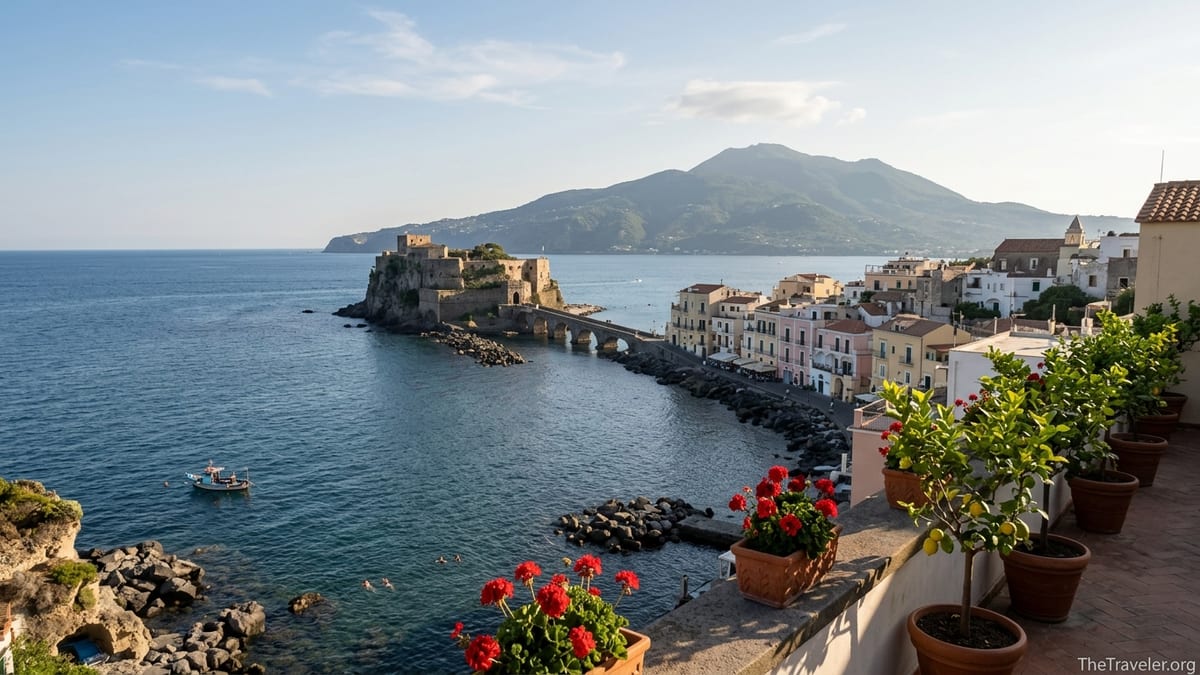
The Aragonese Castle, perched on its own rocky islet and linked to Ischia by a stone bridge, is far more than a photogenic backdrop. Plan at least two hours to wander through its chapels, gardens and former convents. After paying the entry fee at the base, you can ride a modern elevator up through the rock or walk up the old ramped tunnel, a reminder of when the fortress sheltered entire communities from pirate raids. Inside, interpretive panels trace the island’s history from ancient Greek settlers to medieval dynasties and the devastating eruption of 1301 that reshaped this coastline.
One of the highlights is the network of panoramic terraces looking back toward Ischia Ponte and over the sea. In late June and early July, the castle hosts an international film festival, when temporary screens and seating transform the courtyards into open‑air cinemas and evening access extends later than usual. Even outside festival dates, there is a small café where you can pause for a glass of local white wine or a simple salad, typically priced similarly to a mid‑range bar in Naples but with a far more atmospheric setting.
Leave time before or after your castle visit to wander Ischia Ponte, the old fishing quarter on the mainland side of the bridge. Narrow lanes lead between pastel houses, small churches and family‑run bakeries selling sfogliatelle and small lemon‑glazed pastries. Rather than rushing back to your hotel, sit at one of the waterfront bars for an espresso or aperitivo and watch small fishing boats bob in the harbor as the castle glows in the changing light. It is here, more than in the resort strips, that you feel the rhythm of everyday life that continues beyond the tourist season.
Circle the Island by Boat and Discover Wild Coves
A day on the water reveals facets of Ischia you will never see from a bus window. Circumnavigation tours typically last six to seven hours, departing from Ischia Porto or Forio in the morning and returning by late afternoon. On a shared wooden gozzo or small motorboat, expect several swim stops in coves accessible only from the sea, light snacks and drinks on board, and a relaxed pace that lets you admire everything from seaside watchtowers to tiny chapels set into cliffs.
Typical highlights include gliding under Punta Caruso’s dark rock formations near Forio, swimming in the turquoise water off the Bay of San Montano and drifting past the dramatic cliffs of Punta San Pancrazio on the southern coast. Some captains anchor near the underwater fumaroles off Maronti Beach, where you can feel warm bubbles rising from the seabed. If you are comfortable in deeper water, bring a mask and snorkel to explore the rocky reefs; visibility is usually best in late spring and early autumn when the sea is calmer and there are fewer boats.
Travelers who want more independence can rent a small self‑drive boat from marinas around Ischia Porto, Forio or Lacco Ameno, usually for a half or full day. You will receive a basic safety briefing and suggestions on where to anchor and which zones to avoid due to marine traffic or protected areas. Fuel and insurance are often extra, so clarify costs before you leave the dock. Alternatively, private skipper‑led charters cater to couples or small groups who want to combine a circuit of Ischia with a detour to Procida for lunch.
If your schedule allows, consider an evening cruise. Several local operators now offer sunset outings that depart in the late afternoon, circle the western coast as the sun drops behind Mount Epomeo and return after a final swim or aperitivo on board. These typically run shorter than full‑day tours, making them a practical choice if you are arriving from Naples on a morning ferry and want to get onto the sea without dedicating an entire day.
Discover Coastal Villages and Local Beaches
While many visitors stay near Ischia Porto for ferry connections, each of the island’s coastal towns has its own character and shoreline. Forio on the west coast feels particularly appealing if you want beaches and sunsets. Just south of Forio center, Spiaggia di Cava dell’Isola draws a younger crowd with a wilder feel than manicured resort lidos. Access is via a stepped path, and the sandy cove is backed by cliffs rather than hotels, with a couple of casual beach bars where you can order sandwiches or a cold beer and watch the sun sink directly into the sea.
Further north, the small resort of Lacco Ameno is recognizable by its mushroom‑shaped rock just offshore. Although its beaches are compact, the town’s seafront promenade is ideal for evening walks, and buses connect easily inland to the archaeological museum and up‑island villages. On the opposite side of Ischia, the long sweep of Maronti Beach stretches beneath terraced hills and fumarole fields, with basic seaside trattorias offering grilled fish and simple pasta. It is possible to walk part of this coastline on footpaths between Maronti and the fishing hamlet of Sant’Angelo, a quieter base where cars are kept on the edge of town and luggage arrives on small electric carts.
Even in high season you can still find small coves with space to breathe if you are willing to walk a little. Locals often point visitors toward lesser‑known spots reached by staircases cut into the rock or short coastal paths. These beaches may lack services, so pack water, fruit and sunscreen, but they reward you with clearer water and a more relaxed atmosphere. Remember that many public stretches sit alongside paid lidos; you are free to use the free sections, but bringing your own towel or lightweight mat makes it easier to set up for a few hours without renting a lounger.
Walk Between Vineyards and Taste Island Wines
Ischia is one of southern Italy’s more distinctive wine islands, with terraced vineyards clinging to volcanic slopes that rise from the sea. White varieties dominate, often based on Biancolella and Forastera grapes, which produce mineral‑driven wines that pair well with both seafood and the island’s rustic land‑based cuisine. Red blends are less common but can be found in traditional cellars scattered across the interior.
One of the most engaging ways to experience this side of Ischia is to join a vineyard walk. In late summer and early autumn, several estates open their gates to small groups, guiding guests through rows of vines supported by chestnut stakes and explaining how they harvest on steep terrain. Tastings often take place under pergolas or in cool stone cellars carved into the hillside, accompanied by plates of local cheeses, bruschetta with cherry tomatoes and small portions of coniglio all’ischitana, the island’s signature rabbit stew.
In September and early October, the village of Panza on Ischia’s southwest side hosts events that link wineries and farmhouses with walking routes, allowing visitors to move from one cellar to the next on foot. Tickets usually include multiple tastings and small bites, creating the feel of a progressive dinner with a strong community atmosphere. If you cannot time your visit for these harvest‑season celebrations, you can still book independent tastings at wineries in areas such as Campagnano or Serrara Fontana, either by calling ahead or through your hotel.
Even if you do not drink alcohol, vineyard walks are worthwhile for the scenery alone. Stone terraces, citrus groves and views down to the sea create a sense of how closely agriculture and daily life are woven together here. Many farms also produce olive oil, jams and limoncello, which make more practical souvenirs than fragile ceramics if you are traveling with limited luggage space.
Experience Ischia’s Food Culture Beyond Spa Buffets
Ischia’s cuisine reflects centuries of trade, conquest and practical farming on volcanic soil. While many hotel restaurants cater to international tastes, the island’s most memorable meals are often found in small trattorias and countryside taverns, where menus change with the seasons. In spring you might see artichokes, broad beans and wild asparagus; by late summer, ripe tomatoes and zucchini flowers appear everywhere, often fried or stuffed.
The definitive local dish is coniglio all’ischitana, rabbit stewed slowly with white wine, tomatoes, garlic and wild herbs in a terracotta pot. Traditionally, families would raise rabbits in stone pits and serve this dish on Sundays and special occasions. Today, you can order it in both rustic agriturismi in the hills and more refined restaurants along the coast. Portions are hearty, frequently enough for two people to share alongside a plate of pasta dressed with the same rich sauce. If you prefer not to eat rabbit, ask for the pasta alone; many kitchens are happy to accommodate.
Seafood is equally important. Fishing boats bring in catches of pezzogna (sea bream), totani (local squid) and small anchovies that end up grilled, baked in salt or tossed through linguine. In harbor towns such as Ischia Porto or Forio, look for places where the menu lists the catch of the day and prices fish by weight, a sign that you are choosing from what actually came off the boats. For a quick lunch between swims, seek out a bar serving the zingara ischitana, a toasted sandwich filled with cured meats, cheese, tomato and lettuce that locals treat as a substantial snack.
To dive deeper into local flavors, consider a cooking class held in a private home or farm kitchen. Many start with a short visit to a produce market or garden, then guide you through dishes like stuffed vegetables, simple seafood pastas and desserts flavored with island lemons. Classes typically run three to four hours and culminate in a shared meal. This is one of the most engaging ways to meet residents and understand how islanders cook day to day, beyond restaurant menus designed for visitors.
Visit Gardens, Museums and Hill Villages
Ischia’s reputation as a garden island is not limited to spa complexes. On the western side near Forio, landscaped gardens spread across terraces looking out to sea, blending Mediterranean and subtropical species. A typical visit can take two to three hours as you follow winding paths past water features, cacti collections and shaded pergolas planted with wisteria and bougainvillea. Benches dotted throughout invite you to sit and take in views of the coastline rather than simply hurrying from one photo spot to another.
Beyond the gardens, the island’s small museums offer context that many beach visitors skip. The archaeological museum in Lacco Ameno displays finds from ancient Greek settlements, including pottery and grave goods that illustrate Ischia’s role as an early trading hub. It is an ideal stop on a cloudy day or during the hottest midday hours, and admission is usually modest compared with larger city museums. In Ischia Porto, smaller cultural spaces host temporary art exhibitions, photography shows and events linked to the island’s literary and film festivals.
For a glimpse of slower village life, ride the local bus up to communities such as Serrara Fontana or Panza in late afternoon. Here, narrow streets weave between stone houses, and life centers on modest piazzas where older residents sit on benches and children ride bicycles. Small bars serve simple aperitivi, and bakeries offer still‑warm bread in the early evening. Walking through these villages, you will notice terraced fields, small vineyards and kitchen gardens, a reminder that for many families Ischia is still a working landscape rather than only a resort.
The Takeaway
Many travelers arrive in Ischia focused on its reputed healing waters, but the island rewards anyone willing to go beyond the spa gates. Hiking up Monte Epomeo, tracing history in the Aragonese Castle, circling sea cliffs by boat, tasting wines in stone‑walled cellars and lingering over rabbit stew in a family‑run trattoria all reveal a destination shaped as much by agriculture, seafaring and community as by tourism.
With a bit of planning, you can build an itinerary that balances one or two thermal sessions with days spent exploring villages, beaches, gardens and trails. Use the island’s bus network and coastal ferries to move around, but leave space in your schedule for unplanned stops when a side street, small church or busy bakery catches your eye. In doing so, you will experience Ischia not just as a spa island, but as a living place with layers of culture and landscape that unfold slowly, far from the steam of the hot springs.
FAQ
Q1. How many days should I spend in Ischia if I want to go beyond the hot springs?
Three full days is the practical minimum if you want to combine one spa visit with a hike, a boat tour and some time exploring villages and beaches. With five to seven days you can slow the pace, plan a vineyard walk and include a side trip to nearby Procida.
Q2. Do I need a car to explore Ischia beyond the thermal parks?
No, a car is helpful but not essential. The island has a fairly dense bus network connecting towns, beaches and hill villages. Taxis and local drivers can cover early‑morning or late‑night trips, and many hikes and vineyard visits can be reached by bus plus a short walk. Driving can be stressful in high season due to narrow roads and limited parking.
Q3. When is the best time to hike Monte Epomeo?
Late April to early June and late September to October are ideal, when temperatures are milder and trails are less crowded. In July and August, start early in the morning to avoid midday heat, bring plenty of water and sun protection, and consider taking a jeep partway up if you are not used to steep climbs.
Q4. Are boat tours around Ischia suitable for non‑swimmers?
Yes, but choose your tour carefully. Many operators welcome non‑swimmers and provide life jackets, shaded seating and the option to stay on board during swim stops. If you are nervous, ask in advance about sea conditions, group size and whether there is an easy ladder or platform for getting in and out of the water.
Q5. Can I visit Procida or Capri as a day trip from Ischia?
Yes. Regular ferries and hydrofoils link Ischia with Procida and, less frequently, with Capri and the mainland. A day trip to Procida is straightforward and gives you several hours to wander its colorful streets. Capri is possible as a long day out, but check seasonal timetables and allow buffer time for connections, especially if you are traveling in shoulder seasons.
Q6. What should I wear when visiting the Aragonese Castle and hill villages?
Comfortable walking shoes are essential, as you will encounter cobblestones, ramps and stairs. In warm months, lightweight clothing and a hat are helpful, but carry a light layer for breezy terraces. When visiting churches or small sanctuaries inside the castle and villages, choose outfits that cover shoulders and fall at least to the knee.
Q7. Is Ischia a good destination for travelers who do not want spa treatments?
Absolutely. While thermal parks are a major draw, many visitors spend most of their time hiking, swimming at natural beaches, visiting gardens and exploring castles, museums and villages. You can easily design an itinerary that focuses on nature, history and food without entering a single spa complex.
Q8. How easy is it to find traditional food like coniglio all’ischitana?
Very easy in most seasons. Many family‑run restaurants and countryside taverns feature coniglio all’ischitana on their menus, often on weekends or as a house specialty. If you do not see it listed, ask your server; sometimes it is available off menu or as part of a set meal. For a lighter option, request pasta dressed with the same slow‑cooked sauce.
Q9. Are there family‑friendly activities on Ischia besides hot springs?
Yes. Families can take gentle coastal walks, visit sandy beaches with shallow water, explore the castle’s ramparts, stroll through botanical gardens and join short boat trips that include calm swim stops. Many restaurants welcome children and offer simple dishes like grilled fish, pasta with tomato sauce and pizza.
Q10. What is the best way to combine a spa visit with other activities in one day?
Consider spending the morning hiking or sightseeing, then booking a thermal park entry from mid‑afternoon onward. This lets you avoid the strongest sun, soak tired muscles after walking and stay into the evening when pools are quieter. Alternatively, pair a relaxed morning at a garden or museum with a few hours at a spa and finish the day with a leisurely dinner in a coastal town.