


John Hancock is one of the most recognizable names in U.S. travel insurance, often popping up first when you search for coverage for a big international trip or cruise. Its Bronze, Silver, and Gold plans can genuinely save you thousands of dollars when things go wrong. Yet many travelers buy a policy in a few rushed clicks, never read the fine print, and only discover what they actually bought on the worst day of their trip. In practice, a lot of people are using John Hancock travel insurance in ways that limit or even void the protection they thought they had.
Get the latest updates straight to your inbox!
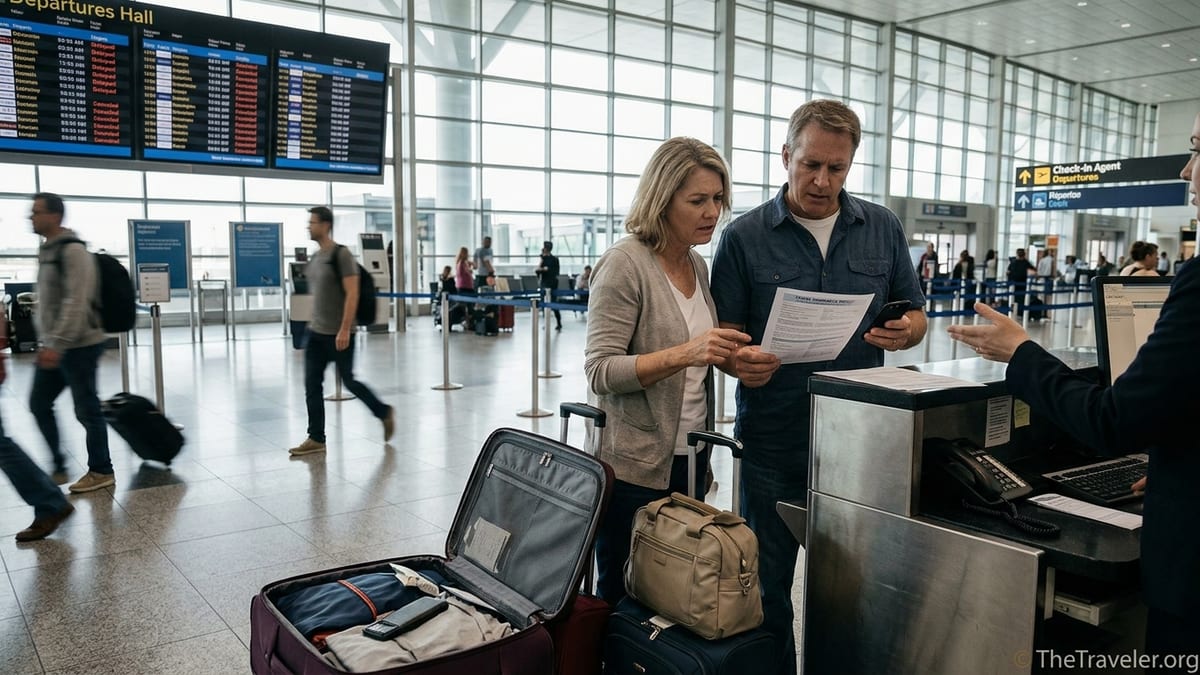
The Big Misconception: “I’m Covered for Anything”
One of the most common mistakes with John Hancock travel insurance is assuming a policy works like a blank check for any travel disaster. The marketing language about trip cancellation, emergency medical, and baggage reimbursement can sound comprehensive, but every benefit is built on specific, narrow triggers. If your situation does not match one of those triggers, you may get nothing back.
Consider a New York couple who book a 10,000 dollar luxury safari in Kenya and quickly tack on a John Hancock Gold plan at checkout. They assume that if “something comes up” they can just cancel and recover their full cost. Three months later, political protests make them uneasy about traveling, but the State Department has not issued an elevated travel advisory and their tour operator is still operating as normal. Fear of instability alone is not a covered reason under a standard cancellation benefit. Unless they paid extra for a cancel for any reason upgrade, they are likely eating most or all of that 10,000 dollars.
This gap between expectation and reality also shows up with weather. A Florida family buys a Silver plan for a Caribbean cruise during hurricane season, comforted by the idea they are “protected” if a storm appears. When a tropical storm forms, they decide to cancel preemptively. Their ship, however, still plans to sail on a modified route. In that scenario, a voluntary cancellation to avoid bad weather usually is not covered. The policy would typically respond only if the cruise line cancels the sailing, significantly delays departure, or if the traveler’s own home or destination accommodations are made uninhabitable.
The bottom line is that John Hancock policies are built around lists of named perils and defined conditions. To use the insurance correctly, you need to match your expectations to those lists instead of assuming that any reasonable travel worry will qualify.
Buying Too Late: How Timing Quietly Shrinks Your Coverage
Another way travelers misuse John Hancock travel insurance is by treating it as an afterthought. Many key protections depend on when you buy the policy relative to your first trip payment. With John Hancock, certain enhanced benefits, such as coverage for pre existing medical conditions or access to a cancel for any reason upgrade in some states, are generally only available if you purchase within a short window, often around 14 days of your initial trip deposit. That timing detail is easy to miss when you are still shopping for flights and hotels.
Imagine a traveler in Chicago booking a 7,500 dollar European river cruise a year in advance. They pay the deposit in January and think vaguely about travel insurance, but do not buy it. In April, after final payment, they remember and purchase a John Hancock Silver plan. If that traveler has a heart condition that was being treated in the months before booking, and they later cancel because their cardiologist advises against travel, they may find that the heart condition is considered pre existing and excluded. Had they purchased the policy within that early window after the January deposit, they might have qualified for a pre existing condition waiver and received a full trip reimbursement.
Timing matters just as much for optional cancel for any reason coverage. CFAR is designed to reimburse a portion of nonrefundable trip costs if you cancel for reasons outside the regular policy, such as a new job, relationship changes, or simple loss of interest. With John Hancock and most competitors, CFAR usually must be bought soon after the first deposit and can require insuring the full, current value of the trip. Travelers who wait until flights are booked, hotels are locked in, and world events begin to look shaky often discover they no longer qualify to add CFAR at all.
To use John Hancock correctly, treat insurance as part of the first-day planning rather than a box to tick at the end. As soon as you pay your first serious, nonrefundable deposit for a tour, cruise, or villa, decide whether you want robust coverage for existing health issues or maximum cancellation flexibility. Waiting even a few weeks can quietly erase options you assumed you would have later.
Confusing Standard Cancellation With Cancel For Any Reason
The phrase “cancel for any reason” is especially dangerous because it sounds like ordinary English yet describes a specific, optional insurance upgrade. John Hancock’s core Bronze, Silver, and Gold plans are built around covered reasons, such as illness, injury, severe weather, jury duty, or your home becoming uninhabitable. By contrast, CFAR is an extra benefit that may be offered on some plans in certain states and at an additional cost. Many travelers never realize that what they really want is CFAR until it is too late to add it.
Consider a solo traveler from Los Angeles who books a 4,000 dollar trip to Japan for cherry blossom season. She buys a standard John Hancock Bronze policy because it is the cheapest line item on the comparison page. In the months before departure, her employer announces a major project launch the same week as her trip. Stress, job security worries, and the prospect of missing a pivotal moment all push her toward canceling. Work-related schedule conflicts, however, are not usually covered reasons in standard policies. Without CFAR, she has no path to reimbursement, even though her decision to cancel is entirely sensible in real life.
Now imagine a couple who did purchase a John Hancock policy with a CFAR upgrade where available. They might be reimbursed up to roughly 50 to 75 percent of prepaid, nonrefundable costs if they cancel for a non covered reason, such as deciding their aging pet should not be left with a sitter or feeling uneasy about rising crime headlines. Even here, there are rules: CFAR generally requires canceling at least 48 hours before departure and only applies to costs insured under the policy. Some travelers misinterpret CFAR as a way to simply not show up for a trip at the last minute and expect a full refund. Used correctly, CFAR is partial reimbursement for early, elective cancellations, not a full money-back guarantee.
This distinction between standard trip cancellation and CFAR matters for how you budget. For a 6,000 dollar two-week Peru itinerary, a CFAR-enhanced plan will usually cost noticeably more than a basic Bronze policy. If you are booking something emotionally or financially complicated, such as an expensive honeymoon, a once-in-a-lifetime expedition cruise, or a trip booked 12 to 18 months in advance, ask yourself whether the extra upfront premium is worth the freedom to cancel for reasons that have nothing to do with sickness or weather.
Overlooking Medical and Evacuation Coverage While Chasing Cheap Premiums
Because John Hancock advertises trip cost protection front and center, many buyers focus entirely on the amount they would get back if they cancel, rather than the medical and evacuation coverage that could matter even more once they are actually on the road. It is common to see travelers filter comparison sites to show only the cheapest premium, then stop reading as soon as they see that the trip cost is fully insured, ignoring the medical numbers buried further down the page.
Take a retired couple from Texas planning a 12 day tour through Italy. They are in their late 60s and have Medicare plus a supplemental plan at home, but those benefits generally do not pay for emergency medical care or evacuation abroad. They select a John Hancock Bronze plan because it is 40 or 50 dollars cheaper than Gold and trust that any emergency will be “covered.” If one of them suffers a stroke in Florence and requires an air ambulance home, the lower medical and evacuation limits on the cheaper plan could leave them personally responsible for tens of thousands of dollars.
By contrast, a traveler in her 30s doing a long weekend in Montreal might reasonably prioritize trip interruption and baggage coverage over very high medical limits, especially if her domestic health insurance offers some out of country benefits. Even then, she should understand that a John Hancock plan’s emergency medical coverage is secondary or primary depending on the policy terms, and that pre authorization or contact with the assistance line may be required before certain services are covered.
A smart way to use John Hancock correctly is to start with the medical and evacuation risks, not the cancellation line. Ask how you would pay for a 15,000 dollar hospital bill in Tokyo or an emergency evacuation from a small Caribbean island. If the answer is “I cannot,” then it makes sense to choose a plan that prioritizes robust medical and evacuation benefits, even if the trip cancellation limit is similar across tiers.
Missing the Fine Print on Delays, Missed Connections, and Baggage
Even travelers who read the big-ticket benefits often misunderstand the smaller protections that apply when things go wrong but the trip is not fully canceled. John Hancock plans, like most competitors, include coverage for trip delay, missed connection, and baggage delay or loss. Each of those benefits, though, depends on specific thresholds, documentation, and spending rules that are easy to misapply in the chaos of a disrupted travel day.
Picture a family of four flying from Denver to Orlando to catch a cruise. Their first flight is delayed by two hours due to a mechanical issue, causing them to miss the ship’s sailing. When they file a missed connection claim with John Hancock, they discover that the policy’s missed connection coverage kicks in only after a longer delay, often around three hours or more, and requires proof that the delay was caused by a covered hazard. Because their delay was two hours and the missed connection benefit was tied to a different portion of the itinerary, they may find the reimbursement limited to certain extra transportation costs rather than the full cost of the missed cruise.
The same sort of disappointment arises with baggage benefits. Under many John Hancock policies, baggage delay coverage typically begins after luggage has been delayed for a specific number of hours, often around 12. A traveler landing in Lisbon without her suitcase may run out to buy clothes, toiletries, and a new pair of shoes within the first few hours, assuming the insurer will pick up the tab. When she submits a 500 dollar receipt bundle but her bag is delivered the next morning, only some of those urgent purchases may qualify, and there will usually be per-day and per-item limits.
Proper use of these coverages means knowing the waiting periods and keeping receipts tightly tied to the emergency window. If your John Hancock plan says trip delay benefits start after five or six hours, do not file for meals and hotel nights incurred earlier in the day. When your bag goes missing, save baggage irregularity reports from the airline and time-stamped receipts only for essentials bought after the delay threshold. These may sound like small administrative points, but they are often the difference between an approved claim and a frustrating denial.
COVID, Pre Existing Conditions, and Other Medical Pitfalls
Medical coverage is another area where travelers often assume John Hancock automatically covers any illness, including COVID, under all circumstances. In reality, the policy language distinguishes between catching an illness unexpectedly and canceling because of a general fear of getting sick or concern about rising case counts. John Hancock’s own COVID guidance notes that benefits like emergency accident and sickness expense may apply if you contract COVID during your trip and need medical care. By contrast, wanting to back out of a vacation because news coverage makes you uneasy typically is not a covered cancellation reason.
Pre existing medical conditions are an even trickier issue. If you have had recent tests, medication changes, or doctor visits related to a condition in the look back period, John Hancock may consider that condition pre existing and exclude related claims unless you qualify for a waiver. That waiver often requires buying the policy shortly after your first trip payment and being medically able to travel at the time of purchase. Someone managing stable diabetes who books a 5,000 dollar cycling tour in France and buys a John Hancock Gold plan the same week is likely in a better position than someone who waits months, experiences a flare up, and only then decides to purchase insurance.
Real world problems arise when travelers mix these two concepts. Picture a traveler with asthma who books a trip to Peru, then experiences a series of flare ups in the weeks before departure. If she did not secure a pre existing condition waiver and cancels on her pulmonologist’s advice, John Hancock could deny a claim linked directly to that condition. On the other hand, if she bought promptly after her deposit and met all waiver conditions, that same cancellation could be fully reimbursed. The facts of the trip do not change; only the timing and paperwork do.
Using John Hancock correctly here means being candid about your health. Do not downplay conditions to yourself or your agent to keep premiums low. Instead, assume that any issue for which you have seen a doctor, adjusted a prescription, or undergone tests in the look back period may be considered pre existing. If that matters for your risk profile, prioritize buying the policy early enough and in a tier that offers a waiver where available.
Practical Steps To Actually Get Paid When You Need It
Many frustrations with John Hancock come not from the policy design but from the way travelers document (or do not document) their losses. Even under the most generous plan, you will need proof of payment, proof of loss, and evidence that your situation falls within the policy terms. When those pieces are missing, adjusters are left to guess, and guesses usually fall in favor of the contract language, not your feelings about what is fair.
Suppose a family spends 8,000 dollars on a guided Costa Rica trip, with 5,000 dollars paid directly to a local operator, 2,000 dollars in flights booked through a third party site, and 1,000 dollars in pre cruise hotel nights. They buy a John Hancock Silver plan, then cancel because a grandparent is unexpectedly hospitalized. This might be a covered reason if the policy lists serious illness or death of a close family member. But when they file a claim, they submit only screenshots of their booking confirmations, not bank or card statements, and no medical records or hospital notes. The claim stalls or is partially denied because the insurer cannot verify what was actually paid, what is truly nonrefundable, or the medical severity.
A smoother path would involve saving every invoice, keeping email confirmations from airlines and tour operators that specify nonrefundable terms, and requesting written proof from airlines or hotels when they apply credits instead of cash refunds. For medical claims, it means obtaining a doctor’s note that clearly states you were advised not to travel as of a specific date. For things like missed connection or weather disruptions, it can mean getting written verification from the airline that your flight was delayed or canceled for a particular reason on a particular schedule.
John Hancock’s claims team is not in your corner in the same way that a personal travel advisor might be, but they are also not your enemy. They are bound to the wording in the plan documents. The more your evidence matches the language in those documents, the more likely you are to be paid. Choosing the right plan is the first step; using it correctly in the moment and presenting a coherent, well documented story is the second.
The Takeaway
John Hancock travel insurance can be a solid safety net for big trips, but only if you understand what you are buying and play by the rules built into the policy. The most common mistakes are conceptual rather than technical: assuming any worry counts as a covered reason, waiting too long to purchase and losing access to pre existing condition waivers or cancel for any reason options, underestimating the importance of medical and evacuation limits, and treating documentation as an afterthought.
Used well, a John Hancock plan can turn a medical emergency in a foreign hospital into a manageable inconvenience instead of a financial crisis, or convert a last minute cancellation for a covered reason into a largely reimbursed setback instead of a total loss. Used carelessly, the same plan can leave you wondering why you spent hundreds of dollars on a policy that does not respond when your situation does not match the fine print.
The practical way to avoid using John Hancock travel insurance wrong is simple. First, buy early, ideally within the first couple of weeks after your initial deposit. Second, decide honestly whether you need the flexibility of cancel for any reason for this particular trip. Third, look closely at medical and evacuation limits, not just cancellation amounts. Finally, read the plan documents once, highlight the waiting periods and definitions that apply to your itinerary, and keep digital copies of all receipts and confirmations. That hour of preparation can make the difference between a smooth claim and an expensive surprise.
FAQ
Q1. Does John Hancock travel insurance cover COVID related cancellations? John Hancock may cover COVID if it affects you directly, such as if you become ill and cannot travel, or if you contract COVID during your trip and need medical care, depending on your specific plan. General fear of traveling due to COVID or news of rising cases is typically not a covered reason for cancellation under a standard policy.
Q2. How soon after booking my trip should I buy a John Hancock policy? To maximize benefits such as a pre existing condition waiver or access to a cancel for any reason upgrade where available, you usually need to buy within a short window after your first trip deposit, often around 14 days. Purchasing later can still provide coverage, but some enhanced protections may no longer be available.
Q3. What is the main difference between standard trip cancellation and Cancel For Any Reason? Standard trip cancellation reimburses you only for specific, named reasons in the policy, such as serious illness, injury, or certain weather or job events. Cancel for any reason, when available and purchased as an upgrade, allows you to cancel for broader personal reasons not listed in the policy and receive partial reimbursement, usually a percentage of your insured, nonrefundable costs.
Q4. If my airline changes my flight and I miss a cruise, will John Hancock reimburse the whole cruise? Not necessarily. Missed connection coverage in John Hancock plans often requires a delay of a certain number of hours and applies to specified portions of your trip, such as cruises or tours. It typically reimburses extra reasonable expenses to catch up or a defined portion of prepaid costs, not always the full value of the cruise.
Q5. Are pre existing medical conditions covered under John Hancock policies? Pre existing conditions are generally excluded unless you qualify for and receive a waiver. That usually means buying the policy soon after your first trip payment, insuring the full trip cost, and being medically able to travel when you purchase. Without a waiver, cancellations or medical issues tied directly to a pre existing condition may be denied.
Q6. Does John Hancock travel insurance cover voluntary cancellations for bad weather forecasts? Standard John Hancock policies usually cover weather only when it directly disrupts your trip, such as making your home or destination accommodations uninhabitable or causing a carrier to cancel or significantly delay your travel. Canceling simply because a storm is forecast or you dislike predicted conditions is typically not covered unless you added a cancel for any reason option.
Q7. How does baggage delay coverage work with John Hancock? Baggage delay coverage generally starts after your bags have been delayed for a specified number of hours, often around 12, and reimburses essential purchases like clothing and toiletries up to set daily and total limits. You need to provide documentation from the carrier and receipts for items bought during the covered delay period.
Q8. Will John Hancock pay my medical bills directly if I am hospitalized abroad? In some cases John Hancock’s assistance services can arrange direct payment to a hospital, especially for larger emergencies, but often the default is that you pay upfront and file for reimbursement. It is important to contact the assistance number listed on your policy as soon as possible in a serious medical situation to understand how payment will be handled.
Q9. Can I change my insured trip cost after I buy a John Hancock plan? Many John Hancock policies allow you to update your insured trip cost if you add nonrefundable components like tours or excursions later, usually before your final payment date or a set time before departure. Failing to keep the insured amount in line with actual nonrefundable costs can affect certain benefits, including cancel for any reason, so you should adjust coverage as your trip evolves.
Q10. What kind of documentation does John Hancock require when I file a claim? You should expect to provide proof of payment, such as credit card statements or receipts, documentation of the loss or event, like airline delay notices or medical records, and written confirmation of nonrefundable amounts from airlines, hotels, or tour operators. The more clearly your documents demonstrate that your situation matches a covered reason in the policy, the smoother your claim process is likely to be.