


The Yucatán Peninsula’s cenotes are no longer a secret, but they are still some of the most magical freshwater swimming spots on the planet. Around Valladolid, Tulum and Mérida you can plan days that move from steamy jungle to cool underground pools in minutes, as long as you know which cenotes are worth the entrance fee, how to avoid the worst crowds and what rules to expect at each stop. This guide focuses on real-world details for 2025 and 2026, including typical prices, timing strategies and concrete examples of cenote days that work in practice, not just on paper.
Get the latest updates straight to your inbox!
Understanding Cenotes and Current Realities
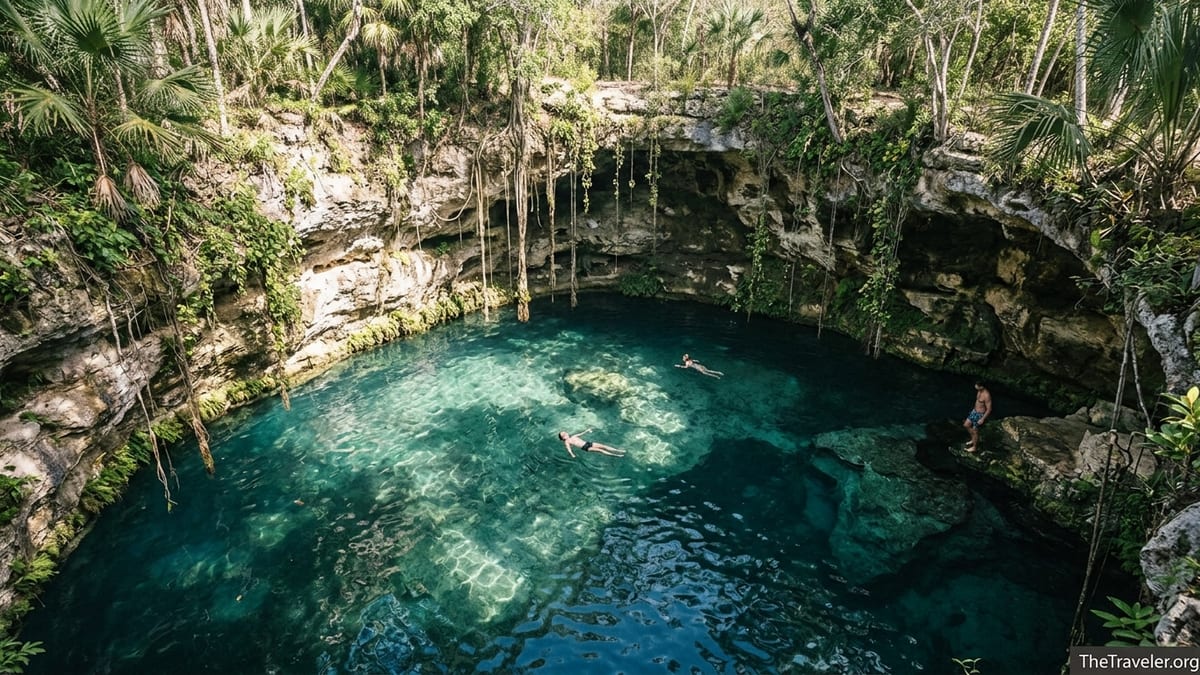
Cenotes are natural sinkholes formed when limestone collapses into the underground rivers that run beneath the Yucatán Peninsula. In practice that means an enormous variety of swimming spots: huge open pools like Cenote Zací in Valladolid, semi-open caverns with shafts of sunlight such as Suytun near Valladolid, and full cave cenotes accessible by narrow staircases around Mérida and Tulum. Even within a single region, no two cenotes feel the same, so planning a mix of open, semi-open and cave types makes for a far more interesting trip than repeating the same style.
Over the last few years, entrance fees have crept up almost everywhere, especially at heavily Instagrammed sites and those on big tour-bus routes. Many of the most visited cenotes around Valladolid and Tulum now charge in the range of about 150 to 350 pesos per person for basic swimming access, with extra costs for lockers, life jackets or photo packages. Community-run cenotes around Mérida and in the countryside can still be closer to 80 to 150 pesos, but they may have more basic facilities and fewer card-payment options, so carrying cash in pesos is important.
Another change is crowding. Cenotes that once felt hidden can now be busy by mid-morning, especially during high season from roughly December to March and around Easter and Christmas holidays. Tour operators out of Cancún, Playa del Carmen and Mérida run fixed schedules that tend to arrive late morning and early afternoon. If you want quieter water and clearer photos, arriving right at opening time, or in the last hour before closing, often matters more than which cenote you pick.
Safety and environmental rules are more visible too. Most cenotes now require pre-swim showers and ban sunscreen and insect repellent, even biodegradable formulas, to protect the fragile ecosystem. Many also insist on life jackets for all swimmers, particularly at deeper cave cenotes or where tours include non-swimmers. Expect to be asked to rinse off, leave food outside the water area and use only designated entry points to avoid damaging stalactites and rock formations.
Valladolid Cenotes: Ik Kil, Suytun, Zací and Oxman
Valladolid sits in the middle of some of Yucatán’s most famous cenotes, and that means excellent swimming but also significant crowds if you do not time things well. Cenote Ik Kil, about 5 minutes from Chichén Itzá, is perhaps the most iconic. It is a near-perfectly circular open sinkhole with walls draped in vines and roots and a deep pool at the bottom. As of 2025 most travelers report entrance around the mid- to high-200 pesos range per person for basic access, with extra charges for lockers or buffet packages. Because it is included on many Chichén Itzá bus tours, Ik Kil is often packed from late morning into mid-afternoon; the best strategy is to go right when it opens, often around 9 am, either before or just after a Chichén visit, or in the late afternoon after the tours depart.
Cenote Suytun, around 15 to 20 minutes from Valladolid, became famous for a beam of light that hits a round platform inside a mostly covered cenote. Its popularity has translated into strict rules and structured photo time. Recent on-the-ground reports describe entrance fees around 120 pesos, with optional life jacket rental. Staff often limit the time people can stand on the platform for photos to keep the line moving, and tripods or drones are typically not allowed. The light beam tends to be strongest from late morning to early afternoon, but that is also when the line is longest. If you would rather swim than pose, arriving earlier in the day lets you enjoy relatively uncrowded water before the midday photo rush.
Right in Valladolid itself, Cenote Zací offers a very different experience. It is a large, mostly open cenote in town that locals use as much as visitors. Entrance has historically been among the cheapest in the area at around 60 pesos per person, and as of late 2025 recent visitors still report it as one of the best-value swims in the region. You descend a short path into a huge natural amphitheater with clear water, cliff ledges and basic facilities. Because it is so close to the main square, Zací is ideal for a quick afternoon dip after walking around Valladolid or for an early-morning swim before breakfast when it is often almost empty.
For a more relaxed half-day, many travelers pair Valladolid with Cenote San Lorenzo Oxman, usually referred to simply as Oxman, about a 10 to 15 minute taxi ride from downtown. Oxman is a semi-open cenote with vines and a popular rope swing, and it sits within a small hacienda complex with a pool and restaurant. Recent price structures typically offer a basic entrance fee in the low- to mid-100 pesos range or a slightly higher fee that includes a food and drink credit at the restaurant. Because local families and tour groups like to linger on sunny days, Oxman is busiest from late morning into the afternoon. Arriving at opening time can mean having the rope swing almost to yourself, while coming closer to sunset brings softer light and a more relaxed bar atmosphere.
Tulum Cenotes: Popular Spots and Value Alternatives
The Tulum area has some of the highest cenote prices in the peninsula, partly due to intense tourism and partly because several sites double as dive destinations. On the highway between Tulum and Cobá, Gran Cenote is one of the most visited. It is a mix of open pool and tunnel-like caverns, with turtles, stalactites and snorkel-friendly visibility. Travelers in 2025 commonly mention entrance fees around 500 to 600 pesos per person for swimmers, with mandatory life jackets and the option to rent snorkel gear on site. Given the cost and crowds, Gran Cenote is most worth it for those who care about underwater scenery and are willing to arrive as soon as the gates open to enjoy clearer, quieter conditions.
Further north toward Playa del Carmen, the Dos Ojos system includes multiple sinkholes fed by a massive underwater cave network that is famous among divers. For casual swimmers, the main Dos Ojos cenote typically charges higher-than-average entrance, often several hundred pesos per person, but that includes access to a large, deep pool with excellent clarity and opportunities to watch divers disappear into side passages. Guided snorkeling tours inside the connected caves can easily push a total visit into the range of 1,000 pesos or more per person, so it is best suited to those who already know they enjoy cave environments and are comfortable in deep water.
Not every Tulum-area cenote is so expensive or intense. South of town, community-run cenotes near small villages still offer simpler facilities with more modest entrance fees. Travelers frequently recommend looking for open, family-friendly pools on the road toward Felipe Carrillo Puerto or inland toward Cobá, where entrance may remain closer to 150 to 250 pesos. One example often praised in recent discussions is a locally owned cenote-restaurant combination very close to Tulum that charges a reasonable fee, offers good food and draws mostly residents rather than tour buses. These kinds of spots rarely appear as headliners on social media, but they can deliver relaxed swims and a chance to spend your money directly in the local community.
Crowd patterns around Tulum mirror those in Valladolid but with an extra layer of weekend pressure from regional visitors. Saturdays and Sundays, especially in high season, see bigger lines at Gran Cenote and Dos Ojos from mid-morning onward. If your schedule is flexible, plan your most popular cenotes for weekdays, saving quieter community options or beach time for the weekend. Because Tulum’s economy is heavily tourism-driven, changes to fees and access rules happen frequently, so it is wise to ask your hotel or guesthouse for the latest details the day before you go, and to bring extra cash in case card terminals are down.
Mérida and Surroundings: Santa Bárbara, Cuzamá and Rural Gems
Mérida does not have cenotes within the city limits, but it is surrounded by dozens of options that make easy day trips by rental car or organized tour. One of the most popular complexes is Cenotes Santa Bárbara, near Homún, about an hour’s drive from Mérida. Santa Bárbara typically sells package entrance that includes access to three cenotes plus transportation between them by bike or horse-drawn cart, along with on-site restaurant facilities. As of 2025, tour operators selling Santa Bárbara day trips often bundle transportation from Mérida and lunch into prices that work out to the equivalent of roughly 1,500 to 2,000 pesos per person, while travelers who arrive independently and pay at the gate usually spend noticeably less overall.
Nearby Cuzamá is another cluster of cenotes reachable from Mérida, often visited on a traditional rail-cart system pulled by small horses. Hotel-based excursions from Mérida commonly list per-person prices in the range of 60 to 80 US dollars, which include round-trip transport, cenote entrances and a basic meal. Travelers with rental cars can drive to the small town, hire local guides with carts at the entrance and pay individual cenote fees instead, usually keeping the total significantly below tour prices. Either approach offers a mix of semi-open and cave cenotes that feel more rustic than resort-like, with changing rooms, simple toilets and sometimes a small palapa restaurant at the entrance.
Mérida also makes a good base for more adventurous experiences, such as freediving or scuba in less-trafficked cenotes. Dive centers in the city advertise two-cenote day trips that depart around 8 am and return mid-afternoon, with prices through 2025 generally in the range of 3,200 to 3,400 pesos per certified diver, including equipment, guide and cenote entrance fees. These trips often combine jungle-fringed open cenotes with deeper caverns where sunlight filters in through narrow openings. For non-divers, snorkel-focused tours with transport from Mérida to one or two cenotes plus lunch typically run around 70 to 80 US dollars per person, depending on group size and distance.
If you have your own car, you can still find quieter community cenotes within an hour of Mérida where entrance stays close to 100 pesos and you might share the water with only a handful of people, especially on weekdays. The trade-off is that information about opening hours and temporary closures is less reliable, so it is wise to have a backup option in the same area. As with all cenote trips from Mérida, plan to leave the city early to avoid midday heat on the drive and to reach the smaller sites before any minivans from cruise excursions or large group tours arrive.
Practical Swimming Rules, Safety and What to Pack
Regardless of which cenotes you visit, the core swimming rules are broadly similar. Almost all cenotes ask guests to shower before entering the water, and many provide simple rinse stations near the entrance. You will usually see signs asking you not to apply sunscreen or insect repellent after showering. While staff enforcement varies, the environmental logic is strong: cenotes are part of a fragile underground freshwater network that supplies drinking water to local communities, and chemical residues can build up over time.
Life jackets are either strongly recommended or mandatory at most sites, particularly those that are deep or cave-like. Some cenotes include life jacket use in the entrance fee, while others charge a separate rental fee that is typically modest compared to the entrance itself. Children are normally required to wear life jackets regardless of confidence level, and there may be age or height limits for jumping platforms, rope swings or diving spots. You will also see no-jumping signs in areas where rock overhangs or shallow shelves make diving dangerous, even if other swimmers appear to ignore them.
For a smooth day, pack a small dry bag or daypack with a quick-dry towel, sandals with good grip, and clothing that covers your shoulders for the cooler transition from water to cave air. Many cenotes have rough or slippery stone steps, so shoes you can get wet, such as sturdy sandals or water shoes, are more practical than flip-flops. Lockers are widely available at busier sites like Ik Kil and Gran Cenote, usually for a modest extra fee, but in smaller community cenotes you may simply leave your belongings on a bench or palapa table, so minimizing valuables is sensible.
Photography rules vary. At some of the most famous spots, such as Suytun, staff may manage photo queues and limit time on certain platforms. Drone use is generally restricted or banned unless you have special permission from the management. Flash photography inside darker cave sections can also be frowned upon, both to preserve the ambiance and to avoid disturbing wildlife like bats. If you are planning to use a GoPro or similar action camera in the water, double-check that personal cameras are allowed, and consider a wrist strap to avoid losing it in deep areas.
Which Cenotes Are Actually Worth It?
With so many options and rising prices, it is reasonable to ask which cenotes genuinely justify the cost and effort. Around Valladolid, Ik Kil is still worth a visit if you combine it with Chichén Itzá and arrive early enough to see the vines and clear water before bus crowds fill the platforms. Suytun is best for travelers who value the distinctive light-beam photo and are prepared for a structured, somewhat rushed experience around the platform, while Oxman and Zací offer more relaxed swims and better value. A realistic one-day plan from Valladolid could include an early swim at Suytun, a brunch stop in town, and an afternoon at Oxman or Zací, which balances photography, atmosphere and cost.
In the Tulum region, Gran Cenote and Dos Ojos stand out for underwater clarity and cave formations, especially for confident swimmers and snorkelers. They are less compelling if your main goal is simply a refreshing dip, because their entrance fees sit at the high end of the regional spectrum. Travelers on a tighter budget often find better overall satisfaction by picking one marquee cenote in the Tulum area and then spending additional days at lesser-known, community-managed spots where the water is just as clear, the atmosphere more relaxed and the total expense significantly lower.
From Mérida, Santa Bárbara and the Cuzamá route are consistently described as good value half- or full-day trips, particularly for families or groups. You get multiple cenotes, transport between them and a clear structure to the day, which helps if you do not want to manage logistics yourself. Independent travelers who rent a car and explore around Homún, Cuzamá or other small towns east and south of Mérida can still discover cenotes with modest fees and few people, but that strategy rewards those comfortable with a bit of uncertainty and basic Spanish.
Ultimately, “worth it” depends on your priorities. If you want showpiece photos to match what you have seen online, expect to pay higher entrance fees at headline cenotes and to plan your timing carefully. If your focus is peaceful swimming, cool rock formations and local interaction, you will often be happier with a mix of one or two famous spots plus several less-publicized community cenotes in the Valladolid and Mérida hinterlands. Building your itinerary around variety, rather than chasing every big name, tends to deliver the most memorable cenote days.
Sample Cenote Days Around Valladolid, Tulum and Mérida
One realistic Valladolid-based day could start with an 8:30 or 9 am arrival at Cenote Suytun, giving you time to shower, swim and take a few photos before the light beam draws the biggest crowds. Around late morning, you could head back into Valladolid for tacos or a leisurely brunch near the main square, then walk or take a short taxi to Cenote Zací for a mid-afternoon swim. Because Zací is in town and relatively inexpensive, you can stay as long or as little as you like without feeling pressure to squeeze every peso of value from the entrance fee.
Another option, especially if you have a rental car, is to combine Chichén Itzá with Ik Kil. Leaving Valladolid early, you can reach the archaeological site near opening time, spend several hours exploring and then retreat to Ik Kil in the early afternoon heat. While this timing means sharing the cenote with more people, the cool water and dramatic vines still make for a satisfying break before driving back. If crowds are a major concern, you can reverse the order on a different day: swim at Ik Kil right at opening, then visit a less-busy site such as Ek Balam instead of Chichén, which spreads out the popular stops.
From Tulum, a compact cenote day might focus on depth rather than distance. You could spend the morning at Gran Cenote, arriving at opening and leaving by late morning as the parking lot fills, then have lunch in town and head to a nearby community cenote in the afternoon. This way you experience one marquee site with clear water and cave formations, but you balance the high entrance fee with a second, more reasonably priced swim. Travelers with more time and budget can dedicate a second day to Dos Ojos, especially if they plan to join a guided snorkeling or diving tour there.
In Mérida, joining a Santa Bárbara or Cuzamá tour is a straightforward first exposure to the region’s cenotes. Many tours depart around 8 or 9 am, visit two or three cenotes with time to swim at each and include a simple Yucatecan lunch before returning to the city in the mid- to late afternoon. On a second day, independent travelers can rent a car and explore additional cenotes around Homún or other nearby villages, using the first tour as a reference point for facilities, rules and what to expect in terms of depth and water temperature.
The Takeaway
The cenotes of the Yucatán Peninsula are changing, but they remain one of the region’s defining travel experiences. Around Valladolid, Tulum and Mérida, rising prices and crowds mean that planning now matters more than ever, yet thoughtful choices still lead to quiet swims, cool cave air and the unforgettable sensation of floating in clear freshwater surrounded by rock and jungle. The key is to balance one or two famous spots with lesser-known alternatives, arrive early or late in the day, and accept that a certain level of structure and rules is part of helping these fragile places survive heavy tourism.
If you budget realistically for entrance fees, respect local regulations about sunscreen and safety, and stay flexible about exactly which cenotes you visit on which day, you will find that the peninsula still rewards curiosity. Whether you are stepping off a platform into the shadowy depths of a cave near Mérida, swinging on a rope at Oxman, or watching vines spill down the walls of Ik Kil, cenote days tend to rank among the most vivid memories of a Yucatán trip. With a bit of planning and an eye for variety, they can also be some of the most satisfying.
FAQ
Q1. Do I need to book cenotes in advance, or can I just show up?
You can usually just show up at most cenotes, paying entrance on arrival. The main exceptions are organized tours, certain dive-focused cenotes and very popular complexes that bundle multiple cenotes, where booking transport or packages a day or two ahead from Valladolid, Tulum or Mérida can save time and guarantee space in busy seasons.
Q2. How much cash should I bring for a cenote day?
For a full day visiting two or three cenotes in 2025 or 2026, many travelers budget the equivalent of 600 to 1,000 pesos per person for entrances, small locker or life-jacket fees and basic snacks, not counting full restaurant meals. Heavily touristed spots near Tulum can push this higher, while smaller community cenotes may keep your total lower.
Q3. Are cenotes safe for children and non-swimmers?
Most popular cenotes are suitable for children and non-swimmers as long as you use life jackets and stay within designated areas. Look for open or semi-open cenotes with shallow entry points and avoid deep cave-style cenotes if anyone in your group is uncomfortable in the water or anxious about darker spaces.
Q4. What is the water temperature like in Yucatán cenotes?
Cenote water typically feels cool compared with the tropical air, often in the low to mid 20s Celsius for much of the year. In practice that means a refreshing shock when you first get in, followed by comfortable swimming once you are moving, especially on hot afternoons.
Q5. Can I wear sunscreen and insect repellent when swimming?
Most cenotes now request that you shower off all products before entering the water, including biodegradable sunscreen and repellent. If you burn easily, plan swimming sessions early or late in the day when the sun is lower, and cover up with a rash guard or T-shirt rather than relying on sunscreen right before you swim.
Q6. Is renting a car necessary to visit cenotes?
Renting a car around Valladolid, Tulum or Mérida gives you far more flexibility and can make it easier to visit quieter community cenotes. That said, taxis, colectivos and organized tours can still get you to many major cenotes if you prefer not to drive, with the trade-off of less control over crowd levels and timing.
Q7. Are there free cenotes, or do they all charge entrance?
Nearly all cenotes that are safe and signposted for visitors now charge entrance, which helps maintain facilities and manage access. Completely free options are rare and often involve unmarked, unregulated spots that may be unsafe or not open to the public, so it is generally better to plan for paid, managed cenotes.
Q8. What is the best time of day to avoid crowds?
Arriving right at opening or during the last hour before closing almost always means fewer people and calmer water, especially at Ik Kil, Suytun, Gran Cenote and other heavily photographed locations. Midday, from around 11 am to 3 pm, is when bus tours and groups typically overlap.
Q9. Do cenotes close during bad weather or the rainy season?
Most cenotes stay open year-round, including in the rainy season, though heavy storms or flooding can lead to temporary closures or reduced hours for safety. If weather looks unstable, it is smart to confirm opening times with your accommodation or directly with tour operators the day before.
Q10. Can I dive or freedive in cenotes without a guide?
Scuba diving in cenotes is generally only allowed with certified guides, and most reputable operators require at least an Open Water certification plus recent experience. Freediving is possible at some cenotes but should only be done with proper training, safety support and explicit permission from site management, as currents, depth and overhead environments introduce real risks.