


The Yucatán Peninsula is many travelers’ first taste of Mexico: turquoise Caribbean water, white-sand beaches, mysterious jungle ruins and freshwater cenotes that feel like hidden worlds. Stretching across the states of Quintana Roo, Yucatán and Campeche, the region is compact enough for a one or two-week trip yet diverse enough to keep you coming back. This guide focuses on what first-time visitors to Mexico need to know, from choosing a base to staying safe, budgeting and navigating local customs.
Get the latest updates straight to your inbox!
Where the Yucatán Peninsula Is and How It’s Laid Out
The Yucatán Peninsula forms the southeastern tip of Mexico, jutting into the Caribbean Sea and the Gulf of Mexico. It includes three states: Quintana Roo on the Caribbean side, Yucatán state in the north, and Campeche on the Gulf-facing west. Most first-time visitors fly into Quintana Roo and explore a slice of the coast plus a few inland towns and ruins.
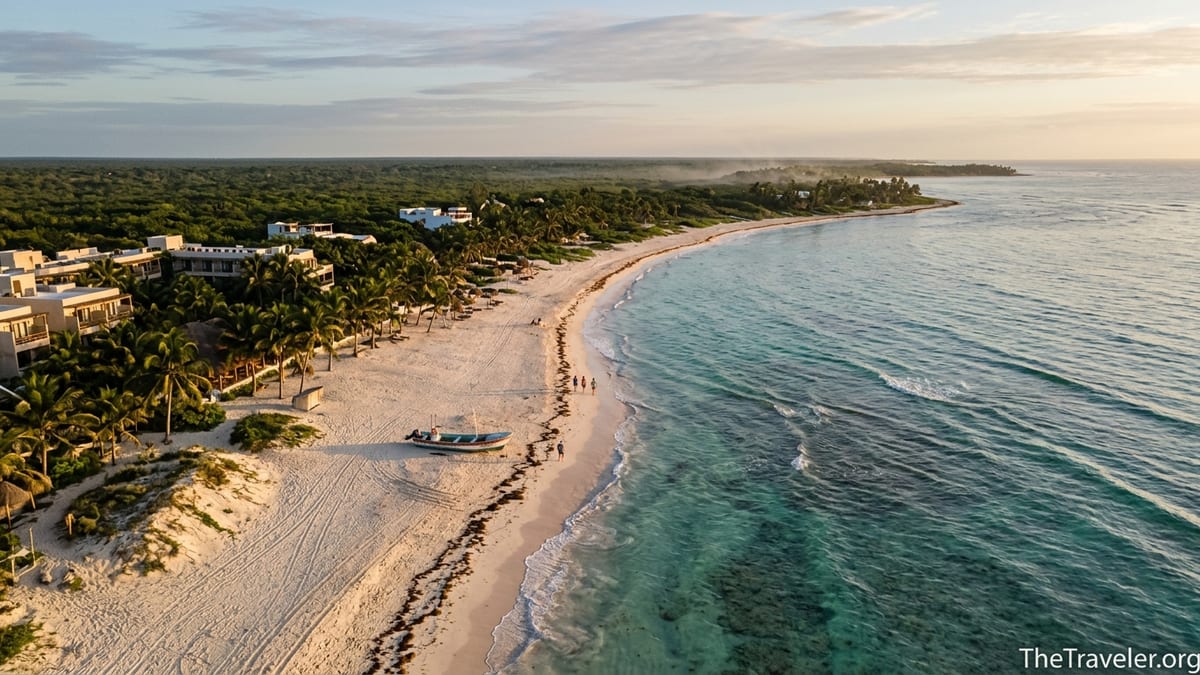
Quintana Roo is home to Cancún, Playa del Carmen, Tulum, Cozumel and the Riviera Maya resorts, all lined along Highway 307. This is the classic beach-and-resort side of the peninsula, with big all-inclusives in Puerto Morelos and Playa Mujeres, boutique hotels in Tulum Pueblo and Zona Hotelera, and quieter stretches like Xpu-Há or Akumal where sea turtles are often spotted near shore.
Northwest of Quintana Roo, Yucatán state has a different feel: fewer mega-resorts and more colonial cities such as Mérida, Valladolid and Izamal. Here you’ll find famous Mayan sites like Chichén Itzá and Uxmal within day-trip range, along with countless cenotes scattered through the countryside. Temperatures can be very hot from March to May, so plan sightseeing early in the morning whenever possible.
Campeche, the least visited of the three, rewards those with more time. Its pastel-colored capital city, San Francisco de Campeche, is a walled UNESCO-listed port with a relaxed pace and Gulf sunsets instead of Caribbean sunrises. Farther inland, Calakmul offers remote jungle ruins and wildlife viewing for travelers who want to go beyond the standard first-timer route.
Best Bases and Must-Visit Places for First-Timers
For a first trip focused on beaches and easy logistics, many travelers choose Cancún, Playa del Carmen or Tulum. Cancún’s Hotel Zone is lined with large resorts, both all-inclusive and room-only, with quick access from the airport, modern malls and nightlife. A couple on a short break might stay in a midrange hotel here and book day tours to Isla Mujeres, Chichén Itzá or cenotes, avoiding the need to rent a car.
Playa del Carmen, about 1 hour south of Cancún by ADO bus or private transfer, offers a more walkable center. Fifth Avenue (Quinta Avenida) is packed with restaurants and bars, and you can reach the ferry to Cozumel on foot from many downtown hotels. This makes Playa a practical base for travelers who want a mix of beach days, nightlife and simple onward trips to Cozumel, Akumal or cenotes like Cenote Azul.
Tulum is split between Tulum Pueblo (inland town) and the coastal hotel zone. The seaside ruins overlooking the Caribbean are a major draw, and nearby cenotes such as Gran Cenote and Cenote Calavera are easy half-day excursions. Accommodation ranges from eco-chic cabanas on the beach to budget guesthouses in town. First-timers on a moderate budget often stay in Tulum Pueblo for more affordable dining and then take taxis or rented bikes to the beach and ruins.
Inland, Valladolid is an increasingly popular small colonial city about 2 to 2.5 hours from Cancún. It is an ideal base if you want to visit Chichén Itzá in the early morning, swim at cenotes like Ik Kil, Suytun or Oxman, and still enjoy evenings in a walkable town square. Mérida, the largest city in the peninsula, suits travelers who prioritize culture, museums, markets and day trips to ruins such as Uxmal and Dzibilchaltún over time on the Caribbean coast.
Beaches, Cenotes and Mayan Ruins: What Not to Miss
The Caribbean coast between Cancún and Tulum is lined with accessible beaches, from the family-friendly shores of Playa Delfines in Cancún to quieter stretches near Puerto Morelos or Xpu-Há. Many public beaches have basic facilities like loungers for rent, simple seafood restaurants and lifeguards. Along parts of the coast, especially between March and September, seaweed (sargassum) can affect swimming conditions, so it is wise to check recent photos from hotels or local social media groups before choosing a base.
Cenotes are limestone sinkholes filled with freshwater, often crystal-clear and cool, making them a highlight of any Yucatán itinerary. Near Valladolid, cenotes like Suytun, Zací and Samulá are popular with visitors, while the Tulum area offers options like Gran Cenote, Dos Ojos and Cenote Casa Tortuga. Expect to pay a modest entry fee in Mexican pesos, and sometimes extra for life jacket rental or locker use. Many cenotes require a quick shower before entering the water to protect the delicate ecosystem.
Mayan ruins are scattered across the peninsula, from the famous to the lesser known. Chichén Itzá remains the marquee site and can be visited on a day trip from Cancún, Playa del Carmen or Valladolid. Arriving at opening time gives you a chance to see El Castillo and the Great Ball Court before large tour buses arrive and temperatures rise. Tulum’s seaside ruins are smaller but unforgettable for their clifftop setting, while Cobá, reachable from Tulum or Valladolid, sits in the jungle and can be explored by rental bike on wide internal paths.
First-timers with a strong interest in archaeology may add Uxmal, south of Mérida, or Ek Balam, near Valladolid, to their plans. These sites tend to be less crowded than Chichén Itzá and give a different sense of scale and style. At most ruins you will find licensed guides at the entrance offering tours in Spanish and English for a negotiated fee, which can add depth and context to what you are seeing, especially if you are new to Mayan history.
Airports, Transport and Getting Around
Cancún International Airport is the main gateway to the region, with direct flights from many North American and European cities. For most first-time visitors, it makes sense to arrive and depart from Cancún even if you plan to stay in Playa del Carmen or Tulum, as shuttle services, ADO buses and taxis are easy to arrange on arrival. Cozumel and Mérida also have airports with fewer international connections; they can work well if you find a convenient flight or are focusing on diving or the cultural heartland.
Public long-distance buses, especially the ADO company, connect Cancún Airport with Cancún city, Playa del Carmen, Tulum and Mérida. Travelers commonly pay the equivalent of around 15 to 25 US dollars for an airport-to-resort bus ticket, depending on route and class of service, with luggage stored under the bus and air conditioning on board. Bus schedules are fairly frequent during daytime, but late-night services can be limited, so check approximate departure times before you book flights.
Within resort areas, taxis are plentiful but can be relatively expensive versus local buses or colectivos (shared vans). For example, a short resort-area taxi ride that takes 10 minutes might cost the equivalent of 10 to 20 US dollars, while a colectivo on the same route could be just a few US dollars per person. Always confirm the fare with the driver before you set off, as most taxis do not use meters. In towns like Mérida or Valladolid, walking is often the most pleasant way to get around the historic center.
Renting a car is a practical option for independent travelers who want to visit several cenotes or ruins in one day. Major international agencies operate at Cancún Airport and in resort towns, alongside local companies. Fuel stations are common along main highways, and major roads are generally in good condition. If you drive, stick to daylight hours where possible, observe speed limits, and be prepared for occasional police checkpoints where you may be asked for your license and rental paperwork.
Safety, Scams and Health Considerations
For most visitors, the Yucatán Peninsula feels safer than many large cities elsewhere, with heavily patrolled tourist zones. Petty crime such as pickpocketing and bag snatching can occur in crowded areas like Cancún’s nightlife district or bus terminals, so standard precautions matter: keep valuables zipped away, avoid displaying large amounts of cash and be cautious with your phone in busy streets. Check your government’s current Mexico travel advisory shortly before departure for up-to-date guidance on specific regions.
Scams in tourist areas are usually low-level but annoying rather than dangerous. At airports and bus terminals, you may encounter aggressive timeshare pitches disguised as “information desks,” offering discounted tours in exchange for attending sales presentations. It is fine to simply decline and walk away. Around some attractions, taxi drivers or street vendors may quote inflated prices to foreigners; having a sense of going rates from your hotel or recent online reports can help you negotiate more confidently.
A particular point of confusion for first-timers is the Quintana Roo tourism tax, often referred to locally as Visitax. This is a state-level tax on foreign tourists that has led to third-party websites and occasional unofficial agents trying to collect payments in airports or hotels. To avoid problems, check with your hotel in advance on current procedures and be wary of anyone who pressures you to pay in cash on the spot without clear documentation. Policy and collection methods have been reviewed in recent years, so rely on current local advice rather than outdated blogs.
On the health side, heat and humidity are the main concerns. High daytime temperatures are common nearly year-round, so carry a refillable water bottle, wear a hat and take breaks in the shade. Many travelers use bottled or filtered water for drinking and tooth-brushing, and choose busy food stalls where turnover is high. Reef-safe sunscreen is recommended if you plan to swim in the sea or cenotes, and some cenotes will specifically ask visitors to avoid traditional sunscreen to protect the water quality. Standard travel insurance that covers medical care and cancellations is strongly recommended.
Costs, Money and Typical Daily Budgets
Overall, the Yucatán Peninsula can accommodate a wide range of budgets, but prices in tourist hot spots like Cancún’s Hotel Zone and parts of Tulum are higher than in inland cities. As a cautious estimate, a backpacker staying in hostel dorms, eating mostly at simple taco stands and using buses or colectivos might spend the equivalent of 40 to 70 US dollars per day. A midrange traveler in a comfortable hotel, dining at mid-priced restaurants and booking occasional tours could expect 100 to 200 US dollars per day, depending on season and activities.
Concrete examples help when planning. In a local taquería in Playa del Carmen or Mérida, three tacos and a soft drink might cost the equivalent of 5 to 8 US dollars, while a seaside restaurant in Tulum’s hotel zone could charge 20 to 30 US dollars for a main course. Entry to popular cenotes is typically priced at a level comparable to a modest museum ticket in Europe or North America, with extra fees for life vests, lockers or optional photo packages.
Many midrange hotels in Playa del Carmen or Tulum Pueblo offer double rooms with air conditioning and private bathrooms for around 70 to 150 US dollars per night, while high-end beach resorts and all-inclusives can easily exceed 300 US dollars per night in peak periods such as Christmas, New Year or Easter. Booking well in advance helps secure better rates, especially if you are traveling in December, February or March when demand from North America and Europe is highest.
Cash in Mexican pesos remains important for small purchases, colectivos, local buses, market snacks and cenote entrances. ATMs are widely available in cities and resort areas, often attached to bank branches or inside supermarkets and shopping centers. It is sensible to withdraw from machines associated with well-known Mexican banks and to have a backup card stored separately from your main wallet in case of loss or malfunction.
Entry Rules, Language and First-Time Mexico Tips
For many nationalities including the United States, Canada and much of Europe, tourist stays in Mexico of up to 180 days do not require a separate Mexican visa, though exact rules depend on your passport, residence and any existing visas you hold. Airlines typically ask for a valid passport with enough remaining validity for the duration of your trip, and Mexican immigration officers decide on your authorized length of stay when you arrive. Because rules can change, it is important to check the latest information from your nearest Mexican consulate or official immigration sources before you travel.
Spanish is the main language, although English is widely spoken in major tourist zones from Cancún to Tulum. In smaller towns such as Valladolid or Campeche and in local markets, some basic Spanish phrases go a long way. You will also encounter Mayan languages spoken in communities across the peninsula; learning at least a few polite Spanish greetings and courtesies shows respect and can improve your interactions with drivers, hotel staff and food vendors.
Cultural norms are generally warm and relaxed, but modest clothing is appreciated away from the beach, particularly in churches, local neighborhoods and small-town plazas. When visiting cenotes and ruins, follow posted rules, respect barriers and avoid climbing on structures that are not clearly open to the public. At busy attractions like Chichén Itzá, vendors may call out repeatedly; a simple “no, gracias” with a smile is an accepted way to decline.
Finally, build some flexibility into your schedule. While it is tempting to pack every day with tours, the heat and distances can be tiring. Plan for a mix of “big days” (for example, a full-day Chichén Itzá and cenote trip) followed by slower days on the beach or wandering local markets. This rhythm helps first-time visitors adjust to the climate and enjoy the peninsula’s atmosphere instead of rushing from one sight to the next.
The Takeaway
The Yucatán Peninsula brings together many of the reasons people fall in love with Mexico: luminous seas, ancient ruins, distinctive food and a welcoming culture. For first-time visitors, it offers an approachable introduction, with good infrastructure, multiple airports, established resort zones and plenty of English spoken where you are most likely to start.
By choosing the right base, understanding local transport options, budgeting realistically and taking simple safety and health precautions, you can move confidently between beaches, cenotes and archaeological sites. Whether you spend your days in Cancún, Playa del Carmen, Tulum, Mérida, Valladolid or a combination of all of them, the peninsula is well-suited to independent travel and organized tours alike.
Approach your trip with curiosity and respect, give yourself time to slow down, and you will find that the Yucatán Peninsula is not just a convenient entry point to Mexico but a destination rich enough to stand on its own. Many first-timers leave already planning their return, knowing there are always more cenotes to swim, ruins to wander and local dishes to discover.
FAQ
Q1. Is the Yucatán Peninsula safe for first-time visitors to Mexico?
The main tourist areas of Quintana Roo and Yucatán state are heavily visited and generally feel safe, especially if you use common-sense precautions. Stick to well-known neighborhoods, avoid walking alone on dark, quiet streets late at night, keep valuables secure and follow local advice on any areas to avoid at a given time.
Q2. Do I need a visa to visit the Yucatán Peninsula as a tourist?
Many travelers, including most visitors from the United States, Canada and much of Europe, do not need a separate Mexican tourist visa for short stays, but entry rules vary by nationality. Always check the latest requirements with your nearest Mexican consulate and travel with a valid passport, proof of onward travel and accommodation details.
Q3. What is the best time of year to visit?
Peak season runs roughly from December to April, when weather is generally drier and slightly cooler. May and early June can be very hot and humid, while hurricane season is officially June to November, with the highest storm risk typically in late summer and early autumn. Many first-timers aim for late November, February or March as a balance of good weather and manageable crowds.
Q4. Can I drink the tap water in the Yucatán Peninsula?
Most visitors stick to bottled or filtered water for drinking and brushing teeth, as tap water quality can vary and sudden changes can upset your stomach. Many hotels and guesthouses provide large filtered water dispensers where you can refill reusable bottles, which is both safer and more environmentally friendly than buying many small plastic bottles.
Q5. How much Spanish do I need to know?
In major tourist zones like Cancún, Playa del Carmen and Tulum, you can get by with very little Spanish because many staff and tour operators speak English. However, learning basic phrases such as greetings, numbers, how to order food and how to ask for prices will improve your experience, especially in markets, small towns and local eateries where English is less common.
Q6. Is it worth renting a car, or should I rely on buses and tours?
It depends on your style and budget. Buses, colectivos and organized tours work well if you are staying mainly in one or two bases and visiting popular sites. Renting a car gives you more flexibility to combine several cenotes or ruins in one day and to reach quieter beaches, but comes with added responsibilities such as driving in an unfamiliar place, parking and dealing with traffic checks.
Q7. What should I pack for a first trip to the Yucatán Peninsula?
Light, breathable clothing, a hat, swimsuit, quick-dry towel and comfortable walking shoes are essentials. Add reef-safe sunscreen, insect repellent, a reusable water bottle, photocopies of important documents and a small dry bag if you plan to visit cenotes or go on boat trips. A lightweight long-sleeved layer is useful in air-conditioned buses and restaurants.
Q8. Are cenotes suitable for children and non-swimmers?
Many cenotes are family-friendly, with life jackets available for rent and shallow entry areas or steps. However, water can be deep and cold, and surfaces can be slippery, so supervision is crucial. Choose cenotes known for easy access and facilities, ask staff for advice on safe zones, and consider a life jacket or float even for confident swimmers.
Q9. How much cash should I carry, and can I use credit cards?
Credit and debit cards are widely accepted in larger hotels, midrange and upscale restaurants, and many tour offices, especially in Cancún, Playa del Carmen and Tulum. That said, you will need cash in pesos for colectivos, small shops, market food, tips and many cenotes. It is practical to withdraw moderate amounts from bank ATMs every few days rather than carrying very large sums.
Q10. Can I visit Mayan ruins and the beach in a single day?
Yes, it is common to combine a morning at ruins with an afternoon at a beach or cenote, especially around Tulum or Valladolid. For example, you might visit the Tulum ruins when they open, then spend the afternoon on a nearby public beach or at a cenote just outside town. Just remember that midday heat can be intense, so plan ruins early and water activities later in the day.