


The Yucatán Peninsula looks compact on the map, but the feel of Cancún’s all inclusive towers could not be more different from a hammock on Holbox or a colonial townhouse in Mérida. Choosing the right base is the single biggest decision that will shape your trip. This guide compares the peninsula’s main hubs for beaches, ruins, nightlife, prices and transport so you can match places like Cancún, Playa del Carmen, Tulum, Valladolid, Mérida, Bacalar, Holbox and Campeche to your travel style and budget.
Get the latest updates straight to your inbox!
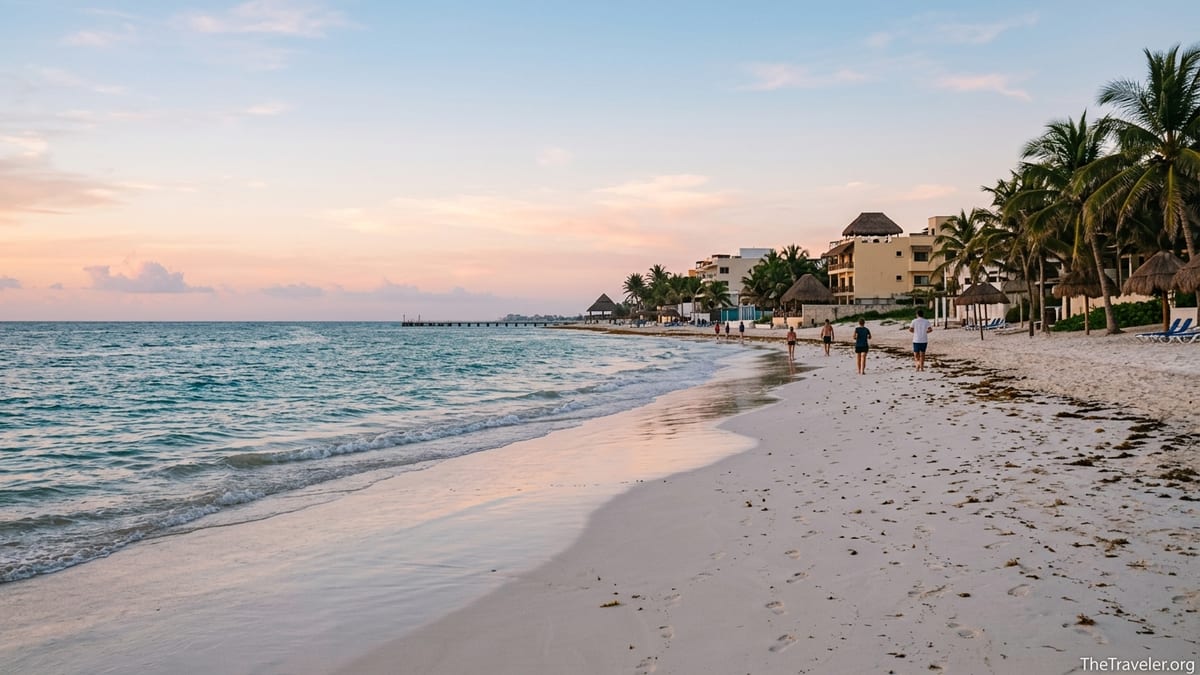
How to Think About Bases in the Yucatán Peninsula
Most visitors land at Cancún International Airport and then fan out along the Caribbean coast or inland toward the colonial cities. Distances look short, but in practice you are choosing between three very different regions: the Riviera Maya beach corridor from Cancún to Tulum, the inland colonial heart around Valladolid and Mérida, and the quieter south and west including Bacalar and Campeche. With limited days, picking one or two strong bases usually works better than trying to sleep in a new town every night.
Transport is relatively straightforward. The ADO bus network and smaller companies connect Cancún with Playa del Carmen, Tulum, Valladolid, Mérida, Bacalar and Campeche on frequent, air conditioned coaches, and journey times between major hubs are usually two to five hours. Colectivos, the white shared vans that run along the coast between Cancún, Playa del Carmen and Tulum and farther south, are cheaper but more basic and do not run on fixed timetables. Taxis and private transfers fill the gaps, while the new Tren Maya line is gradually adding rail options between some cities, though schedules and routes are still evolving.
Prices swing widely between destinations. As of 2026, it is common to see simple guesthouses in Valladolid or Campeche from around 30 to 50 US dollars a night, mid range hotels in Mérida or Playa del Carmen from roughly 80 to 150 dollars, and beachfront boutique rooms in Tulum or Holbox easily reaching 250 to 500 dollars or more in peak season. Food follows a similar pattern: a taco dinner in Mérida can cost less than a single cocktail at a Tulum beach club. Keeping these differences in mind as you choose bases can save hundreds of dollars over a week.
Safety is another factor. The Yucatán and Campeche states are generally considered among the calmer parts of Mexico, while Quintana Roo, including Cancún, Playa del Carmen and Tulum, sees more incidents linked to organized crime, with occasional shootings near bars and nightclubs. Authorities and foreign governments advise extra caution at night in these resort towns, especially around nightlife areas away from your hotel. Sensible precautions, such as using registered taxis, avoiding street drugs and sticking to lit, busy streets, go a long way.
Cancún: Easy Arrival, Big Resorts and Nightlife
Cancún works best for travelers who want a simple beach holiday with minimal logistics. The Hotel Zone, a long strip of sand lined with high rise properties, is where you will find big name all inclusive resorts, pool complexes and brand familiarity. A typical mid range all inclusive might run from 200 to 350 US dollars per night for two in winter high season, including meals and drinks, while luxury options can climb far higher. Many hotels have private sections of the broad, white sand beach, and the turquoise water is calm on good weather days, though sargassum seaweed can affect swimming in certain months.
Nightlife in Cancún is by far the most intense in the region. Clubs in the Hotel Zone operate with cover charges that often include open bar, and lines build up by late evening. For groups of friends or bachelor and bachelorette parties who want to dance, drink and have everything within a short taxi ride, Cancún is the most convenient choice. Daytime activities like jet skiing, parasailing and catamaran trips to nearby Isla Mujeres are sold from beach kiosks and hotel desks, making it easy to stay busy without extensive planning.
On the downside, Cancún feels the least Mexican of the peninsula’s hubs. Away from the small downtown, the Hotel Zone is dominated by international chains and malls, and eating in resort restaurants or touristy plazas is usually more expensive than in coastal towns farther south. You will rely on buses and taxis to get around the strip. For ruins, Cancún is not especially well placed. Chichén Itzá is around two and a half hours by road, normally visited on long day tours that add cenotes and buffet lunches, while closer sites like El Rey or the small Museo Maya de Cancún give only a taster of Maya history.
Cancún is a practical base if you are landing late or flying out early, or if you are traveling with family members who prefer an all inclusive environment with pools and kids clubs over independent exploration. Many itineraries work well with one or two nights in Cancún at the start or end and the rest of the trip based elsewhere.
Playa del Carmen: Central Hub With Balanced Beach and Nightlife
Playa del Carmen sits roughly one hour south of Cancún by bus and has evolved into the most flexible base on the Caribbean side. The core of town is built around Quinta Avenida, a pedestrian street one block inland from the beach, lined with restaurants, bars, boutiques and small hotels. Because the center is compact, you can walk from a mid range hotel on or near Quinta Avenida to the beach in under ten minutes, without relying on taxis. This alone makes Playa del Carmen attractive for travelers who dislike the spread out Hotel Zone in Cancún.
Prices in Playa del Carmen cover a wide spectrum. Simple rooms a few blocks off Quinta Avenida can start from roughly 50 to 70 US dollars per night, while beachfront boutique hotels and all inclusive resorts in the Playacar area on the south side often run 150 to 250 dollars or more. Eating is similarly flexible: you could have a plate of pastor tacos on a side street for a few dollars, then splurge on a seafood dinner or rooftop sushi the next night. Beach clubs rent loungers with a minimum spend that might be in the 20 to 40 dollar range, depending on season and location.
As a base for ruins and day trips, Playa is strong. Frequent colectivos and ADO buses make it easy to visit Tulum’s seaside ruins about an hour away, snorkeling spots like Akumal, eco parks such as Xcaret or Xel Há, and the ferry dock to Cozumel for diving and snorkeling outings. Chichén Itzá and Valladolid are longer day trips but still manageable on organized tours. You can spend three or four days in Playa with a mix of beach time and excursions without feeling stuck.
Nightlife in Playa del Carmen is lively but more varied than Cancún. Along the blocks of Quinta Avenida and the cross streets leading to the beach you will find casual bars, mezcalerías, rooftop lounges and smaller clubs rather than giant superclubs. That makes Playa a good compromise for couples and small groups who want a social atmosphere and some late nights without the full intensity of Cancún. Noise can be an issue near the busiest blocks, so light sleepers may want to book on quieter side streets or in Playacar.
Tulum: Boho Beaches, Cenotes and Ruins at a Price
Tulum divides opinion like nowhere else on the peninsula. On one side you have the original Tulum Pueblo, a normal Mexican town stretched along the highway with hostels, local taquerías and mid range hotels. A basic double room here might start at around 60 to 90 US dollars per night, and you can eat at taco stands for just a few dollars. On the other side is the beach and jungle hotel zone, a narrow coastal strip where boho chic design hotels and yoga retreats command 250 to 600 dollars a night or more, often plus mandatory resort fees and high restaurant prices.
The reason people come despite the cost is the setting. The clifftop Tulum ruins are one of the hemisphere’s most photographed archaeological sites, perched above a pocket of turquoise water. Dozens of cenotes, from the large open pools of Gran Cenote and Cenote Calavera to cave systems used by divers, lie within a short drive or bike ride, and beach clubs along the hotel zone offer sun beds, DJs and cocktails. For travelers who care more about atmosphere and design hotels than about strict budgeting, the Tulum area can still feel magical, especially away from the busiest holiday periods.
Nightlife is concentrated in the jungle section of the beach road and in Tulum Pueblo. Beach clubs host DJ nights and parties that often run late, with cover charges and minimum spends that can easily exceed 50 dollars on peak evenings, while in town you will find cheaper bars and live music. The flip side is that taxis between town and the beach can be costly, and traffic along the single coastal road is frequently congested. Many visitors either rent bikes, budget generously for taxis or rent a car to move independently.
As a base for ruins beyond the local site, Tulum gives you relatively quick access to Cobá, an important inland Maya city, and to the southern stretch of the Riviera Maya including Sian Ka’an Biosphere Reserve. However, journeys back toward Chichén Itzá, Valladolid or Mérida are long day trips. Tulum is best chosen by travelers whose priority is beaches, cenotes, yoga and nightlife rather than crisscrossing the peninsula.
Valladolid and Mérida: Colonial Cities and Access to Major Ruins
Head inland and the mood of the Yucatán shifts from beach resort to colonial city. Valladolid, roughly two hours from both Cancún and Mérida by bus, is a small, pastel colored town with a leafy central plaza, historic churches and cenotes within cycling distance. Because it is still more of a regional hub than a beach destination, prices remain moderate. You can find pleasant guesthouses or small hotels around the center from about 40 to 80 US dollars a night, and typical meals in local fondas often run under 10 dollars per person.
Valladolid’s big advantage is its proximity to Chichén Itzá and a cluster of cenotes and minor ruins. Chichén Itzá is about a 45 minute drive away, which means you can reach the site early, ahead of the tour buses coming from Cancún and Playa del Carmen, then continue to cenotes such as Ik Kil or lesser known options in surrounding villages. Buses and colectivos run between Valladolid and Chichén Itzá, and organized tours from town are usually cheaper than day trips from the coast. For travelers who care more about archaeology and local life than about the sea, Valladolid makes an excellent two or three night base.
Mérida, the capital of Yucatán state, is a much larger city and the region’s main cultural center. The historic core is filled with colonial mansions, museums and leafy plazas, and in the cooler evenings locals and visitors sit out in the main square or in neighborhood parks such as Plaza de Santa Lucía. Accommodation ranges from budget hostels starting under 30 US dollars to restored boutique houses and haciendas costing 150 to 300 dollars a night or more. Because Mérida is inland, prices for food and everyday shopping are generally lower than on the Caribbean, and you can eat very well in mid range restaurants specializing in Yucatecan dishes at reasonable cost.
For ruins, Mérida offers access to some of the peninsula’s most impressive sites other than Chichén Itzá. The Puuc route, centered on Uxmal about an hour and a half away, showcases ornate Maya architecture, and there are many smaller sites and cenotes reachable by rental car or on tours. Progreso, a beach town about 45 minutes by bus, gives Mérida residents a breezy coastal escape, but the sand and water are less dramatic than the Caribbean. Nightlife in Mérida is more about bars, live music and cultural events than clubs, which appeals to many couples and culture focused travelers.
Bacalar and Holbox: Quiet Water Worlds at the Edges
At the southern edge of Quintana Roo, near the Belize border, Bacalar sits on the edge of a long freshwater lagoon that shifts from pale turquoise to deep blue over shallow shelves and sinkholes. The town itself is small and quiet, with a central square, a historic fort and a scattering of cafes and simple restaurants. Many travelers come specifically for the lagoon, staying in small hotels or cabanas built along the shore. Basic rooms away from the water can start from around 50 to 80 US dollars a night, while waterfront eco lodges and boutique hotels more commonly range from 150 to 250 dollars and up, especially those with direct lagoon access, kayaks and paddleboards included.
Bacalar’s draw is serenity rather than nightlife. Days are spent kayaking, taking small boat trips to cenotes on the lagoon, or lazing in hammocks over the shallows. After dark, the town quiets, with just a few bars and casual eateries open late. There is no beach in the ocean sense, but the shallow, warm lagoon feels like a giant natural pool. Reaching Bacalar involves a longer journey: it is roughly four to five hours by bus from Tulum or Playa del Carmen, and even farther from Cancún, so it suits travelers with at least ten days who want a slower final stop.
On the opposite side of the peninsula, near its northern tip, Isla Holbox offers an island experience very different from the resort islands near Cancún. Holbox is reached by bus or shuttle to the small port of Chiquilá, then a short ferry ride. The island has sandy streets with few cars, long shallow beaches and colorful murals. Accommodation ranges from simple guesthouses a few blocks back from the sea, often from 70 to 120 US dollars, to romantic beachfront boutiques at 250 dollars and above. During whale shark season, roughly from late spring to early autumn, demand and prices rise as visitors come to join small boat tours out into the open sea.
Holbox has more of a backpacker and couples nightlife scene than Bacalar, with beach bars and small venues where people gather at sunset, but it is still mellow compared with Cancún or Playa del Carmen. Because the island is relatively remote, bad weather can disrupt ferry schedules and make the shallow beaches less appealing, so some travelers prefer to plan Holbox for the drier months or keep dates flexible. As a base, Holbox is best for those who are happy to slow down, accepting that day trips to mainland ruins and cenotes are impractical from the island.
Campeche: Walled City and Gateway to Lesser Known Ruins
On the Gulf Coast, well west of the Riviera Maya, Campeche feels like a different world again. The historic center is a UNESCO listed walled city of brightly painted houses, bastions and seaside promenades. Compared with the Caribbean towns, tourism here is still relatively low key. You can stroll the streets in the evening without the crush of tour groups, and prices reflect the slower pace. Charming colonial hotels in the center often start around 50 to 100 US dollars per night, and eating in local seafood restaurants along the malecón tends to be very good value.
Campeche’s beaches are not the reason to come. The coastline is more about small fishing communities and mangroves than postcard swimming spots, and the Gulf water is murkier than the Caribbean. Instead, Campeche draws travelers who are interested in architecture, history and access to less visited Maya sites inland. Archaeological zones such as Edzná can be visited on day trips, while the distant jungle ruins of Calakmul, on the border with Guatemala, usually require an overnight stop or organized expedition, often starting from other towns in Campeche state.
Nightlife in Campeche is quiet, focused on evening strolls, family friendly plazas and a handful of bars and cafes. For many travelers this is a feature, not a bug, especially at the end of a busy itinerary. Because flight connections are more limited than Cancún or Mérida, Campeche works best in a loop itinerary that includes inland Yucatán, or for those who do not mind longer bus journeys. The city’s calmer security situation compared with some Caribbean resort zones also appeals to visitors looking for a peaceful stay.
As a base, Campeche pairs well with Mérida or Valladolid for travelers interested in a deeper look at colonial and Maya heritage, rather than a strictly beach focused holiday. With time, you could spend three or four nights here, using buses or a rental car to explore nearby villages, coastal drives and secondary archaeological sites that see far fewer tour buses than Chichén Itzá or Tulum.
Matching Destinations to Your Budget and Travel Style
When you compare these bases directly, patterns emerge. If your priority is a straightforward beach holiday with resort comforts and full scale nightlife, Cancún’s Hotel Zone is the simplest option, though not the cheapest once you factor in all inclusive rates and club nights. Playa del Carmen offers a more walkable town and easier independent dining, still with good nightlife and beach access, and at generally lower prices than Tulum’s beach strip. Tulum appeals to design conscious travelers and those who want cenotes and yoga studios within easy reach, but accommodation and dining here can absorb a disproportionate share of a trip budget.
Travelers focused on ruins, cenotes and culture rather than beaches will usually be happier basing themselves inland in Valladolid or Mérida for at least part of their stay. From these cities you can reach Chichén Itzá, Uxmal and many smaller sites early in the day, return for evenings in atmospheric plazas and stretch your budget further with local priced food. Adding a quieter base such as Bacalar, Holbox or Campeche introduces variety: a lagoon sunrise in Bacalar, a whale shark excursion from Holbox in season, or a sunset along Campeche’s malecón after a day in its old town walls.
Transport costs are lower than in many other regions, which makes mixing two or three bases realistic on trips of ten days or more. As rough examples, a bus ticket from Cancún Airport to Playa del Carmen often costs less than a typical airport taxi ride in a large European or North American city, and the route from Playa del Carmen to Tulum or Valladolid is similarly affordable by ADO or colectivo vans. Longer legs such as Mérida to Bacalar, or Tulum to Campeche, take most of a day but remain budget friendly on intercity coaches. Private transfers, while more expensive, can make sense for groups or for late night arrivals.
If you are planning on driving, the Yucatán Peninsula is one of Mexico’s more straightforward regions, with mostly flat, well maintained highways. Even then, many visitors prefer to mix one or two rental car days for specific excursions with buses and shuttles for the longer hauls, rather than keeping a car parked at a beach hotel for a week. Whatever mix you choose, factor in travel days between bases so you do not feel rushed, and consider starting or ending near your departure airport if you have an early or late flight.
The Takeaway
No single base is objectively best in the Yucatán Peninsula. Cancún excels for resort convenience and nightlife, Playa del Carmen for a walkable beach town with easy day trips, and Tulum for stylish hotels near cenotes and a famous seaside ruin. Inland, Valladolid and Mérida open the door to world class archaeological sites and colonial plazas at friendlier prices, while Bacalar and Holbox offer quieter water worlds far from the big resort feel. Campeche, meanwhile, stands apart as a colorful, lesser known walled city on the Gulf, ideal for travelers who prioritize history and a slower rhythm.
The right choice depends on what you picture when you imagine a successful trip. If that image involves long nights out, pick Cancún or Playa. If it is sunrise over ruins and evenings in a leafy square, look inland to Valladolid or Mérida. For lagoon hammocks, consider Bacalar, and for island sunsets Holbox. With ten days or more you can comfortably combine a Caribbean base, an inland colonial city and a quieter finale, seeing how dramatically the peninsula changes with a few hours on the road.
Whatever bases you choose, keep expectations realistic about travel times, build rest days into your schedule and be prepared to adjust plans slightly for weather, especially during the June to November rainy and hurricane season. With a flexible mindset and the right home base, the Yucatán rewards return visits, each time from a different angle: perhaps Cancún on your first trip, a Mérida and Campeche loop on your second, and a Holbox and Bacalar combination when you crave quiet. The peninsula is large enough to keep surprising you, but compact enough that your choice of base will always matter.
FAQ
Q1. If I only have one week in the Yucatán Peninsula, where should I base myself?
For a first trip with seven nights, many travelers split their time between Playa del Carmen and either Valladolid or Mérida. Three or four nights in Playa gives you a walkable beach town, easy access to cenotes, Cozumel and Tulum, plus a range of dining and nightlife. The remaining nights inland let you see Chichén Itzá and other ruins without long resort based day trips, and you will experience a more local side of Yucatán life.
Q2. Which base is best if I care most about visiting Maya ruins?
If ruins are your top priority, staying inland is usually best. Valladolid puts you closest to Chichén Itzá and several major cenotes, while Mérida gives access to the Puuc route around Uxmal and many smaller archaeological sites. You can still add a few beach days before or after in Cancún, Playa del Carmen or Tulum, but sleeping inland will cut travel times and allow early starts at the sites.
Q3. Where should I stay for the best nightlife in the Yucatán Peninsula?
Cancún has the most intense club scene, especially in the Hotel Zone, with large venues, international DJs and open bar nights that run late. Playa del Carmen offers a more varied and slightly more relaxed mix of bars, rooftops and smaller clubs along Quinta Avenida. Tulum’s nightlife focuses on beach clubs and jungle parties that can be expensive but atmospheric. Bacalar, Holbox, Valladolid, Mérida and Campeche are generally much quieter after dark.
Q4. Which destinations are better for lower budgets?
Inland cities such as Valladolid and Mérida, and to a degree Campeche, tend to offer the best value for money on accommodation and food. You can find simple but comfortable rooms from around 30 to 50 US dollars and eat well at local restaurants for modest prices. On the coast, staying in Tulum Pueblo rather than the beach zone, or choosing small guesthouses a few blocks from the sea in Playa del Carmen, helps keep costs down compared with beachfront boutiques or large all inclusive resorts.
Q5. Is it realistic to visit both Bacalar and Holbox on one trip?
It is possible, but you need enough time and should be comfortable with longer travel days. Bacalar lies far south near the Belize border, while Holbox sits off the north coast, so reaching both from Cancún involves multiple bus legs and a ferry. With two or more weeks you could combine a Caribbean base, an inland stay and both water worlds. With ten days or less, most travelers are happier choosing one or the other to avoid spending too much time in transit.
Q6. Do I need a rental car to explore the Yucatán Peninsula properly?
A rental car is helpful but not essential. For many visitors, buses, colectivos and organized tours are enough to reach major ruins, cenotes and towns, especially along the Riviera Maya and between Cancún, Valladolid and Mérida. Driving offers more flexibility for remote sites and rural cenotes, but you should be comfortable with local road conditions, tolls and checkpoints. A common compromise is to use buses for long transfers and rent a car for a limited number of days around a specific base.
Q7. Which base is best for families with young children?
Many families choose Cancún or Playa del Carmen for their first visit. Cancún’s all inclusive resorts typically have kids clubs, shallow pools and direct beach access, which can simplify logistics. Playa del Carmen adds the advantage of a compact, walkable town and easy day trips to animal focused attractions and eco parks. Families who prefer quieter settings might enjoy a lagoon front hotel in Bacalar or a spacious rental in Mérida with access to nearby cenotes and the calmer Progreso beach.
Q8. How should I factor in seasonal weather when choosing a base?
The dry, cooler season from roughly December to March is generally the most comfortable, especially on the Caribbean coast, but it is also the busiest and most expensive. From June to November, higher humidity, rain showers and the risk of tropical storms and hurricanes increase, which can affect ferry services to Holbox and sea conditions on exposed beaches. In wetter months, some travelers favor inland bases like Valladolid and Mérida, where heavy rain showers are common but quickly pass, and activities at ruins and in cities are less weather dependent than beach days.
Q9. Is it safe to stay in Cancún, Playa del Carmen and Tulum given news reports?
These resort towns do see more reported incidents than smaller inland cities, often linked to nightlife areas and criminal disputes, and there have been occasional high profile cases near tourist zones. However, the vast majority of visitors complete their trips without serious problems. Choosing reputable accommodation, using official taxis or prebooked transfers at night, avoiding street level drug purchases and staying aware of your surroundings, particularly in and around clubs, are sensible precautions. Many travelers seeking a calmer feel choose to combine a short stay on the coast with longer time in Mérida, Valladolid, Bacalar or Campeche.
Q10. How many bases should I plan for a 10 to 14 day trip?
For ten to fourteen days, two or three bases usually work best. A common pattern is to start with a Caribbean base such as Cancún, Playa del Carmen or Tulum for beaches and cenotes, then move inland to Valladolid or Mérida for ruins and colonial plazas. With extra days you can add a quieter finale in Bacalar, Holbox or Campeche. Trying to sleep in five or six different towns in two weeks often leaves travelers tired and feeling that they spent more time packing and riding buses than experiencing the places themselves.