


More news on this day
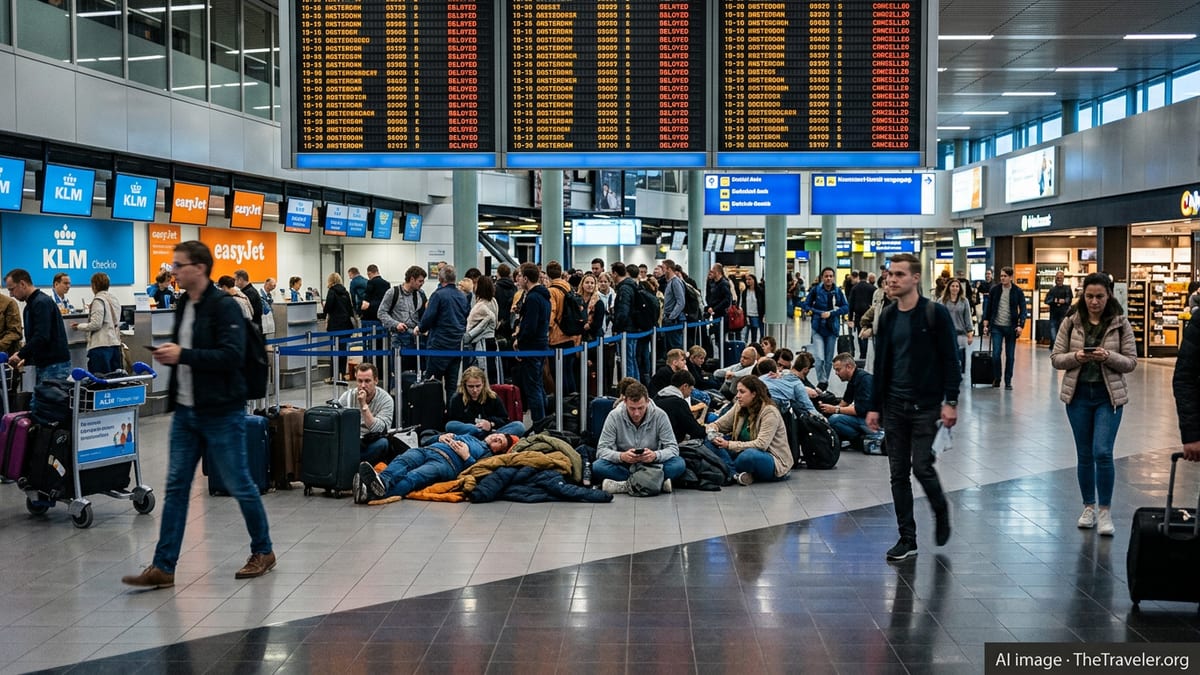
Passengers traveling through Zurich Airport on June 14 faced widespread disruption as four flight cancellations and around 235 delays hit services operated by Finnair, Air Baltic, KLM and Swiss partner Helvetic Airways, affecting links to Amsterdam, Copenhagen, Venice, Helsinki and Berlin at the start of the busy summer travel period.
Get the latest news straight to your inbox!
Technical Bottlenecks Ripple Through Zurich Operations
According to published airport performance data, Zurich Airport has recently been managing a series of capacity constraints and technical issues in the wider Swiss airspace that have reduced schedule resilience. Air traffic control provider Skyguide reported a software-related capacity bottleneck in recent weeks, which limited the flow of arrivals and departures and left airlines with little spare room to recover from even minor operational glitches.
Publicly available information on airport punctuality indicates that while Zurich typically maintains a relatively strong on time record, spikes in delays can emerge quickly when airspace capacity is reduced and runway use must be metered. On days of disruption, aircraft are often held on the ground at origin airports or placed into extended holding patterns on approach to Zurich, creating cascading delays across the network.
The latest disruption saw that pattern repeated, with Finnair, Air Baltic, KLM and Helvetic all registering late-running flights and a small number of outright cancellations from their Zurich schedules. The impact was felt not only on point to point routes, but across multi leg itineraries that rely on precise connection times in Amsterdam, Copenhagen and Helsinki.
Routes to Key European Hubs Hit Hard
Travel corridors linking Zurich with Amsterdam, Copenhagen, Venice, Helsinki and Berlin were among the most affected as the day progressed. These cities function as important gateway hubs or major leisure destinations, so any extended delays can leave passengers stranded mid journey or arriving too late for onward rail and air connections.
KLM’s services between Zurich and Amsterdam feed into one of Europe’s largest long haul networks. Even when only a single Zurich rotation is cancelled, knock on effects can reach flights bound for North America, Africa and Asia as missed connections force rebooking. Reports from flight tracking dashboards showed Zurich Amsterdam sectors operating with extended ground times and departure slots pushed back well beyond scheduled times.
On the northern flank, Finnair’s links from Zurich to Helsinki were similarly pressured. Helsinki acts as a transfer point for Nordic and northeast Asian routes, and delay patterns at Zurich translated into missed evening connections further east. Air Baltic, which has been expanding its role as a regional partner in Switzerland, experienced schedule slippage on flights feeding into Baltic and Scandinavian destinations, compounding the challenges for passengers trying to reach Copenhagen and Berlin.
Leisure travelers heading to Venice and Berlin faced their own complications. With many itineraries built around weekend city breaks or cruise departures, even a few hours of delay can undermine hotel check in plans or port transfers, forcing families and tour operators to make rapid adjustments.
How Four Cancellations Led to 235 Delays
Operational data from airline monitoring services show that the number of cancelled flights on the day was relatively limited, with four cancellations recorded for Finnair, Air Baltic, KLM and Helvetic combined. However, the same datasets indicate that more than 200 services connected to Zurich suffered measurable delays, underlining how a handful of schedule breaks can destabilize a tightly timed European network.
When a flight is cancelled from Zurich, aircraft and crew that were meant to operate subsequent sectors can quickly fall out of position. Airlines may attempt to reassign aircraft or consolidate services, but crew duty limits and airport slot constraints restrict how quickly they can recover. As a result, later flights in the day to cities such as Amsterdam, Copenhagen or Helsinki may still operate, but with late departures and extended arrival times.
Passenger compensation rules in Europe also play a role in how disruptions unfold. Under EU and Swiss regulations, travelers on flights departing from Zurich or operated by European carriers may be entitled to fixed compensation and care if they experience long delays or cancellations. While these frameworks provide important consumer protection, they also add cost pressures that discourage carriers from proactively cancelling early flights, sometimes leading instead to a wave of rolling delays across the schedule.
In this instance, publicly available performance data suggest that airlines sought to preserve as much of the network as possible, accepting significant delays on multiple routes rather than issuing large numbers of cancellations. That strategy helped keep more destinations technically served, but left many passengers facing missed connections and late night arrivals.
Implications for Summer Travelers in and out of Zurich
The timing of the Zurich disruption is particularly sensitive, as June marks the ramp up of Europe’s peak summer travel season. Flights to coastal destinations such as Venice and cultural capitals like Berlin are heavily booked, and load factors on hub routes to Amsterdam, Copenhagen and Helsinki are rising as leisure and business demand converge.
Travel analysts note that when airports enter the peak season with limited spare capacity, external shocks such as weather, technical outages or air traffic control restrictions can quickly cascade into large scale operational issues. Zurich’s role as Switzerland’s main international gateway means that even short lived disruptions can temporarily reshape travel patterns across a broad swath of northern and central Europe.
Publicly available guidance for travelers suggests building extra buffer time into itineraries that rely on tight connections through European hubs. For those connecting in Amsterdam, Helsinki or Copenhagen from a Zurich originating flight, a longer layover can help absorb delays without requiring full rebooking. Passengers traveling to cruise departures in Venice or group tours in Berlin are also advised, in general, to consider arriving a day early when possible.
The latest wave of disruptions underlines the importance for travelers of monitoring flight status in real time on the day of departure and remaining flexible about routing options. With multiple partner airlines operating overlapping networks across northern Europe, rerouting via alternative hubs such as Munich, Frankfurt or Vienna can sometimes offer a faster path than waiting for a heavily delayed Zurich service to depart.
What the Disruptions Signal About Zurich’s Resilience
Recent events at Zurich Airport highlight both the strengths and vulnerabilities of the hub. On one hand, overall punctuality scores in recent months place Zurich among Europe’s more reliable airports, supported by modern infrastructure and coordinated airline operations. On the other hand, the concentration of traffic in a constrained airspace, combined with reliance on a single national air navigation provider, means that technical issues can have outsized effects.
Industry observers point to the need for continued investment in air traffic control systems, staffing and contingency planning to enhance resilience against software glitches and peak demand surges. The interaction between Zurich’s home carriers and partner airlines such as Helvetic, Air Baltic, Finnair and KLM also creates complex dependencies that require careful coordination when irregular operations emerge.
While the latest disruption is unlikely to deter travelers from using Zurich as a gateway, it is a reminder that even highly rated hubs can experience sudden bouts of congestion and delay. For passengers, the practical takeaway is to anticipate that four cancellations can, under the right circumstances, translate into more than 200 delayed flights across Europe, with knock on effects stretching far beyond the Swiss border.
As the summer season progresses, performance data from Zurich and its partner airlines will offer an important signal of how effectively the airport system has adapted to recent stresses. Travelers heading for Amsterdam’s canals, Copenhagen’s harborside, Venice’s lagoon, Helsinki’s waterfront or Berlin’s cultural districts will be watching closely to see whether the latest episode proves an isolated spike or an early warning of a more turbulent summer.