


More news on this day
For Canadian travelers watching a softening dollar and rising airfares, 2026 is still shaping up as a year when a modest budget can stretch surprisingly far in certain corners of the world. New cost indexes and destination reports point to a cluster of countries where careful planners can cover beds, basic meals and local transport for as little as about 22 Canadian dollars a day once on the ground.
Get the latest news straight to your inbox!
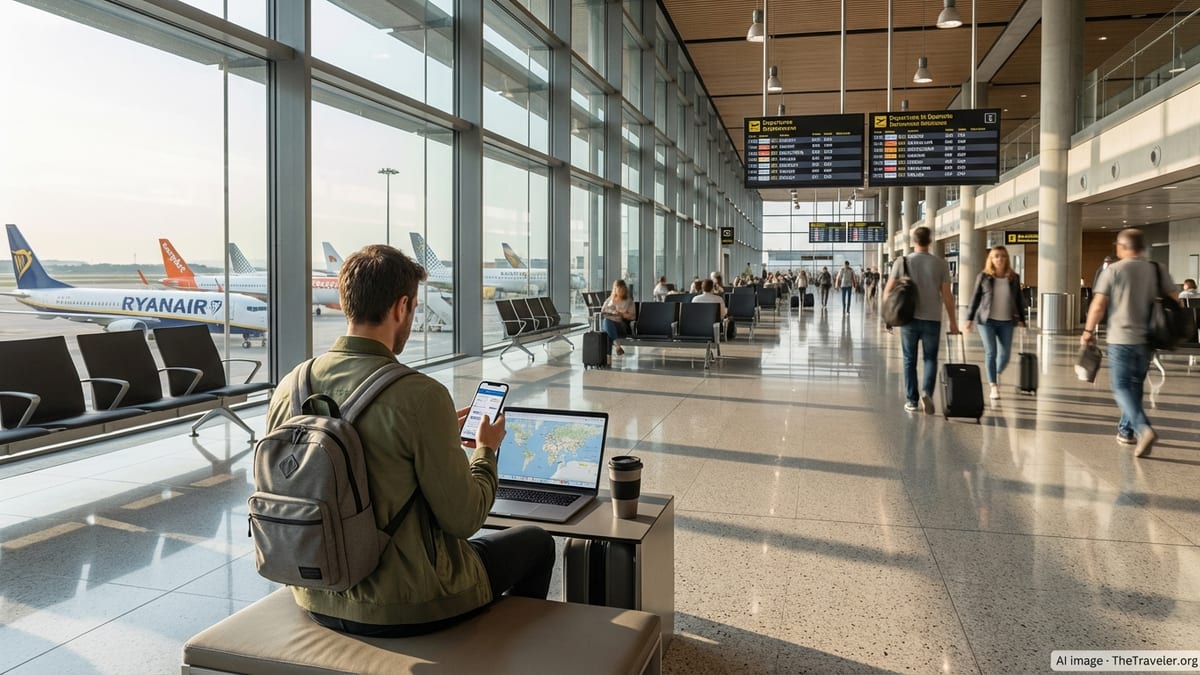
Why 22 Dollars Still Goes Far Abroad In 2026
Travel price trackers and backpacker spending diaries published over the past year show that, despite global inflation, a handful of destinations remain markedly cheaper than Canada for day-to-day expenses. Hostel beds under 15 dollars, street meals below 3 dollars and public transport fares under 1 dollar remain common in several Asian, Balkan and Latin American markets. For Canadians able to secure discount long-haul flights or use points, the main savings now come after landing.
Most of the lowest daily budgets cited for 2026 hover between 16 and 22 US dollars for ultra-frugal travelers, which converts to roughly 22 to 30 Canadian dollars at recent exchange rates. Those figures typically assume shared hostel accommodation, local eateries instead of international chains, and buses or metro systems rather than taxis. They also exclude long-distance flights and comprehensive travel insurance, which Canadian advisors increasingly recommend budgeting separately.
Travel cost barometers and regional guides indicate that the cheapest countries share several traits: weaker local currencies against major dollars, strong informal food scenes, dense intercity bus or train networks and growing competition among small guesthouses. For Canadians, an additional factor is the number of low-cost carriers or competitive routes linking major hubs like Toronto and Vancouver to these regions, which can turn an inexpensive destination on paper into an attainable one in practice.
Vietnam, Laos and Cambodia Anchor Budget-Friendly Southeast Asia
Vietnam continues to feature prominently in 2025 and 2026 budget rankings, with multiple travel budget guides suggesting that determined backpackers can still get by on around 20 to 30 US dollars a day, or roughly 27 to 40 Canadian dollars, depending on route and season. Published breakdowns typically allocate about 8 to 15 US dollars for hostel beds, 5 to 10 dollars for street food and simple restaurant meals, and a few dollars more for buses, coffee and occasional admissions.
Laos is frequently cited by experienced budget travelers as one of the very cheapest countries worldwide, particularly for slow-paced itineraries focused on a few towns. Recent cost rundowns show dorm beds in Vientiane and Luang Prabang often starting below 10 US dollars, and local meals for 2 to 3 dollars, which keeps a disciplined daily total close to the 22-dollar Canadian threshold if travelers limit paid tours and bar spending.
Cambodia rounds out the Indochina trio with similar numbers. Reports indicate that travelers who base themselves in cities such as Phnom Penh, Kampot or Siem Reap and favor guesthouses outside the busiest tourist strips can regularly find double rooms in the 15 to 25 US dollar range and meals under 4 dollars. Intercity buses remain inexpensive by Canadian standards, although published coverage notes that comfort and reliability vary.
For Canadians planning 2026 trips, these three countries are often bundled into longer regional routes. Travel diaries suggest that those who spend more time in lower-cost towns and travel overland between borders can keep their average daily spend close to the low 20s in Canadian dollars over a month, even if specific capital-city days cost more.
Indonesia, Philippines and Sri Lanka Offer Island Value
Beyond mainland Southeast Asia, island and coastal destinations continue to appeal to Canadians looking for lower daily budgets than resort-centric hot spots in the Caribbean or Mediterranean. In Indonesia, cost-of-travel analyses show that daily expenses drop sharply outside of heavily commercialized pockets of Bali. Travelers staying in locally run guesthouses on Java, Lombok or lesser-known islands report combined accommodation and food costs under 25 US dollars a day, particularly when they rely on regional buses and ferries.
The Philippines, long regarded as slightly pricier than some neighbors for transportation, still offers low per-day spending in select regions. Recent traveler reports mention hostel dorms in smaller cities and islands for under 15 US dollars and rice-based meals around 2 to 3 dollars. Canadians who cluster their stays in one or two island groups, instead of flying repeatedly across the archipelago, can keep transportation costs compatible with a 22 to 30-dollar Canadian daily target.
Sri Lanka has emerged again in 2025 and 2026 backpacker indices after a period of political and economic instability that initially disrupted tourism. Publicly available cost breakdowns suggest that travelers using the country’s extensive train and bus network and eating at local canteens still manage daily expenses in the low to mid 20s in US dollars. Affordable guesthouses along the south coast and in hill-country towns have helped keep average budgets in line with or below many European beach destinations.
Analysts note that in these island and coastal markets, seasonality plays a larger role than in mainland hubs. Canadians visiting outside peak holiday periods typically find better deals on rooms and tours, which can be decisive for meeting a 22-dollar-per-day goal.
Eastern Europe and the Balkans Remain Surprisingly Affordable
While much of Western Europe has drifted out of range for strict backpacker budgets, several Balkan and Eastern European countries still appear on annual lists of cheapest destinations. In countries such as Albania, Bosnia and Herzegovina, North Macedonia and Serbia, recent regional surveys show average daily costs for budget travelers commonly between 30 and 45 euros, with the bottom of that range achievable for those prioritizing dorms and self-catering.
For Canadians converting from the euro to Canadian dollars, those figures translate to a per-day spend that is higher than some Asian markets but still well below typical costs in cities like Toronto or Vancouver. Long-distance buses between coastal areas and interior capitals remain competitively priced, and local bakeries and produce markets help hold down food spending. Travelers who choose second-tier cities instead of main tourist centers such as Dubrovnik report especially strong value.
Published advice suggests that the key for keeping Balkan days close to the 22-dollar mark is reducing paid activities and focusing on free or low-cost outdoor attractions like hiking, lakes and historic town centers. Canadians who travel as pairs or small groups and share private rooms can often match or undercut solo-dorm prices, bringing per-person accommodation costs closer to Asian levels.
These destinations also benefit from an increasing number of seasonal routes from major European hubs, which can be advantageous for Canadians using a transatlantic stopover. While flights often remain the largest single expense, ground costs in the Balkans keep total trip budgets competitive with domestic Canadian holidays in 2026.
Latin America and North Africa Add More Low-Cost Options
Travel budget overviews for 2025 and 2026 frequently highlight a cluster of countries in Latin America and North Africa where day-to-day expenses rival or undercut Southeast Asia once travelers have arrived. In Central America, Nicaragua and Guatemala often appear among the lowest-cost options, with backpacker-oriented areas reporting hostel beds from roughly 10 US dollars and simple meals around 3 to 4 dollars. Public intercity buses and shared shuttles can keep transport costs moderate, though safety considerations influence how and when travelers move around.
In South America, Bolivia continues to stand out in published cost comparisons. Reports from recent visitors suggest that, outside a few high-altitude and tour-oriented areas, basic private rooms and set lunches remain available at prices that keep total daily spend within the equivalent of 25 to 35 Canadian dollars. Peru and Colombia, although somewhat more expensive in major cities, still offer pockets of similar value in secondary destinations and rural regions.
On the opposite shore of the Atlantic, Morocco regularly appears in low-cost rankings for Canadians and Europeans alike. Market meals, family-run riads outside the busiest medina streets, and an extensive long-distance bus network contribute to daily budgets that many sources place in the 25 to 40 US dollar range for budget travelers. Tunisia, though less widely reported on, shows comparable pricing in hotel and food surveys, particularly in coastal resort towns outside peak holiday weeks.
Analysts caution that while these regions broadly meet the 22-dollar-per-day benchmark on paper, Canadians should factor in higher upfront costs for comprehensive travel insurance and, in some cases, vaccinations or specialized gear. Political developments and infrastructure pressures can also affect prices and availability year to year, making up-to-date local checks advisable during trip planning.
How Canadians Can Turn Price Data Into Real Savings
Across these 11 lower-cost countries, travel data published for 2025 and 2026 underscores that the largest savings come from how Canadians travel, not only where they go. Travelers who slow their pace, favor local food and transport, and accept basic rooms are still achieving ground budgets close to 22 Canadian dollars a day in the cheapest markets, particularly in Southeast Asia and parts of Latin America.
For many, a more realistic working figure is closer to 30 or 35 dollars daily to allow for occasional splurges, higher city prices and unexpected expenses. Cost indexes emphasize that trying to hit the absolute floor of published ranges can lead to underfunded trips, especially when exchange rates move unexpectedly or local inflation accelerates. Travel planners generally recommend building in margin and treating the 22-dollar figure as a baseline for comparison rather than a strict cap.
Recent guidance aimed at Canadian travelers also highlights the growing role of digital tools in keeping costs in check. Price-tracking apps, no-foreign-fee credit cards, and local transit and food-delivery platforms can all help visitors identify cheaper options that might not appear in traditional guidebooks. At the same time, responsible tourism advocates urge visitors to avoid pushing prices unsustainably low in communities already under cost pressure, particularly when negotiating with small guesthouses or street vendors.
With those caveats, publicly available reports for 2026 suggest that careful Canadian travelers still have a broad map of affordable choices. By focusing on countries where ground costs remain structurally lower and aligning their travel style with local price realities, it remains possible for many to see the world on a budget that begins around 22 dollars a day once they arrive.