


More news on this day
More than 200 easyJet passengers were left stranded in Morocco after a Manchester-bound flight was cancelled, according to multiple media and passenger reports, renewing scrutiny of how airlines manage large-scale disruption on busy leisure routes.
Get the latest news straight to your inbox!
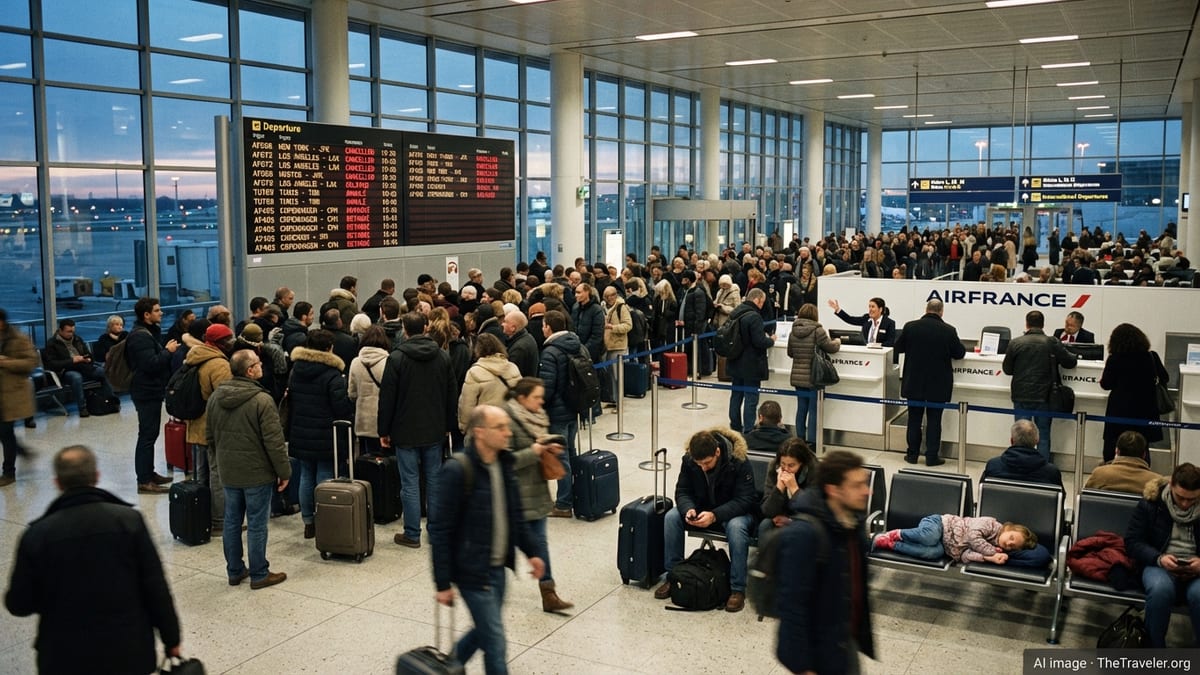
Cancellation Leaves Manchester-Bound Travelers Stuck Overnight
Reports from UK and Moroccan travel forums, local media and flight-tracking data indicate that an easyJet service from Morocco to Manchester was cancelled shortly before or around its planned departure, leaving more than 200 passengers without an immediate route home. The flight had been scheduled to operate to Manchester, a key hub for UK leisure traffic returning from North Africa at the start of the summer season.
Publicly available information suggests that passengers learned of the cancellation relatively late in the day, when many were already at the airport. With alternative same-day options limited from Moroccan airports to northern England, the cancellation rapidly created a backlog of travelers competing for scarce seats on subsequent services or on indirect routings via other European gateways.
Travelers posting online described uncertainty about when they might be able to leave, as the next available easyJet services were heavily booked and competing UK and European carriers were also operating near capacity. Some passengers reported being told that onward travel might not be possible until at least the following day, with families and older travelers particularly affected by the lack of immediate options.
The disruption comes at a time when North African destinations such as Marrakech and Agadir have been drawing strong demand from UK holidaymakers, increasing pressure on airlines to maintain reliability on these routes. A single cancellation on a busy evening departure can therefore strand entire aircraft loads of passengers in resort areas far from home.
Accommodation, Meals and Rebooking Become Flashpoints
Accounts shared by stranded passengers indicate that accommodation and meal arrangements quickly emerged as the most pressing concerns. With many hotels in popular Moroccan cities already busy, some travelers struggled to secure last-minute rooms near the airport, while others reported long waits for confirmation on whether the airline would provide or reimburse overnight stays.
Under UK and EU consumer rules that continue to apply to UK-based carriers on many international routes, airlines are generally required to offer care and assistance, including reasonable meals and hotel accommodation, when passengers are left waiting for replacement flights after a cancellation. Passenger advocacy groups note that this duty of care applies regardless of the reason for the disruption, even where compensation itself may not be owed.
In practice, however, reports from Morocco suggest that communication about entitlements was inconsistent. Some travelers said they were offered hotel vouchers and transfers, while others described paying out of pocket for rooms, food and transport because they were unsure whether assistance would be forthcoming or feared that available accommodation would sell out.
Rebooking also proved challenging. With limited capacity remaining on direct services to Manchester, many passengers were reportedly offered or independently booked itineraries involving connections in European hubs such as Paris or Spanish airports, adding further time and complexity to their journeys home. For those traveling with young children or with fixed work or school commitments, even a 24-hour delay carried significant knock-on effects.
Recent easyJet Disruptions Put Airline Reliability Under Spotlight
The Morocco incident follows a series of widely reported disruptions involving easyJet flights serving Manchester and other UK airports in recent months. Separate coverage has highlighted passengers left behind in Milan after EU border-control queues caused them to miss a Manchester-bound departure, as well as medical diversions and technical incidents that have affected other flights in the airline’s network.
Industry analysts point out that no large carrier is immune from cancellations or operational issues, particularly as European aviation continues to adjust to changing travel patterns, new border-control procedures and a tight labor market for aircrew and ground staff. However, a cluster of high-profile events can quickly shape public perception of reliability, especially when social media posts and news coverage amplify individual experiences.
Passenger-rights specialists note that the key factor for travelers is often not the initial cause of a cancellation, but how the disruption is handled. Clear communication, timely information about rights and options, and visible efforts to secure accommodation and alternative flights can significantly reduce stress and financial impact for those affected.
Publicly available statements and previous cases involving easyJet show that the airline typically emphasizes safety and regulatory compliance as its overriding priorities, while pointing to external factors such as weather, air-traffic control delays or airport constraints when explaining specific disruptions. In the Morocco case, detailed operational reasons for the cancellation had not been widely reported at the time of writing.
What Stranded Passengers Can Seek Under UK261 and EU261 Rules
The experience in Morocco has also prompted fresh discussion of what travelers can reasonably expect when an international flight is cancelled at short notice. Under the UK’s retained version of EU Regulation 261, which governs air passenger rights on many routes operated by UK and EU carriers, affected customers are generally entitled to a choice between a refund of the unused ticket or re-routing at the earliest opportunity.
Additionally, when passengers are left waiting for replacement flights, airlines are normally required to provide meals, refreshments and hotel accommodation where necessary, as well as transport between the airport and place of lodging. Travelers are often advised by consumer organizations to keep detailed receipts for any reasonable expenses incurred while stranded, in case reimbursement is needed later.
Whether passengers are entitled to additional fixed-sum compensation depends on the precise cause of the cancellation and the notice period given. If the disruption is due to factors considered beyond the airline’s control, such as severe weather or certain air-traffic control decisions, compensation may not be payable, even though care and assistance remain due. If the cause is found to be within the airline’s control, compensation may be available, subject to distance thresholds and timing rules.
Specialist claims firms and consumer-rights sites stress that each case turns on its specific facts, and that passengers may need to submit detailed claims, including booking confirmations, boarding passes where available, and evidence of additional costs. If an airline rejects a claim, travelers can in some circumstances escalate the dispute to an alternative dispute-resolution body or relevant national enforcement authority.
Growing Pressure for More Resilient Holiday Operations
The stranding of more than 200 people in Morocco underscores the ongoing challenge for low-cost and leisure-focused airlines as they attempt to balance high aircraft utilization with resilience to operational shocks. Holiday routes from the UK to North Africa and southern Europe are typically scheduled tightly, with aircraft operating multiple sectors in a single day, leaving little slack when problems arise.
Aviation commentators note that when a late-evening outbound or inbound sector is cancelled, particularly from destinations with limited alternative services, the effects can be felt for days as carriers work to reposition aircraft and crews. This in turn can lead to rolling delays, last-minute cancellations and full flights, complicating rebooking efforts for those already stranded abroad.
Consumer advocates argue that as leisure demand continues to recover and in some cases surpass pre-pandemic levels, airlines and regulators should place greater emphasis on contingency planning for peak travel periods. That includes ensuring there is sufficient capacity to absorb disruptions, clearer communication channels with passengers, and more transparent guidance on what support will be provided on the ground when flights cannot operate as planned.
For the passengers caught in Morocco after the cancelled Manchester flight, those broader debates are likely to feel distant. Their immediate priority has been simply to secure a route home and recover the extra costs incurred. Yet their experience adds to a growing body of evidence that large-scale cancellations on busy holiday routes remain a significant vulnerability in the current aviation landscape.