


More news on this day
Hundreds of passengers at Nashville International Airport faced long waits and missed connections on June 12 as more than 200 delayed flights and a cluster of cancellations rippled across key routes to New York, Newark and Philadelphia, affecting operations for Republic Airways, Endeavor Air, Southwest Airlines, American Airlines and other carriers.
Get the latest news straight to your inbox!
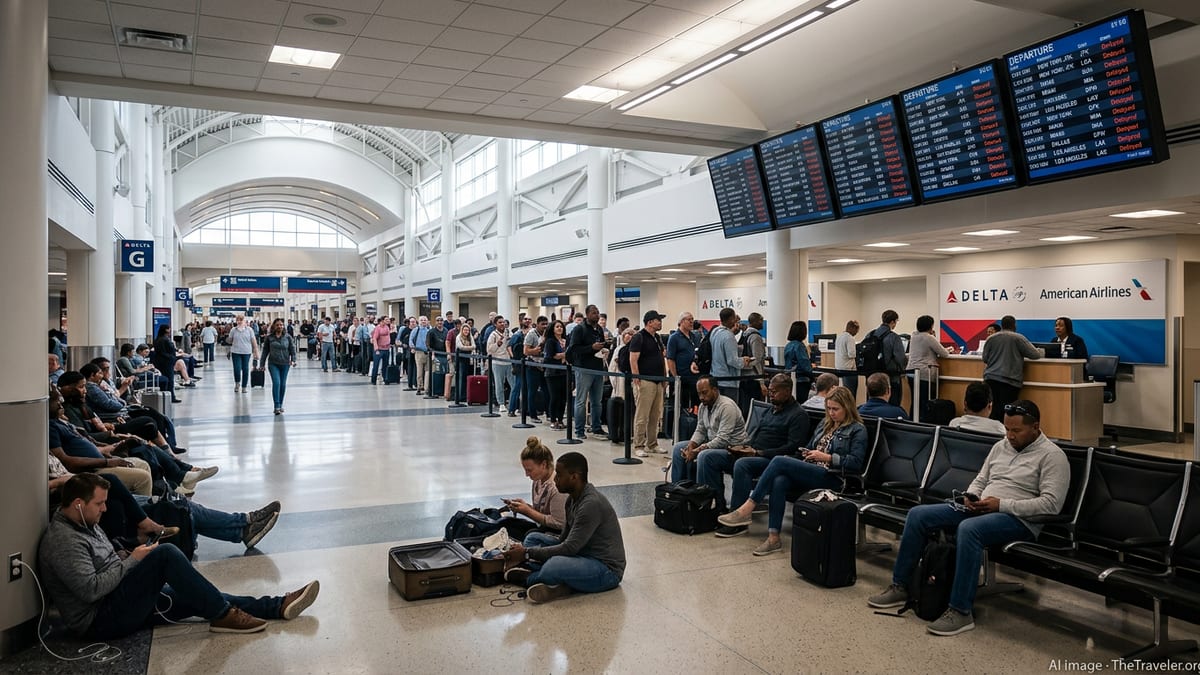
Heavy Disruption Across Nashville’s Departure Boards
Publicly available flight-tracking dashboards for June 12 indicated that Nashville International Airport was contending with significant operational disruption, with reports citing about 213 delayed departures and arrivals and at least 15 cancellations. The impact was felt most acutely during the late morning and afternoon wave of departures, when schedules are typically heaviest for business and leisure travelers heading to the Northeast corridor.
Regional operators such as Republic Airways and Endeavor Air, which feed major hubs for larger network carriers, appeared prominently among the delayed services. Mainline operators including Southwest Airlines and American Airlines, along with other domestic brands, also showed a growing list of flights pushed back from their scheduled departure times, leaving gate areas crowded and passengers searching for rebooking options.
While operations at Nashville International are accustomed to busy summer traffic, the depth and breadth of delays on June 12 outstripped a normal busy day. Displays across the terminal showed rolling departure time changes, as aircraft and crews arriving late from other weather-affected airports were turned as quickly as possible for outbound routes.
The pattern mirrored disruption seen at other major U.S. airports in recent weeks, where weather-related constraints in one region have cascaded through airline networks and magnified delays far from the original storm cells.
Weather and Network Congestion Ripple Through the Northeast
Travel data and published coverage in recent days have highlighted how storms moving through the Midwest and Northeast can quickly constrict airspace around major hubs such as New York and Philadelphia. When that happens, air traffic managers reduce the flow of arrivals and departures, prompting airlines to slow operations or consolidate flights. Even if skies over Tennessee remain relatively calm, these constraints can put pressure on departure slots for aircraft leaving Nashville bound for the Northeast.
On June 11, national tracking platforms already showed hundreds of delays and dozens of cancellations at large airports including Chicago, Dallas, New York and Philadelphia, as carriers adjusted their schedules in response to shifting weather patterns and congestion. That strain appeared to carry into June 12, contributing to bottlenecks for flights feeding into the same constrained airspace, including those from Nashville.
For passengers, the result was a familiar but frustrating scenario. Flights bound for the New York area and Philadelphia, which are crucial for onward connections to both domestic and international destinations, were among those most exposed to knock-on effects when weather and traffic restrictions tightened over the Northeast corridor.
Key Routes to New York, Newark and Philadelphia Affected
New York City, Newark and Philadelphia are three of the most important destinations served from Nashville, handling large volumes of business travelers, tourists and connecting passengers. Historical traffic data for Nashville International show New York LaGuardia and Philadelphia among the airport’s busiest routes, shared among carriers such as American Airlines, Delta Air Lines, Southwest Airlines and various regional affiliates.
On June 12, multiple services connecting Nashville to New York area airports experienced disruptions, including cancellations reported on some marketed flights to John F. Kennedy International Airport. Other departures to LaGuardia and Newark encountered extended delays, with aircraft waiting for departure windows that aligned with air traffic control restrictions farther up the route.
Philadelphia-bound services, often used by travelers connecting onward along the East Coast and to Europe, also faced schedule pressure. Flight boards showed departure times sliding deeper into the day as airlines worked to synchronize their Nashville departures with congested arrival banks in the Northeast, in some cases prompting missed connections and unexpected overnight stays for affected travelers.
The uneven pattern of disruption meant that a handful of flights operated close to schedule while neighboring departures showed delays of an hour or more. That inconsistency added to passenger uncertainty, particularly for those trying to decide whether to remain at the gate, seek alternative routings or move bookings to later dates.
Regional and Low-Cost Carriers Under Strain
Regional carriers such as Republic Airways and Endeavor Air play a central role in shuttling passengers between cities like Nashville and the major hubs they serve on behalf of larger airlines. Industry data from recent U.S. Department of Transportation consumer reports indicate that such regional operators already face tight schedules and can be more vulnerable to cascading delays when a hub experiences weather or air traffic restrictions.
On June 12, publicly available operational feeds showed numerous regional flights linked to the New York and Philadelphia hubs departing late or being canceled altogether. Once an early-morning or midday regional segment is canceled, aircraft and crew positioning for the rest of the day can become misaligned, which in turn affects later flights and leaves fewer options for passengers hoping to be rebooked quickly.
Low-cost carriers and high-frequency operators such as Southwest Airlines, which maintains a substantial presence at Nashville International, also contended with knock-on effects. With dense schedules and tight turnaround times, even short delays early in the day can accumulate into larger disruptions by evening, particularly on routes that intersect with congested airspace over the Northeast.
Consumer advocates note that while airlines often seek to recover schedules within 24 hours, the most heavily affected passengers can experience multi-leg disruptions, including missed connections and rebookings that push travel into the following day.
What Stranded Passengers Can Do Next
For travelers stuck at Nashville International during the June 12 disruption, published guidance from aviation regulators and consumer agencies underscores the importance of staying closely informed about evolving schedules. Airline mobile apps, airport departure boards and text alerts are considered among the fastest ways to track last-minute gate changes, rolling delays or newly added replacement flights.
Passengers whose flights were canceled outright generally receive a choice between a refund and rebooking on a later service, although specific options depend on the type of ticket purchased and the airline’s own policies. In extensive disruption events, some carriers may also provide meal vouchers or hotel accommodation, particularly if a cancellation leads to an unplanned overnight stay, although such support is not guaranteed in every circumstance.
Aviation consumer reports from the U.S. Department of Transportation advise travelers to retain documentation of delays and cancellations, including boarding passes and written confirmation of disruption, as this can help when seeking refunds, travel credits or, in some cases, compensation under applicable regulations. Passengers connecting to international flights from New York, Newark or Philadelphia may also wish to contact their long-haul carriers directly to explore protected rebooking options.
With summer travel demand building and thunderstorms common across wide areas of the United States, analysts expect similar pockets of disruption to continue at times in the weeks ahead. For those planning trips through Nashville or other busy hubs, leaving additional buffer time for connections and monitoring forecasts along the full route remain prudent steps to reduce the risk of becoming stranded when the next wave of delays reaches departure boards.