


More news on this day
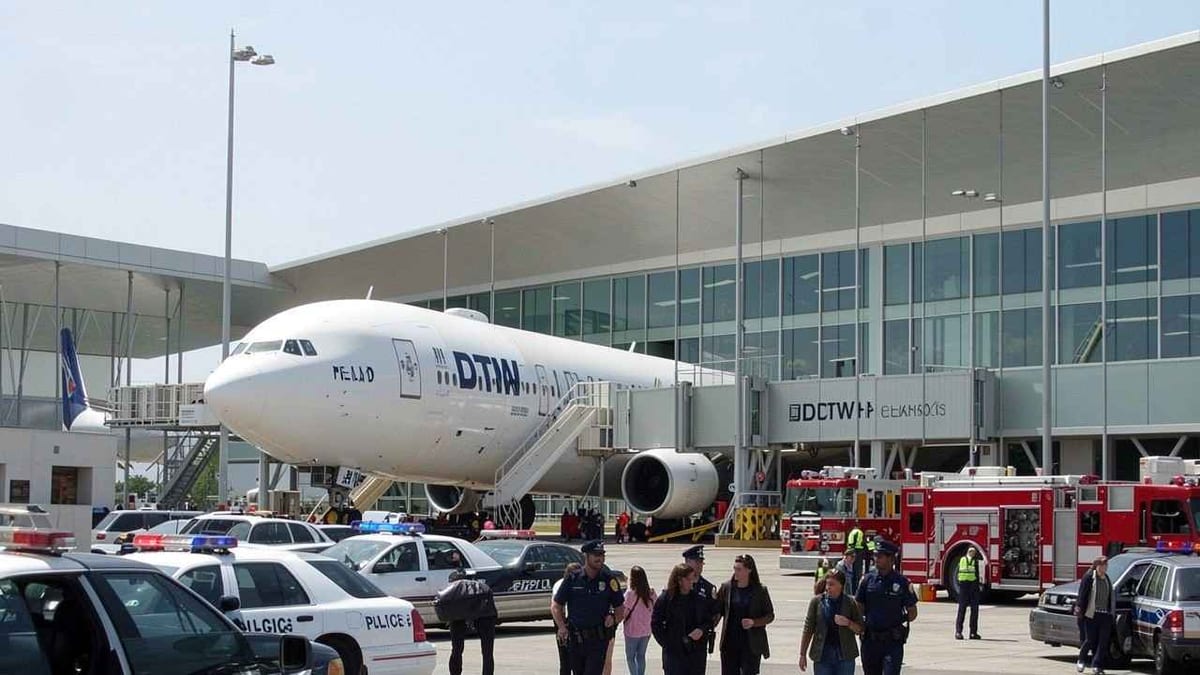
A late-night diversion involving 373 passengers has drawn sharp criticism after travelers were reportedly kept on a grounded aircraft for more than ten hours without air conditioning, renewing scrutiny of how airlines manage lengthy disruptions and protect passenger welfare during irregular operations.
Get the latest news straight to your inbox!
Late-Night Diversion Turns Into Overnight Ordeal
According to published aviation blog coverage and regional broadcast reports, the disruption began as a routine late-night diversion when the aircraft was rerouted from its intended destination due to operational concerns. The widebody jet, carrying 373 passengers, landed at an alternate airport where ground operations and staffing were far more limited than during daytime hours.
What might have been a short delay evolved into a prolonged ordeal as passengers remained on board while the aircraft awaited parking, servicing, and a decision on how to continue the journey. Publicly available accounts indicate that the aircraft remained at a remote or constrained gate position for hours, complicating efforts to disembark passengers or connect them with terminal facilities.
As time passed, travelers faced uncertainty over when they would be allowed off the aircraft or whether the flight would continue to its original destination. Reports indicate that information was sporadic and that the onboard experience deteriorated as cabin conditions worsened and fatigue set in among both passengers and crew.
The case, highlighted by aviation analyst Jay Ratliff on WEBN’s aviation blog, has since circulated widely among frequent flyers and industry observers, who view it as an example of how quickly a standard diversion can escalate into a significant passenger service failure.
Passengers Report Stifling Cabin Without Air Conditioning
Central to the controversy are passenger accounts that the aircraft sat on the ground for more than ten hours without effective air conditioning. Travelers described a stifling cabin environment as the jet’s internal temperature gradually rose, particularly with hundreds of people confined in close quarters and limited airflow.
Operationally, aircraft often rely on external power or ground-based air units when parked for extended periods, especially if one or more engines are shut down for safety and fuel considerations. In this diversion, reports suggest that such support was either unavailable, insufficient, or not consistently in use, contributing to an increasingly uncomfortable and, at times, distressing environment on board.
Parents traveling with young children and older passengers were reportedly among those most affected, with some describing difficulty resting or cooling down during the night. Online commentary from travelers and aviation commentators has questioned why, given the extended delay, passengers were not promptly allowed to deplane into the terminal or transported by bus to a more suitable facility.
The episode has reignited debate over how airlines balance safety and operational constraints with the need to maintain basic comfort standards on the ground, especially when mechanical, weather, or staffing limitations restrict access to full airport services.
Regulatory and Policy Questions Over Tarmac Delays
The incident has also revived attention to existing tarmac delay rules and passenger protections in the United States. Federal regulations generally require carriers to allow passengers to deplane after extended periods on the tarmac, subject to safety and operational exceptions. However, each case is shaped by the specific circumstances on the ground, including airport layout, security considerations, and the availability of staff and equipment.
Industry analysts note that overnight diversions to secondary or less-equipped airports can test the limits of these policies. Ground handling providers may have fewer personnel available during late-night hours, and terminal facilities might be partially closed, complicating efforts to move hundreds of passengers off a large aircraft quickly and securely.
Publicly available commentary has raised questions about whether the carrier involved had adequate contingency planning for such a large-scale diversion. Observers are examining whether more proactive steps, such as rapidly arranging buses, opening additional sections of the terminal, or coordinating with local authorities for temporary accommodations, could have prevented such a lengthy onboard stay.
The event is now being cited in consumer advocacy discussions as a potential case study for reviewing enforcement of tarmac delay limits and clarifying how exceptions should apply when passenger comfort and health are at risk, even if safety and security factors complicate deplaning.
Airline Crisis Management Under Intensifying Scrutiny
Beyond the immediate regulatory questions, the diversion underscores broader concerns about airline crisis management during overnight disruptions. In recent years, the industry has faced a series of high-visibility operational breakdowns involving mass cancellations, extended holds on aircraft, and strained customer service channels, all of which have eroded traveler confidence.
Aviation commentators point out that large aircraft carrying several hundred people require robust backup plans when diverted or delayed, particularly at airports that are not major hubs for the airline. This includes advance agreements with ground service providers, contingency staffing models, and clear communication protocols to prevent passengers from feeling abandoned or uninformed during long waits.
Reports on the diversion suggest that communication with passengers was intermittent, with limited updates about the cause of the delay, the availability of food and water, or the anticipated timeline for deplaning. Consumer advocates say such situations underscore the importance of transparent, frequent communication, which can significantly influence how travelers perceive an otherwise unavoidable disruption.
The incident is also prompting discussion about training and support for flight crews who must manage cabin conditions and passenger expectations while operating within strict safety rules and operational constraints. Analysts note that crews are often constrained in decisions about deplaning and require coordinated support from airport and airline operations centers to implement alternatives.
Growing Calls for Stronger Passenger Protections
As details of the 373-passenger diversion continue to circulate through aviation blogs, talk radio segments, and social media, advocates are renewing calls for stronger and more consistently enforced passenger protections. They argue that enduring more than ten hours on a grounded aircraft without adequate air conditioning falls short of reasonable expectations for modern commercial air travel.
Consumer groups contend that clearer standards are needed regarding maximum onboard time during ground delays, cabin temperature thresholds, and minimum requirements for access to water, snacks, and medical support. Some analysts suggest that stronger financial penalties or mandatory compensation for affected travelers could encourage airlines to take more aggressive steps to avoid prolonged onboard confinement.
Airline industry representatives, in broader policy debates, have often emphasized the need for flexibility in exceptional situations involving weather, air traffic control, or airport infrastructure limitations. However, the scale and duration of this particular diversion are likely to intensify public pressure for reforms that place tangible limits on how long passengers can be required to remain on board without basic comfort systems in full operation.
For travelers, the episode serves as another reminder of the importance of understanding their rights during diversions and tarmac delays, as well as the continuing evolution of policies that seek to balance operational realities with the expectation of humane treatment, even when flights do not go as planned.