


More news on this day
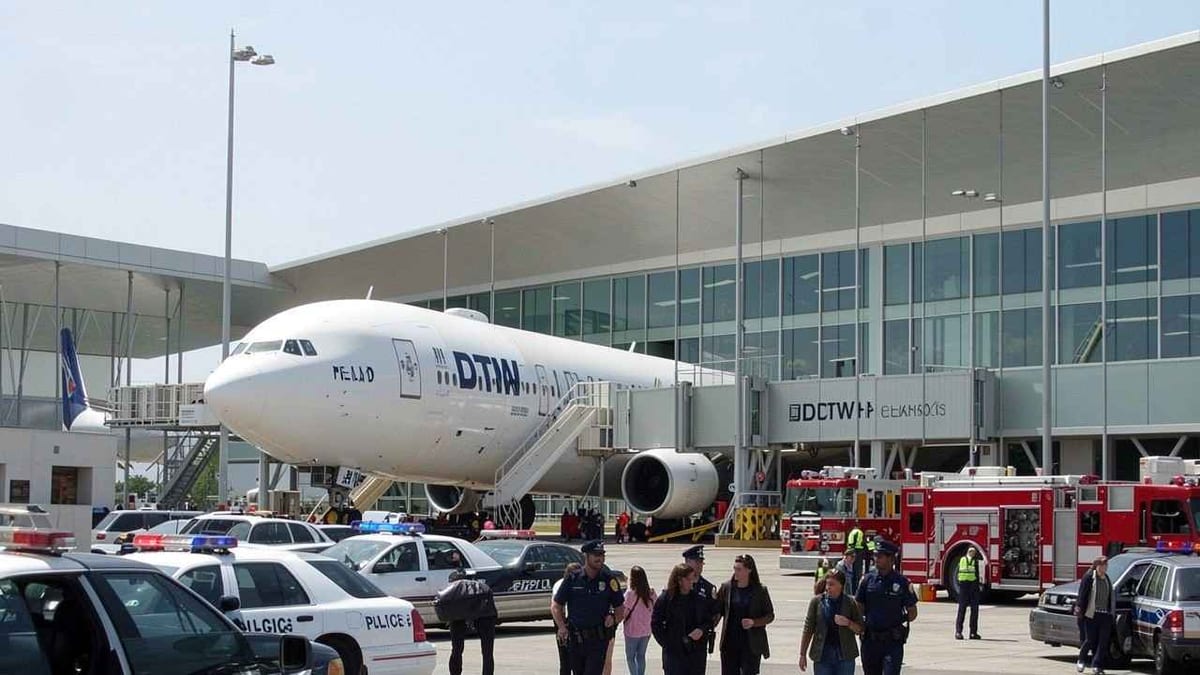
American Airlines flight AA2445, an Airbus A319 operating from Philadelphia to Fort Myers, diverted to Tampa International Airport amid broader arrival disruptions affecting parts of Florida, according to live flight tracking data and airport status pages. The unscheduled stop has drawn attention to how quickly a routine mid‑morning hop to Southwest Florida can be upended by weather and traffic constraints across the state’s busy airspace.
Get the latest news straight to your inbox!
What Happened to Flight AA2445
Publicly available flight status information shows that AA2445 departed Philadelphia International Airport for Fort Myers on Monday as a regularly scheduled American Airlines service using an Airbus A319. The route typically takes just under three hours, linking one of American’s key Northeast hubs with the Southwest Florida leisure market.
During the southbound leg into Florida, tracking data indicates the jet did not proceed directly to Southwest Florida International Airport in Fort Myers as planned. Instead, AA2445 diverted to Tampa International Airport on Florida’s Gulf Coast, where it landed after a rerouting consistent with congestion or weather related flow restrictions in the region.
Flight history tools and airport arrivals boards show the aircraft later continued on a shorter segment down the coast toward Fort Myers, effectively turning what is usually a nonstop Philadelphia–Fort Myers itinerary into a two‑stage journey via Tampa. Passengers experienced extended travel time compared with the scheduled nonstop, though the flight ultimately reached its intended region of southwest Florida.
At the time of the diversion, arrival patterns into several Florida airports reflected a mix of delays, holding patterns and occasional reroutes, suggesting that AA2445 was one of several services affected as traffic managers balanced safety, weather and runway capacity.
Florida Arrival Disruptions and Why Diversions Happen
Florida’s airspace regularly sees periods of intense pressure, particularly in peak travel seasons and during active weather. Thunderstorms building along the peninsula, low visibility and congestion around major hubs such as Orlando, Tampa and the South Florida airports can all contribute to arrival slowdowns that ripple across multiple cities.
When arrival rates are reduced at an airport such as Fort Myers, aircraft may be placed in holding patterns, slowed en route or instructed to divert to another field with greater capacity or more favorable conditions. In this case, operational data suggests AA2445’s diversion to Tampa aligned with wider constraints on arrivals into Southwest Florida, rather than a standalone incident involving only one flight.
Flight operations references explain that diversions are used by airlines and air traffic managers as a safety tool, giving crews the option to land with comfortable fuel reserves instead of extending holds near a congested or weather‑impacted airport. Tampa often serves as a logical alternate for flights bound for Southwest Florida due to its runway configuration, facilities and proximity to the original destination.
Once on the ground at the diversion airport, the airline can refuel the aircraft, wait for improved arrival conditions and then proceed to the original destination or rebook passengers if onward travel becomes impractical within crew duty limits.
Impact on Passengers Traveling to Fort Myers
For travelers on AA2445, the diversion translated into an unplanned stop in Tampa and a later than scheduled arrival in the Fort Myers area. Passengers commonly experience extended time on board, potential gate holds, and uncertainty about updated arrival times when a diversion occurs, especially if the aircraft initially remains on the ground awaiting clearance to continue.
According to general American Airlines disruption policies, travelers whose flights are diverted are typically rebooked onto the next available service to their ticketed destination when continuing on the original aircraft is not feasible. When the same aircraft later proceeds to the intended airport, most passengers remain on board or re‑board after a brief stop, though local procedures may vary depending on security and immigration requirements.
Individuals with tight onward connections in Fort Myers, ground transportation reservations or time‑sensitive plans are usually the most affected. In diversion scenarios, travel experts often advise monitoring both the airline’s app and the airport’s arrivals page, as these sources may update at slightly different times while the disruption unfolds.
Some passengers may also incur additional expenses for missed hotel check‑ins, rental car delays or rearranged activities in the Fort Myers region. Whether those costs are recoverable depends on the specific cause of the diversion and the airline’s contract of carriage and goodwill practices.
What Travelers Should Do During a Diversion
When a flight diverts, staying informed and acting quickly can significantly improve the outcome. Airline customer service materials emphasize the importance of using digital tools such as mobile apps and online trip management to track revised departure and arrival times, seat assignments and potential rebooking options while still in the air or shortly after landing.
Upon landing at an unscheduled airport like Tampa, passengers are generally encouraged to confirm whether the aircraft will continue to the original destination or whether a change of planes is likely. In many cases, self‑service options open at roughly the same time that airport gate agents receive updated schedules, giving travelers a chance to review alternatives on their phones before lines build at service counters.
Travel planning resources also recommend keeping essential items such as medications, phone chargers and important documents in a carry‑on bag rather than checked luggage. This can be particularly important if a diversion leads to an overnight stay in the diversion city or if bags remain on board while passengers are accommodated elsewhere.
For those with flexible plans, considering alternate Florida airports reachable by ground transportation can sometimes shorten delays. Cities such as Tampa, Sarasota, Fort Lauderdale and Miami are connected to Southwest Florida by major highways, and rental car availability may offer additional options if onward flights become constrained.
Looking Ahead for Summer Travel to Southwest Florida
The diversion of AA2445 highlights how quickly conditions can change for flights into popular Florida destinations, especially during the busy summer and storm seasons. As demand for leisure and family travel to beaches and golf communities rises, even short periods of reduced arrival capacity can trigger a cascade of schedule adjustments.
Industry observers note that travelers heading to Southwest Florida in the coming weeks may wish to build extra time into itineraries, particularly when connecting from long‑haul or international flights that feed into Philadelphia or other northern hubs. Booking earlier in the day, allowing longer connection windows and monitoring forecast conditions can all help reduce the impact if a diversion or extended delay occurs.
For American Airlines, each event such as the AA2445 diversion becomes another test of its broader disruption‑management systems, including crew scheduling, aircraft rotation and passenger communication. Public tools that provide near real‑time status data make it easier for travelers to see how the airline responds when Florida’s weather and traffic challenges intensify.
As the season progresses, the experience of passengers aboard AA2445 serves as a reminder that even well‑established routes between major airports like Philadelphia and Fort Myers remain vulnerable to the dynamic realities of flying into one of the nation’s most complex and weather‑sensitive air corridors.